advertisement
How Your Body Mass Index (BMI) Reflects Your Health

How Your Body Mass Index (BMI) Reflects Your Health

We all know the saying "Health is Wealth." It's a fundamental truth that deeply impacts our lives. Without good health—both mental and physical—happiness and fulfillment can be elusive. Our overall well-being relies on three main pillars: physical health, mental health, and spiritual health. Today's focus is on physical health, specifically the often-overlooked Body Mass Index (BMI). It's important to clarify that BMI is not the same as weight. Read on to understand what your BMI tells you about your health. What Is Body Mass Index (BMI)? Body Mass Index (BMI) is a numerical value calculated to assess a person's body weight in relation to their height. Weight is measured in kilograms and height in meters squared. The formula for BMI involves dividing weight in kilograms by the square of height in meters. The resulting value falls into one of four categories: underweight, normal weight, overweight, or obese. However, BMI is not the definitive measure of an individual's health, as it has its limitations. Is BMI Always the Best Measure of Health? While BMI can be useful, it is not the best indicator of overall health for several reasons: Limited Scope: BMI only considers weight and height, ignoring body composition. This can misclassify individuals with high muscle mass as overweight and those with low muscle mass as normal weight. Health Metrics: BMI does not account for other health measures like blood pressure or blood sugar levels. People with a "healthy" BMI might still have serious health issues due to poor diet and inactivity. Fat Differentiation: BMI does not distinguish between different types of fat (e.g., visceral vs. subcutaneous fat). Age Considerations: BMI is primarily designed for adults. Children's and teenagers' growing bodies make it difficult to predict their height and expected weight. How to Calculate Your BMI Calculating your BMI is straightforward. Use the formula by dividing weight in kilograms by the square of height in meters. For example, if your weight is 65 kg and your height is 1.60 meters, your BMI calculation would result in 25.39. BMI vs. Body Fat Percentage It's important to understand that BMI is a general indicator of body mass and does not directly measure body fat. In contrast, Body Fat Percentage provides a more accurate assessment of body fat composition. Health Implications of Being Overweight or Underweight Both being underweight and overweight can negatively impact your health. Overweight Risks: Increased risk of heart disease High blood pressure Type 2 diabetes Elevated cholesterol levels Joint problems and arthritis Sleep apnea and breathing difficulties Underweight Risks: Nutritional deficiencies Weakened immune system Increased susceptibility to infections Poor muscle mass and strength Fertility issues Hormonal imbalances Is BMI Different for Men and Women? BMI is calculated the same way for both men and women. It is solely based on height and weight. BMI Chart for Teens and Children Assessing BMI in children and teenagers can be challenging due to their growth stages. The World Health Organization (WHO) provides a percentile chart to compare children with peers of the same age and gender. Categories include underweight (less than 5th percentile), healthy weight (5th to 85th percentile), overweight (85th to less than 95th percentile), and obesity (greater than or equal to the 95th percentile). How Adults Can Change Their BMI Achieving a healthy BMI involves practical and effective lifestyle changes: 1.Work on Your Diet: Opt for low-calorie foods to aid weight loss. Eat a balanced diet rich in various nutrients to prevent overeating. 2.Drink Plenty of Water: Staying hydrated aids weight management. Replace sugary beverages with water. 3.Consult a Nutritionist: A nutritionist can address emotional eating and help build a better relationship with food. Regular consultations can keep you motivated and on track. 4.Stay Active: Incorporate daily exercise for long-lasting physical and mental health benefits. Try a 90-day health challenge to see improvements in blood pressure and blood sugar levels. Conclusion Body Mass Index (BMI) is a simple numerical value that relates a person's weight to their height. While it can provide a general indication of body mass, it's not a perfect measure of overall health. BMI has limitations, such as not accounting for body composition or other health factors. Being either underweight or overweight can have negative health consequences. Adopting a healthy lifestyle, consulting healthcare professionals, and making informed choices can help you maintain a healthy BMI and improve your overall well-being.

Let’s Settle the Great Gym Bag Debate

Let’s Settle the Great Gym Bag Debate

FitnessThe Best Gym Bags to Haul Your EssentialsWe’ve used these for years.By Jessica KasparianAugust 8, 2025Courtesy of brands / Gabrielle LangdonSave StorySave this storySave StorySave this storyAll products featured on Self are independently selected by our editors. However, we may receive compensation from retailers and/or from purchases of products through these links.The best gym bags can organize all of your workout essentials—your go-to cycling shoes, a water bottle, shower toiletries—while also looking cute on your shoulder. No more tossing your sports equipment in the backseat of your car or stuffing your work bag so full it’s impossible to carry.As fitness editors, we have a lot of opinions on what makes a gym bag truly great. We’re getting into our favorites (the ones we’ve carried for years) below.Our top picksBest Overall:FP Movement Quilted Carryall, $78Best Budget Pick:Old Navy Macro Trek Bag, $30Best for Organization:Dagne Dover Landon Neoprene Carryall Bag, $200Best With Shoe Compartment:Gymshark Everyday Gym Bag Medium, $54Best With Water Reservoir:Osprey Skimmer 16 Hydration Pack, $120Best Weatherproof:Patagonia Black Hole Pack 25L, $149In this articleAccordionItemContainerButtonLargeChevronShop the best gym bagsHow we chose the best gym bagsWhat to look for in a gym bagShop the best gym bagsSchlepping got just a whole lot easier.Best Overall: FP Movement Quilted CarryallFree PeopleQuilted Carryall$78Free PeopleThis puffy tote is roomy enough to hold your HIIT shoes, weightlifting gloves, and a change of clothes, and more. “It’s my Mary Poppins bag that I somehow always fit everything I need at the gym and more in,” SELF’s associate social media manager, Katie Gunderman, says. “There are two pockets on the inside that I use to hold my jewelry and separate my sweaty clothes after I work out. And I love the long strap because it’s so easy to throw over my shoulder as a crossbody!”SELF’s senior commerce editor, Sarah Felbin, seconds the bag’s seemingly neverending storage. “It’s massive and holds literally anything and everything,” she says. “I just wish it had more pockets inside because my smaller stuff can get lost easily—it's kind of like a ‘black hole bag,’ in that way.”Pros & ConsAccordionItemContainerButtonLargeChevronProsConsLong strap allows you to carry the bag on your shoulder or crossbodyNo separate shoe compartment or bagQuilted exterior looks cute and won’t dig into your shoulderHas two interior pockets and two zippered exterior pocketsProduct specsAccordionItemContainerButtonLargeChevronMaterial:Polyester |Exterior pockets:2 |Interior pockets:2Best Budget Pick: Old Navy Macro Trek BagOld NavyMacro Trek Bag$30Old NavyInto FP Movement’s bag, but not the price? This oversized crossbody from Old Navy has a similar vibe, for less. Its long strap is adjustable, so you can carry it on your shoulder or across your body. The main compartment will hold your gym clothes, water bottle, protein bar, and more must-haves. We also love the cinchable drawstrings on either side, to give this slouchy bag some shape.Pros & ConsAccordionItemContainerButtonLargeChevronProsConsLightweight designNot great for bulker items like shoes or helmetCrossbody strap is adjustableSide drawstrings can cinch the bagProduct specsAccordionItemContainerButtonLargeChevronMaterial:Polyester |Exterior pockets:0 |Interior pockets:MultipleBest for Organization: Dagne Dover Landon Neoprene Carryall BagDagne DoverLandon Neoprene Carryall Bag$200Dagne DoverThis Dagne Dover bag is worth the splurge for the organization it’ll bring to your life. It comes with a zippered shoe bag to keep your kicks separate from your clean clothes, a small mesh pouch to hold little items like AirPods or deodorant, a key leash to keep them handy, and interior and exterior pockets.Felbin travels with a larger version of this duffel, but thinks this size is perfect for a gym bag. “The outside material is thick neoprene that's easy to keep clean, and the wide straps make it easy to carry on my shoulder or crossbody,” she says. “It just has tons of smart details—the ends snap into the sides of the bag, and the shoulder straps can be snapped together too.”Pros & ConsAccordionItemContainerButtonLargeChevronProsConsLots of pockets and compartments insidePriciest pick on our listMaterial is easy to keep cleanShoulder strap is adjustableProduct specsAccordionItemContainerButtonLargeChevronMaterial:Neoprene, polyester |Exterior pockets:1 |Interior pockets:3Best With Shoe Compartment: Gymshark Everyday Gym Bag MediumGymsharkEveryday Gym Bag Medium$54$38(30% off)GymsharkFor a classic, cleverly designed duffel, this Gymshark bag is our pick. It has short carrying handles and a longer, crossbody strap you can sling over your shoulder when it starts to feel heavy. It’ll keep you organized with its designated shoe compartment—which you can also use for dirty clothes—and an exterior pocket that’s perfect for your phone and keys.“It fits a pair of shoes; a change of clothes; and extra essentials like hair ties, hand sanitizer, extra socks, and a water bottle pretty seamlessly. And I like that the separate shoe compartment keeps my gym clothes clean,” says one SELF tester. They also note that this bag is a great fit for petite folks: “I like to travel light, which is why I don’t normally use gym bags. But this Gymshark one feels small enough on my five-foot-two frame.”Pros & ConsAccordionItemContainerButtonLargeChevronProsConsA good value (and often on sale)Some Gymshark reviewers wish the bag was more structuredLong, adjustable strap for carrying crossbodyEasy for petite folks to carryProduct specsAccordionItemContainerButtonLargeChevronMaterial:Polyester, PVC |Exterior pockets:2 |Interior pockets:3Best With Water Reservoir: Osprey Skimmer 16 Hydration PackOspreySkimmer 16 Hydration Pack$120$110(8% off)Amazon$120REIHikers, listen up: You can take this backpack to the gym one day, and up the mountain the next. It has a removable hydration pack inside and a hose port you can sip through while climbing. There’s also a foam panel that rests against your back for maximum comfort and airflow, plus straps that go across your hips and sternum to keep it secure. And the bag is slim enough to easily slip into your gym locker.SELF’s senior director of audience, Lexi Herrick, says this pack is super comfortable to wear. And, despite its slimmer appearance, it can hold a ton. “I can fill it with water, snacks, and a light layer, and still move like I'm not carrying a boulder on my back,” she shares.Pros & ConsAccordionItemContainerButtonLargeChevronProsConsWater reservoir makes it easier to stay hydratedPriceyBreathable foam back panel adds cushioningHip and sternum straps help distribute weight of heavier loadsTwo exterior pockets for easy accessProduct specsAccordionItemContainerButtonLargeChevronMaterial:Nylon |Exterior pockets:2 |Interior pockets:1Best Weatherproof: Patagonia Black Hole Pack 25LPatagoniaBlack Hole Pack 25L$149Patagonia$149$104(30% off)BackcountryYou might find yourself reaching for this bag even on rest days. Just ask SELF’s senior commerce writer, Sarah Coughlin: “Patagonia’s Black Hole pack is my main bag for traveling and the gym, and it has never let me down—it holds a ton of stuff, it’s weatherproof, and it’s seemingly indestructible,” she says. “I’ve had mine for nearly a decade and, apart from some holes in the external water bottle pockets, it’s basically as good as new.”Most PopularLife‘Wicked’ Forced Me to Have a Conversation I Hoped My Daughters Could AvoidBy Jessica ShybaHealthThe One Thing That Reliably Kills Norovirus and How to Keep it From Spreading in Your HomeBy Erica SloanRelationships5 Ways to Feel Less Lonely During the HolidaysBy Hannah SmothersAlso key? A long list of small (but impactful) design features, like a strap on the back that acts as a trolley pass-through, a mesh back panel that ventilates, and a padded laptop sleeve inside the main compartment.Pros & ConsAccordionItemContainerButtonLargeChevronProsConsWater-resistantPriceyHas a padded laptop sleeveStrap on the back acts as trolley pass-throughTwo exterior pocketsProduct specsAccordionItemContainerButtonLargeChevronMaterial:Polyester |Exterior pockets:2 |Interior pockets:1How we chose the best gym bagsSELF editors have carried most of the bags on this list for years. They hold all of our essentials and help us feel put together while we head straight from the gym to the office. They’re the unsung—until now—heroes of our busy days and workout routinesWhat to look for in a gym bagMaterialsAccordionItemContainerButtonLargeChevronYou never know when you’re going to get caught in the rain on the way to a Pilates class. So, it’s a good idea to invest in a bag that’s made of water-resistant materials like polyester or nylon that can bounce back from a little drizzle. Working out outside? Look for waterproof materials like PVC or vinyl. Some bags are even treated with a waterproof coating, to keep your stuff inside clean and dry.SizeAccordionItemContainerButtonLargeChevronCarrying a soccer ball, cleats, and shin pads in your gym bag? Sure, go bigger. But if you’re only bringing a snack, water bottle, and deodorant to your workout, a smaller bag is all you need (and your shoulders will thank you).Additional featuresAccordionItemContainerButtonLargeChevronYou’ll see all kinds of extra features while you’re shopping for gym bags, but only some will be worth it to you. If your gym and work bag are one and the same, you might need a laptop sleeve. Bringing a separate pair of shoes to your workout? A designated compartment or bag for them can change the game. And don’t underestimate how handy pockets—even small ones—can be to keep you organized.Related:The Best Weekender Bags Are Genuinely Cute and Hold Everything You NeedEvery Lift and Stretch Is Easier in Comfy Workout Shorts7 Travel Backpacks That Can Fit a Ton Without Straining Your ShouldersGet more ofSELF’sstellar product recommendations delivered right to your inbox (for free!).

The Best Recovery Shoes Give Your Feet Some TLC

The Best Recovery Shoes Give Your Feet Some TLC

FitnessThe Best Recovery Shoes Give Your Feet Some TLCThe self-care you didn’t know you needed.By Jennifer HeimlichAugust 29, 2025Courtesy of the brands / Gabrielle LangdonSave StorySave this storySave StorySave this storyAll products featured on Self are independently selected by our editors. However, we may receive compensation from retailers and/or from purchases of products through these links.When I first learned about recovery shoes, my inner skeptic figured they were just a fancy new way to market cushy sneakers and sandals. But it turns out, unlike a running or tennis shoe, these pairs aren't designed to help you train or perform at your peak—they’re meant to give your feet and lower legs a break. “I tell my patients: If your workout shoes were your ‘work,’ your recovery shoes are your ‘rest,’” physical therapist Lauren Glisic, DPT, CSCS, cofounder of Athletic Lab Physical Therapy and Performance Training in Santa Monica, tells SELF.Austin-based podiatrist Anne Sharkey, DPM, tells SELF that, in addition to shock-absorbing foam, the best recovery shoes have extra arch support, a deep heel cup, and a rocker bottom sole to minimize how much work your soft tissues need to put in when you’re standing or walking around. Some brands also include a textured footbed that’s supposed to promote circulation and reduce swelling.So if your achy feet are craving some sweet relief after a workout—or just a long day—it might be worth investing in a pair of these kicks. Check out our favorites below.Our top picksBest Overall:Oofos Ooaah Slide Sandal, $60Best Sneaker:Kane Revive Shoe, $80Most Stable:Hoka Restore TC, $110Best for Hikers:Teva ReEmber Terrain Slip-On, $112Best for Runners:VKTRY Recovery Clog, $99$79Best for Home:Topo Athletic Revive, $125Best Splurge:Oofos Oomy Zen, $160Best Firm:Vionic Rejuvenate Recovery Sandal, $95Best for Cold Weather:Oofos Oocoozie Thermo Mule, $120Best for Wide Feet:Kuru Moment, $100Table of contentsAccordionItemContainerButtonLargeChevronShop the best recovery shoesWhat to look for when choosing recovery shoesHow we picked these recovery shoesFrequently asked questionsShop the best recovery shoesGo ahead and splurge on one of these pairs—your feet will thank you.Best Overall: Oofos Ooaah Slide SandalChevronChevronDotsDotsDotsOofosOoaah Slide Sandal$60Amazon$60REI$60OofosHaving been in the recovery game since 2011, Oofos’ classic slide is a tried-and-true favorite. Dr. Glisic especially recommends them to runners, since they can reduce calf and plantar fascia stress while promoting blood flow after a long run. “The foam is extremely shock-absorbent,” she says. Dr. Sharkey adds that the stable midfoot means that your toes don’t have to grip to keep these slides on (unlike most flip-flops).They also just feel really darn good—particularly the exaggerated arch support that basically gives you a mini massage with every step (though, admittedly, this can be too intense for some people). Running coach Amie Dworecki tells SELF that she’s relied on Oofos slides as house sandals ever since struggling with a bout of plantar fasciitis years ago. Even on non-workout days, she likes that they’re gentler on her joints than walking around barefoot. “It's almost a walking on-air type of feeling,” she says. And after a tough run, she finds they’re a welcome pick-me-up: “[It’s] just giving yourself a little bit of extra TLC in a way that’s not going to take up extra time.”Pros & ConsAccordionItemContainerButtonLargeChevronProsConsSuper shock-absorbingCan be slippery if your feet are wetDon’t get smelly (and machine washable when dirty)Arch can be too intense for someGreat arch supportRocker bottomLightweightProduct specsAccordionItemContainerButtonLargeChevronSizes:5 to 16 |Weight:10.3 oz |Heel-to-toe drop:6 mmBest Sneaker: Kane Revive ShoeChevronChevronDotsDotsDotsKaneRevive Shoe$80Nordstrom$75KaneWhen SELF senior commerce writer Sara Coughlin tried out the Revives, she found “the longer I wore them, the better my feet felt—it was a true delight to slip them on after putting my feet to work.” She’s not alone. Running and strength coach Mary Johnson tells SELF that Kane’s are one of her go-tos after a hard workout. And Dr. Glisic says that the max cushioning is great for strength athletes in particular, since it can help reduce joint fatigue on active recovery days.“Kane is what I'm talking a lot about in my clinics right now,” adds Dr. Sharkey. She recommends this shoe to Crocs fans who need the support of an enclosed heel.Aside from the breathable, perforated upper, one notable feature of the Revives is the textured footbed that's designed to increase blood flow to your soles. Although she was initially skeptical about how big of a difference this would actually make, Coughlin found “it has a very subtle, pleasantly kneading effect that engages my feet more than a standard insole, so they feel more ‘awake’ and less fatigued.”Pros & ConsAccordionItemContainerButtonLargeChevronProsConsMachine-washableToe box can feel narrow to someBreathableTextured footbedProduct specsAccordionItemContainerButtonLargeChevronSizes:5 to 20 |Weight:11.8 oz |Heel-to-toe drop:10 mmMost Stable: Hoka Restore TCChevronChevronDotsDotsDotsHokaRestore TC$110REI$110HokaIf it’s too chilly to air your feet out in sandals, this sneak from Hoka at least gives your toes plenty of space. Dr. Glisic points out that the stretchy knit upper and wide toe box lets your tootsies splay out and relax without feeling cramped. When I tried out a pair, I found them plenty roomy, even when my feet were extra-swollen.What I love most is how stable I feel inside them. The extra arch support keeps my feet from rolling in as I walk, and the super-wide base at the heel makes my foot feel supported from all angles even when it’s extra tired. I also appreciate that these are a cinch to slip on and off when I’m too sore to bend over, but still want a closed-heel design for easier walking.Pros & ConsAccordionItemContainerButtonLargeChevronProsConsEasy to slip onFeels best with socks onWide toe boxSuper stable baseNice arch supportProduct specsAccordionItemContainerButtonLargeChevronSizes:5 to 15 |Weight:11.3 oz |Heel-to-toe drop:5 mmBest for Hikers: Teva ReEmber Terrain Slip-OnChevronChevronDotsDotsDotsTevaReEmber Terrain Slip-Ons$90REI$90NordstromThese slip-ons are ideal for giving your tired feet some love while hanging around a campsite at the end of a long day of hiking. The sole is grippy enough to handle wet, muddy surfaces, while the water-resistant, quilted upper will keep your feet remarkably cozy and dry. There's even an extra loop next to the arch, so you can attach them to the outside of a backpack with a carabiner.Most PopularLife‘Wicked’ Forced Me to Have a Conversation I Hoped My Daughters Could AvoidBy Jessica ShybaHealthThe One Thing That Reliably Kills Norovirus and How to Keep it From Spreading in Your HomeBy Erica SloanRelationships5 Ways to Feel Less Lonely During the HolidaysBy Hannah SmothersPersonally, I especially appreciate just how soft the insole is. It’s so squishy, you feel like you’re stepping on a bed of memory foam. However, I’ve found these clogs are better for walking, say, from the fire pit to the tent, rather than trying to travel any real distance. They’re on the roomy side even with thick socks, so my toes need to grip to keep them on when I start racking up steps. But as long as I’m not planning to go too far, they feel like supportive sleeping bags for my feet.Pros & ConsAccordionItemContainerButtonLargeChevronProsConsGrippy outsoleNot a ton of arch supportSuper-squishy foam insoleRun bigWater-resistantFeatures a loop to attach to a backpackProduct specsAccordionItemContainerButtonLargeChevronSizes:5 to 15 |Weight:8.47 oz |Heel-to-toe drop:N/ABest for Runners: VKTRY Performance Recovery ClogChevronChevronDotsDotsDotsVKTRYPerformance Recovery Clog$99AmazonIf you love the boost that a carbon-plated shoe offers when you’re running, why not get a recovery shoe with that same extra oomph? The VKTRY clog, designed by a pedorthist, offers just that. “It has a carbon fiber plate built into it, so it really can help propel you forward, removing a lot of the work of those fatigued muscles,” Dr. Sharkey says.SELF Healthy EatingGet nutrition tips, delicious recipes, and inspo for your grocery list delivered to your inbox just in time for your weekly meal prep.SIGN UPBy signing up, you agree to our user agreement (including class action waiver and arbitration provisions), and acknowledge our privacy policy.She appreciates that the design includes a removable strap that you can slip over your heel for a more secure fit. Also helpful: the rocker bottom, extra arch support, and deep heel cup are all designed to make sure your feet and calves have to do as little work as possible to keep you upright. Bye-bye, fatigue.Pros & ConsAccordionItemContainerButtonLargeChevronProsConsCarbon plate gives every step a little boostZero-drop design isn't ideal for people with plantar fasciitis or Achilles tendinitisRemovable strap for a more secure fitTextured footbedDeep, supportive heel cupProduct specsAccordionItemContainerButtonLargeChevronSizes:4 to 17 |Weight:9.8 oz |Heel-to-toe drop:0 mmBest for Home: Topo Athletic ReviveChevronChevronDotsDotsDotsTopoAthletic Revive$125Amazon$125REISlipping into these clogs feels like giving my feet a spa treatment. The soft fleece upper keeps my feet nice and warm, and the shoe is cozy enough that I don’t mind wearing them even while sitting on the couch. But unlike your everyday house shoe, this pair has arch support that's designed with a subtle, gradual curve. Plus, squishy pods in the footbed give my soles some extra love.Most PopularLife‘Wicked’ Forced Me to Have a Conversation I Hoped My Daughters Could AvoidBy Jessica ShybaHealthThe One Thing That Reliably Kills Norovirus and How to Keep it From Spreading in Your HomeBy Erica SloanRelationships5 Ways to Feel Less Lonely During the HolidaysBy Hannah SmothersIf I do end up puttering around more than lounging around, the grippy lugs on the bottom of the sole make sure I stay upright, no matter how tired my legs are. I’d just recommend ordering one size up, since my heels comerightup to the back edge and would be a little comfier with a smidge more room.Pros & ConsAccordionItemContainerButtonLargeChevronProsConsCozy fleece upperFit runs a bit smallLightly textured footbedFleece upper attracts dust and dog hairGrippy rubber outsoleAvailable in half sizesProduct specsAccordionItemContainerButtonLargeChevronSizes:6 to 12 |Weight:6.5 oz |Heel-to-toe drop:3 mmBest Splurge: Oofos Oomy ZenChevronChevronDotsDotsDotsOofosOomy Zen$160$100(38% off)Amazon$160REIWhenever her clients are on the hunt for recovery shoes, Dr. Glisic says Oofos is a go-to rec—the brand has the American Podiatric Medical Association’s (APMA) seal of acceptance for healthy footwear. Dr. Glisic likes the Oomy Zen sneaker in particular because it’s equally cushy and supportive. It has more of Oofos’ signature foam than any of the brand’s other shoes, while the foot-cradling design hugs your arch and heel.When SELF contributor Lauren Wingenroth tried out a pair, she was instantly sold: “I’ve never felt the sense of immediate relief I had when I put the Oomy Zens on,” she wrote in her review, adding that she loved the feeling so much she made several friends try on the shoes too. She particularly appreciated the shoe's high arch, roomy toe box, and soft, supportive foam.Pros & ConsAccordionItemContainerButtonLargeChevronProsConsCushioned but supportiveOn the pricier sideSnug, sock-like knit upperHigh archAvailable in half sizesProduct specsAccordionItemContainerButtonLargeChevronSizes:5 to 11 |Weight:12.6 oz |Heel-to-toe drop:6 mmBest Firm: Vionic Rejuvenate Recovery SandalChevronChevronDotsDotsDotsVionicRejuvenate$85$54(36% off)Amazon$85Nordstrom$85$60(29% off)ZapposFor patients who find Oofos or other recovery sandals to be too squishy, Dr. Sharkey recommends these firmer slides from Vionic. Like the Oomy Zens, these sandals have the APMA's seal of acceptance too. “They also have a little bit of a deeper heel cup, so I find that for anyone with balance issues, they feel more supported,” she adds.Most PopularLife‘Wicked’ Forced Me to Have a Conversation I Hoped My Daughters Could AvoidBy Jessica ShybaHealthThe One Thing That Reliably Kills Norovirus and How to Keep it From Spreading in Your HomeBy Erica SloanRelationships5 Ways to Feel Less Lonely During the HolidaysBy Hannah SmothersOne SELF staffer who tested them out loved the lightly massaging feel of the grooved footbed when her feet were aching. At the same time, she found the top-notch support also made them excellent house shoes any day of the week.Pros & ConsAccordionItemContainerButtonLargeChevronProsConsFirm supportMay feel too stiff for someDeep heel cup and sidewalls for extra stabilityAdjustable strapGrooved footbedAPMA seal of acceptanceProduct specsAccordionItemContainerButtonLargeChevronSizes:5 to 14 |Weight:7.4 oz |Heel-to-toe drop:5 mmBest for Cold Weather: Oofos Oocoozie Thermo MuleChevronChevronDotsDotsDotsOofosOocoozie Thermo Mule$120OofosAlthough recovery sandals might be ideal after a hot, sweaty workout, winter weather calls for a different approach. Enter: Oofos’ insulated mule. When SELF’s fitness and food director Christa Sgobba tried out a pair, she found the foam to be “soft and pillowy” while her toes stayed “nice and toasty.” They were so comfortable, in fact, that although Sgobba initially only thought she’d wear them after long runs, she found herself slipping them on from morning till night.Johnson, who struggles with a neuroma, swears by her Oofos mules to keep it from acting up. Aside from majorly minimizing the pain, one thing that’s impressed her the most is the shoe’s durability. “The longevity is out of this world,” she says. “I've had that pair of clogs, I want to say over five years, and they look great.”Pros & ConsAccordionItemContainerButtonLargeChevronProsConsWarmNo backstrap to keep the shoe on your footSoft but supportiveDurableProduct specsAccordionItemContainerButtonLargeChevronSizes:5 to 11 |Weight:11.6 oz |Heel-to-toe drop:6 mmBest for Wide Feet: Kuru MomentChevronChevronDotsDotsDotsKuruMoment$100KuruKuru has a reputation for making exceptionally foot-friendly, feel-good shoes, and this plush recovery slide is no exception. “The Moment is a great option for a house shoe or recovery shoe following a long run,” podiatrist Elizabeth Daughtry, DPM, FACFAS, previously told SELF.The contoured footbed is designed with a built-in orthotic to minimize foot pain. (The generous 12-millimeter heel-to-toe drop could also be particularly helpful for people dealing with issues like plantar fasciitis or Achilles tendinitis.) Meanwhile, the comfy strap across the top is adjustable, so you can get the fitjustright.Pros & ConsAccordionItemContainerButtonLargeChevronProsConsBuilt-in orthoticMight require a break-in periodAdjustable strapGenerous heel-to-toe dropLightweightProduct specsAccordionItemContainerButtonLargeChevronSizes:5 to 12 |Weight:7.4 oz |Heel-to-toe drop:12 mmWhat to look for when choosing recovery shoesRecovery shoes should feel good on your feet, Dworecki says. But aside from the comfort factor, there are a few details to keep in mind when searching for your perfect pair.FitAccordionItemContainerButtonLargeChevronRecovery shoes should fit similar to any other shoe, with enough room for your toes to wiggle and a thumbnail’s width of space between your longest toe and the front of the shoe. Planning to wear these after workouts? Check the fit at the end of one. “You wouldn't want it to be too tight because you may swell post-exercise," Dr. Sharkey says.StyleAccordionItemContainerButtonLargeChevronRecovery shoes typically come in sandal, clog, or slip-on sneaker styles. Which you choose is largely up to you (and the weather). Though Dr. Glisic points out that sandals allow the feet to breathe and swell naturally, which can be helpful after a sweaty workout. One word of warning: “If you’re going with a slide, make sure it doesn’t require your toes to grip to keep it on,” she says.OutsoleAccordionItemContainerButtonLargeChevronDr. Sharkey points out that if you’re going to wear your recovery shoes on a pool deck or in a locker room, you want a sole with good traction, so you don’t slip. Also, pay attention to the shape of the sole: Many are designed with a rocker bottom to reduce strain on the forefoot and Achilles Dr. Glisic says, but that shape can be too unstable for people with balance issues.Arch supportAccordionItemContainerButtonLargeChevronSome styles (like the Oofos OOahh Slide Sandal) have an exaggerated arch, which can feel great, depending on your foot type. Others—like the Teva ReEmber Terrain Slip-On—you can barely feel. “Not everybody might like how a hefty arch support feels, but other people might actually want it, and it feels really good for them,” Johnson says.FoamAccordionItemContainerButtonLargeChevronWhile nearly all recovery shoes feature shock-absorbing foam, the feel can vary. “Some of them are much softer, and others are more firm,” Dr. Sharkey says. She adds there’s not necessarily a bigger benefit to one or the other—it just comes down to personal preference. “If it feels good, then put it on your foot,” Johnson says.How we picked these recovery shoesFirst, I spoke to a podiatrist, physical therapist, and coaches to learn what to look for in a good recovery shoe. Then, I asked for their personal favorites and top recs. I also researched which pairs have significant buzz and long-term loyalty. I tried out a handful firsthand and checked out what the SELF team—which tests all kinds of shoes year-round—thought of others, considering qualities like shock absorption, support, durability, stability, and overall comfort.Frequently asked questions about recovery shoesDo recovery shoes actually work?AccordionItemContainerButtonLargeChevronYes: The best recovery shoes absorb impact, promote circulation, and give your feet the support they need to truly recover, Dr. Glisic says. “Recovery shoes are specifically designed to offload key structures like the plantar fascia, Achilles tendon, and forefoot. Many also have a rocker-bottom sole that reduces the demand on the calf and ankle with each step,” she says.Who should wear recovery shoes?AccordionItemContainerButtonLargeChevronWhile recovery shoes were initially made for athletes to help their feet and legs bounce back faster after hard training sessions or competitions, they’ve since been adopted by lots of everyday people looking for comfy house shoes too.“I recommend recovery shoes to anyone who trains regularly, stands a lot for work, or deals with foot, ankle, or knee soreness,” Dr. Glisic says. “They’re also great for postpartum moms, healthcare workers, and people returning from injury—basically anyone whose feet take a daily beating, whether in workouts or life.” Dr. Sharkey adds that she regularly recommends them to patients with plantar fasciitis, high arches, and flat feet.Related:The Best Thick Yoga Mat for Your Achy Wrists and Cranky KneesYou Can Wear These Cute, Comfy Ryka Shoes EverywhereThe Best Knee Massagers Are Worth the SplurgeGet more ofSELF’s stellar product recommendations delivered right to your inbox (for free!).

This Viral Fitness Test Claims to Predict How Long You’ll Live—but There’s a Catch

This Viral Fitness Test Claims to Predict How Long You’ll Live—but There’s a Catch

FitnessThis Viral, At-Home Fitness Test Claims to Predict Longevity—but There’s a CatchDon’t freak if you stumble, wobble, or otherwise biff it.By Korin MillerJuly 7, 2025Dimensions/Getty ImagesSave StorySave this storySave StorySave this storyNew blood tests, scans, and fitness trackers that purport to predict longevity are rolling out all the time, but if you’ve scrolled TikTok recently, you might be surprised to see a much lower-tech way getting some buzz: how well you fare in simply trying to haul your butt off the floor.It’s all based on the takeaway from a study published in theEuropean Journal of Preventive Cardiologythat’s been making the rounds. In it, researchers had more than 4,000 people do something they dubbed the “sitting-rising” test and then followed up with them for over a decade. They found a link between how easily people were able to get up off the floor and how long they lived.The tasksoundssimple, but, as I learned firsthand, it’s really not. To get a perfect score on the test, you need to be able to get from a position on the floor—usually cross-legged—to standing without using a hand, elbow, or knee to help. As a former competitive athlete who can’t say no to a challenge, Ineededto try this (and gain a perfect score) once it came across my FYP.To my surprise, it washard.While I was able to get it done, I had to give myself a mental pep talk before each attempt. Pulling this test off is trickier than it sounds—it requires a combination of strength, balance, and flexibility, and I struggle to even touch my toes.So that made me wonder: How legit is it, really, in predicting your, um, ultimate demise? Does bombing the test mean you’re going to keel over any second? I checked in with longevity experts and fitness pros to find out.SELF Healthy EatingGet nutrition tips, delicious recipes, and inspo for your grocery list delivered to your inbox just in time for your weekly meal prep.SIGN UPBy signing up, you agree to our user agreement (including class action waiver and arbitration provisions), and acknowledge our privacy policy.So how does the sitting-rising test work—and what does it really tell you about longevity?One of the benefits of the sitting-rising test is you can do it right at home: Sit on the floor with your legs crossed in front of you and then try to get back up unassisted. The goal is to do this with as little support as possible, test inventor and lead study author Claudio Gil S Araújo, MD, a sports and exercise physician from the Exercise Medicine Clinic Clinimex in Rio de Janeiro, tells SELF. (Check out this handy YouTube video Dr. Araújo and his fellow researchers created to break it down in more detail.)The test is scored from zero to 10, with points assigned for sitting and rising added together. You’ll be docked a point for each knee, hand, or forearm you use during the test, along with half-points if you’re unsteady (say, you stumble when you get up).“If you’re an eight, why did you lose a point? It may mean that you used one hand to sit and one hand to rise,” Dr. Araújo says.In the study, the researchers discovered a link between how well people scored on the test and their risk of dying during a follow-up of about 12 years. In all, about 16% of the participants died during that period—but only 4% of folks who aced the test with a perfect 10 did so. (On the other end of the spectrum, people who got a four or less had a death rate of 42% during that time.)Okay, but…why? The test measures a few different things that are linked to better health and longevity, study co-author Jonathan Myers, PhD, a clinical professor at Stanford University and a health research scientist at the Palo Alto VA Health Care System, tells SELF. “When we think of ‘fitness,’ people usually think of ‘aerobic’ or cardiorespiratory fitness,” he says. “Over the last three decades or so, cardiorespiratory fitness has become recognized as a powerful predictor of health outcomes—in many studies, it is even more powerful than the traditional risk factors such as smoking, hypertension, or [high cholesterol].”Cardiorespiratory fitness is important, sure—it’s considered a strong indicator of overall health, along with being linked to a lower risk of developing certain diseases. But fitness is more broad than that, and includes things like strength and balance, Dr. Myers says. Strength has been shown to help with daily living (think: being able to carry your own groceries), while balance helps to protect against falls, Dr. Araújo explains. These skills are important for longevity, and they’re something that Hannah Koch, PT, DPT, physical therapist at Michigan State University Health Care, tells SELF she checks with older patients, along with their range of motion.Most PopularLife‘Wicked’ Forced Me to Have a Conversation I Hoped My Daughters Could AvoidBy Jessica ShybaHealthThe One Thing That Reliably Kills Norovirus and How to Keep it From Spreading in Your HomeBy Erica SloanRelationships5 Ways to Feel Less Lonely During the HolidaysBy Hannah SmothersThe sitting-rising test looks at strength, power, and balance, all in one move. So basically, you’re getting more bang for your buck, looking at all of these factors at once.Added bonus: It can also give some insight on your cardiovascular health, Jennifer Wong, MD, cardiologist and medical director of Non-Invasive Cardiology at MemorialCare Heart and Vascular Institute at Orange Coast Medical Center in Fountain Valley, California, tells SELF. “One could not do this after certain types of strokes or if too weak from poor overall health,” she adds.While the test is predictive, it’s by no means perfect: There are some flaws with it. “The test does not identify the underlying cause of poor performance,” Anna A. Manns, PT, DPT, lead physical therapist at University Hospital in New Jersey, tells SELF. Meaning, it can’t tell if you struggle with getting up due to joint pain, an injury, or the fact that you went hard at the gym yesterday—and those factors don’t necessarily have an impact on your longevity.It’s also possible to game the test, say, by “compensating with upper-body movement or momentum by using arm swings or trunk movement to ‘cheat’ the test,” Dr. Mann says, which would “mask true lower-limb weakness.” The test also only looks at lower-body function and core strength, so it doesn’t gauge your overall fitness, upper-body strength or endurance, “all of which are important for full functional capacity,” she adds.The sitting-rising test isn’t the only option to help gauge longevity either.While the sitting-rising test has a link with longevity, there are plenty of others that healthcare providers use regularly. Simple hand-grip tests, which measure grip strength, are a “powerful predictor of mortality,” Dr. Myers says. Case in point: A 2015 study published inThe Lancetfound that grip strength was better at predicting someone’s odds of dying from heart disease or other causes during the follow-up than systolic blood pressure, which is usually used to gauge cardiovascular health. Balance tests, like the ability to stand on one leg for 10 seconds or longer, can also be helpful, Dr. Myers says.Most PopularLife‘Wicked’ Forced Me to Have a Conversation I Hoped My Daughters Could AvoidBy Jessica ShybaHealthThe One Thing That Reliably Kills Norovirus and How to Keep it From Spreading in Your HomeBy Erica SloanRelationships5 Ways to Feel Less Lonely During the HolidaysBy Hannah SmothersKoch also flags the Five Times Sit-to-Stand Test (5TSTS) as a useful way to check a person’s lower-body strength and balance. It’s similar to the sitting-rising test, but has people get up from a chair versus the floor five different times. The Timed Up and Go (TUG) test, which has people get up from a chair, walk a short distance, turn around, walk back, and sit back down while being timed, is useful too, says Manns.“Together, these tests provide a patient picture of overall physical function and longevity,” Manns says. That said, they’re still only a part of the overall picture of your health.While they aren’t a be-all, end-all predictor of your health, the test resultscanclue you in on what you might want to work on.There’s no reason to get down on yourself if you don’t do well on the sitting-rising test—not getting a perfect 10 on the sitting-rising test certainly doesn’t mean you’re doomed. But it could clue you in on areas of fitness to work on, Dr. Araújo says. That may mean working on balance training, flexibility, or building power. “This helps a lot to get people motivated,” Dr. Araújo says.Dr. Myers agrees that your mobility, strength, flexibility, and balance can usually be improved with practice and training. “Individuals who don’t perform well on these tests can improve their performance by strengthening lower body muscles, and specific exercises can be targeted to improve flexibility, balance, gait, and mobility,” he says.Albert Matheny, CSCS, cofounder of SoHo Strength Lab, suggests focusing on things like squats, single-leg exercises like lunges, and even balancing on one leg to hit these areas.It’s also important to remember that these tests are only part of the puzzle: There are a bunch of health-promoting behaviors out there that have nothing to do with how well you can get up off the floor—or even how well you move in general. While physical activity is important, other things, like eating a high-quality diet, minimizing stress, getting plenty of sleep, and adopting other healthy lifestyle habits like avoiding smoking and minimizing alcohol, also come in handy. Together, these can help you be your healthiest self. “The sitting-rising test is a good screening tool,” Dr. Araújo says. “There’s a lot we can do to move forward after that.”Related:6 Daily Habits Doctors Say Will Help You Live Longer5 Ways Strong Friendships Can Benefit Your Health as You Get OlderExactly How Your Skin Changes in Your 40s, 50s, and 60sGet more of SELF’s great fitness coverage delivered right to your inbox—for free.

Do You Really Get a ‘Better’ Workout With Lagree Than With Pilates?

Do You Really Get a ‘Better’ Workout With Lagree Than With Pilates?

FitnessDo You Really Get a ‘Better’ Workout With Lagree Than With Pilates?Though often seen as interchangeable, the two methods are totally distinct.By Megan Falk, CPTAugust 5, 2025Jacob Lund/Adobe StockSave StorySave this storySave StorySave this storyDiscovering a workout that makes you feel joyful, strong, and athletic can seem as difficult and relentless as finding a lifelong partner. But when you finally cross paths withthe one,it may be love at first sweat.Exhibit A: After a brief breakup with exercise and some experimentation with indoor cycling, country singer Kelsea Ballerini fell in love with Lagree Fitness, a high-intensity, low-impact workout method designed to build muscular endurance.“I do it as much as I can,” Ballerini toldWomen’s Healthlast fall. “I love how it makes me feel doing it—I feel strong. Having a good relationship with how I’m moving my body has changed everything for me.”And it’s only continued. While touring for her latest album,Patterns,Ballerini toldCondé Nast Travelerin July that she stuck to a scaled-back version of that routine, “bopping around” to local studios offering Lagree or Pilates—two separate, but often conflated, fitness modalities.Ballerini’s specific callout made us wonder: What’s the difference between the workouts, anyway? Keep reading for your Lagree vs. Pilates breakdown, including the benefits of each method, what to expect in the workouts, and answer to the burning Q: Is Lagree better than Pilates, really?SELF Healthy EatingGet nutrition tips, delicious recipes, and inspo for your grocery list delivered to your inbox just in time for your weekly meal prep.SIGN UPBy signing up, you agree to our user agreement (including class action waiver and arbitration provisions), and acknowledge our privacy policy.The Lagree vs. Pilates debateLagree Fitness (a.k.a. Lagree) and Pilates often get lumped together, but Sebastien Lagree, the creator of the eponymous method, tells SELF that the two have little overlap. For the most part, they just share one common ancestor: a hulking piece of equipment called the reformer.“My equipment is inspired from the reformer, but not the method,” he says. “The method has nothing to do with Pilates.”Let’s back up. Lagree founded his namesake back in 1998, originally calling it Pilates Plus, while working at a Pilates studio. At the time, he was a bodybuilder and aspiring actor in Los Angeles, MacGyvering his studio’s reformers to help clients meet their (often aesthetic-based) goals. Over the years, Lagree launched multiple iterations of his own equipment—the Megaformer—and rebranded his method to SPX and, finally, Lagree Fitness. Despite the multiple name changes over the years, the idea that Lagree = Pilates stuck, and questions of whether one method is “better” than the other continue to pop up.So it’s time to clear the air. Here’s how Lagree stacks up against Pilates on a few very important factors:1. MethodBoth Lagree and Pilates are low-impact workouts, which can make them good choices for folks who have cranky joints, concerns like arthritis, or are recovering from injury. But the methodologies behind them are distinct.Lagree describes his method as a circuit-based workout, blending resistance exercises with cardio training, on the Megaformer. It’s rooted in principles known as the Magic 10, which include effective form, range of motion, tempo, duration, resistance, and more. Depending on your studio, your class might be a full-body workout or targeted to specific body parts, says Lagree. Expect to do fundamental moves like planks, lunges, and squats, as well as Lagree-specific exercises like “super lunge,” “catfish,” and “scrambled eggs.” (In case you were wondering: “Scrambled eggs” is reminiscent of a rainbow leg lift, only you’re kneeling on the Megaformer with a spring-loaded strap looped around your foot.)Pilates, however, was created by Joseph Pilates in the 1920s under the name Corrective Exercise (fitting, since the method was often used as rehab for dancers) and, later, Contrology, Khetanya Henderson, a classical Pilates instructor and the founder of KKRU Pilates Studio & Wellness in Atlanta, tells SELF. “It's really this idea that your powerhouse—your core—is the source of all of your strength,” she explains. “And if we can strengthen that, then everything else in the body can unite as one integrated unit.” It’s founded on six principles: control, concentration, centering, precision, breath, and flow, says Henderson.Out of classical Pilates came plenty of spin-offs, including contemporary, modern, and athletic interpretations, says Henderson. In each classical Pilates class, you’ll go through set exercises in a specific order (the hundred, roll up, roll over, single-leg circle, and so on) on just a mat or a reformer. More contemporary or modern offerings may deviate from that set exercise sequence and incorporate dance-like elements, she says.2. EquipmentThe classic Pilates reformer consists of spring-loaded cables with handles or loops, a carriage with shoulder and head rests that slides up and down the frame, a footbar, and a small platform. In class, participants might sit or lie on the carriage, place their hands or feet in the straps, and perform exercises like leg circles, frog, or teaser, pushing against the springs’ resistance or fighting its pull.Most PopularLife‘Wicked’ Forced Me to Have a Conversation I Hoped My Daughters Could AvoidBy Jessica ShybaHealthThe One Thing That Reliably Kills Norovirus and How to Keep it From Spreading in Your HomeBy Erica SloanRelationships5 Ways to Feel Less Lonely During the HolidaysBy Hannah SmothersIt’s different from the Lagree Megaformer, which, as we mentioned above, was initially derived from the Pilates reformer. To help Megaformer users get into the correct position as quickly as possible (and ensure they’re getting the desired amount of resistance for a given exercise), Lagree says he added numbers, symbols, and lines on the carriage, rails, and platform. There are also handles and multiple anchoring points, dedicated spots to grab with your hands or place your feet during class. As a result, unlike with the reformer, participants have more stability (and peace of mind) while doing complicated balance exercises like the runner’s lunge or bear pike.It’s important to mention that, while the mat and reformer are most commonly used in group Pilates settings, Henderson says there’s more to it. The method also utilizes apparatuses like the Cadillac, chair, trapeze table, magic circle, foot and toe correctors, and ladder barrel, each of which has its own benefits and can be used in one-on-one sessions.3. Intended goalsWith its focus on control, breath, and the powerhouse core, Pilates aims to support a stabilized spine and proper alignment of the pelvis, hips, and shoulders for improved functioning in your everyday life, says Henderson. It’s an integrated, full-body approach, so there’s an element of mindfulness, too, she notes. “It's a sandwich of mobility, flexibility, strength, stabilization, breath, mental clarity, mind-body connection,” says Henderson. “It's like a whole hoagie sandwich of all of it.”On the flip side, Lagree says his method is based on building muscular endurance through time under tension, or how long your muscles produce force. You’ll spend at least a full minute activating a given muscle group, he notes. Training with more time under tension is not only key to improving your functional fitness (just think about how long your upper-body muscles need to be engaged while you carry your fresh laundry from the laundromat to your apartment) but it can also be an effective strategy for building muscle.4. IntensityBoth Lagree and Pilates can feel high-intensity, but the experience is totally different.Most PopularLife‘Wicked’ Forced Me to Have a Conversation I Hoped My Daughters Could AvoidBy Jessica ShybaHealthThe One Thing That Reliably Kills Norovirus and How to Keep it From Spreading in Your HomeBy Erica SloanRelationships5 Ways to Feel Less Lonely During the HolidaysBy Hannah SmothersFor the most part, Lagree is a slow burn. In a typical class, you might perform one movement for 2 to 12 minutes straight, says Lagree. The reps themselves feel like they’re occurring in slow motion; one single rep, performed at a standard tempo of four counts, might take 16 to 20 seconds to complete. Rest breaks between reps? Don’t count on them. Expect your heart rate to climb thanks to this nonstop movement.“Lagree is a muscular and also a mental endurance workout, because at one point, you realize that, ‘Okay, I can keep going or I could stop. I don’t have to stop, but I want to, because it’s [burning],’” he says. “That’s when all the benefits of Lagree start to come in. Lagree is a workout that is incredibly mental.”However, the intensity and pace of a Pilates class vary a lot, based on the type of Pilates you’re doing (classical vs. contemporary) and how the instructor has choreographed their sequences. With classical classes, you don’t stop moving—after all, “flow” is one of the core principles of Pilates, says Henderson. You’ll seamlessly move from one exercise to the next, with these transitions feeling more like work than a breather, she says. “When I teach, we are sweating from minute number two all the way to minute 50 or 60,” says Henderson.On the flip side, contemporary classes may not have as much “flow” from one move to the next; the transitions aren’t inherently baked into a set exercise sequence, so you may have more idle time (read: rest!) as you change your springs or switch focuses. Some contemporary studios also offer low-key classes centered around stretching with traditional Pilates apparatus.So is Lagree “better” than Pilates?Nope! No single workout is inherently better than the other. In fact, Lagree himself suggests doing both his method and Pilates if you can swing it. “I have a lot of students who do both Lagree and real Pilates, and they're having great results,” he says. “So I'm always an advocate of doing cross-training and doing Pilates or doing, you know, Lagree and yoga.”Most PopularLife‘Wicked’ Forced Me to Have a Conversation I Hoped My Daughters Could AvoidBy Jessica ShybaHealthThe One Thing That Reliably Kills Norovirus and How to Keep it From Spreading in Your HomeBy Erica SloanRelationships5 Ways to Feel Less Lonely During the HolidaysBy Hannah SmothersIf you had to pick between one of the two methods, consider your goals and how you move elsewhere in your fitness routine.Pilates can be helpful if you sit hunched over a desk all day and, as a result, have tight hips and poor posture, says Henderson. The same goes for folks who wear uncomfortable shoes or heels on a regular basis. “Pilates, yes, is about core, but it's also integrating and rebalancing the entire body,” says Henderson. “So we even address the feet and hands. We have equipment for feet and hands and toes and back realignment.”You might see benefits from Pilates if you’re struggling with mobility or balance or you’re an athlete overtraining specific muscle groups, she adds. “There's a lot of athletes doing Pilates right now, and part of that is because on one side of their workout regimen, they are working on these bigger muscles. Pilates works on the small muscles—the muscles that we don't think are important but help us walk, run, stand, jump, sit down, lie down, roll over.” The list goes on and on.On the flip side, you might try low-impact Lagree if you’re used to training at high intensities and want to continue getting that burn in as you age or develop joint issues, says the founder. You might choose Lagree if you’re looking to build up your muscular endurance and test out some unfamiliar movements (“giant spoon,” anyone?).Better yet, says Henderson, “try them all. Try athletic, try contemporary, try Lagree—try it all and just see what feels the best. I think ultimately, we just want people to move their bodies.”Related:10 Things to Know Before You Take Pilates Classes13 Pilates Benefits That Will Make You Want to Switch Up Your WorkoutA Beginner Pilates Workout You Can Do at HomeGet more of SELF’s great fitness content delivered right to your inbox.

Why ‘Illegal’ Super Shoes Aren’t Your Best Choice for Daily Runs

Why ‘Illegal’ Super Shoes Aren’t Your Best Choice for Daily Runs

RunningWhy ‘Illegal’ Super Shoes Aren’t Your Best Choice for Daily RunsWhat’s actually going on with that sky-high stack of cushy foam underfoot.By Jennifer HeimlichJuly 30, 2025Elena Popova/Getty ImagesSave StorySave this storySave StorySave this storyAll products featured on Self are independently selected by our editors. However, we may receive compensation from retailers and/or from purchases of products through these links.I’ll admit it: I’ve got a weakness for running shoes packed so high with springy foam that they feel like mini trampolines bouncing me forward. I’ve even got a couple pairs where the stack height—the cushioning under the heel—is so high that I would be disqualified if I were ever to win a race in them, per the rules set by the World Athletics Association.As someone who typically finishes a good two hours behind the leaders in any marathon, I’m not exactly worried about that. Whatdoesgive me pause: I feel like the shoes give me such a big assist that I wonder if wearing them regularly could make my muscles lazy, or worse, leave me open to injury. So I’ve been limiting my sky-high shoes to special occasions like races or particularly dreaded tempo runs.But…is there any evidence behind that?CouldI be wearing my super shoes on the regular, which some runners are doing? I checked in with the experts to find out.SELF Healthy EatingGet nutrition tips, delicious recipes, and inspo for your grocery list delivered to your inbox just in time for your weekly meal prep.SIGN UPBy signing up, you agree to our user agreement (including class action waiver and arbitration provisions), and acknowledge our privacy policy.First, what do we mean by super shoes anyway—and are they really “illegal”?Simply put, super shoes are running shoes that are designed to help your performance, all thanks to some key parts of their makeup: a stiff carbon-fiber plate surrounded by a small mountain’s worth of light, bouncy foam.While Hoka has been popularizing max cushiness for years—it first debuted an extra-thick sneaker designed for running down mountains in 2010—the total package of today’s “super shoe” can arguably be traced to 2017. That’s when Nike released their first über-responsive ZoomX foam and carbon-fiber plated shoe, the Vaporfly 4%. These kicks improved running economy (a.k.a. how much energy we use) by a research-confirmed 4%, race times plummeted, and within a few years, nearly every major running shoe brand had their own version of a so-called super shoe.Although the plate got all the press, it doesn’t actually seem to be the magic ingredient, Wouter Hoogkamer, PhD, an assistant professor of kinesiology at University of Massachusetts Amherst who has extensively studied carbon-plated shoes, tells SELF. Experts believe it’s actually the extra-spongy foam surrounding the plate that’s the key to those performance perks. “If you push down on a very soft spring, you can put a lot of energy in it, and you'll get that back,” Dr. Hoogkamer says. And that propulsive, energy-returning rebound is thought to be what’s responsible for the boost to your running economy, making it easier to go faster. The plate mainly just helps to stabilize the foam and compress it as a unit so it can all bounce back at the same time.The only problem? The softer the foam, the more of it you need so it doesn’t just squish all the way down to the ground. So as companies competed to make their shoes as speedy as possible, stack heights grew and grew…and grew.So much so that in 2020, the World Athletics Association, the governing authority for running, decided to set some limits. Elite athletes can now be disqualified if their shoe is higher than 40 millimeters (or has more than one rigid plate). So yes, super shoes can be “illegal” in the sense that you’re not allowed to win races or set records in a pair of 42mm chunksters. (Though you won’t be stopped by a traffic cop if they spot you completing your daily four-mile loop in them.)Ominous as that "illegal" moniker sounds, many shoe companies embraced the unsanctioned status of their chunky shoes. After all, the vast majority of runners (hi!) will never set a record or break a finishing-line tape. Popular super shoes like the Adidas Adizero Prime X 2 Strung, Saucony Kinvara Pro, and Hoka Skyward X all are technically “illegal” in that sense—and a soon-to-debut Nike shoe tips the scale even further, rocking a massive 55 mm of cushioning.Although they’re pricey—up to $500—these shoes are fast, springy, and honestly super fun to run in. As a result, many runners have embraced them not only for their races, but also their day-to-day training miles.But race-day shoes weren’t meant to be daily trainers.Despite how nice that turbo boost of speed looks on Strava, there are a few reasons you might want to be cautious about taking these “illegal” shoes out on a daily basis. (Note: Other super shoes, while still cushionyandcarbon-plated, like the Saucony Endorphin Pro and New Balance FuelCell SuperComp Elite v4 fall under the World Athletic Association’s parameters, so they’re fair game in races, but they still can stress your body in similar ways—after all, 40 mm isn’t some kind of magical, injury-reducing boundary.)How super-cushioned shoes can affect your bodyWhen you’ve got a huge amount of foam under your feet, it’s easy to run with sloppy form, University of South Florida professor Irene Davis, PhD, PT, one of the top experts in running biomechanics, tells SELF. “It teaches you to land hard because the more cushioning you have, the less control you need,” she says.Most PopularLife‘Wicked’ Forced Me to Have a Conversation I Hoped My Daughters Could AvoidBy Jessica ShybaHealthThe One Thing That Reliably Kills Norovirus and How to Keep it From Spreading in Your HomeBy Erica SloanRelationships5 Ways to Feel Less Lonely During the HolidaysBy Hannah SmothersThink of it this way: “If you jump as high as you can and land on the ground, you're automatically going to bend your hips and knees to cushion the impact. But if you jump on a trampoline, it's soft, so you can jump with stiffer knees and hips,” podiatrist Alicia Canzenese, DPM, past president of the American Academy of Podiatric Sports Medicine, tells SELF.Once you get used to that stiffer, less controlled style of running, when you do run in a shoe without so much foam, you can more easily injure yourself. Another tricky part is that the delicate foams used in most performance shoes today are not so durable—while brands usually say regular running shoes typically last from 300 to 500 miles, one ultra-light racing shoe from Adidas was designed for little more than one 26.2-mile marathon.“As it deteriorates and you've trained yourself to land hard, you can end up with impact-related injuries,” Dr. Davis says. Think: plantar fasciitis or knee pain.Many überthick soles are also just plain unstable. Dr. Hoogkamer points out that to add stack height while keeping a shoe as light as possible, designers will often cut out parts of the foam sole. And while an elite runner might have their form dialed in enough to safely get away with that, average folks might end up with some biomechanical problems—namely, overpronation. “And that puts loads on the plantar fascia, the medial structures of the foot, and all the way up to the knee,” Dr. Davis says.How the carbon fiber plate can affect your bodySure, not all “illegally” cushioned shoes include a plate, but many designed for race day do. Since carbon-plated super shoes, sanctioned or not, have only been on the market since 2017, we don’t yet have enough research to know how they’re changing our injury risk, Adam Tenforde, MD, director of running medicine at the Harvard-affiliated Spaulding National Running Center, tells SELF. So far, there’s only one small case series—led by Dr. Tenforde—of five runners who ended up with navicular bone stress injuries at the top of the arch. (FWIW, both Dr. Tenforde and Dr. Davis say that navicular stress fractures are some of the worst injuries runners can get, since they require months off from running to heal.)Most PopularLife‘Wicked’ Forced Me to Have a Conversation I Hoped My Daughters Could AvoidBy Jessica ShybaHealthThe One Thing That Reliably Kills Norovirus and How to Keep it From Spreading in Your HomeBy Erica SloanRelationships5 Ways to Feel Less Lonely During the HolidaysBy Hannah SmothersBut that case series is by no means definitive. Dr. Tenforde says that one follow-up study he’s working on suggests that runners who incorporated super shoes into their lineup while training for the New York City Marathon actually saw areducedrisk of running-related injuries. “What we're now trying to understand is, are the types of injuries that individuals have different?” he says.To do that, researchers are investigating exactly how our biomechanics change when we’re running on top of a plate. Michelle Bruneau, DPT, PhD, a physical therapist who works with Dr. Tenforde at the Spaulding National Running Center, is currently wrapping up one such study. She tells SELF that her team found that these shoes lower runners’ cadence, or how many steps they take per minute. They also saw that the muscles in the foot and ankle and hips don’t have to work as hard, but the knees pick up some of the slack. This reflects previous research that shows these plates reduce how much we have to use our feet and ankles while running. More studies are needed to determine the potential effects of these gait changes. It’s possible that lacing up super shoes for every run could mean you’re missing out on some of the strengthening benefits of all those miles you put in while training. “Whenever you add support to a muscle, it reduces its demand and becomes weaker,” Dr. Davis says.Finally, one important note: Maybe it’s not even necessarily the biomechanics that alter our injury risk, but how these performance shoes affect our behaviors, Dr. Tenforde says. Some of the coaches he works with report that runners both perform their workouts faster and recover better while wearing these shoes. Sounds great, right? Well, that could change the way we train: When our muscles aren’t as sore or fatigued, we can go harder and longer—or, you know, skip a boring recovery run in favor of a faster speed workout that’s more fun—which might potentially overload the bones or joints. Overtraining this way is known to be one of the leading causes of chronic running injuries. “As far as injury risk, is it the shoe and the technology, or is it also how we're training in these shoes?” Dr. Bruneau asks.You probably don’t need to swear them off altogether, but do wear them strategically.No matter where the science leads, it’s unlikely these beefy shoes are disappearing anytime soon, given how much runners love them. “We're not going to put that genie back in the bottle,” Dr. Davis says.Most PopularLife‘Wicked’ Forced Me to Have a Conversation I Hoped My Daughters Could AvoidBy Jessica ShybaHealthThe One Thing That Reliably Kills Norovirus and How to Keep it From Spreading in Your HomeBy Erica SloanRelationships5 Ways to Feel Less Lonely During the HolidaysBy Hannah SmothersStill, new runners probably shouldn’t lace up illegal shoes right off the bat. You want to build up the strength (and proper form) to handle that stack height first, Dr. Hoogkamer says. The same goes for that carbon plate, whether it’s in a sanctioned shoe or not. “You have to be a really strong and efficient runner to be able to use the carbon plate to [its] full potential,” physical therapist and coach Emmi Aguillard, DPT, tells SELF. “Because you're able to run harder, faster, longer, your body has to be up for the task.”Even if you’ve run for years, you’ll likely want to limit how often you wear these shoes. And that’s not just because they change your biomechanics; performance shoes are expensive and aren’t designed to last long, Dr. Tenforde points out. Both Dr. Canzaneze and Dr. Aguillard suggest only doing enough training runs in any kind of super shoe to get used to how it affects your form. Maybe start with small doses like a short interval workout or two, then do a couple tempo runs in them before race day, Dr. Aguillard suggests.Then keep them in your closet on your easy runs (unless you’re working with a physical therapist who tells you otherwise). Gait aside, these speedy kicks can all-too-easily mess with your approach. “You just are too inclined to run too fast on recovery runs,” Dr. Aguillard says.Until we know more, it’s smartest to consider what makes sense foryourbody. For instance, if you’re prone to stress reactions in your feet, maybe skip—or at least really limit—any shoes with a carbon plate, no matter the stack height. And if you’re sensitive to pronation issues, a taller shoe might be problematic, Dr. Hoogkamer says.At the same time, though, Dr. Aguillard says that extra cushioning could potentially help some people with problems like calf strains, plantar fasciitis, Achilles tendinitis, and even shin splints since it takes some stress off soft tissues of the foot and ankle. The bottom line: “It's a little bit of a case-by-case,” she says.Personally, I relate to Dr. Hoogkamer’s take that “40 is usually plenty.” I’ll save my unsanctioned pairs for the days when Ireallywant to fly.Related:8 Best Insoles for Flat Feet in 2025, Per PodiatristsHow to Prevent Shin Splints From Ruining Your RunsGet Started With SELF’s Learn to Love Running ProgramGet more of SELF’s great fitness coverage delivered right to your inbox—for free.

Everything You Need to Know Before Buying Secondhand Workout Clothes

Everything You Need to Know Before Buying Secondhand Workout Clothes

FitnessEverything You Need to Know Before Buying Secondhand Workout ClothesIt pays to be a little discerning.By Kells McPhillipsNovember 28, 2025Brat Co/Stocksy/Adobe StockSave StorySave this storySave StorySave this storyAll products featured on Self are independently selected by our editors. However, we may receive compensation from retailers and/or from purchases of products through these links.Thrift shopping deserves every ounce of its current internet buzz: It’s better for the environment—and for your checking account. But when you’re shopping for secondhand workout clothes, the germ expertSELFconsulted says it pays to be a little more discerning with those pre-loved yoga and running fits. Ahead, our experts break down a six-step process for evaluating vintage items before you haul them home.Check the tagsSo you’ve located the perfect second-chance windbreaker or yoga pants? Peek the tag, tailor Sarene Alsharif, CEO of Tad More Tailoring tellsSELF. The type of fabric you’re dealing with can determine the longevity of the piece. Natural materials, such as cotton, merino wool, or bamboo—all of which last a long time and tend to maintain their shapes. Avoid synthetic materials like spandex or nylon, which may stretch and sag over time.Microbiologist and immunologist Jason Tetro, tellsSELF,that organic fabrics are also less likely to be germy. “Bacteria and other microbes tend to attach to more synthetic fabrics over natural ones,” he explains. “Cotton and nylon are pretty good at resisting bacterial attachment. However, acrylic and polyester tend to be havens for bacteria. Wool is in between, although it tends to have antimicrobial properties. Same with some types of bamboo,” says Tetro, author ofThe Germ Files.SELF Healthy EatingGet nutrition tips, delicious recipes, and inspo for your grocery list delivered to your inbox just in time for your weekly meal prep.SIGN UPBy signing up, you agree to our user agreement (including class action waiver and arbitration provisions), and acknowledge our privacy policy.Consider the current conditionNow, it’s time to take a close look at what’s holding the garment together. “Especially with leggings, you want to look at the stitching of the seat, crotch, and the top of the thighs—that's where there's the most strain on it,” says Alsharif. “So if you see stitches popping or empty spaces where there should be a stitch, that means that the stitching is coming undone there.”Check the larger swath of plastic on the waistband or the base of the sports bra too, she adds. “When you pull on [the elastic], is it stretching out? Is it stretching out a lot or just a little bit? Sometimes, from all of the washing, the elastic can become stiff, and it's not going to stretch out,” explains Alsharif. Conversely, the elastic band may betooloose and saggy, so give it a good tug and check for that Goldilocks feel.Finally, check for opacity. While you may not be able to perform the squat test in-store, Alsharif recommends pressing a palm in the fabric to check for see-throughness. This will help you avoid accidentally flashing anyone in yoga class or at the gym.Perform a sniff testIf it smells funky on the rack, it’s not worth adding to your closet, clinical pathologist S. Wesley Long, MD tellsSELF. Beyond being unpleasant, smells can indicate the presence of lingering bacteria and sweat residue, he explains.Avoid intimate items“I would not recommend buying used socks or undergarments for hygiene reasons,” says Dr. Long. “Socks and undergarments, for example, have direct contact with sensitive areas and may be harder to clean thoroughly, so purchasing them secondhand is not recommended.” The same goes for hats, which could contain lice.Is Online Thrift Shopping Okay?It just isn’t possible to perform all these checks on Poshmark, ThredUp, and Depop—so what’s an online thrifter to do? “I’ll be honest. I have a hard time buying anything used online,” says Tetro. “If it’s outerwear or something that can be used as an outer layer, I’m sure it will be fine. But if it’s going to touch your skin, I think it’s better to have the chance to do the tests.”Dr. Long says he generally prefers to inspect something in person before buying it. “If you do buy online, make sure the seller provides clear photos and details about the item’s state. Once the clothes arrive, wash and sanitize them thoroughly before wearing them,” he says.While some of these resellers, like TheRealReal, mandate that people wash items before selling them, there’s no guarantee of how clean the clothes really are. That doesn’t mean you shouldn’t buyanythingonline, but it does mean you should proceed with caution and pay attention to any notes on the fabric conditions provided by resellers. For example, if leggings are described as “well-loved” or “showing signs of wear,” they may not be worth the shipping cost.Ideally, the reseller will allow you to return the items or exchange them for store credit if they don’t meet your (now very high!) standards. And, of course, “Once the clothes arrive, wash and sanitize them thoroughly before wearing them,” says Dr. Long.How to Wash and Dry Thrifted AthleticwearA good thrifting wash and dry routine requires warm water, oxygen bleach, vinegar, and an air-drying rack. Here’s how to ready your fitness clothes for wear, step-by-step.1. Neutralize Smells With VinegarInstead of using fabric softener or dryer sheets to mask the stink, Patric Richardson—who is known as “The Laundry Evangelist”—recommends soaking the clothes in a mixture of water and vinegar for 24 hours to get rid of any lingering smells.A little bit of vinegar goes a long way, so just add a dash to the water and wait for it to work its magic.2. Wash With Oxygen BleachNext, throw your thrifted items in the washing machine and turn the dial to warm. Add a tiny bit of laundry detergent and a sprinkle of oxygen bleach. “When you mix oxygen bleach with water, one of the things you create is hydrogen peroxide, which sterilizes everything,” says Richardson. “Your athletic builds up salt and sweat, which can cause irritation. So truth be told, this is the same process you should use to clean [athleticwear] every time.”Most PopularLife‘Wicked’ Forced Me to Have a Conversation I Hoped My Daughters Could AvoidBy Jessica ShybaHealthThe One Thing That Reliably Kills Norovirus and How to Keep it From Spreading in Your HomeBy Erica SloanRelationships5 Ways to Feel Less Lonely During the HolidaysBy Hannah SmothersIf bleach irritates your skin or isn’t an option for some other reason, Tetro recommends finding a detergent with non-bleach disinfectant or antimicrobial enzymes.3. Hang-Dry and Be PatientRichardson, Alsharif, and Tetro are all big fans of hang-drying athletic wear to protect the integrity of any elastic and increase the longevity of these garments. Bonus points if you can let them bake in the sun for a while, which may also help disinfect the clothes.Related:Why Every Anxious 20-Something Is Running a Marathon Right NowThe Surprising Strength Workout Linked to Better Brain Function, According to a NeuroscientistThis Easy Morning Habit Can Help You Feel More Awake and FocusedGet more of SELF’s great service journalism delivered right to your inbox.

Trainers Swear By These Supportive Sneaks for Better HIIT Workouts

Trainers Swear By These Supportive Sneaks for Better HIIT Workouts

FitnessThe Best Shoes for HIIT, According to TrainersMeet your sole mate.By Jessica KasparianJuly 23, 2025Courtesy of brands / Whitney ChenSave StorySave this storySave StorySave this storyAll products featured on Self are independently selected by our editors. However, we may receive compensation from retailers and/or from purchases of products through these links.If you’ve ever tried a HIIT (high-intensity interval training) class, then you know it can be pretty intense. Giving those short bursts of reps your all requires tons of focus—thelastthing on your mind mid-sprint or squat should be achy feet.That’s where the best shoes for HIIT come in. These sneaks support your heels, cradle your arches, and provide the stability you need to crush your workout. To help you find the right pair, we asked fitness instructors what they look for in HIIT shoes—and they delivered. Find their recs and their pro shopping tips below.Our top picksBest Overall:Nobull Drive Knit, $149Best for Wide Feet:While On Earth Move Trainer, $150Best for Stability:R.A.D. One V2, $150Best for Street to Gym:Nike Air Max SC, $90Best for Beginners:Nike Metcon 9, $150Best for a Barefoot Feel:Xero HFS II Road-Running Shoe, $120In this articleAccordionItemContainerButtonLargeChevronShop the best shoes for HIITHow we chose the best shoes for HIITWhat should you look for in HIIT shoes?Frequently asked questionsShop the best shoes for HIITSlip in, lace up, feel great.Best Overall: Nobull Drive KnitChevronChevronDotsDotsDotsNobullDrive Knit$149$73(51% off)NobullThese SELF Sneaker Award winners have a low heel-to-toe drop (a.k.a. the difference in height between the forefoot and heel—in this case, four millimeters) that’ll keep you grounded if you’re weightlifting. At the same time, they have a springy foam midsole to absorb shock from high-impact movements like running or jumping. And their grippy rubber outsole will keep you from slipping during a sprint. Another nice detail? The sock-like knitted upper allows your feet to breathe, stopping sweat in its tracks.Our tester wore these through several hour-long Bolt Fitness HIIT classes, and had only good things to report: “Once the shoe is on—you’ve really got to tug it by the heel loop to get your foot in—it is SO COMFORTABLE,” they said. “There’s so much cushion under my feet, but it doesn’t feel bulky or like I’m walking on giant platforms. It’s super lightweight, and after multiple wears, I had no blisters, random pains, or shin splints.”Pros & ConsAccordionItemContainerButtonLargeChevronProsConsStretchy knit upperCan be tough to put on, according to our testerLow heel-to-toe drop is ideal for weightliftingHigh-traction outsoleFoam cushioning absorbs impactProduct specsAccordionItemContainerButtonLargeChevronSizes:5 to 11 |Heel-to-toe drop:4 millimetersBest for Wide Feet: While On Earth Move TrainerChevronChevronDotsDotsDotsWhile On EarthMove Trainer$150Road Runner Sports$150Holabird SportsKat Escobar, a certified L1 CrossFit trainer and CrossFit coach based in Los Angeles, recommends these colorful sneakers for anyone who could use some extra room, especially in the toe box. That feature is also nice for weightlifters because spreading your toes out during reps improves your balance and stability, she points out.Escobar says these shoes are durable and comfortable to wear through long hours of training and coaching sessions: “They are perfect for HIIT workouts because they can literally do it all,” she tells SELF. “I can run, weightlift, box jump, and everything in cross-training. I love that I feel safe running in them, especially after having recovered from an Achilles rupture. They make me feel like I can do anything with them.”Pros & ConsAccordionItemContainerButtonLargeChevronProsConsWide toe boxOn the heavy side, at 12.4 ouncesComfortable for long hoursUpper is treated to resist water and stainsProduct specsAccordionItemContainerButtonLargeChevronSizes:6 to 11 |Heel-to-toe drop:6 millimetersBest for Stability: R.A.D. One V2ChevronChevronDotsDotsDotsR.A.D.One V2$150R.A.D.R.A.D. One sneakers are the new cool kicks on the block (check out those colorways!), but they’re not just for looks. Escobar says they’re great to run and lift in: “The sole feels solid and supportive, and creates a good foundation,” she explains. “And who doesn’t like to look good while working out?”Jacob Barrios, the coach and owner of Old Town Gymnasium in Pasadena, California, also loves his pair. “I train daily with a mix of CrossFit and high-intensity interval training, and R.A.D.s offer the most reliable all-around performance,” he says. “They’re incredibly versatile and sturdy enough for heavy lifts, yet light and responsive for dynamic movement. The sole strikes a perfect balance between stability and flexibility, which is key for explosive, multidirectional movements in HIIT workouts.” He adds that their low heel-to-toe drop (six millimeters) is perfect for maintaining good posture while lifting.Pros & ConsAccordionItemContainerButtonLargeChevronProsConsLightweight feelHeavier, at 12.8 ouncesSturdy sole is great for liftingWide size rangeSuper sleek designProduct specsAccordionItemContainerButtonLargeChevronSizes:5.5 to 15.5 |Heel-to-toe drop:6 millimetersBest for Street to Gym: Nike Air Max SCChevronChevronDotsDotsDotsNikeAir Max SC$90Nike$90$72(20% off)DSWLooking for something you can wear out and about after class ends? Kate Davies Durand, founder of Brooklyn-based yoga and pilates studio YO BK, recommends giving these Nike sneakers a try. Their foam midsole has enough cushioning to make them comfy for long walks (or quick sprints), but they don’t have a dramatic heel or arch lift, which makes them stable enough for exercises where you need to stay balanced (think: squats or lunges).“They’re super comfortable and you can go from street to workout in them,” Davies Durand says. Suede and leather make the shoe look more stylish, but their upper is mostly made of breathable mesh, so your feet won’t suffocate—another detail she likes.Pros & ConsAccordionItemContainerButtonLargeChevronProsConsUnder $100Weightlifters might prefer a lower heel-to-toe dropCasual cool designBreathable mesh upperProduct specsAccordionItemContainerButtonLargeChevronSizes:5 to 12 |Heel-to-toe drop:N/ABest for Beginners: Nike Metcon 9ChevronChevronDotsDotsDotsNikeMetcon 9$155$136(12% off)NikeNike’s Metcon has been a popular choice among trainers for years—for good reason. “It offers dependable grip, a rigid heel for lifting stability, and good arch support, making them a popular choice for beginners looking to invest in a reliable gym shoe,” Barrios says.Most PopularLife‘Wicked’ Forced Me to Have a Conversation I Hoped My Daughters Could AvoidBy Jessica ShybaHealthThe One Thing That Reliably Kills Norovirus and How to Keep it From Spreading in Your HomeBy Erica SloanRelationships5 Ways to Feel Less Lonely During the HolidaysBy Hannah SmothersCorey Brueckner, NASM-CPT, a general manager at Life Time Studio in Hackensack, New Jersey, also previously recommended them to SELF. “They're a really good weightlifting shoe and good for functional movements, like CrossFit or a HIIT cardio class,” she said. “Your foot feels supported when you lace them up tight.”Pros & ConsAccordionItemContainerButtonLargeChevronProsConsWide size rangeCan be a little hot, according to BruecknerGreat stability for liftingGood arch supportProduct specsAccordionItemContainerButtonLargeChevronSizes:5 to 16.5 |Heel-to-toe drop:N/ABest for a Barefoot Feel: Xero HFS II Road-Running ShoesChevronChevronDotsDotsDotsXeroHFS II Road-Running Shoes$120$74(38% off)Amazon$130REIIf you like the idea of zero-drop shoes that let you feel the floor beneath your feet, you can’t beat these Xero sneakers. We’ve recommended a few pairs before (the Xero Forza won a Sneaker Award), but these are great for HIIT specifically.Maria Pro, certified personal trainer and nutrition coach, professional natural bodybuilder, and the owner of online training company Muscle By Maria, tells SELF that the HFS II is light and flexible, which she loves for sprint intervals, jumping rope, and dynamic circuits. “They’re breathable and let my feet move naturally, but they also have a much grippier sole, making them the perfect choice for sticking landings on explosive movements,” she says.Pros & ConsAccordionItemContainerButtonLargeChevronProsConsResearch shows that wearing zero drop shoes can help strengthen your foot musclesSome people might need time to ease into wearing zero drop shoes, especially if you’ve never tried them beforeBreathable upperLightweight and flexibleProduct specsAccordionItemContainerButtonLargeChevronSizes:6 to 11 |Heel-to-toe drop:0 millimetersHow we chose the best shoes for HIITTo find top-notch HIIT shoes, we spoke with fitness trainers and experts who know which exercises your feet need to be prepared for. They shared which sneakers they’re rolling up to class in and revealed the qualities they look for while shopping for a new pair. We also looked back at previous SELF Sneaker Awards to find reliable editor favorites that have carried us through our go-to HIIT workouts for years.What should you look for in HIIT shoes?Heel-to-toe dropAccordionItemContainerButtonLargeChevronHIIT workouts often include weightlifting and compound movements like squats that are easier when you can feel the floor beneath you. To stay stable, our experts recommend sticking with shoes that have a small heel-to-toe drop (six millimeters or less).Stack heightAccordionItemContainerButtonLargeChevron“I avoid overly cushioned or high-stack shoes because they can dull my sense of ground contact, which is important for agility drills, box jumps, or quick pivots,” Pro says. “I want to feel grounded and connected to the floor, so I can move quickly and land softly with proper mechanics.” A minimalist shoe with eight millimeters or less of foam should fit the bill.Toe boxAccordionItemContainerButtonLargeChevronMake sure your toes have plenty of room to spread out inside your shoes. This will help you grip the ground better while you lift weights (for more stability) and can also help engage your foot muscles.Heel supportAccordionItemContainerButtonLargeChevronDavies Durand recommends looking for shoes with some cushioning underneath the heel for added comfort and support. If you have plantar fasciitis like she does, this is even more important. SELF has previously reported that a deep heel cup supports your foot by limiting its range of motion, preventing you from rolling your ankles inward and straining your plantar fascia.Arch supportAccordionItemContainerButtonLargeChevronAvoid shoes with super padded arches that force your foot into an unnatural position (ouch). Instead, look for a midsole that follows the natural shape of your foot.Frequently asked questionsWhat’s the difference between cross-training and HIIT sneakers?AccordionItemContainerButtonLargeChevronFirst, let’s break down how HIIT is different from cross-training. Cross-training is a workout that uses different moves to target different body parts in the same day or week, says Davies Durand. Think: Going for a run, then lifting weights; or tackling an abs circuit, then moving through a yoga flow. HIIT can also focus on different muscle groups—but the key here is training in very short bursts (20 to 30 seconds) at maximum effort.So how does this translate to your new kicks? “Cross-training shoes are designed to be versatile across a wide range of activities—from lifting, to cardio, to light agility work. They usually offer more structure and support, which can be great for lifting and general gym sessions,” Pro says. “However, they can sometimes be too bulky or stiff for the explosive, high-impact, and fast-paced demands of HIIT.”HIIT shoes “tend to be lighter, more flexible, and offer greater ground feedback, which helps with quick changes in direction, jumps, and fast footwork,” Pro says. “They’re also typically built to handle multi-directional movement and shock absorption without sacrificing agility. So, while cross-trainers are more ‘all-purpose,’ HIIT shoes are more specialized for speed, explosiveness, and agility.”Related:The Best Salomon Shoes for the Trail, Town, and Everywhere in BetweenThe Best Shoes for Back Pain, According to Achy SELF StaffersThe Best Basketball Shoes to Try, According to Our Resident HooperGet more ofSELF’sstellar product recommendations delivered right to your inbox (for free!).

The Best Brain-Boosting Workout for Women—and How to Fit It Into Your Routine

The Best Brain-Boosting Workout for Women—and How to Fit It Into Your Routine

FitnessThe Best Brain-Boosting Workout for Women—and How to Fit It Into Your RoutineA bonus? It’s ideal for people with little time to exercise.By Erica SloanNovember 25, 2025ViDi Studio/Adobe StockSave StorySave this storySave StorySave this storyZone 2 cardio workouts have gotten a lot of love lately. The second least-intense type of cardio on a scale of 1 to 5, zone 2 involves raising your heart rate only a bit—to 60% or 70% of your max. It puts little stress on the body and therefore doesn’t trigger the kind of cortisol spike (albeit, atemporaryone) that more intense workouts can bring. Hence why a lot of women, particularly those in midlife, tend to hang out in this zone, Louisa Nicola, MMed, a New York–based neurophysiologist who studies Alzheimer’s disease in women, tells SELF. But there’s real value in bumping up the effort to zone 5 (or 90% of your max heart rate) every so often, particularly for your brain health, she says.To be sure, doinganyform of movement offers some brain-boosting benefits: It can help stem inflammation, shuttle more blood (and therefore, more oxygen and nutrients) to your brain, and even pump out proteins that support the growth of new brain cells or strengthen their connections. With zone 5 cardio, though, you can magnify several of these effects and channel others that may come only with that extra burst of intensity.SELF Healthy EatingGet nutrition tips, delicious recipes, and inspo for your grocery list delivered to your inbox just in time for your weekly meal prep.SIGN UPBy signing up, you agree to our user agreement (including class action waiver and arbitration provisions), and acknowledge our privacy policy.For instance, a 2024 study of older adults suggests brief bouts of zone 5 cardio interspersed with recovery periods can trigger better performance on memory testsandless age-related shrinkage of the brain’s memory center, as compared to low- or medium-intensity exercise. And a 2020 study found that high-intensity interval training (HIIT) (not moderate-intensity continuous training or resistance training) improved older adults’ cognitive flexibility, or ability to quickly switch between mental tasks. Keep reading to learn why incorporating zone 5 cardio in your workout routine may help keep your brain sharp, and how Nicola suggests everyone—particularly women in midlife—do just that.Why high-intensity cardio especially supports brain healthJamming out quick bursts of high-key cardio increases your VO₂ max, or the max rate at which your body can use oxygen during exercise; a higher level reflects greater cardiorespiratory fitness. This, coupled with the “sheer shunting of blood to the brain during high-intensity training can benefit brain health,” Nicola says, “as the brain is a highly vascular organ and needs a constant supply of blood flow to function at its peak.” Hence why studies have linked greater cardiorespiratory fitness and higher VO₂ max to better working memory, decision-making, and processing speed, as well as lower risk of dementia.That’s an especially relevant finding for perimenopausal women, Nicola says. The related drop in estrogen can lead to dips in muscle mass and fitness; if you don’t mitigate these shifts by keeping on top of physical activity, including high-effort cardio, you could then put your brain at greater risk of decline too, she explains.At the same time, intense zone 5 cardio sparks an especially “robust” release of proteins like brain-derived neurotrophic factor (BDNF), Nicola says, which are produced as a result of muscle contractions and support the growth of and connections between brain cells. And research suggests greater BDNF levels coincide with boosts in cognitive performance.Vigorous cardio sprints also make use of fast-twitch muscle fibers, which tend to diminish rapidly with age, Nicola points out. In order to move quickly, these muscle fibers have to fire off and receive signals from your brain in fast succession, which can improve your mind-muscle connection, ultimately enhancing your agility and coordination. That makes you less likely to stumble and fall, which can also help reduce your overall risk of dementia.How to work zone 5 cardio into your routine and reap the brain benefitsOne of the biggest upsides of high-effort cardio is its low time footprint, Nicola says: It involves brief sessions just a couple times a week, max. (The greater intensity means you can only keep it up for so long, and the additional strain on the body necessitates more recovery time between sessions.) It’s the reason Nicola often tells the time-strapped women she works with toprioritizequick hits of zone 5 cardio and heavy resistance training—the kinds of exercise that offer the most bang for your buck—and leave the lighter cardio, like walking or jogging, “as a bonus activity, in case you find some downtime.”As for what that cardio burst might look like? Nicola suggests choosing an activity you enjoy that significantly raises your heart rate, like cycling, running, swimming, or, her personal favorite, climbing on the StairMaster. If you don’t typically do much cardio, start with very short spurts: 20 or 30 seconds pushing as hard and fast as you can, followed by 40 seconds to a minute of rest, and repeat five to 10 times, or whatever feels doable.Most PopularLife‘Wicked’ Forced Me to Have a Conversation I Hoped My Daughters Could AvoidBy Jessica ShybaHealthThe One Thing That Reliably Kills Norovirus and How to Keep it From Spreading in Your HomeBy Erica SloanRelationships5 Ways to Feel Less Lonely During the HolidaysBy Hannah SmothersIf you’re a regular cardio-doer, consider bumping up the length of the work interval—Nicola, for one, goes hard out on the step machine for two minutes, then rests for two minutes, and repeats that for 20 minutes total. (She sets the machine to a level 15, or a pace of around 110 steps per minute, or higher, depending on how she’s feeling.)The “gold standard” for a high-key cardio push is the Norwegian 4x4 workout, Nicola notes, which involves a circuit of four minutes at max intensity followed by three minutes of light exercise, repeated four times. But that’s alongtime to be in zone 5, she says, typically only possible for endurance athletes. For everyday gym-goers, by contrast, it’s more practical (and safer) to do zone 5 cardio in quicker bouts of a few seconds to a couple minutes, she says. And as with any type of exercise, listen to your body: While the benefit of zone 5 cardio may come from reaching that breathless, heart-racing state, if you start to feel lightheaded or woozy, or experience any other abnormal symptom, pause right away. Pushing it too hard can negate the host of benefits you could otherwise gain.Related:I’m a Neurologist, and Here’s the No. 1 Thing I See People Do That’s Bad for Their Brain6 Things to Do in Your 30s to Improve Your Memory for the Long HaulDo I Get a ‘Better’ Cardio Workout If I Go Faster or Longer?Get more of SELF’s great service journalism delivered right to your inbox.

Why Do I Sometimes Sob Right in the Middle of My Peloton Workout?!

Why Do I Sometimes Sob Right in the Middle of My Peloton Workout?!

FitnessWhy Do I Sometimes Sob Right in the Middle of My Peloton Workout?!An explanation of why sweat isn’t always the only kind of waterworks in production.By Julia Ries WexlerAugust 21, 2025Henrik Sorensen/Getty ImagesSave StorySave this storySave StorySave this storyThe other day, I was approximately 20 minutes into a 45-minute Gwen Stefani–themed Peloton ride when my chest tightened, throat tingled, and cheeks flushed. Stefani’s 2000 banger “Simple Kind of Life” had been playing and suddenly, out of nowhere, I was full-on sobbing.This wasn’t the first time I broke down on my black-and-red stationary bike. In fact, I have to confess, it’s a somewhat regular occurrence. And looking atReddit, it appears I’m in good company. Some folks actually do Peloton workoutsspecificallyfor the emotional release and say it’s the only place they’re able to get their tears out. “For me, they’re like 20-minute therapy sessions,” one user wrote.To understand what’s causing me—and others in my virtual Peloton—to turn on the waterworks mid–faux hill, I called up two psychologists and asked them: Why the hell do my Peloton rides turn into literal sob-fests? Does this mean my workout is bumming me out? Here’s what they said.SELF Healthy EatingGet nutrition tips, delicious recipes, and inspo for your grocery list delivered to your inbox just in time for your weekly meal prep.SIGN UPBy signing up, you agree to our user agreement (including class action waiver and arbitration provisions), and acknowledge our privacy policy.Working out takes what you’re already feeling—and cranks it up a few notches.First, let’s talk about how exercising, in general, can make you feel sappy. According to Bradley Donohue, PhD, a licensed clinical sports psychologist and distinguished professor at the University of Nevada, Las Vegas, exercise activates a string of physiological reactions in your body. It reduces cortisol, the stress hormone, which combats any anxiety or stress you may be harboring. At the same time, it promotes the release of testosterone and endorphins that, together, lift your mood and lower pain. These changing hormones generally put people in a state of positivity, says Dr. Donohue, but your emotional response also depends on your mood going into the workout.Why? Moderate to vigorous exercise makes your body more sensitive to underlying emotions that may be simmering, he says. “Whatever emotions or thoughts you’re feeling going into your routine can get amplified,” he says. For example, if you were feeling happy going into a ride, you’d likely feel even more blissful after. But if you were feeling blue at the start of class, that emotion can bubble up and intensify.This resonated with me. The day of my Gwen Stefani ride, for example, I woke up mopey. I had recently traveled with family and was battling a case of the post-vacay blues. I was also beating myself up for going through a slow period with work. But it wasn’t until I was a few hills in that I became fully aware of these feelings and released everything that had been stewing inside of me.Another important aspect: When you’re zeroed into a workout (and by that I mean not simultaneously emailing and texting while you pedal or pose), the distractions that typically keep you distanced from your emotions, like work, school, and relationships, melt away. You tend to be present and in the moment, which gives you space to tune into your thoughts and emotions, says Dr. Donohue.And remember: Sadness is far from the only emotion that can cue crying. Having a good time can trigger tears of joy, for example, and accomplishing something difficult, like pro cyclist Christian Vande Velde’s killer race simulations, can make you tear up (as can finally crushing a huge work goal too!).The coaching, music, and community vibe make Peloton a feels-fest.Now, there’s clearly something unique about Peloton because I regularly jog, bike, and hike and rarely, if ever, choke up during those activities. On Reddit, people speculate that the empowering music, supportive coaching, and team environment featured in Peloton’s workouts bring out the feels—and they’re onto something.Let’s start with music, since that’s a biggie. All the different tempos, rhythms, and beats naturally invoke emotions. An upbeat jingle will hype you up, for example, while a melodramatic tune will make you feel more contemplative. Furthermore, we often tie specific emotions to songs based on past experiences. For example, I used to play Stefani’s “Cool” when I was in high school, and when it came on during the ride, memories driving around my hometown popped into my head and I instantly became super nostalgic for a care-free, simpler time in my life. That made me misty-eyed in class!Additionally, many of the songs played in Peloton’s classes have empowering and emotionally-charged themes—the lyrics encourage you to be strong and overcome challenges. As Dr. Donohue told me, “there may be emotions in the songs and lyrics that people identify with.” The words and messages—which often address themes like love, grief, and empowerment—can push you to explore and process complicated concepts and emotions in your own life. No wonder so many people lost it during Christine D’ecorle’s P!nk ride that was jam-packed with tunes tackling topics like courage, individuality, and vulnerability.Most PopularLife‘Wicked’ Forced Me to Have a Conversation I Hoped My Daughters Could AvoidBy Jessica ShybaHealthThe One Thing That Reliably Kills Norovirus and How to Keep it From Spreading in Your HomeBy Erica SloanRelationships5 Ways to Feel Less Lonely During the HolidaysBy Hannah SmothersTo add fuel to the fire, the instructors are incredibly supportive. During brutal climbs and grueling sprints, they say things like, “I see you” and “get rid of what you don’t need.” Occasionally, the coaches encourage you to be introspective and sit with your emotions—shout out to D’ercole’s reflection rides. Even your coach’s facial expressions, which are heavily featured on Peloton, can impact your mood state (thank you, Robin Arzón, for nailing the smiles).Jenny Shields, PhD, a clinical health psychologist and founder of Shields Psychology & Consulting, tells SELF that coaches create a safe, trusted space with their positivity and encouragement—a concept called “unconditional positive regard.” Essentially your coach provides complete support, acceptance, and encouragement, regardless of what you’re doing. “That external permission to be vulnerable is often all it takes” to crack open emotionally, she says.Finally, Peloton—like other group workouts—has a powerful community. The classes are inclusive and welcoming. I get and give little virtual high-fives to other riders and love seeing the profile pictures of the athletes I rank next to. In a weird way, I feel connected to these people, even though they’re nothing more than avatars. Dr. Shields says the feeling of moving in sync with a group taps into your primal need to belong. “That surge of shared energy reminds you that you aren't alone in your struggle, which can be intensely moving,” she says.Here’s how to ride that emotional release.You may be wondering if it’s a red flag to weep during your Peloton sessions. The truth: No, not at all! Dr. Shields recommends leaning into your emotions because “what we resist, persists.” Plus, working out can actually help you process your emotions and problem solve, adds Dr. Donohue.If you specifically want to use your workout to, ahem, work out your feels, consider choosing a class with a powerful theme or one that’s designed to get you reflecting (such as apick-me-upride orflow-and-let-goyoga class on the Peloton platform). Then, before you get on your bike, mat, or tread, set an intention. Ask yourself what you’re letting go of, want to sit with, or explore more deeply. This helps you nail down the emotion you want to tackle and gives your workout a direction and purpose, says Dr. Shields.Most PopularLife‘Wicked’ Forced Me to Have a Conversation I Hoped My Daughters Could AvoidBy Jessica ShybaHealthThe One Thing That Reliably Kills Norovirus and How to Keep it From Spreading in Your HomeBy Erica SloanRelationships5 Ways to Feel Less Lonely During the HolidaysBy Hannah SmothersWhen you feel tears welling up in your eyes, don’t fight it. Practice deep breathing by extending your inhales and exhales. By doing so, “you can manually keep your body in a calm state, enabling you to observe the wave of emotion without being swept away by it,” says Dr. Shields. (A bonus: By regulating your breathing, you can avoid getting choked up or gasping, which isn’t going to do you any favors when you’re breathless in the middle of the hardest climb of class.)Then label the emotion, whether it be nostalgia or regret or gratefulness. Why? This takes away any self-judgment and lets the emotion move through your system more efficiently, says Dr. Shields.I don’t know about you, but Ialwaysfeel better after having a good cry on my bike. I don’t see the tears as a bad thing—on the contrary, they’re a much-welcome release and something I’ve come to look forward to every week.Related:Grunting, Screaming, and Sobbing My Way Through ‘The Class’ Is My New Self-CareWhat to Do When You’re Bummed That You Can’t Work Out for a WhileThis Peloton Instructor Woke Up With a ‘Huge, Painful Lump’ on His Rib—and Began a New Medical DramaGet more of SELF’s great service journalism delivered right to your inbox—for free.

The Best Cardio Machines for Every Type of Runner, Rower, and Cyclist

The Best Cardio Machines for Every Type of Runner, Rower, and Cyclist

FitnessThe Best Cardio Machines for Every Type of Runner, Rower, and CyclistGet your heart rate up right at home.By Sara CoughlinJuly 18, 2025Courtesy of the brands / Gabrielle LangdonSave StorySave this storySave StorySave this storyAll products featured on Self are independently selected by our editors. However, we may receive compensation from retailers and/or from purchases of products through these links.Whether you’re a rower, runner, biker, or elliptical lover, you deserve the best cardio machine that your home gym (or living room, office, or garage) will allow. After all, a good piece of cardio equipment can help get your heart rate up even when the weather is crappy, you can’t make it to the gym or studio, or you only have a few minutes to spare for exercise.That’s why we looked back over past years’ SELF Home Fitness Award winners and previous recommendations from fitness industry pros to find effective cardio machines that are truly worth the investment. Our selections include buzzy models from boutique brands like Peloton and SoulCycle, as well as buy-it-for-life exercise machines from brands like NordicTrack and Concept2. Whichever you choose, you can trust it’ll make your cardio workout routine a little easier (and a lot more enjoyable).Our top picksBest Rowing Machine:Concept2 Indoor Rower Model D, $1,500Best Treadmill:NordicTrack Commercial 1750, $2,499Best Exercise Bike:Peloton Bike+, $2,495Best Elliptical:NordicTrack FS10i Interactive Elliptical Trainer, $1,999In this articleAccordionItemContainerButtonLargeChevronShop the best rowing machinesShop the best treadmillsShop the best exercise bikesShop the best ellipticalsBest Rowing MachinesConcept2Indoor Rower Model D$1,399AmazonPelotonPeloton Row$3,295Amazon$3,295PelotonHydrowWave Rower$1,995Amazon$1,695HydrowNordicTrackRW900 Rower$2,299$1,999(13% off)NordicTrackFor a full-body workout that incorporates both cardio exercise and strength training, a rowing machine is an excellent choice. Most models on the market offer a range of resistance levels, so you can tweak the difficulty to your liking, and then it's up to you whether you opt for a rower with techy bells and whistles or one with a more streamlined user experience.For the former, go with the Hydrow, a rower with immersive features and a membership to loads of on-demand classes (which costs $44 per month). For the latter, the Concept2 is widely considered the standard for rowing machines for its ability to engage the entire body, simple interface, and longevity (tons of experts recommended it to SELF, and it’s seriously built to last).We’re also big fans of the Peloton Row—it’s SELF Certified and a SELF Home Fitness Award winner—for anyone focusing on improving their technique. It provides visual feedback on your form in real time, with tips on what you may need to adjust for a better workout, and provides post-class breakdowns of your performance too.If you’re a total beginner, Future trainer Laura Carl previously recommended NordicTrack’s rower to SELF. “I love the data-driven points it provides, and it adjusts to your level of fitness—which not all ergs do,” she said.Learn more about how to shop for a rowing machine and see all our top picks for best rowing machines here.Best TreadmillsNordicTrackCommercial 1750 Treadmill$4,200Amazon$2,499$1,999(20% off)Nordictrack$2,300$2,000(13% off)Dick'sPelotonTread+$5,995PelotonProFormCarbon TLX$999Amazon$1,499$1,299(13% off)ProForm$1,000Dick's Sporting GoodsSunny Health & FitnessSF-T4400 Treadmill$450$344(24% off)Amazon$388Walmart$450Sunny Health & FitnessWe’ll cut right to the chase: The best treadmill for the majority of runners is the NordicTrack 1750. It won a 2024 Home Fitness Award for its high-tech features built into a user-friendly folding design. Its pivoting display screen makes it easy to follow along with iFit classes (which you can opt into for $39 per month), while its sturdy, cushioned deck and frame ensure a comfy ride every time. You “get what you pay for,” our awards tester, a marathon runner, confirmed.If your ears perked up at “high-tech features,” you should also consider the Peloton Tread+, an expert-approved workhorse with a long running belt, huge touchscreen display, and the expertise of Peloton’s coaches at your fingertips (you will need a $44 per month Peloton membership to take advantage of the platform’s classes). Katherine Wuestenfeld, a NASM-certified personal trainer and RRCA-certified run coach in Chicago previously told SELF that its running deck made her feel comfortable during high-intensity efforts: “On other treadmills I’ve tried, when the speed gets below a seven-minute-mile pace, things get shaky, don’t feel as smooth, and it doesn’t always feel like a safe surface for running fast,” she said. “The Tread+ feels smooth on the slatted belt, even at faster speeds.”SELF Healthy EatingGet nutrition tips, delicious recipes, and inspo for your grocery list delivered to your inbox just in time for your weekly meal prep.SIGN UPBy signing up, you agree to our user agreement (including class action waiver and arbitration provisions), and acknowledge our privacy policy.Short on space? Consider ProForm’s Carbon TLX or Sunny Health & Fitness’s Home Fitness Award–winning SF-T4400 model. They both have smaller-than-average footprints and fold up vertically when not in use. The key difference is the ProForm is suitable for higher speeds (up to 12 miles per hour), while the Sunny Health & Fitness is better for walking workouts.Most PopularLife‘Wicked’ Forced Me to Have a Conversation I Hoped My Daughters Could AvoidBy Jessica ShybaHealthThe One Thing That Reliably Kills Norovirus and How to Keep it From Spreading in Your HomeBy Erica SloanRelationships5 Ways to Feel Less Lonely During the HolidaysBy Hannah SmothersLearn more about how to shop for a treadmill and see all our top picks for best treadmills here.Best Exercise BikesPelotonBike+$2,495Amazon$2,495PelotonSoulCycleAt-Home Bike$2,500$1,500(40% off)Equinox+SchwinnIC4 Indoor Cycling Bike$799Amazon$1,300$1,000(23% off)Dick's Sporting Goods$800Best BuyMerachS19 Recumbent Exercise Bike$380Amazon$600$360(40% off)WalmartAll of these indoor exercise bikes meet you right at your fitness level, with features like adjustable handlebars, seats, and resistance settings. If you want a fully guided experience, Peloton and SoulCycle have what you’re looking for. We tested both models firsthand and were especially impressed by how seamlessly they brought the studio class vibes into our homes.Cycling newbies, or anyone who just wants to hop on and ride, will love Schwinn’s IC4. One SELF staffer found it easy to assemble and loved that it comes with dumbbell cradles and a tablet holder (because who doesn’t want to stream their favorite show while they pedal?).And then some models are designed to keep you comfortable while you develop cardiovascular health or rehab an injury, like Merach’s Home Fitness Award–winning recumbent bike. This type of exercise bike works slightly different muscles than standard stationary bikes and it provides an even lower-impact workout.Learn more about how to shop for an exercise bike and see all our top picks for best exercise bikes here.Best EllipticalsNordicTrackFS10i Interactive Elliptical Trainer$1,999$1,699(15% off)NordicTrackBowFlexMax Total 16$2,499$2,199(12% off)BowFlexNicedayElliptical Machine$626$500(20% off)AmazonSpeaking of low-impact workouts, an elliptical machine is another great option. It won’t put stress on your lower body like running will, and it has plenty to offer in terms of versatility: You can focus on the cardiovascular benefits and pedal through your feet only. Or, for a higher-intensity total body workout, you can increase the resistance and engage your upper body by pushing through the handlebars and pedaling with equal effort.We gave the NordicTrack FS10i a Home Fitness Award last year for its range of resistance settings and immersive iFit classes (“One day I might hike in the Alps, the next day I can ski in Norway, and then the following day I can run on a beach in Hawaii,” our tester said). For a little more money, Bowflex’s splurgy Max Total 16 delivers a luxe, stair-stepper-style ride, with grippy handlebars and textured pedals. You can opt into a JRNY membership for $20 per month, which allows you to stream classes as well as Netflix and Amazon Prime Video from its 16-inch display.Most PopularLife‘Wicked’ Forced Me to Have a Conversation I Hoped My Daughters Could AvoidBy Jessica ShybaHealthThe One Thing That Reliably Kills Norovirus and How to Keep it From Spreading in Your HomeBy Erica SloanRelationships5 Ways to Feel Less Lonely During the HolidaysBy Hannah SmothersFor a sub-$1,000 machine that simply prioritizes function, Carla Baccio, an ACE-certified personal trainer, previously recommended Niceday’s elliptical to SELF. “If you’re more self-motivated to work out and don’t need any extra features, all you need is [a] Niceday Elliptical, a good podcast or video, and you can get a great workout while saving some extra money,” she said.Learn more about how to shop for an elliptical and see all our top picks for best ellipticals here.Related:The Best Workout Shoes for Every Kind of ActivityThe Best Kettlebells to Take Your At-Home Workouts Up a NotchThe Best Home Gym Equipment for Small Spaces, According to Experts and EditorsGet more ofSELF’s stellar product recommendations delivered right to your inbox (for free!).

Can We Please Chill With All the Heated Workout Classes?

Can We Please Chill With All the Heated Workout Classes?

FitnessCan We Please Chill With All the Heated Workout Classes?Sorry, but getting extremely hot and sweaty isn’t giving you a better burn.By Erica SloanAugust 8, 2025Tom Werner/Getty ImagesSave StorySave this storySave StorySave this storyNot so long ago, my preference for working out in a chilled space had an easy solution: I opted out of hot yoga. (I’m quick to schvitz and prefer to glisten versus drip.) But lately, the heated workout has edged toward the norm, with a wave of warm classes ranging from barre and Pilates to HIIT, cycling, and strength training. Their popularity is underscored by the idea that hotter meansbetter. Now, choosing to bake while exercising is apparently proof of athletic rigor, even spiritual toughness. And forgoing the heat seems wimpy.It’s all made me (just a tad!) defensive. I had a suspicion that the craze was, well, a lot of hot air, and it turns out, experts agree: A sweaty workout does not equal a successful one. And there’s little reason to shun a room-temperature fitness class. You can get every bit as good of a workout, if not a better one, at 70 degrees as you can at 100, regardless of how much you sweat. That moisture is simply an indication that your core or skin temperature has gone up, which can happen in scenarios that involve zero physical activity, like lounging in a sauna.Thereisa relationship between sweat and workout intensity, Craig Crandall, PhD, director of the Thermal and Vascular Physiology Laboratory at the University of Texas Southwestern Medical Center, tells SELF. If you compare a person who’s walking on a treadmill in a 70-degree room with someone sprinting in the same room, the latter person will drip more—but if one of these people is in a hot room, it’s apples to oranges. “Now, that person’s sweating is not just a factor of how much heat they’re generating via exertion, but rather a combination of that and the heat they’re getting from the environment.” That means they’ll get damper fasterwithoutpushing any harder.Besides the sweat factor, proponents of heated workout classes often point to the fact that they feel extra-exhausted afterward as evidence that it’s doing more. And it’s true that stressing your body via exerciseandheat takes an additional toll, J. Luke Pryor, PhD, associate director of elite athlete performance at the University of Buffalo’s Center for Research and Education in Special Environments, tells SELF. “The heart has to increase blood flow to dissipate the heat as well as provide more oxygen and nutrients to our muscles.” As a result, you’ll experience a sharper spike in heart rate during a class in a hot studio, which is what tires you out faster. Over time, your body will grow more adept at this response: You’ll sweat more quickly and profusely to keep your temp down, meaning your heart rate won’t shoot up as high, Dr. Crandall says.That’ll let you power through lengthier heated sessions—an acclimation response that can come in handy if you’re, say, preparing for a race in a sweltering locale. (Though if you really want to boost your performance for a specific activity, training in that activity is going to prep your body better than acclimating to the heat in a completely different modality.) But otherwise, exercising occasionally in the heat isn’t going to make a difference for your overall cardiovascular health or fitness versus doing similar workouts in a cooler space, Dr. Crandall says.If anything, the heat will slow you down and diminish your performance, he adds. Consider how if you’re wiped out, drenched in a pool of sweat halfway through a class, you might not pedal as hard or squat as deep for the rest of it. Or if you were planning to run 10 miles on a treadmill, you may only make it eight in a muggy gym. That means you could wind up gettinglesscardiovascular load in the heat, Dr. Crandall explains. So no, a heated class won’t increase your fitness gains over an air-conditioned one, nor will you burn more calories or lose weight faster with hot workouts (if that’s what was prompting you to turn up the heat). Any pounds shed within the course of a class just reflects water loss. And dehydration—which can be more likely with hot workouts—can impair performance on its own too.Though experts say heated workout classes aren’t usually dangerous for most folks, given the body is equipped to adapt, the combo of heat from the environment and what you’re producing with movementcanpush you toward heat-illness territory, especially if you’re not well-hydrated, Rathna Nuti, MD, a board-certified family and sport medicine physician in Dallas, tells SELF. Same goes if the room is ultra-humid: This can keep sweat from evaporating, which limits its cooling powers.Most PopularLife‘Wicked’ Forced Me to Have a Conversation I Hoped My Daughters Could AvoidBy Jessica ShybaHealthThe One Thing That Reliably Kills Norovirus and How to Keep it From Spreading in Your HomeBy Erica SloanRelationships5 Ways to Feel Less Lonely During the HolidaysBy Hannah SmothersSo if you do opt for a warmed-up workout, you’ll need to hydrate more than usual both before and throughout, Dr. Nuti says. And don’t be afraid to take a break if the heat starts to get to you, she adds, especially if you feel woozy, nauseous, or headache-y, or are hyperventilating—all signs of heat exhaustion. In this scenario, you’ll want to trade the stifling room for AC, and drink plenty of water. (And if your symptoms persist longer than an hour, or you pass out, be sure to seek medical care.)SELF Healthy EatingGet nutrition tips, delicious recipes, and inspo for your grocery list delivered to your inbox just in time for your weekly meal prep.SIGN UPBy signing up, you agree to our user agreement (including class action waiver and arbitration provisions), and acknowledge our privacy policy.For the most part, though, the heated workout isn’t so much capital-B Bad as it is unnecessary and overhyped—a trend that I’ll happily bypass. The main perk of jumping or pumping in a steamy setting is, again, the ability to perform better and more safelyin the heatover time. As Dr. Crandall puts it, “the only negative to working out in a chilled space would be if you decide to go to the state fair in Texas in September—you won’t be able to tolerate the heat as well as somebody who routinely exercises in the heat.”There may also be a psychological advantage for select masochists. Maybe youenjoythe torture of physical movement in an environment that leaves you sopping-wet and gasping for air. If that’s a sign to you of a good workout, the added heat might keep you coming back for more, which can help with building an exercise habit, Dr. Pryor says. But contrary to popular belief, working out doesn’t have to make you feel like death to be worth it. And for everyone else who, like me, doesn’t seek out suffering? Having to subject yourself to a room that’s hot as hell could deter you from taking a class altogether—leading you to miss out on all the benefits of exercise that are just as abundant in mild temps.Related:3 Things to Do If the Heat Starts Making You Feel Physically IllIs Salty Sweat Something to Worry About When You Exercise?The Best Hot Yoga Mats for Your Next High-Temp FlowGet more of SELF’s great service journalism delivered right to your inbox.

The Best Ryka Shoes, According to Editors

The Best Ryka Shoes, According to Editors

FitnessThe Best Ryka Shoes, According to EditorsWe’ve loved these sneakers for years.By Sara CoughlinAugust 20, 2025Courtesy of the brand / Gabrielle LangdonSave StorySave this storySave StorySave this storyAll products featured on Self are independently selected by our editors. However, we may receive compensation from retailers and/or from purchases of products through these links.They might not get the same air time as Hokas or Brooks, but the Ryka shoe reviews thatareout there are positively glowing—and a lot of that praise comes from foot health experts (as well as sneaker connoisseurs here at SELF). “Ryka is well regarded among podiatrists, as they’re designed with women’s foot biomechanics in mind,” Elizabeth Daughtry, DPM, FACFAS, a podiatrist based in North Carolina, tells SELF. “I’m impressed with their commitment to women’s fitness and comfort.”A trademark of the brand’s shoes is a wider toe box, balanced by a narrow, snug-fitting heel. Dr. Daughtry says this design maps most women’s feet (and we’d say that anyone with this foot shape may benefit from giving Ryka a try). Its walking shoes are easily its flagship category, but there’s a Ryka sneaker out there for everyone—we’ve tested enough to know. Check out our favorite pairs below, then read on to learn more about what makes this brand special.Our top picksBest Overall:Ryka Devotion X 2, $120Best for Cushioning:Ryka Devotion X Max RS, $100Best Cross Trainer:Ryka Influence Cross Trainer, $90Trendiest:Ryka Devotion Max Mary Jane, $90Best Athleisure:Ryka Podflow EZ, $90Best for Cardio Classes:Ryka Vida RZX, $100In this articleAccordionItemContainerButtonLargeChevronShop the best Ryka shoesWhat makes Ryka shoes special?Who should try Ryka before other sneaker brands?Shop the best Ryka shoesIt’s time to step up your sneaker collection.Best Overall: Ryka Devotion X 2ChevronChevronDotsDotsDotsRykaDevotion X 2$90Amazon$80Nordstrom$90RykaIt’s easy to see why the Devotion X is Ryka’s bestseller: Its heel is stiff and supportive, while its forefoot bends and flexes as you move. It also has a moderate amount of cushioning that keeps the shoe feeling light yet comfy. To top it off, it earned a seal of acceptance from the American Podiatric Medical Association (APMA), which experts only grant to shoes they consider good for foot health.This is an updated version of my personal favorite pair of Rykas, which are still going strong. I wear them for long neighborhood walks, trips to the park, and busy days full of errands—they reliably support my flat feet and keep a spring in my step.Pros & ConsAccordionItemContainerButtonLargeChevronProsConsAPMA-acceptedMight not feel padded enough for max cushion fansFlexible yet supportiveVery lightweightUnder $100 at select retailersProduct specsAccordionItemContainerButtonLargeChevronSizes:US 5 to 12 |Widths:Medium and wideBest for Cushioning: Ryka Devotion X Max RSChevronChevronDotsDotsDotsRykaDevotion X Max RS$100RykaTake the Devotion X, add a layer of cloudlike cushioning, and you get the Devotion X Max RS. It won a SELF Sneaker Award this year for its plush ride. “They're my new go-to walking shoe,” our tester said. “Highly recommend for running errands and going on walks.”Responsive padding runs the length of the shoe’s midsole, while its upper consists of breathable mesh—no sweaty feet here. If shoes with balanced cushioning don’t quite soften your steps and most highly cushioned shoes feel unwieldy, give this sneaker a try. It’s stable yet shock absorbing, so you get the best of both worlds.Pros & ConsAccordionItemContainerButtonLargeChevronProsConsShock-absorbingThose who don’t need added arch support may find it uncomfortableGreat arch supportUpper is stain-resistantMade for tons of walkingProduct specsAccordionItemContainerButtonLargeChevronSizes:US 5 to 12 |Widths:Medium and wideBest Cross Trainer: Ryka Influence Cross TrainerChevronChevronDotsDotsDotsRykaWomen's Influence Cross Trainer$90$66(27% off)AmazonLike any good cross trainer, the Influence has what it takes to carry you through weightlifting sessions, cardio workouts, HIIT classes, and wherever else your gym sesh takes you. Its outsole is made of durable, grippy rubber that keeps you grounded, and its midsole consists of ethylene-vinyl acetate (EVA) foam, which helps you stay light on your feet when the pace picks up.Pros & ConsAccordionItemContainerButtonLargeChevronProsConsStabilizing fit makes lateral (side-to-side) movements easyNot flat enough for heavy liftingLightweightRoomy enough for wide feetUnder $100Product specsAccordionItemContainerButtonLargeChevronSizes:US 5 to 12 |Widths:Medium and wideTrendiest: Ryka Devotion Max Mary JaneChevronChevronDotsDotsDotsRykaDevotion Max Mary Jane$110Amazon$90RykaAn expert-approved ballerina sneaker? Sign us up. The Devotion Max Mary Jane has the same well-padded midsole as Ryka’s Devotion Max walking shoe, but its midfoot strap gives it a fashion-y edge. We love when we can hop on a sneaker trend and still be kind to our feet, and this Mary Jane certainly fits the bill.Pros & ConsAccordionItemContainerButtonLargeChevronProsConsAdjustable top strapChunky sole slightly detracts from the ballerina vibesAPMA-acceptedUnder $100Product specsAccordionItemContainerButtonLargeChevronSizes:US 5 to 12 |Widths:Medium and wideBest Athleisure: Ryka Podflow EZChevronChevronDotsDotsDotsRykaPodflow EZ Walking Sneaker$62Amazon$120$80(33% off)Zappos$120$80(33% off)Target$120$90(25% off)DSWAvailable in breezy pastels and equipped with an on-trend toggle fastener, the Podflow EZ was basically made to complement your favorite joggers or leggings-and-crop-top set. But, according to our tester, they’re not just nice to look at—they’re also built to perform. “They have ample cushioning and are pretty lightweight, so they’re really comfortable for everyday walking and being on your feet for extended periods of time,” she says.Pros & ConsAccordionItemContainerButtonLargeChevronProsConsToggle lacesA little finicky to slip on, per our testerEasy to cleanCute colorwaysUnder $100 at select retailersProduct specsAccordionItemContainerButtonLargeChevronSizes:US 5 to 12 |Widths:Medium and wideBest for Cardio Classes: Ryka Vida RZXChevronChevronDotsDotsDotsRykaVida RZX$100$75(25% off)Amazon$70RykaStevie Eberle, SCW, AFAA, a personal trainer and fitness instructor at Bay Club Redwood Shores in California, previously told SELF that the Vida RZX are their go-tos for fast-paced dance classes. “They’re lightweight, breathable, well-arched, and have a beautiful pivot point,” they said. “I’m pretty rough with them, and they hold up!”One thing to note: This sneaker’s ability to support multi-directional movements makes it perfect for dance and Zumba—but it isn’t designed for running, where cushioning and forward propulsion are your priorities. Luckily, Ryka also makes some great running shoes you can lace up for your next jog.Pros & ConsAccordionItemContainerButtonLargeChevronProsConsGreat for turnsMay feel low on cushioning for some folks and activitiesDurableUnder $100 at select retailersProduct specsAccordionItemContainerButtonLargeChevronSizes:US 5 to 12 |Widths:Medium and wideFrequently asked questions about RykaWhat makes Ryka shoes special?AccordionItemContainerButtonLargeChevronIn addition to the brand’s dedication to women’s footwear, it’s also noteworthy for its podiatrist-approved cushioning—so much so that Dr. Daughtry recommends Rykas for people with heavy footfalls. “Their cushioning technology (specifically the RE-ZORB and EVA midsoles) provide excellent shock absorption and impact protection, so these shoes are very suitable for high-impact activities,” she says.Who should try Ryka before other sneaker brands?AccordionItemContainerButtonLargeChevronDr. Daughtry makes the case for Ryka as a truly women-friendly brand: “Women’s feet are anatomically different from men’s feet, with different heel-to-ball length, foot shape, and arch structure. Shoe design can significantly impact performance and foot health, making it crucial for women to wear footwear designed to accommodate their unique anatomical needs.” So, women who don’t find other brands or shoes with unisex sizing comfortable should certainly check out Ryka’s offerings.And, as we mentioned before, you don’t necessarilyhaveto identify as a woman to fit in Ryka’s shoes. If you prefer pairs with roomy toe boxes and narrower heels, or you have a condition that requires more room in the forefoot (like bunions), you’re probably a Ryka customer in the making. If you’re not sure, try a couple different pairs to see what feels best—luckily, Ryka has a solid return policy.Related:The Best New Balance Shoes That Runners and Podiatrists Keep RecommendingThe Best Nike Running Shoes for Every OutingThe Best Adidas Running Shoes to Try This YearGet more ofSELF’s great product recommendations delivered right to your inbox (for free!).

The Best Knee Massagers Are Worth the Splurge

The Best Knee Massagers Are Worth the Splurge

FitnessThe Best Knee Massagers Are Worth the SplurgeHelp your joints recover faster.By Sara CoughlinAugust 18, 2025Courtesy of the brands / Gabrielle LangdonSave StorySave this storySave StorySave this storyAll products featured on Self are independently selected by our editors. However, we may receive compensation from retailers and/or from purchases of products through these links.Wearing the right shoes and working in an ergonomic office chair can helppreventknee pain—but when you need more immediate relief, the best knee massagers are your best bet. These devices fit comfortably over your knee cap and use vibration, heat, cooling, or some combination of these to reduce pain, stiffness, and inflammation in your joints. Given their price point and specialized design, they’re not what experts would call a must-have. But they can come in handy if you deal with chronic pain or muscle soreness in your knees, Danny King, PT, the national director of recovery and performance at Life Time, tells SELF.“I wouldn’t consider it a go-to item in favor of things like a percussion massage tool that can be used on multiple body parts, unless a person has a very specific knee issue as their only concern,” he says. If your bad knees are your number-one pain point, a knee massager could be worth the splurge. We pored over the best models out there—shop our picks below, then read on to learn more about how a massager can help you feel better.Our top picksBest Overall:Hyperice X Knee, $429Runner-Up:Therabody RecoveryTherm Knee, $450Best Budget Pick:Hydragun HeatPulse Knee Massager, $149Best Knee Brace:Mueller Sports Medicine Self Adjusting Knee Brace, $20In this articleAccordionItemContainerButtonLargeChevronShop the best knee massagersWhat are the benefits of using a knee massager?Is there any reason why you shouldn’t use an at-home knee massager?Shop the best knee massagersKnee pain relief is in reach with these sleek devices.Best Overall: Hyperice X KneeHypericeX Knee$399$329(18% off)Amazon$429Hyperice“The only item in this family I have personally used is the Hyperice X Knee wrap, and I’m a big fan,” King says. We like that the Hyperice X Knee lets you ease into the world of massage —it doesn’t pulsate or feel too intense. Instead, it addresses knee pain using contrast therapy, which applies alternating heat and cooling to the area. You can switch between heat settings manually or use one of the preset therapy routines on the Hyperice App. Either way, the change is quick (within 60 seconds) and effective.“It gets surprisingly cold without using ice or water, and can switch between hot and cold relatively quickly,” King explains. “I really like that it can be put on and still allow movement, so it can be incorporated into a warm up or cooldown stretch with a client.”Pros & ConsAccordionItemContainerButtonLargeChevronProsConsDoesn’t restrict your range of motionNo vibration settingsComes with three strap minimizers and three strap extendersBeginner-friendlyProduct specsAccordionItemContainerButtonLargeChevronFunctions:Heat therapy, cold therapy |Power source:Rechargeable battery; up to 1.50 hours battery life |Weight:2 poundsRunner-Up: Therabody RecoveryTherm KneeTherabodyRecoveryTherm Knee$450Amazon$450TherabodyYou probably know Therabody for its massage guns, but it has a whole range of tools designed for all-over muscle relaxation—without the hassle of leaving your house. The brand’s knee massager uses contrast therapy to target discomfort, as well as vibration to boost blood flow to the area (research suggests that increased circulation can help with muscle recovery—win, win).You can opt for an unheated vibration massage (at either the low, high, or wave settings) or run it in tandem with heating and cooling—whatever feels best for you.Pros & ConsAccordionItemContainerButtonLargeChevronProsConsWide range of functionsSlightly pricer than our overall pickThree vibration intensitiesCan’t be controlled remotely or via appSoft, adjustable strapsProduct specsAccordionItemContainerButtonLargeChevronFunctions:Cold therapy, heat therapy, vibration |Power source:Rechargeable battery; 90 minutes battery life on hot mode, 60 minutes battery life on cold mode, 30 minutes battery life on contrast mode |Weight:12.17 ouncesBest Budget Pick: Hydragun HeatPulse Knee MassagerHydragunHeatPulse Knee Massager$149Amazon$149HydragunWhen effective massage tools regularly cost over $300, it’s refreshing to find a decent device, like Hydragun’s HeatPulse Knee Massager, for $150. It has seven temperature settings ranging from 104 to 158 degrees Fahrenheit and three vibration speeds. Its vibrating nodes are positioned to deliver soothing pulses to the entire muscle area, as opposed to just your kneecap, and its versatile design makes it easy to wear over your elbow or shoulder too.Pros & ConsAccordionItemContainerButtonLargeChevronProsConsUnder $200No cold therapy settingsStretchy material with adjustable strapsAlso suitable for elbow and shoulder massageProduct specsAccordionItemContainerButtonLargeChevronFunctions:Heat therapy, vibration |Power source:Rechargeable battery; up to 3 hours battery life |Weight:10.58 ouncesBest Knee Brace: Mueller Sports Medicine Self Adjusting Knee BraceMuellerSports Medicine Self Adjusting Knee Brace$20$16(20% off)AmazonFor those looking for a low-tech solution to their knee discomfort, consider a compressive brace like this option from Mueller, which one psoriatic arthritis patient previously recommended to SELF. Braces and sleeves are time-tested methods for addressing knee pain and stiffness, King says. They work by stabilizing the joint and relieving pressure during exercise. It won’t provide the same immediate relief as, say, a heated knee massager, but it’s a great option for anyone recovering from an injury who may need some additional support.Pros & ConsAccordionItemContainerButtonLargeChevronProsConsCan be worn during activities and workoutsNo massage featuresLightweight and stretchyNo temperature-controlled featuresUnder $50Product specsAccordionItemContainerButtonLargeChevronFunctions:Compression |Power source:N/A |Weight:9.60 ouncesFrequently asked questions about knee massagersWhat are the benefits of using a knee massager?AccordionItemContainerButtonLargeChevron“Heat and vibration can be great for pain relief, and compression and cold work great for reducing inflammation,” King says. “So if you have generally stiff, sore, or inflamed knees, [a knee massager] could be very helpful.” He adds that knee massagers are especially beneficial for people dealing with longer-term or chronic conditions.Is there any reason why you shouldn’t use an at-home knee massager?AccordionItemContainerButtonLargeChevron“There are very few specific risks” to using a knee massager as part of your wellness and recovery routine, King says. However, you should check with your doctor or physical therapist before trying one if you have acute pain or a recent injury. They’ll help you determine the best approach to healing and getting some relief.Related:The Best Compression Socks for Traveling, Recovery, and Being on Your Feet All DayThe Best Red Light Therapy Devices for Clearer, Smoother SkinTreat Yourself to the Best Compression Boots—Your Legs Will Thank YouGet more ofSELF’s stellar product recommendations delivered right to your inbox (for free!).

Marathoners Swear By These Supportive Sports Bras

Marathoners Swear By These Supportive Sports Bras

FitnessThe Best Sports Bras for Running Don’t Chafe or SqueezeStop the bounce for good.By Jessica Kasparian and Sara CoughlinAugust 15, 2025Courtesy of brands / Gabrielle LangdonSave StorySave this storySave StorySave this storyAll products featured on Self are independently selected by our editors. However, we may receive compensation from retailers and/or from purchases of products through these links.We love a soft, strappy bralette when we’re lounging at home—but not when we’re hitting the pavement. For high-impact workouts, only the best running sports bras will do. And by that, we mean supportive, sweat-wicking styles that won’t let you down (literally) when you pick up the pace.We’ve tested tons of sports bras over the years as part of SELF’s annual Activewear Awards and in our own lives as runners and movement-lovers. So, it’s safe to say we have some opinions on the matter. Here, we’ve highlighted our absolute favorite sports bras for runs, cardio, and other high-intensity activities. We also checked in with experts about what makes a bra better for these types of workouts, to help you shop smarter.Our top picksBest Overall:SheFit Ultimate Sports Bra, $69Runner-Up:Lululemon Energy Bra, $58Best with Pockets:Brooks 3 Pocket Sports Bra, $55Best Sweat-Wicking:Nike Swoosh High Support Non-Padded Adjustable Sports Bra, $60Best Racerback:Athleta Interval Bra, $49Best for Larger Busts:Lululemon Run Times Bra, $68Best for Smaller Busts:Lululemon Wundermost Ultra-Soft Nulu Scoop-Neck Bralette, $38Best Longline:Adidas Run Pocket Medium-Support Bra, $55Best Compression:FP Movement Win Win Sports Bra, $38In this articleAccordionItemContainerButtonLargeChevronShop the best sports bras for runningHow we chose these brasFrequently asked questionsShop the best sports bras for runningWhether you’re a daily jogger or a budding marathoner, you deserve a good support system.Best Overall: SheFit Ultimate Sports BraSheFitUltimate Sports Bra$69Amazon$69$52(25% off)SheFitTalk about staying power: SheFit’s viral Ultimate Sports Bra has won multiple SELF Activewear Awards, including a Reader’s Choice Award. “This is the first and only bra that actually holds me together while still being comfortable,” one reader told us. “It's the perfect merger of real support and style, and keeps my 38Fs from hitting me in the face during a full marathon.” Another reader said that after this bra entered their life, they no longer had to layer sports bras to keep their chest bounce-free while refereeing soccer games.The wide band and padded straps are adjustable, up to 15 and 8 inches, respectively (one reader noted that their SheFit bra fits perfectly, even though they have a larger bust and a smaller rib cage). Its front zip closure adds further security, and the convertible straps can be worn as an X- or H-back. In a world where it’s still perplexingly hard to find a bra that fits, SheFit and its many customizable details meets you right where you are.Pros & ConsAccordionItemContainerButtonLargeChevronProsConsHighly adjustableNext to none—practically perfectSupportive, but also comfortableLimits bouncingProduct specsAccordionItemContainerButtonLargeChevronSizes:XS to 6Luxe (fits up to a 52- to 55-inch bust and a 38.5- to 49.5-inch rib cage) |Material:Nylon, spandex, polyesterRunner-Up: Lululemon Energy BraLululemonEnergy Bra$52$44(15% off)LululemonA scooped neckline and a strappy back provide plenty of ventilation while you work up a sweat in this bra. It lends medium support, with a thick, sturdy band and medium (but not too tight) compression.“I wore this for my last half marathon—absolutely no chafing and just a great overall sports bra,” SELF's director of fitness and food, Christa Sgobba, says. “I love that it's a pullover style and there's no need to futz with any clasps or hooks.”SELF's associate social media manager, Katie Gunderman, agrees. “There's nothing worse than worrying about a gear malfunction while working out, and because the Energy bra is longline and has fuller coverage, this has never been an issue!” she says. “It has the perfect compression that makes me feel secure while running.”Pros & ConsAccordionItemContainerButtonLargeChevronProsConsComfortably compressiveStraps and band aren't adjustableRemovable cupsLimited size rangeSweat-wicking fabric feels cool to the touchProduct specsAccordionItemContainerButtonLargeChevronSizes:XXS to XL |Material:Nylon, elastane, polyesterBest with Pockets: Brooks 3 Pocket Sports BraBrooks3 Pocket Sports Bra$55Fleet Feet“I like this one because it gives me a little more coverage if I want to run shirtless in the summer,” one SELF staffer says, adding that she loves how much storage the Brooks 3 Pocket Sport Bra has. (That’s one mesh pocket on each side and a third between your shoulder blades, while we’re counting.) The larger pocket is perfect for your phone, while the other two can hold your keys, credit card, or (in our staffer’s case) extra gels.Considered a medium support sports bra, this style has a decent amount of compression and comes with removable cups for extra coverage, if you need it.Pros & ConsAccordionItemContainerButtonLargeChevronProsConsLots of pocketsSizes and colors sell out quicklyGood coverageStraps and band aren't adjustableRemovable cupsProduct specsAccordionItemContainerButtonLargeChevronSizes:Band sizes 30 to 40, cup sizes AB to DDE |Material:Polyester, spandexBest Sweat-Wicking: Nike Swoosh High Support Non-Padded Adjustable Sports BraNikeSwoosh High Support Non-Padded Adjustable Sports Bra$60Nordstrom$60Nike$60Dick'sAnother SELF staffer considers Nike’s Swoosh line of sports bras a “classic” for anyone, including those with large breasts. This supportive, non-padded, style is ideal for higher-impact workouts. The band has a sleek, extendable closure for a dialed-in fit, while the mesh lining in the front and back of the bra sheds sweat and boosts airflow. In other words, when you up the intensity, this bra keeps moving with you and helps you cool down faster.Pros & ConsAccordionItemContainerButtonLargeChevronProsConsMoisture-wicking fabricStraps aren’t adjustableRetains stretch without losing its structureBand is adjustableProduct specsAccordionItemContainerButtonLargeChevronSizes:XS (A to C cups) to 3XL (F to G cups) |Material:Polyester, spandexBest Racerback: Athleta Interval BraAthletaInterval Bra$49AthletaAthleta’s Interval Bra is cherished by reviewers (it has a near perfect rating on the brand’s website) for its supportive feel and well-placed back cutouts. Available in a range of sizes in two different cuts (one designed for A to C cups and one for D-DD cups), it's made from fabric that’s rated UPF 40+, meaning it’ll help protect your skin from the sun’s UV rays when you go for a jog outside.Most PopularLife‘Wicked’ Forced Me to Have a Conversation I Hoped My Daughters Could AvoidBy Jessica ShybaHealthThe One Thing That Reliably Kills Norovirus and How to Keep it From Spreading in Your HomeBy Erica SloanRelationships5 Ways to Feel Less Lonely During the HolidaysBy Hannah SmothersIt’s designed to be a medium-support bra, so you can wear it comfortably for lots of different types of exercise. But it’s also compressive enough to help you feel contained, even when your mileage starts to hit double digits.Pros & ConsAccordionItemContainerButtonLargeChevronProsConsComes in two styles for large and small chestsStraps and band aren't adjustableComfortable pullover racerback styleUPF 40+ fabric protects your skin from the sunProduct specsAccordionItemContainerButtonLargeChevronSizes:XS to XL (A to C cups), XS to 3XL (D-DD+ cups) |Material:Polyester, elastaneBest for Larger Busts: Lululemon Run Times BraLululemonRun Times Bra$68LululemonAll of the little design details—adjustable, cushioned straps; a hook-and-eye clasp on the band; and molded cups that separate your boobs—add up to make this bra feel super supportive. Just ask Gunderman: “This is the most sturdy and secure sports bra I own,” she says. “It’s tight in a way that feels like it’s been spray-painted onto my body, and I love to wear it when doing a high-impact workout.”Finding your perfect fit is also easier because this bra comes in traditional cup and band sizes, unlike some others on our list.Pros and consAccordionItemContainerButtonLargeChevronProsConsAdjustable band and strapsNot comfortable to wear for long periods of time, according to our testerCushioned shoulder strapsWide range of sizesMolded cups prevent "uniboob"Product specsAccordionItemContainerButtonLargeChevronSize:32B to 42G |Material:Nylon, elastane, polyester, polyurethane foamBest for Smaller Busts: Lululemon Wundermost Ultra-Soft Nulu Scoop-Neck BraletteLululemonWundermost Ultra-Soft Nulu Scoop-Neck Bralette$38LululemonA SELF staffer who “doesn’t need a ton of support” and usually wears a AAA cup size has multiple Wundermost bralettes in different colors—and says she pretty much only wears them on runs. Made with Lululemon’s super-soft, brushed Nulu fabric, this bra has a lightweight feel that won’t distract you when you’re on the move. It’s also made to wick sweat and stretch in four directions. Just bear in mind that this bra isn’t designed to provide a locked-in feel, like many other options on our list are.Pros & ConsAccordionItemContainerButtonLargeChevronProsConsSoft and comfyNot supportive enough for people with larger chestsUnder $40Straps and band aren't adjustableFour-way stretchProduct specsAccordionItemContainerButtonLargeChevronSizes:2 to 14 (A to D cups) |Material:Nylon, LycraBest Longline: Adidas Run Pocket Medium-Support BraAdidasRun Pocket Medium-Support Bra$26AdidasThis longline sports bra from Adidas is another staffer favorite for its length (you can wear it as a standalone workout top, if you so choose), medium level of support, and cleverly placed pockets. They’re located along the bra’s front—so, in the words of one SELF editor, “you can easily stick a gel in there and don’t have to contort yourself to reach it.”Most PopularLife‘Wicked’ Forced Me to Have a Conversation I Hoped My Daughters Could AvoidBy Jessica ShybaHealthThe One Thing That Reliably Kills Norovirus and How to Keep it From Spreading in Your HomeBy Erica SloanRelationships5 Ways to Feel Less Lonely During the HolidaysBy Hannah SmothersAnd here’s one more feature that helps ensure consistent coverage: The bra’s padding is removable, but if you decide to keep it, you don’t have to worry about it shifting around in the middle of your run. The padding features little grippy dots to help it stay put (genius).Pros & ConsAccordionItemContainerButtonLargeChevronProsConsBudget-friendlyStraps and band aren't adjustableConvenient front pocketsRemovable padding has silicone grippers to keep it in placeProduct specsAccordionItemContainerButtonLargeChevronSizes:XXS to XXL (A/C to D/DD cups) |Material:Polyester, elastaneBest Compression: FP Movement Win Win Sports BraFP MovementWin Win Sports Bra$38Nordstrom$38Free PeopleBuilt for high-impact workouts, this FP Movement bra holds you in using compression alone—no zippers, Velcro, or toggles to deal with. Its longline silhouette also lends extra coverage and support.SELF Healthy EatingGet nutrition tips, delicious recipes, and inspo for your grocery list delivered to your inbox just in time for your weekly meal prep.SIGN UPBy signing up, you agree to our user agreement (including class action waiver and arbitration provisions), and acknowledge our privacy policy.“It's one of my go-tos when I'm running,” Gunderman says. “The slightly higher neck and thicker design holds everything down while I work out, and the thick straps and overall surface area prevent any pinching or digging in.”Pros & ConsAccordionItemContainerButtonLargeChevronProsConsLongline design provides more coverageStraps and band aren't adjustableRemovable padsWide straps don't dig inProduct specsAccordionItemContainerButtonLargeChevronSizes:XS to XL |Material:Nylon, elastaneHow we chose the best sports bras for runningFirst, we asked physical therapists and personal trainers which qualities a sports bra should have if you're wearing it for a high-impact activity like running. After they shared their tips on how to find supportive options that'll keep you comfortable, we asked SELF staffers which bras they reach for to train for marathons or go for casual jogs. Plus, we added previous SELF Activewear Award winners that impressed both us and our testers.What to look for in a sports bra for runningFitAccordionItemContainerButtonLargeChevronYour bra should suit your measurements and cup size while providing some compression, NASM-certified Peloton Tread instructorMarcel Dinkins, CSCS, tells SELF. That’ll help hold your breasts in and limit their motion (but you should still be able to move and breathe comfortably). She adds that those with larger busts—think DD cups and above—should look for encapsulation bras that have built-in, structured cups for a better fit.FabricAccordionItemContainerButtonLargeChevronRunning bras should be made for sweat. Look for moisture-wicking, quick-drying materials like mesh and nylon, as well as breathable inserts or panels. Your bra should also feel smooth and comfortable when you’re working out (read: it shouldn’t chafe or rub against your skin). Seamless or flat-seamed styles are less likely to cause irritation, Dr. Nunamacher says.StrapsAccordionItemContainerButtonLargeChevronThe right shoulder straps will help distribute the weight of your breasts. They should be wide, adjustable, and, for bonus points, padded. Skip skinny or trendy strap configurations like halters or one-shoulder necklines, Hayley Akradi, CPT, classes operations manager and national ultra fit program lead at Life Time, tells SELF. They’re cute for low-impact workouts, but they won’t offer the support you need during runs—and Dr. Nunamacher points out that they can dig into and pull on your shoulders, neck, and traps (ouch).CoverageAccordionItemContainerButtonLargeChevronSome extra coverage can help you feel more secure as you run. Dinkins recommends looking for higher-cut necklines and avoiding scoop neck sports bras.BandAccordionItemContainerButtonLargeChevronThink of the band as the foundation of your bra’s support system: You want it to be sturdy and snug. Akradi looks for bras with bands that fit right under her bust, and Dinkins prioritizes thicker, wider bands—ideally, your bra will check all of these boxes. Some bands are even adjustable using a hook-and-eye or Velcro system.Frequently asked questionsWhy is it important to wear a supportive sports bra during high-impact activities?AccordionItemContainerButtonLargeChevronFor one thing, your form changes if your chest isn’t well-supported, Lindsay Nunamacher, PT, DPT, a physical therapist at Hartford HealthCare, tells SELF. Running and jumping can cause your breasts to swing from side to side or bounce up and down. If you aren’t wearing anything that can help distribute the weight of your chest and reduce this movement, you’re more likely to change how you work out. Your pace might slow, your strides might shorten, or your posture might tip forward. “These mechanical changes can negatively affect [your] performance,” Dr. Nunamacher says.Wearing bras that lack support may also lead to back and neck pain, Dr. Nunamacher says. Too much breast movement strains the rest of your upper body, which can cause your muscles to feel tired and sore more easily. Over time, your back may round and your head and neck may shift forward to compensate for that discomfort, she says. And slouching isn’t just bad for these areas—as SELF has previously reported, it can create aches throughout your entire body.TL;DR: It’s worth your while to spend some extra time browsing bras. “A good sports bra allows you to focus on your workout and continue your journey towards your own fitness and health goals without distraction,” Dr. Nunamacher says.Is it okay to wear a sports bra all day?AccordionItemContainerButtonLargeChevronWearing a sports bra all day long is fine, as long as you feel comfortable. If the band is too tight and you feel restricted, take it off and keep searching for a better fitting bra. If you notice your bra is messing with your posture, restricting your normal breathing, or causing any skin irritation or breakouts, that’s also a sign to try a different style (or none at all) and see how you feel.How tight should a running sports bra be?AccordionItemContainerButtonLargeChevronA running sports bra should fit snugly, but it shouldn’t be so tight that you feel like it’s hard to breathe, and the straps shouldn’t cause pain and discomfort by digging into your shoulders. A general rule of thumb: You should be able to fit two fingers under your straps. If the fabric around the cups is wrinkled, that’s a sign the bra is too big or doesn’t fit properly.With additional reporting by Kristin CanningRelated:Finally, Sports Bras for Big Boobs That Don’t Pinch, Squeeze, or ChafeEvery Lift and Stretch Is Easier in Comfy Workout ShortsLululemon Go Further Review: Running Gear That’s Actually Designed for WomenGet more ofSELF’sgreat product recommendations delivered right to your inbox (for free!).

The Very Best Way to Ease Muscle Soreness, According to a WNBA Trainer

The Very Best Way to Ease Muscle Soreness, According to a WNBA Trainer

FitnessThe Very Best Way to Ease Muscle Soreness, According to a WNBA TrainerYes, parking yourself on the couch has its place—but it’s not always the answer.By Jenny McCoy, C.P.T.July 18, 2025Scott Cunningham/Getty ImagesSave StorySave this storySave StorySave this storyMuscle soreness doesn’t just impact the gym-goer who did one too many deadlifts or the runner training for their first marathon. Pro athletes also deal with it—pretty regularly in fact. And the same tool that can help their muscles feel better can also come in clutch for you too.Take WNBA players: Lots of game-minutes means lots of time on their feet jam-packed with high-intensity movements—think: tons of running and jumping, quickly changing directions, and coming into contact with other players, which can do a number on their bodies, particularly their knees, quads, hamstrings, and hips, as Katie Buria, ATC, CSCS, the head athletic trainer and rehab lead for the Atlanta Dream, tells SELF. Soreness can also affect players who are actively trying to build muscle (and thus go really hard in the weight room), as well as those who have a history of injury that causes them to compensate in their movement patterns and overload certain areas to the point of soreness.“It is quite frequently that we’re dealing with it,” Buria says.The type of soreness we’re talking about is officially called delayed onset muscle soreness, a.k.a. DOMS, which typically creeps in about 12 to 24 hours after a workout. Exercise creates microscopic tears in your muscle tissues, which then triggers an inflammatory process in your body that results in that sore sensation, as SELF previously reported. Doing certain types of exercise—including explosive jumping moves like plyometrics, high-intensity resistance training, and new-to-you forms of movement—are more likely to result in DOMS.If you’ve ever had it, you probably know the feeling well: tight, stiff, and achy muscles, which can affect a more diffuse area, rather than laser-focused on one specific spot. (Injury, on the other hand, tends to show up with different signs, like sharp, stabbing pain in a small area; numbness or tingling; or pain that getsworsewith movement.)And while soreness is part of a pro athlete’s job to a degree—it’d be trickyneverto experience it when you push your body hard—finding ways to ease it is crucial. After all, being soreallthe time can make it tough to feel and perform your best.SELF Healthy EatingGet nutrition tips, delicious recipes, and inspo for your grocery list delivered to your inbox just in time for your weekly meal prep.SIGN UPBy signing up, you agree to our user agreement (including class action waiver and arbitration provisions), and acknowledge our privacy policy.Buria caveats that there are 11 athletes on the Dream, and the strategy for addressing soreness varies person to person, since they all respond a little differently to different techniques and have personal preferences, too. But in general, the biggest thing they do to calm their barking bodies is…drumroll…active recovery. More often than not, active recovery days are what they slot in between games and intense practices.Active recovery is movement that’s less intense than your usual workouts. It can encompass a whole bunch of different activities, from steady-state cycling to yoga to light resistance training. But for the Dream, it’s often centered on gentle pool sessions and Pilates, a form of low-impact exercise that’s all about body alignment, breath work, and core activation.Pilates, Buria explains, “has been huge for us.” The exercises are performed in a slow, controlled manner, which is a contrast to all the quick, explosive jumping and bounding the players do on the court. “It’s just a way for their bodies to train differently than what they’re used to,” Buria says, and provides “a reset” for the players.The team works with a Pilates instructor who provides video workouts for the Dream to follow, including ones focused on stretching and others centered on core and glute activation. These sessions, Buria says, provide the added benefit of helping the players mentally chill out.There are also what Buria calls feel-good sessions, where the athletes use foam rollers, lacrosse balls, bands, and assisted stretching to gently move their bodies and relax tight areas.Active recovery, Buria says, is something that the Dream players have “bought into.” They’ve noticed that when they do it, they tend to feel better than if they were to sit around and do nothing. “They like to do it, and the movement actually helps push out some of that soreness,” she says.There’s a reason for this: Active recovery increases blood flow to your muscles and tissues, which shuttles nutrients (like amino acids and oxygen) to your muscles so they can repair themselves, as well as flushes out residue from the inflammation, as SELF reported previously.“We like to think of it as movement is medicine,” Buria says.Most PopularLife‘Wicked’ Forced Me to Have a Conversation I Hoped My Daughters Could AvoidBy Jessica ShybaHealthThe One Thing That Reliably Kills Norovirus and How to Keep it From Spreading in Your HomeBy Erica SloanRelationships5 Ways to Feel Less Lonely During the HolidaysBy Hannah SmothersQuick caveat: To be clear, while there is a place for active recovery, there’s also a very important one for absolute rest. There are times when pure rest is “definitely necessary,” Buria says. In fact, the Dream have dedicated “blackout” days where the athletes aren’t allowed in the training facility “because we don’t want them to think about the Dream,” Buria says. Instead, they are encouraged to take these days off to simply do nothing, she explains.And beyond that, sleep, nutrition, and hydration are also big priorities. That’s because if those three factors are neglected, “then nothing else really matters,” Buria explains. Indeed, what you eat and drink can play a role in how sore you get, since your muscles need quality nutrition and hydration in order to effectively rebuild and repair following a tough workout. Sleep is paramount too: A 2023 study published in the journalSleep Medicineconcluded that not getting enough of it can increase the pain of DOMS.All in all, a number of things affect how sore you feel and how long that discomfort lasts, including what type of workout you did; how well you’re sleeping, eating, and hydrating; and your individual biology. But in general, carving out time for gentle movement is one of the best ways you can help your aching muscles recover. And that holds true whether your goal is to net the playoff-winning layup…or simply make it through another Wednesday night spin class.Related:25 Signs of a Successful Workout That Have Nothing to Do With Sweat or SorenessDoes Stretching Sore Muscles Actually Help the Pain Go Away?How to Start Exercising Again When It's Been a WhileGet more of SELF’s great fitness coverage delivered right to your inbox—for free.

What’s the Perfect Protein Powder for You?

What’s the Perfect Protein Powder for You?

FitnessAugust 19, 2025What’s the Perfect Protein Powder for You?Find your fuel.By Lex GoldsteinAnna Blazhuk/Getty ImagesSave StorySave this storySave StorySave this storyProtein might be the buzzword of the year. At SELF, we’re totally here for it. Fueling your body is key, and protein plays a huge role. It’s responsible for keeping you full, helping your muscles recover post-workout, and much more, as we’ve previously reported. But when reaching for some Greek yogurt or smoked salmon (both high-protein foods) isn’t in the cards, protein powder is an excellent alternative.You work hard in the gym, and we work hard through research and testing to make sure you have exactly what you need to keep your gains going. Whether you’re a lifter looking for grab-and-go shakes or a home cook experimenting with new protein-packed recipes, there’s a protein powder for everyone.Still, finding one that checks off all your boxes can be tough (and time-consuming). To help you out, we created this quick quiz—take it to learn which editor-approved protein powder is your perfect match.

Here’s How to Actually Hydrate Properly During Your Hot, Sweaty Outdoor Workout

Here’s How to Actually Hydrate Properly During Your Hot, Sweaty Outdoor Workout

FitnessHow to Actually Hydrate Properly During Your Hot, Sweaty Outdoor WorkoutRead this before you chug that gallon of Gatorade.By Jennifer HeimlichAugust 18, 2025Artem Podrez/Stocksy/Adobe StockSave StorySave this storySave StorySave this storyAll products featured on Self are independently selected by our editors. However, we may receive compensation from retailers and/or from purchases of products through these links.There’s no doubt that working out in the heat can be rough. But if you find yourself on amajorstruggle bus—maybe you’re cramping, nauseated, or super fatigued—you might just not be drinking enough. “People who are adamantly like, ‘Oh, no, no, no, I can’t train in the heat, I feel horrible,’ that, to me, is a huge red flag of not doing hydration right,” sports dietitian Meghann Featherstun, RD, CSSD, owner of Featherstone Nutrition, tells SELF.In news to no one, we sweat a lot more when it’s stinking hot out, meaning the risk of dehydration is higher. And that can make a massive difference in how our workouts feel. “Your organs and your cells need water to properly function,” Monique Marcelino, MS, director of athlete research at the University of Connecticut’s Korey Stringer Institute, who studies thermoregulation, tells SELF. In particular, we need enough fluid for our blood to simultaneously deliver oxygen to our musclesandto go to our skin to cool us off. Losing blood volume through sweat makes both of these tasks harder. “So as we get dehydrated, our core body temperature rises faster and our heart rate rises faster,” Featherstun says.This increases the risk of heat illnesses like heat exhaustion or heat stroke. Plus, all it takes is losing 2% of your body weight for your athletic performance to do a nosedive. It’ll feel harder to hit the same paces. Your muscles might cramp and your GI tract could rebel (think: nausea, vomiting, diarrhea). You may get lightheaded, dizzy, or even a bit confused.So what can you do to avoid this fate during the next heat wave? SELF touched base with hydration experts and sports dietitians to find out.SELF Healthy EatingGet nutrition tips, delicious recipes, and inspo for your grocery list delivered to your inbox just in time for your weekly meal prep.SIGN UPBy signing up, you agree to our user agreement (including class action waiver and arbitration provisions), and acknowledge our privacy policy.Play the preventive game.Setting yourself up well before your workout is huge. That’s why the American College of Sports Medicine recommends getting in about 5 to 7 milliliters of fluid per kilogram of body weight (or about .1 ounces per pound) at least four hours before heading out in the heat, if possible. Yes, coffeecancount toward that, Featherstun says, though Marcelino suggests also having some plain water too, since caffeine can have a bit of a diuretic effect.Going into your workout properly hydrated will give you a head start on avoiding that increased heart rate and core body temp, Floris Wardenaar, PhD, an associate professor of nutrition at the Arizona State University’s College of Health Solutions who studies hydration, tells SELF. Plus, you’ll just feel better. “Being good and well-hydrated during the day is good preparation before even starting your workout,” he says.Drink up during—and let an at-home science experiment guide you to how much.Just sipping water whenever you feel thirsty isn’t the best way to stay hydrated when you’re sweating through a toasty HIIT session or long run. “If you feel thirsty, that means that you are already on the way to getting dehydrated,” Marcelino says.As a basic, rule-of-thumb guideline, the National Athletic Trainers’ Association recommends drinking 200 to 300 milliliters (or about 7 to 10 ounces) every 10 to 20 minutes during exercise. But exactly how much we sweat varies widely, depending on things like the weather, our workout intensity, clothing choices, and whether we naturally get soaked or if we’re more likely to just “glisten” a little. Your training buddy might just lose a liter while you lose three. So these generalized recs might not be sufficient.A better bet is to figure out exactly how much fluid you lose during your workout through a sweat rate test. This might sound fancy, but all you really need to do is weigh yourself before and after your workout—as long as you don’t pee in the meantime—being sure to subtract any ounces you drink in between. (Featherstun offers a calculator on her site to figure out your per-hour rate.)The goal is to make sure you’re drinking enough during your workout that you don’t wind up 2% or more lighter than when you started, Dr. Wardenaar says. So, if you weigh 150 pounds and learn you lose four pounds an hour while cycling, that means you’ll want to drink a little over 16 ounces during an hour-long ride to keep the difference under 2%.Just remember that how much sweat you lose is variable, so Dr. Wardenaar suggests trying this out in different conditions. “We’re not expecting athletes to be weighing themselves before and after every workout,” sports dietitian Roxana Ehsani, MS, RD, CSSD, tells SELF. But having a general idea of your average sweat rate in some common scenarios will give you a better idea of how much fluid you actually need to replace during and after your workout (more on that later!).Don’t forget about electrolytes.Most of us have long been told to watch our salt intake, and for good reason: Too much can raise our blood pressure. But when you’re sweating heavily, you’re losing important electrolytes, and sodium—a.k.a. salt—most of all. “[Electrolytes] help our muscles and nerves and organs work properly,” Ehsani says. “They help move nutrients in and out of cells. They help maintain pH levels in the body.”Most PopularLife‘Wicked’ Forced Me to Have a Conversation I Hoped My Daughters Could AvoidBy Jessica ShybaHealthThe One Thing That Reliably Kills Norovirus and How to Keep it From Spreading in Your HomeBy Erica SloanRelationships5 Ways to Feel Less Lonely During the HolidaysBy Hannah SmothersWhen your electrolyte levels dip too low, it’s harder for your body to actually use the fluids you’re drinking. “We rehydrate our body faster if there’s some sodium around,” Featherstun says. That’s because sodium helps the water get past your gut membrane and into your blood cells so you don’t just pee it out.What’s more, if the sodium in your blood gets too diluted, you can risk a condition called hyponatremia—something that happens to about 7 to 15% of marathoners, according to various research studies. “It’s not uncommon for runners to experience that even just a little bit,” Featherstun says. “The initial symptoms would be just a little bit of dizziness or confusion. And then sometimes our hands and our feet and our fingers start to swell a little.” Although rare, severe cases could lead to rhabdomyolysis, seizures, or even a coma.Don’t worry: Both Dr. Wardenaar and Marcelino say that in our regular day-to-day lives, we typically get all the electrolytes we need simply by eating a balanced diet. But when we sweat a ton—like, say, during a long, hot workout—or when we really want to make sure our bodies are holding onto as much fluid as possible, electrolyte drinks can come in handy. The taste can also simply help us remember to drink: “Some people just consume more fluid that has a flavor,” Dr. Wardenaar points out.“I typically say anything over 80 minutes in the heat, we should probably be thinking about our electrolytes,” Featherstun says. That could look like a classic electrolyte packet like Liquid I.V. or Nuun, a salt tab or pill, or, if you’re also looking to take in some carbs, you can have a sports drink like Gatorade or a high-sodium energy gel like Neversecond. Really, the choice just comes down to personal preference and what makes sense for your particular workout. (For instance, Amy Goblirsch, RD, a dietitian who specializes in working with runners, points out to SELF that trying to swallow a salt pill while running isn’t exactly fun.) But any option can theoretically do the job, as long as it’s replacing enough of what you’re losing.Most PopularLife‘Wicked’ Forced Me to Have a Conversation I Hoped My Daughters Could AvoidBy Jessica ShybaHealthThe One Thing That Reliably Kills Norovirus and How to Keep it From Spreading in Your HomeBy Erica SloanRelationships5 Ways to Feel Less Lonely During the HolidaysBy Hannah SmothersThe tricky part is that, again, some of us lose more electrolytes than others. You’ll know you’re a particularly salty sweater if your eyes sting when sweat drips inside, if you’re left with white streaks on your clothes, or if your sweat just tastes salty. But if you want to figure outexactlyhow much sodium you need, you can take a sweat composition test. A number of at-home kits offer this, though they’re not all accurate, so Marceline suggests looking for one that’s been tested against gold standards. (One brand Featherstun trusts is Levelen, which you mail in to get analyzed in a lab.)Replace your fluids…generously.Afterward, you’ll want to recoup whatever you sweated out—and then some. “Try to compensate 150% of your loss,” Dr. Wardenaar says. That’s because once you stop exercising, the kidneys kick back into full gear, making you pee. “So that makes fluid retention difficult,” he says. Ehsani adds that you also don’timmediatelystop sweating, so it’s smart to overcompensate.So, back to our example from our at-home science experiment: For every pound of fluids you lost during exercise, you should shoot to replace 24 ounces.Not sure how much sweat out? Goblirsch and Featherstun recommend starting with about 24 ounces or so, while keeping an eye on your trips to the toilet. “If we’re not peeing, we’re still dehydrated,” Featherstun says. Dr. Wardedaar says that you should be going seven or more times a day, and your urine should look more like lemonade than an Arnold Palmer: “A bright, light, straw-like color most of the time indicates that you are well-hydrated. If it is dark, you definitely need to drink more,” he says.Although it might be tempting to chug a gallon of water all at once post-workout then call it a day, that will mostly go straight through you. “You are not retaining it,” Dr. Wardenaar says. (Marcelino adds that having more than about 24 ounces in one go can be tough for some people’s stomachs to handle.) Instead, try spreading out your drinks throughout the day—just think of it as immediately getting a head start on your hydration for your next workout.Most PopularLife‘Wicked’ Forced Me to Have a Conversation I Hoped My Daughters Could AvoidBy Jessica ShybaHealthThe One Thing That Reliably Kills Norovirus and How to Keep it From Spreading in Your HomeBy Erica SloanRelationships5 Ways to Feel Less Lonely During the HolidaysBy Hannah SmothersDon’t forget that you can also rehydrate through food too. “Especially during the summer, having watermelon, peaches, strawberries, cucumbers, sometimes that can be a really refreshing snack after a run,” Goblirsch says. Plus, it’s often easier to eat your electrolytes: An ounce of beef jerky or a quarter teaspoon of table salt will give you nearly twice the sodium you’d get from a Nuun Sport tablet, for instance. “Some chocolate milk is great too,” Ehsani adds. “It’s giving you that carb-to-protein ratio that we need to replenish muscle glycogen and repair muscle. And it also has natural electrolytes in there too.”No matter your pre-, post-, or mid-workout hydration strategy, though, just know that you won’talwaysbe able to drink enough to offset the effects of extreme heat. Sometimes, a workout in sauna-like temps is simply going to feel terrible. “There’s never any shame in shutting down a workout or calling it and going inside,” Goblirsch says.Related:12 Hydration Mistakes Leaving You Parched, According to ExpertsThe Best Way to Rehydrate Quickly When You’re Super Hot and SweatyThe Best Hydration Products To Help You Drink More WaterGet more of SELF’s great service journalism delivered right to your inbox.

Valerian Root Explained

Valerian Root Explained

Have you ever wondered about valerian root and its benefits? Valerian root has been used for centuries as a natural remedy to help treat insomnia, anxiety, muscle pain, headaches, and stress. This herb has a long history of traditional use and is available in various forms, including capsules, tablets, and liquid extracts, for improving sleep quality. In this article, we'll explore the potential benefits of taking valerian root, its mechanisms of action on the body and mind, possible side effects, and tips on proper usage. Valerian Root: An Overview Valerian root is an herbal supplement derived from the Valeriana officinalis plant, a flowering perennial native to Europe and Asia. Valerian has been utilized for its medicinal properties since ancient times, with various cultures worldwide using it to address anxiety and insomnia. The root contains several compounds, including gamma-aminobutyric acid (GABA), which plays a crucial role in calming the nervous system, and valeric acid, which is thought to be responsible for its soothing effects. Valerian root also contains numerous essential oils that contribute to its relaxing properties. Valerian root extract is believed to work by increasing GABA levels in the brain, leading to relaxation without causing drowsiness. It interacts with specific receptors in the brain, helping to reduce stress and anxiety. Additionally, it may have a mild soothing effect by binding to benzodiazepine receptors, which produce calming effects. Common Uses of Valerian Root Valerian root has been used for centuries to treat various health issues, including: Insomnia Valerian root is commonly used as a natural sleep aid due to its calming effects on the nervous system. It may improve sleep quality by reducing the time it takes to fall asleep and increasing total sleep duration. Anxiety Valerian root can help reduce anxiety symptoms, such as restlessness or irritability. It works by interacting with certain brain receptors that promote relaxation without causing drowsiness. Muscle Pain and Tension Valerian root has been used to alleviate muscle pain and tension, including cramps or spasms. It may help relax muscles while providing a calming effect on the body. Headaches and Migraines Valerian root can reduce headache and migraine symptoms, such as throbbing pain or light sensitivity. It is thought to work by increasing GABA levels in the brain, leading to relaxation without causing drowsiness. Menstrual Cramps Valerian root has been used for centuries to relieve menstrual cramps. It interacts with specific brain receptors that promote relaxation without causing drowsiness. Additionally, it may have a mild anti-inflammatory effect, helping to alleviate tenderness and pain. Stress Valerian root is often used to reduce stress levels by calming the body and mind. It may help reduce feelings of restlessness or unease by increasing GABA levels in the brain, leading to relaxation without causing drowsiness. Benefits of Valerian Root The potential benefits of taking valerian root supplements include: Improving sleep quality: Valerian root is used as a natural sleep aid due to its calming effects on the nervous system, helping to reduce the time it takes to fall asleep and increase total sleep duration. Reducing anxiety symptoms: Valerian root has been used for centuries to reduce anxiety symptoms, such as restlessness or irritability, by interacting with specific brain receptors that promote relaxation. Easing muscle pain and tension: Valerian root may help relax muscles while providing a calming effect, making it effective for cramps or spasms. Relieving headaches and migraines: Valerian root can reduce headache and migraine symptoms, such as throbbing pain or light sensitivity, by increasing GABA levels in the brain. Reducing menstrual cramps: Valerian root has been used for centuries to relieve menstrual cramps by interacting with brain receptors that promote relaxation and having a mild anti-inflammatory effect. Lowering stress levels: Valerian root is often used to reduce stress levels by calming the body and mind, helping to reduce feelings of restlessness or unease. Improving overall health: Valerian root has long been used to promote overall health and well-being, potentially improving sleep quality, reducing anxiety symptoms, easing muscle pain and tension, reducing headaches and migraines, and relieving menstrual cramps. Increasing GABA levels in the brain: Valerian root is thought to work by increasing GABA levels in the brain, leading to relaxation without causing drowsiness and helping to reduce stress and anxiety. Side Effects of Valerian Root Although valerian root is generally considered safe, some potential side effects should be considered before taking supplements: Nausea and vomiting: Some individuals may experience nausea or vomiting when taking valerian root supplements. If this occurs, it's best to discontinue use and consult a doctor. Headaches: Valerian root can cause headaches in some individuals due to its calming effect, which may lead to tension headaches or migraines if taken in high doses. Dizziness and drowsiness: Valerian root has been associated with dizziness or drowsiness in some individuals. It's important to use caution when taking valerian root supplements, especially if driving or operating machinery. Allergy symptoms: Some individuals may experience allergy symptoms, such as skin rash, itching, or hives, when taking valerian root supplements. If these symptoms occur, discontinue use and consult a doctor. Interactions with medications: Valerian root may interact with certain medications, such as sedatives or antidepressants. It's important to consult a doctor about potential interactions before taking supplements. High doses: Taking high doses of valerian root can lead to serious side effects, such as hallucinations or seizures. It's important to adhere to the recommended dosage on the supplement label. FAQs Is valerian the same as melatonin? No, valerian and melatonin are different supplements. Valerian is an herb used for centuries to aid sleep and anxiety, while melatonin is a hormone produced by the body that helps regulate the sleep-wake cycle. What time should I take valerian root? The best time to take valerian root is 30 minutes to two hours before bedtime, allowing time for the supplement to take effect and help with sleep. How long does valerian root stay in your system? Valerian root typically stays in your system for up to 24 hours. However, this can vary from person to person based on individual metabolism. Conclusion Valerian root is an age-old herbal remedy used for centuries to address various sleep issues and anxiety. While it is well-known in Europe and North America, it is less studied than modern-day medications. Although research is ongoing, substantial evidence suggests that valerian has the potential to be an effective and safe sleep aid. Consequently, it could be a valuable tool for individuals experiencing sleeplessness or anxiety regularly.

This Seated Leg Stretch Makes Tight, Achy Shins Feel So, So Good

This Seated Leg Stretch Makes Tight, Achy Shins Feel So, So Good

FitnessThis Seated Shin Stretch Makes Tight, Achy Legs Feels So, So GoodAll you need is a chair to get it done.By Jenny McCoy, C.P.T.Reviewed by Christa Sgobba, C.P.T.September 3, 2025Collage: Self; Source Images: Katie Thompson, kasinv/Getty ImagesSave StorySave this storySave StorySave this storyTight, achy shins can mess with your exercise routine…and whatever else is on your agenda, like strolling with your pup or climbing stairs. But with a seated shin stretch, you can deliver sweet relief to your barking legs—and all you need is a chair to get it done.We tapped Femi Betiku, PT, DPT, CSCS, a physical therapist and Pilates instructor in Westchester, New York, to understand what causes shin tightness in the first place, the ideal way to stretch this area, and the perks of doing so. We also got his input on a simple-yet-seriously effective seated shin stretch you can try today. Ready for quick relief? Here’s the at-home solution your achy legs have been begging for.SELF Healthy EatingGet nutrition tips, delicious recipes, and inspo for your grocery list delivered to your inbox just in time for your weekly meal prep.SIGN UPBy signing up, you agree to our user agreement (including class action waiver and arbitration provisions), and acknowledge our privacy policy.Why do shins get tight?First, let’s get clear on what your shins are. Technically, the shin is a bone called the tibia, which extends from below your knee to the ankle. A muscle, known as the tibialis anterior, runs right along the tibia, at the front part of your lower leg.When you feel tightness in this area, it’s usually the result of the tibialis anterior getting overworked, which causes tiny fibers of that muscle to start pulling on the bone, Dr. Betiku explains. This, in turn, leads to inflammation in the area. Now, the inflammationitselfisn’t a problem. “It’s okay if it’s inflamed,” Dr. Betiku says—as long as it’s a temporary thing and the muscle fibers go on to heal. But when that doesn’t happen, and the inflammation just sticks around, thenthat’swhat can bring on the sensation of lingering tightness and/or pain, he explains. In fact, there’s a name for this: shin splints, or medial tibial stress syndrome in medical-speak.Shin splints are common among runners, especially those who just ramped up their training, since that can force the tibialis anterior into overdrive. “Also it can happen with people who just started a new walking program,” Dr. Betiku adds. Walking or running uphill, or on uneven or hard surfaces, can also overwork the tibialis anterior, triggering shin tightness and pain.People with flat feet and those with hip tightness can be more prone to shin splints, as can those with tightness or weakness in the calves or tibialis posterior (the muscle on the backside of the shin bone), Dr. Betiku adds. That’s because strength or mobility issues with the opposing muscle groups can cause the tibialis anterior to once again take on too much stress.What are the benefits of stretching tight shins?Tight shins can be a serious drag on your workout routine and daily functioning. Fortunately, stretching can “go a very, very long way” in mitigating some of that discomfort, Dr. Betiku says.How’s that? Well, when you overuse the tibialis anterior, the muscle becomes chronically shortened, Dr. Betiku explains. This contributes to feelings of stiffness and pain. Good news is, you can reverse this shortening with stretching, which lengthens the muscle and gives it “the relief it needs,” Dr. Betiku says. “You’re passively helping [the muscle] to just loosen up a little bit.”Because tight calves can also contribute to shin tightness and pain, incorporating calf stretches can be a helpful balm as well, Dr. Betiki adds. “Creating that muscular balance through stretching could be really, really ideal,” he says. (Here are 11 calf stretch options that get the job done).Quick caveat: We’re only talking about shintightnesshere; if you have severe pain concentrated to one small spot on your shin, especially if that pain gets worse with movement, you may be dealing with something more serious, like a stress fracture. In that case, stretching isn’t going to be your solution. Instead, you should pause your movement routine and get checked out by a medical pro.What’s the best way to stretch your shins?The shin may seem like a tricky area to stretch, but it’s actually relatively simple: By doing plantar flexion—where you point your toes downward—you automatically lengthen the tibialis anterior. There are a bunch of different stretches that incorporate plantar flexion (scope some examples here). The best options for you will be the ones that give you a good stretch sensation without feeling painful.If you’re plagued by tight or painful shins, Dr. Betiku suggests incorporating shin stretches every day. Then, once your discomfort eases up, shift to just doing them right after you run (or walk, if that’s the activity that triggered the pain), he says.Why did we choose the one below? It’s appropriate for pretty much everyone (unlike other shin stretches, which may be too intense depending on how tight your tibialis anterior is). Plus, “it’s really hard to screw this up,” Dr. Betiku says. All you do is sit in a chair and pull your toes toward your body—no complex positioning involved.How to do the seated shin stretch:Here’s a beginner-friendly shin stretch that can help loosen up tightness in the area, so you can get back to moving more comfortably.Most PopularLife‘Wicked’ Forced Me to Have a Conversation I Hoped My Daughters Could AvoidBy Jessica ShybaHealthThe One Thing That Reliably Kills Norovirus and How to Keep it From Spreading in Your HomeBy Erica SloanRelationships5 Ways to Feel Less Lonely During the HolidaysBy Hannah SmothersKatie ThompsonSit in a chair with knees bent, feet flat on the floor.Place your right ankle on top of your left thigh, just above the knee. Place your right hand on your left knee.Using your left hand, grab the toes on your right foot and gently pull them toward your body.Stop when you feel a stretch along your right shin bone. Hold for 30 seconds.Repeat on the other side. Complete 2 to 3 rounds total.Demoing the move above is Paris Alexandra, founder of the Brooklyn Wellness Club, writer, and yoga and mindfulness facilitator.Related:9 Exercises for Knee Pain to Help You Move (and Feel!) Better10 Hamstring Stretches Your Tight, Achy Legs Will Love14 Mobility Exercises Anyone Over 35 Should Add to Their DayGet more of SELF’s great fitness content delivered right to your inbox—for free.

Deep Tissue Massage: What It Is and Its Benefits

Deep Tissue Massage: What It Is and Its Benefits

Do you go to the gym daily but occasionally treat yourself to a massage? If so, your workouts might not be as beneficial as they could be. Regular biweekly deep tissue massages are highly recommended for those who exercise frequently (four times a week or more). Tight muscles can hinder your workout progress. Many individuals don't dedicate enough time for each massage, especially deep tissue massages, missing out on their long-term benefits. Deep tissue massages work on deeper layers of connective tissue, which requires extended massage sessions. Therapists use slow, deliberate strokes with firm pressure to reach deeper muscle layers and connective tissues, resulting in reduced muscle tension and alleviated post-injury scarring. What Is a Deep Tissue Massage? Deep tissue massage addresses musculoskeletal issues such as strains and injuries. This technique focuses on reaching the deeper muscle and connective tissue layers by applying consistent pressure with slow, deliberate strokes. It helps alleviate scar tissue and muscle tension. Additionally, improved circulation and reduced inflammation can expedite recovery. A deep tissue massage may be ideal for those needing relief from chronic muscle tension, aching joints, or general discomfort. It's important to note that some discomfort during the massage is normal. Your therapist will likely use significant pressure to loosen deeper muscle layers and address any adhesions or scar tissue. It's crucial to communicate if the pressure becomes too intense. Deep breathing may be necessary if the therapist works on particularly tight or deep muscle tissue. What Happens During a Deep Tissue Massage? Typically, your therapist will ask about the nature of your discomfort. Be honest and clear about your feelings and the desired outcome of the massage. Transparency ensures the best results. During the massage, you'll be asked to lie face up or face down on a sheet. You should undress to your comfort level, but ensure the area being worked on is accessible. Initially, the therapist will use a gentle touch to warm up your muscles. The first few sessions might involve softer techniques covering a larger area before focusing on specific muscles and regions. Deep tissue massages can be uncomfortable or painful for some, depending on individual pain thresholds. Discuss the pressure level with your therapist and inform them if it becomes too intense. Benefits of Deep Tissue Massage Deep tissue massage offers numerous physical and emotional health benefits. The slow stroke techniques can help with anxiety and relaxation, as well as healing damaged muscles. Here are some specific benefits: Blood Pressure: Deep tissue massages can lower both systolic and diastolic blood pressure by reducing accumulated stress and tension. Arthritis Relief: Those with arthritis can benefit from reduced stress and pain, leading to increased range of motion. Chronic Pain: Deep tissue massages help relieve muscular tension associated with chronic pain by releasing clusters of tight muscles and connective tissues. Scar Tissue: Frequent deep tissue massages aid in breaking down scar tissue, enhancing flexibility and range of motion in the affected area. Risks of Deep Tissue Massage Due to the rigorous nature of deep tissue massage, some side effects may occur. Individual experiences may vary, but consider the following: Muscle Fatigue: Muscles may feel tired and achy due to intense relaxation. This soreness typically subsides within a few days. Discomfort: Some people may experience discomfort during or after the massage, which usually resolves within a few days. If it persists for over a week, medical attention may be necessary. Bruising: The risk of bruising is low if the massage is performed correctly. Those unusually susceptible to bruising should discuss concerns with the therapist beforehand. Post-Massage Fatigue: Feeling tired or sleepy after a massage is common due to the profound relaxation. Most individuals feel back to normal after a good night's sleep. Heat and Redness: Feeling hot and red between the therapist's hands and the muscle is normal, indicating the muscles are being effectively stretched. Conclusion Deep tissue massage aims to alleviate pain and accelerate recovery from injuries. The techniques and pressure used differ from traditional massage, making it less suitable for those with a low pain threshold. However, for those seeking to enhance their health and well-being without unnecessary discomfort, alternative practices like yoga and stretching can aid in recovery and overall bodily well-being. Deep tissue massage, on the other hand, allows you to reach the deepest muscle and tissue layers for profound therapeutic benefits.

The Best Hiking Sandals That Won’t Kill Your Feet

The Best Hiking Sandals That Won’t Kill Your Feet

FitnessThe Best Hiking Sandals That Won’t Kill Your FeetMiles of test walks later, these pairs hold up.By Lauren WingenrothJuly 30, 2025Courtesy of the brands / Gabrielle LangdonSave StorySave this storySave StorySave this storyAll products featured on Self are independently selected by our editors. However, we may receive compensation from retailers and/or from purchases of products through these links.Summer hikes can be dreamy—but they can also be a recipe for sweaty feet and blisters. On days when the trails are truly steamy, you may want to ditch your hiking boots or trail running shoes for something that lets your feet breathe. Enter: the best hiking sandals.Although they aren't built for the most technical routes, hiking sandals can take you surprisingly far. “I’ve worn them in moderately technical slot canyons in warmer places, like Bears Ears National Monument in Utah,” Isaac Laredo, a mountain guide at Alpenglow Expeditions, tells SELF. “You don’t get as much sweat or moisture building up, which can be great for foot hygiene across multiple days or just comfort along the trail.” Plus, there’s the benefit of being able to wander in and out of water whenever you want to without waiting hours for wet socks or shoes to dry, which Laredo calls “a superpower.”But not just any sandal will do. You’ll need the right pair—with traction, arch support, durability, and stability—to keep your feet safe and comfy. Browse our go-tos below.Our top picksBest Overall:Teva Hurricane XLT2, $80Best Traction:Bedrock Cairn Evo, $115Most Durable:Chaco Z/1 Classic, $105Most Protective:Keen Newport H2, $125Best for Arch Support:Tread Labs Redway, $130Best for Running:Teva Aventrail, $127Best Minimalist:Xero Genesis, $58Best Cushioned:Hoka Hopara 2, $203In this articleAccordionItemContainerButtonLargeChevronShop the best hiking sandalsWhat to consider when choosing hiking sandalsHow we found these sandalsFrequently asked questionsShop the best hiking sandalsKick wet socks to the curb. These pairs will get you through summer adventures, sans swampy feet.Best Overall: Teva Hurricane XLT2ChevronChevronDotsDotsDotsTevaHurricane Xlt2 Sandal$80Amazon$80REI$80NordstromThere’s a reason why the name Teva is synonymous with solid hiking sandals. The brand’s shoes—especially the classic Hurricane—have been beloved by outdoorsy people for decades. And for good reason: Podiatrist Roy Mathews, DPM, of Vancouver Podiatry, appreciates their solid lockdown and superb arch support.They’re a SELF favorite too. Our reviewer raved about their all-day comfort; handy, blister-free adjustable straps; and grippy rubber outsole, all of which held up through five months of miles on both trails and city streets. “They’re durable, lightweight (clocking in at under one pound), and have solid traction for a sandal,” she wrote. “I can walk all day in my Tevas without my feet feeling achy.”The Hurricanes do have a short break-in period, and it’s essential to find the right fit with the straps so your feet aren’t moving around in them, which can cause blisters. They also tend to attract dirt and debris (but their foam and rubber design is super easy to clean).Pros & ConsAccordionItemContainerButtonLargeChevronProsConsLots of fun colorwaysCan cause blisters if straps aren’t adjusted correctlyQuick-drying, adjustable strapsCan attract dirtGrippy rubber outsoleComfortable arch supportProduct specsAccordionItemContainerButtonLargeChevronSizes:US 5 to 14 |Material:Recycled plastic, EVA foam, rubber |Weight:7.87 ozBest Traction: Bedrock Cairn EvoChevronChevronDotsDotsDotsBedrockCairn Evo Sandals$115REILaredo’s go-to hiking sandal is the Bedrock Cairn Evo, a lightweight, minimalist option that can stand up to a surprising amount of hiking. “It’s got an incredible fit that features a nice and snug toe thong, a really robust, moldable footbed that maps your foot really well, and a Vibram outsole that gives really good traction across all different types of rock,” he says. “They’re great for the majority of trails you’ll see across the Southwest and Western United States.”Also key: Their light weight, and the fact that they dry so quickly after jaunts in the water. Nick Johnson, an outdoor clothing designer and travel guide based in Salt Lake City (and another fan of the Cairn Evo), previously told SELF that he’s “probably worn them 200 days out of the last year.” Why? The thong style and Velcro fastening system provide more “foot grip than most others.”Pros & ConsAccordionItemContainerButtonLargeChevronProsConsGrippy outsoleMinimalist footbed may not provide enough support for someAdjustable strapsSnug, comfortable toe thongProduct specsAccordionItemContainerButtonLargeChevronSizes:US 6 to 15 |Material:Polyester and nylon webbing, EVA foam, Vibram rubber |Weight:7.8 ozMost Durable: Chaco Z/1 ClassicChevronChevronDotsDotsDotsChacoZ/1 Classic Sandals$105REI$100$51(49% off)Amazon$105ChacoThe Chaco Z/1 is another classic shoe that’s served countless outdoor enthusiasts—like Amanda Neiman, a former guide and the operations director at Intrepid Travel—for years. “They’re incredibly durable—I’ve hiked hundreds of miles in mine,” she says. “They’re great going in and out of water, and I like the arch support. The sole is like the sole of a hiking boot, which is important.”Most PopularLife‘Wicked’ Forced Me to Have a Conversation I Hoped My Daughters Could AvoidBy Jessica ShybaHealthThe One Thing That Reliably Kills Norovirus and How to Keep it From Spreading in Your HomeBy Erica SloanRelationships5 Ways to Feel Less Lonely During the HolidaysBy Hannah SmothersHere at SELF, we’ve written about the Chaco Z/1s countless times. We love them for everything from standing to traveling (they even converted a staunchly anti-sandal editor). Podiatrists like them too: They've earned the seal of acceptance from the American Podiatric Medical Association (APMA), meaning the pros agree that they promote good foot health. Plus, both Ron Houser, a pedorthist and the co-owner of The Mountain Goat outdoor store in Manchester, Vermont, and Dr. Mathews can vouch for them.Pros & ConsAccordionItemContainerButtonLargeChevronProsConsLots of fun colorwaysOn the heavier sideVery durableAdjustable, comfortable strapsAPMA seal of acceptance winnerProduct specsAccordionItemContainerButtonLargeChevronSizes:US 5 to 12 |Material:Polyester jacquard webbing, polyurethane foam, rubber |Weight:15 ozMost Protective: Keen Newport H2ChevronChevronDotsDotsDotsKeenNewport H2 Sandal$130$80(38% off)Amazon$130Keen$130REILooking for a hiking sandal that gives your toes a touch more protection? Dr. Mathews says your best option is the Keen Newport H2. Their upper offers more coverage, while their toe cap will save you from stubs or scratches on rocks or debris.While this means the Newports aren’t quite as breathable or adjustable as some other options on our list, they can still handle wet hikes, with their quick-drying straps and super grippy outsole. “They’re easy to slip on and off [and] have the ability to go in and out of water,” travel photographer Kathryn Cooper previously told SELF. “I wear them both to the supermarket and on six-mile day hikes.”SELF Healthy EatingGet nutrition tips, delicious recipes, and inspo for your grocery list delivered to your inbox just in time for your weekly meal prep.SIGN UPBy signing up, you agree to our user agreement (including class action waiver and arbitration provisions), and acknowledge our privacy policy.Other bonuses: The Newports come in lots of fun colorways, are machine-washable, and have built-in odor control.Pros & ConsAccordionItemContainerButtonLargeChevronProsConsLots of fun colorwaysNot as adjustable as other optionsToe protectionMachine-washableComfortable footbed with arch support and odor controlProduct specsAccordionItemContainerButtonLargeChevronSizes:US 5 to 11 |Material:Polyester webbing, rubber outsole |Weight:10.93 ozBest for Arch Support: Tread Labs RedwayChevronChevronDotsDotsDotsTread LabsRedway$130Amazon$130Backcountry$130Tread LabsTread Labs may be newer to the scene, but they’ve got lots of street (er, trail) cred: They were founded by the inventor of Chacos, and have already become a favorite amongst podiatrists and hikers who value arch support. The brand’s Redway sandal “has a great heel cup and a great arch,” says Houser. “And I like their webbing—it’s soft, comfortable, and has good traction and a good feel to it.”Most PopularLife‘Wicked’ Forced Me to Have a Conversation I Hoped My Daughters Could AvoidBy Jessica ShybaHealthThe One Thing That Reliably Kills Norovirus and How to Keep it From Spreading in Your HomeBy Erica SloanRelationships5 Ways to Feel Less Lonely During the HolidaysBy Hannah SmothersUnderfoot, the Redway feels more like a trail running shoe than a sandal, with generous arch support inspired by the comfort that insoles (which the brand also makes) provide. One con to note: The straps aren’t quite as adjustable as, say, a Chaco, and Houser notes they can stretch a bit when wet.Pros & ConsAccordionItemContainerButtonLargeChevronProsConsLots of comfy arch supportNot as adjustable as other optionsAPMA seal of acceptance winnerWebbing stretches a bit when wetMachine-washableQuick-dryingProduct specsAccordionItemContainerButtonLargeChevronSizes:US 6 to 11 |Material:Polyester yarn, aluminum buckles, suede, polyurethane foam, rubber |Weight:7.7 ozBest for Running: Teva AventrailChevronChevronDotsDotsDotsTevaAventrail$145Amazon$145TevaHiking in sandals is one thing.Runningin them is entirely another. But Teva's new Aventrail, a sneaker-sandal hybrid, can handle the challenge.I was skeptical about running in a sandal, until I tried the Aventrail. It has the footbed and outsole of a trail running shoe, and a breathable knit upper with partial coverage that provides solid lockdown and stability. Yes, your toes are still exposed (so take caution if you’re a beginner trail runner or if you’re tackling technical terrain). But otherwise, I was pleasantly surprised by how much it felt like a normal running experience, sans sweaty, swampy feet.Pros & ConsAccordionItemContainerButtonLargeChevronProsConsComfy footbedNot as protective as a traditional trail running shoeNylon plate pushes you forwardSecure upperAdjustable strapsProduct specsAccordionItemContainerButtonLargeChevronSizes:US 5 to 11 |Material:Polyester yarn, EVA and supercritical foam, nylon plate, rubber |Weight:9.9 ozBest Minimalist: Xero GenesisChevronChevronDotsDotsDotsXeroGenesis$56$45(20% off)Amazon$45Free People$45NordstromIf you like (or want) to feel the ground beneath you, consider the Xero Genesis, the most popular of the minimalist sandals. With an extremely thin sole, these sandals do away with arch support and cushioning in favor of mimicking the experience of walking barefoot—which can have some real benefits for your feet, but requires some getting used to.Most PopularLife‘Wicked’ Forced Me to Have a Conversation I Hoped My Daughters Could AvoidBy Jessica ShybaHealthThe One Thing That Reliably Kills Norovirus and How to Keep it From Spreading in Your HomeBy Erica SloanRelationships5 Ways to Feel Less Lonely During the HolidaysBy Hannah SmothersMountaineer Chuck Garcia switched to the Genesis after years of pain, and although he needed some time to get used to them, he's now a huge fan. “The feeling of hiking up trails and rocks was exhilarating. I felt free and unshackled. My feet thank me each time I complete a hike,” he previously told SELF.Bonus: Minimalist sandals like these are super lightweight and have only a few friction points that make contact with your feet, so blisters are highly unlikely.Pros & ConsAccordionItemContainerButtonLargeChevronProsConsVery lightweightNot for everyone—wear with caution if you have a foot conditionFew friction points for blistersMay take some getting used toSecure, adjustable strapProduct specsAccordionItemContainerButtonLargeChevronSizes:US 5 to 12 |Material:Polyester, rubber |Weight:4.4 ozBest Cushioned: Hoka Hopara 2ChevronChevronDotsDotsDotsHokaHopara 2$140Amazon$135HokaOn the opposite end of the spectrum, Hoka's Hopara 2 is much more like a hiking shoe, with tons of the brand's signature comfy cushioning. The mesh upper has water shoe vibes and helps keep debris out, while the toe cap protects against rogue sticks and rocks. You’ll miss out on the super personalized fit of a true hiking sandal, but the Hopara’s bungee lace system can come close.While it isn't the most breathable shoe on this list, the Hopara's mesh panels allow for good airflow. And though it does shed water, it won’t dry as quickly as some of our other picks. But Dr. Mathews says it’s a great choice for city trails, where all that cushioning can absorb the shock of a harder surface underfoot, or outings when you just need a bit more protection.Pros & ConsAccordionItemContainerButtonLargeChevronProsConsAdjustable heel strapNot as breathable as a traditional sandalProtective toe cap and upperGrippy outsole has good tractionProduct specsAccordionItemContainerButtonLargeChevronSizes:US 5 to 11 |Material:Mesh, EVA foam, rubber |Weight:10.4 ozWhat to consider when choosing hiking sandalsFitAccordionItemContainerButtonLargeChevronJust like any shoe you’re going to be logging lots of miles in, you want a hiking sandal to fit you well. On one hand, this applies to the midsole: “It’s important to try it on and understand the design, whether it’s a flat sole or a mid-height arch, just so you can ensure it’s the right fit for your foot,” says Laredo.But finding adjustable straps that fit your feet correctly is also key. “If you’re crossing water or boulders that are going to make your feet slip around, having the ability to make them tighter is always going to benefit you,” Maggie Peikon of the American Hiking Society tells SELF.Houser adds that a strap around the ankle is a must. “If it’s an open back, the tendency will be to grab with your toes and claw into that piece of footwear, and your muscles on the bottom will get tight. This might lead to plantar fasciitis.” (That ankle strap will also keep the shoe on your foot as you navigate water crossings or tricky terrain.)Houser also recommends looking for a strap that separates your big toe from the rest of your foot. “That gives you some lateral stability if you’re walking across a slope, or you step on a rock and your foot turns sideways,” he says. “Otherwise, your whole forefoot could rotate inside of the sandal.”TractionAccordionItemContainerButtonLargeChevronUnderneath, your sandals should look pretty similar to the bottom of a hiking shoe, to give you the grip you need. The outsole should be made from sticky rubber and have deep lugs (a.k.a. a tread pattern).A sure sign you’ve picked a winning pair, says Neiman? That yellow Vibram logo, an indicator of a best-in-the-business traction.SupportAccordionItemContainerButtonLargeChevronIdeally, experts like Houser are “looking for sandals that are going to be supportive in the heel cup, the arch, and the metatarsal arch.” An easy way to check how your sandals measure up is by twisting them. “I would be careful about really flexy, bendy, unsupportive soles,” Dr. Mathews says. "You want it to have strength to protect you from uneven surfaces.”That being said, minimalist sandals are well-loved by many hikers. But Laredo suggests only opting for these pairs if you’re already experienced with barefoot shoes.ProtectionAccordionItemContainerButtonLargeChevronBy nature, hiking sandals are less protective than shoes or boots. But depending on the route you're taking, you may want a pair with toe caps and more upper coverage. What you can get away with on a well-maintained dirt trail may not fly in rocky, rugged terrain.How we found these sandalsTo choose the best hiking sandals out there, we logged miles in many pairs, noting the shoes that offered the best comfort, protection, durability, and more. We also talked to podiatrists and outdoors experts to get their takes on the sandals that stand up to tough conditions while keeping your feet happy.Frequently asked questionsDo you really need hiking sandals?AccordionItemContainerButtonLargeChevronNot necessarily. On a hot day, a breathable trail running or hiking shoe can also work. But if you’re going to be in and out of water, wearing a sandal has major advantages, like not having to change your footwear or hike in wet socks and shoes. (And no, you really shouldn’t be going barefoot during those water crossings, says Laredo.)If you don’t have a hiking sandal and you’ll be crossing water, Peikon suggests taking your socks off, so at least you’ll have dry socks to put on afterwards.Which sandals are the most comfortable for hiking?AccordionItemContainerButtonLargeChevronDuring our testing and research, all the shoes on this list—from brands like Teva, Chaco, Hoka and more—passed the comfort test. But comfort mostly comes down to how a shoe fits, so it’s worth trying on lots of options at your local outdoor store to see what works for you.Related:The Best Hiking Boots and Shoes Available on AmazonThese Hiking Pants Are Durable, Comfy, and Genuinely CuteThe Best Polarized Sunglasses for All Your Outdoor AdventuresGet more ofSELF’s stellar product recommendations delivered right to your inbox (for free!).

Every Lift and Stretch Is Easier in Comfy Workout Shorts

Every Lift and Stretch Is Easier in Comfy Workout Shorts

FitnessThe Best Workout Shorts for Women Who Hike, Bike, and RunNo bunching or chafing here.By Jessica KasparianJuly 29, 2025Courtesy of brands / Gabrielle LangdonSave StorySave this storySave StorySave this storyAll products featured on Self are independently selected by our editors. However, we may receive compensation from retailers and/or from purchases of products through these links.There’s a lot on your mind while you’re in the weight room: Counting reps, maintaining your form, and timing rests between sets is no small feat. So, what’s not on the list? Worrying about your shorts riding up (or, even worse, being see-through).The best workout shorts for women are breathable, opaque, and stay in place—so you can focus on how much you’re lifting, not on what you’re wearing. But finding that magic pair can be tough. We get it: SELF editors are constantly testing workout gear, and we havethoughtson which shorts are really worth your money. Shop our favorites for weightlifting, running, hiking, cycling, and more below.Our top picksBest Overall:FP Movement Stinger Shorts, $48Best for Walking:Old Navy High-Waisted PowerSoft Pocket Biker Shorts, $27Best for Running:Lululemon Fast and Free High-Rise Classic-Fit Split Short 3", $78Best for Marathons:Janji 5" Pace Short, $68Best for Strength Training:Lululemon Wunder Train High-Rise Short 6", $64Best for Hiking:REI Co-op Trailmade Shorts, $50Best for Cycling:Peloton Cadent High Rise Pocket Bike Short 7", $58Most Breathable:Athleta Fast Route Mid Rise 2" Run Short, $69In this articleAccordionItemContainerButtonLargeChevronShop the best workout shorts for womenHow we found the best workout shorts for womenWhat to consider while choosing workout shortsShop the best workout shorts for womenHop on the treadmill or hit the trails in these comfy picks.Best Overall: FP Movement Stinger ShortsFP MovementStinger Shorts$48Free PeopleYou get the best of both worlds with these FP Movement shorts: The outer layer is flowy and has zippered pockets, but the built-in biker shorts underneath won’t ride up or cause your thighs to chafe. “These are my go-to workout shorts for multiple activities,” SELF’s associate social media manager, Katie Gunderman, says. “They’re perfect for running, HIIT workouts, lifting, and hot girl walks. And they’re the perfect length for me to feel comfy and cute, no matter what workout I’m doing.”She likes that the layered design gives her extra coverage while she lifts weights and provides light compression that helps her feel supported. Also a plus: They’re made of quick-drying polyester—perfect for extra sweaty outdoor workouts.Pros & ConsAccordionItemContainerButtonLargeChevronProsConsBuilt-in biker shorts prevent chafingLimited size rangeTwo zippered pocketsQuick-drying fabricProduct specsAccordionItemContainerButtonLargeChevronSize:XS to XL |Material:Polyester |Inseam:2.75 inchesBest for Walking: Old Navy High-Waisted PowerSoft Pocket Biker ShortsOld NavyHigh-Waisted PowerSoft Pocket Biker Shorts$27$16(41% off)Old NavyI’ve had these Old Navy biker shorts for years, and they still look and feel the same as the day I bought them. I identify as a thick thigh girlie and have found that skin-tight shorts are the best option for me—anything looser rides up. I can walk for hours in these shorts, thanks to their longer inseam and comfy amount of compression.While I’ve also worn them to the gym (and can attest they’re squat-proof), I really like them for walks because they have deep side pockets that can hold my phone, keys, and AirPods.Pros & ConsAccordionItemContainerButtonLargeChevronProsConsTwo side pocketsTop seam on the waistband can dig in when I’m sittingLonger inseam prevents chafing and won’t ride upWide size rangeProduct specsAccordionItemContainerButtonLargeChevronSize:XS to 4X |Material:Polyester, elastane |Inseam:6 inchesBest for Running: Lululemon Fast and Free High-Rise Classic-Fit Split Short 3"LululemonFast and Free High-Rise Classic-Fit Split Short 3"$78LululemonThese are some of best running shorts out there—just ask SELF’s director of fitness and food, Christa Sgobba: “They’re my choice for easy, short summer runs when it’s super hot—the split short is so cooling—and when I don’t need to carry a lot with me—the slip pockets will fit a key fob or a gel,” she says.SELF writer Renee Cherry adds that the built-in briefs are a life saver. “With other running shorts, I’ve found that briefs can be too tight at the leg openings and too loose everywhere else,” she says. “The briefs on these shorts fit like actual underwear and don’t dig into my thighs. They’re made of a mesh material with tiny, breathable holes—a nice touch if you’re doubling up with underwear and could use some extra ventilation.”Pros & ConsAccordionItemContainerButtonLargeChevronProsConsBreathable built-in briefsLimited size rangeSide slits provide ventilationWaistband can feel pretty tight, according to our testerWaistband stays putProduct specsAccordionItemContainerButtonLargeChevronSize:XXXS to XL |Material:Polyester, elastane, nylon |Inseam:3 inchesBest for Marathons: Janji 5" Pace ShortJanji5" Pace Short$68REI$68JanjiTraining for a marathon? As much as our testers love Lululemon’s Fast and Free shorts, longer runs call for an upgrade—like a longer inseam to prevent chafing and larger pockets that can fit more of your essentials.“These will hold a ton: soft flask, phone, and keys,” Sgobba says. “They’re my choice for a marathon in the fall because they hold everything super securely with no bounce, so I don’t have to worry about chafing or rubbing.” Also nice to have: Silicone grips on the inside of each leg, which keep the shorts in place while you log your miles.Pros & ConsAccordionItemContainerButtonLargeChevronProsConsLonger inseam prevents chafingNot as breathable as flowy running shortsSilicone grips hold shorts in placePockets can fit larger items, like a phoneProduct specsAccordionItemContainerButtonLargeChevronSize:XXS to XXXL |Material:Nylon, elastane, polyester |Inseam:5 or 7 inchesBest for Strength Training: Lululemon Wunder Train High-Rise Short 6"LululemonWunder Train High-Rise Short 6"$64LululemonWhen you’re lifting heavy, you need shorts that’ll stretch with you in every direction, and these areit. “They’re sleek, compressive, and totally pass the squat test,” Sgobba says.The wide waistband won’t roll down, and the longer, 6-inch inseam prevents the legs from sliding up. “The Wunder Trains are probably the most compressive shorts on my list,” she wrote in a review. “I’ve been finding myself reaching for these on my heaviest lower-body strength sessions, when support is really crucial.”Pros & ConsAccordionItemContainerButtonLargeChevronProsConsTotally opaque and squat-proofLimited size rangeCompressive fabric is very supportiveWaistband stays putProduct specsAccordionItemContainerButtonLargeChevronSize:0 to 14 |Material:Nylon, elastane |Inseam:4 or 6 inchesBest for Hiking: REI Co-op Trailmade ShortsREI Co-opTrailmade Shorts$50REIWhether you’re climbing a mountain or setting out on a woodsy trail, you’ll stay cute and comfy in these hiking shorts. “I love these shorts so much, I had to buy a second pair,” one SELF tester says. “They’re long enough so I don’t have to worry about them bunching up, the pockets are super roomy, and the adjustable waist ensures a great fit. They’re also really lightweight—perfect for hot, humid days.” Plus, the fabric has UPF 50+ sun protection, the highest rating a piece of clothing can have.Pros & ConsAccordionItemContainerButtonLargeChevronProsConsUPF 50+ (the most sun protection possible)REI reviewers say the drawstring’s plastic toggle is flimsyAdjustable waistbandWater-resistant fabricHas six pocketsProduct specsAccordionItemContainerButtonLargeChevronSize:XS to 3X |Material:Nylon, elastane |Inseam:5 inchesBest for Cycling: Peloton Cadent High Rise Pocket Bike Short 7"PelotonCadent High Rise Pocket Bike Short 7"$58Amazon$58$41(29% off)PelotonWe’re so impressed with these cycling shorts that we gave them a SELF Activewear Award. Our testers said their length prevents uncomfortable camel toe and that they’re compressive enough to keep them going through tough reps.Most PopularLife‘Wicked’ Forced Me to Have a Conversation I Hoped My Daughters Could AvoidBy Jessica ShybaHealthThe One Thing That Reliably Kills Norovirus and How to Keep it From Spreading in Your HomeBy Erica SloanRelationships5 Ways to Feel Less Lonely During the HolidaysBy Hannah SmothersLike some of our other picks, these shorts have two deep side pockets to hold your phone and any other must-haves. Wear them with the right cycling shoes for a no-fail ’fit, whether you’re topping the Peloton leaderboards or tackling a triathlon.Pros & ConsAccordionItemContainerButtonLargeChevronProsConsTwo deep side pocketsPeloton reviewers say they run bigComfortably compressiveLong inseam prevents camel toeProduct specsAccordionItemContainerButtonLargeChevronSize:XS to 3X |Material:Polyester, elastane |Inseam:7 inchesMost Breathable: Athleta Fast Route Mid Rise 2" Run ShortAthletaFast Route Mid Rise 2" Run Short$69$35(49% off)AthletaSELF’s lifestyle writer, Jenna Ryu, says these shorts make her marathon training smoother. “They don’t ride up or give me an uncomfortable wedgie, and I’m able to zoom through my runs with them—I wear them for five-mile easy runs and even 15-milers,” she says. “I love them so much, and I have the same pair in multiple colors.”SELF Healthy EatingGet nutrition tips, delicious recipes, and inspo for your grocery list delivered to your inbox just in time for your weekly meal prep.SIGN UPBy signing up, you agree to our user agreement (including class action waiver and arbitration provisions), and acknowledge our privacy policy.With a two-inch inseam, they’re the shortest pair on this list—but you’ll appreciate the lack of fabric if you overheat easily. Plus, their side slits let even more air in (which is key when it’s hot and humid out).Pros & ConsAccordionItemContainerButtonLargeChevronProsConsHidden waistband pocketOne of our pricier picksBreathable side slitsQuick-drying fabricUPF 40+Product specsAccordionItemContainerButtonLargeChevronSize:XXS to XL |Material:Polyester, elastane |Inseam:2 inchesHow we found the best workout shorts for womenThe SELF team tests activewear all year round. So, when it came time to choose the best workout shorts, they were ready to go with recs for running, hiking, biking, and more. Trainers also gave us the scoop on what they look for in a good pair of shorts, including pro shopping tips that can help you find your new go-tos.What to consider while choosing workout shortsMaterialAccordionItemContainerButtonLargeChevronNo matter what kind of workout you’re doing, it’s a good idea to wear clothes made from sweat-wicking materials like polyester, nylon, and elastane, Alysha Flynn, founder of the female running community What Runs You, tells SELF. These fabrics are lightweight, keep you dry, and feel stretchy (not restrictive).Inseam lengthAccordionItemContainerButtonLargeChevronInseam length (a.k.a. how long the legs of your shorts are) comes down to what looks and feels good to you. “Longer inseams can help prevent thigh chafing, but it really depends on your build and the type of exercise you’re doing,” Flynn says. Where a pair of shorts hits on your legs can vary based on your height and build, but generally, “longer” means at least five inches.Additional featuresAccordionItemContainerButtonLargeChevronKeep your eyes peeled for extra features that might make one pair of shorts stand out over others. A drawstring can adjust the fit of your shorts, while pockets on the legs or in the waistband can hold smaller essentials. Some of our other favorites: silicone grippers that prevent the legs of your shorts from riding up, built-in shorts that reduce chafing, and a UPF rating for sun protection (if your workouts take you outside).Related:Trainers Swear By These Supportive Sneaks for Better HIIT WorkoutsThe Best Cardio Machines for Every Type of Runner, Rower, and CyclistThe Best Trampoline Rebounders for Low-Impact Cardio Workouts at HomeGet more ofSELF’sstellar product recommendations delivered right to your inbox (for free!).

Megan Roup Wants You to Be a Little More Selfish

Megan Roup Wants You to Be a Little More Selfish

FitnessMegan Roup Wants You to Be a Little More SelfishParenthood—like exercise—is not all or nothing, the fitness founder says.By Korin MillerAugust 25, 2025Courtesy of Beyond YogaSave StorySave this storySave StorySave this storyMegan Roup has been through a lot of change lately. The Sculpt Society founder is now a mom of two, welcoming daughters in 2021 and 2023. While navigating toddlerhood, she’s also overhauling her business, having spent the last number of months preparing to launch a major rebrand that goes live in September. If you’re thinking that doing allthatsounds inspiring, it is. That’s why Beyond Yoga tapped the 39-year-old as a partner for its new Seek Beyond platform.In the campaign, Roup opens up about the importance of movement in her life, especially now that she’s a mom. “I really wanted to show other women joyful workouts that impacted how they felt about their body,” she says. “Motherhood is about strength, resilience, and the incredible things that our bodies can do. It’s important that I continue to model a positive relationship with movement for my daughters.”Roup’s mindset and approach to exercise has changed a lot, she says, including being OK with working out less. (Yes, even fitness influencers appreciate short workouts—and sometimes even skip them.) As with her Sculpt Society classes, her take on the great balancing act of motherhood is all too relatable.SELF Healthy EatingGet nutrition tips, delicious recipes, and inspo for your grocery list delivered to your inbox just in time for your weekly meal prep.SIGN UPBy signing up, you agree to our user agreement (including class action waiver and arbitration provisions), and acknowledge our privacy policy.Roup wants moms to be a little more selfish.Between taking care of children, keeping the house together, maintaining relationships, and working, it can be hard to find time for yourself as a parent. “Most moms are putting their oxygen mask on last,” Roup tells SELF. “There’s not a lot of emphasis on women taking care of themselves first, but it’s so important.” The trainer points out that when women don’t do this, their mental health suffers. “It should be the opposite,” she says. “If we take some time for ourselves each day, it sets us up for success.”Plus, she reminds me, parenthood—like exercise—is not all or nothing. “I don’t have to give up everything I enjoyed before kids,” she says. “I’m getting to show them that Mom is strong when she moves her body. That is going to positively impact my kids and I can model a really body-positive movement practice.”Her workouts are shorter than ever.Some Sculpt Society workouts are as short as five minutes—and Roup does those too. The trick, she says, is committing to less so you can show up more. “[Women] will find more motivation to press play on a 5- or 10-minute workout because it doesn’t feel so daunting,” she says. “That creates habit.… It goes into the rest of your day and impacts everyone.”Some habits Roup has adopted over the last few years? Early wake-ups, for one. Roup says that even though she’s not a “morning person,” she wakes up around 5:30 a.m. so she can drink coffee, meditate, and fit in a workout before her kids get up. (Roup breaks down her morning routine in this recent Instagram post.) “My mental health and physical health feel better when I do this,” she tells me. As a mom of four young ones who has to get up at 5 a.m. to make exercising happen, I feel this deeply. And, according to Roup, the results are just as apparent: “I’ve never looked or felt stronger, and my workouts are the shortest they’ve ever been.”Her approach to core work is different after having kids.Roup says she made the intentional decision to create pelvic floor recovery programs for The Sculpt Society while she was postpartum. “I filmed and did them myself in that phase of life,” Roup says. “In all my postpartum recovery videos, and [videos for] when you’re recently cleared to work out, I am in the early days postpartum too.” That connection was important to her. “You’re seeing me go through the [recovery] process,” she explains. “When you’re postpartum and in it, you want to see another postpartum body on-screen."Roup also spent time researching the pelvic floor and learning about its role as the foundational component of the core, working that knowledge into her workouts. “Now, I have such a deeper understanding of deep core muscles,” she says. “I am stronger. I’m inspired to create programs to help women understand how to get deeper into their core.”She wants people to know that she’s more than a trainer.Roup says the Seek Beyond campaign allows her to showcase more than one side of herself. “I’m not just one person. I have so many different layers to me,” she says. “We are all more than just one thing.”Most PopularLife‘Wicked’ Forced Me to Have a Conversation I Hoped My Daughters Could AvoidBy Jessica ShybaHealthThe One Thing That Reliably Kills Norovirus and How to Keep it From Spreading in Your HomeBy Erica SloanRelationships5 Ways to Feel Less Lonely During the HolidaysBy Hannah SmothersRoup stresses that she’s “not just a fitness trainer,” pointing out that she’s a mom, business owner, daughter, and wife. “I feel so passionate about movement and how movement has impacted my life,” she says. “Those are all parts of me.”And what does she say about the great leggings debate of today?There have been murmurs that leggings are “dead” thanks to Gen Z preferring baggier pants for working out. (At least one TikTok suggests that it’s due to feeling self-conscious in form-fitting bottoms.)"As someone who lives in a legging, specifically my Beyond Yoga leggings, I couldn’t disagree more,” Roup says when I ask for her take. “I feel like they are definitely not dead. Maybe it’s the New York/LA person in me that I feel like everyone is in a legging. I still think they live on.”Related:Coco Gauff on Protein-Maxxing, Her First Labubu, and Dressing Up for the US OpenDo Postpartum Belly Bands and Wraps Actually Help With Core Recovery?Keke Palmer Got Real About the Pressure of Breastfeeding: It’s Been a ‘Doozy’Get more of SELF's great service journalism delivered right to your inbox.

Mastering Jealousy: Your Guide to Overcoming Envy

Mastering Jealousy: Your Guide to Overcoming Envy

Have you ever felt jealous of someone else's success? Do you frequently compare yourself to others and feel envious when they possess something you don't? If so, jealousy might be taking a toll on your well-being. Recognizing and managing these emotions can be challenging, but there are effective strategies to help you combat envy and develop a more positive outlook toward those around you. In this article, we will explore expert tips on overcoming jealousy so you can reclaim control over your life. 12 Ways to Let Go of Jealousy Here are some expert tips for addressing jealousy and understanding the root causes of your emotions. Trace It Back to Its Source Jealousy often stems from insecurity, low self-esteem, or unrealistic expectations. Take time to identify the origin of your jealousy and consider what triggered it. Is there a specific event or moment when envy took hold? Understanding the source can help you manage it more effectively. Voice Your Concerns When feeling jealous and insecure, expressing your feelings constructively is essential. Have an open conversation with the other person, explaining your emotions without accusations or threats. This dialogue can facilitate better communication and understanding, potentially leading to solutions such as setting ground rules to address any issues arising from your insecurities. Talk to a Trusted Friend or Family Member If you are struggling with intense jealousy, confiding in a trusted friend or family member can be beneficial. They can offer a different perspective on the situation and help you gain clarity. Discussing your emotions with someone who cares about you can break the cycle of negative thinking and encourage more positive and productive thoughts. Put a Different Spin on Jealousy If eliminating jealousy seems impossible, try reframing it as an opportunity for self-reflection and growth. When you feel jealous, ask yourself why and what you can learn from the experience. This shift in perspective can help you focus on your journey rather than others' success. Consider the Full Picture Jealousy can cloud our appreciation of the good things in our lives. Take a step back and assess the positive aspects of your life—family, friends, job, hobbies—and remind yourself why they are valuable. This broader perspective can help you keep jealousy in check and recognize the richness of your life. Practice Gratitude for What You Have Gratitude is a powerful antidote to jealousy. When you feel envious, take a moment to reflect on the positive elements of your life. Consider what you have that others may not—unique experiences, relationships, or possessions. This practice can remind you that validation doesn't come from comparing yourself to others. Practice In-the-Moment Coping Techniques Managing jealousy in the moment can be challenging, but it is crucial for learning not to be jealous. Practicing coping techniques can help reduce the intensity of your feelings and allow you to step back and assess the situation objectively. Examples of in-the-moment coping techniques include deep breathing, counting to ten, focusing on something else temporarily, writing down your thoughts and feelings, or calling a trusted confidant for perspective. With practice, these techniques can help you control your reactions and respond more productively. Explore Underlying Issues Jealousy often arises from insecurities, such as feeling inadequate or not good enough. Engage in self-reflection to understand why you might be experiencing jealousy. Consider your past experiences, relationships, and self-esteem. Identifying the source of your jealousy can make it easier to address it effectively. Remember Your Value Jealousy can result from doubting your worth. It's important to remember that you are valuable and deserving of your desires. Instead of focusing on what others have, emphasize the qualities that make you unique and special. Practice Mindfulness Mindfulness can be a powerful tool for overcoming jealousy. This involves staying present and accepting all emotions, including jealousy, without judgment. Allow yourself to experience these feelings but do not let them control your behavior or thoughts. Acknowledge your jealousy and understand that it is a normal emotion before consciously redirecting your thoughts. Practicing mindfulness can help you become more aware of when jealousy arises, enabling you to make conscious decisions about how to respond. FAQs Why am I so easily jealous? Feeling unattractive and lacking confidence can lead to jealousy. It may be challenging to believe that your partner genuinely loves and appreciates you. Unrealistic expectations about the relationship can also trigger jealousy. Why can't I stop feeling jealous? Jealousy without evidence of a threat may stem from low self-esteem, loneliness, or trust issues. Can jealousy be cured? Psychotherapy with a therapist can help address jealousy by processing emotions and reframing negative thoughts, potentially improving behavior. What causes jealousy in the brain? Research reveals that low self-esteem, high neuroticism, possessiveness, and fear of abandonment contribute to extreme jealousy. What are signs of jealousy? Jealousy can manifest through accusations, suspicion, questioning daily activities, harboring negativity towards relationships, and comparing oneself to others. Conclusion Jealousy can be destructive if not managed properly. Recognizing the signs of jealousy and understanding its triggers are crucial steps in learning to overcome it. Practicing self-care, cultivating positive feelings like gratitude, compassion, and trust, and seeking support from trusted friends or professionals can help prevent jealousy from escalating. By implementing these strategies, you can conquer jealous feelings and live a healthier, happier life.

Why Getting Injured on Your Period Could Sideline You Longer

Why Getting Injured on Your Period Could Sideline You Longer

FitnessWhy Getting Injured on Your Period Could Sideline You LongerYour recovery time could depend on your cycle.By Ciara Lucas, C.P.T., R.R.C.A.December 16, 2025Credit: Collage: Self; Source Image: Marco Govel/Stocksy/Adobe StockSave StorySave this storySave StorySave this storyIf you’ve ever felt more injury-prone during your period, you’re not imagining it. New research suggests it may take longer to bounce back from sports injuries during your cycle.A new peer-reviewed study published inFrontiers in Sports and Active Livingfound that while female athletes weren’t more likely to get injured during menstruation, the injuries they sustained during their cycle were more severe—resulting in three times more days off compared to injuries sustained at other points in the menstrual cycle.The findings add to growing evidence that hormonal fluctuations don’t just affect performance, they might also influence how the body responds to injury and how long it takes to heal.SELF Healthy EatingGet nutrition tips, delicious recipes, and inspo for your grocery list delivered to your inbox just in time for your weekly meal prep.SIGN UPBy signing up, you agree to our user agreement (including class action waiver and arbitration provisions), and acknowledge our privacy policy.What the study found.Researchers in Spain and the UK followed 33 professional female soccer players over four seasons. Players tracked their bleeding days, non-bleeding days, and reported any injuries.Across 852 menstrual cycles, researchers recorded 80 lower-limb injuries, 11 of which occurred during menstrual bleeding days. Injuries sustained during athlete’s bleeding days required more time off from training and competition. Athletes with soft tissue injuries (damage to muscles, tendons, and ligaments) were especially affected. These injuries resulted in 684 days lost per 1,000 training hours during menstruation, compared to 206 days lost during non-bleeding days.“Although athletes were not injured more often during their period, the injuries that happened during menstruation caused three times more days lost than injuries occurring at other times of the cycle,” Eva Ferrer, MD, study co-author and a sports medicine specialist at Sant Joan de Déu Hospital in Barcelona tells SELF.Why injuries may be more severe during your period.The menstrual cycle affects nearly every system in the body, including neuromuscular control, metabolism, immune response, and tissue repair, Jessica Tsao, MD, a sports medicine physician at NewYork-Presbyterian Brooklyn Methodist Hospital and assistant professor at Columbia University Medical Center tells SELF. During menstruation, essential sex hormones, like estrogen, are at their lowest levels.“Low estrogen levels may reduce muscle repair and protein synthesis,” Dr. Tsao tells SELF. “Menstruation is also often accompanied by fatigue, pain, disrupted sleep, and iron loss from bleeding—all factors that can impair recovery and neuromuscular control. Ultimately this combination may slow healing.”What this means for everyday exercisers.The study focuses on elite athletes, but the implications extend beyond professional sports.Tracking your cycle and symptoms can help guide training intensity and recovery strategies, but that doesn’t mean your period should dictate your workouts entirely, Dr. Tsao says.“There is no single approach that all women should follow. Adjusting your workout should be done in a way that takes into account the full picture of how you are feeling, rather than altering it solely based on your cycle.”The menstrual cycle is just one of many factors that affects hormone regulation and injury risk, she explains. Stress, sleep, fatigue, and energy availability also play major roles. Experts suggest making small modifications, like longer warm-ups.“You may need to give yourself a longer recovery period, or reduce the intensity of your training when menstruating,” Dr. Tsao adds.The value (and limits) of cycle tracking.The study also highlights the potential benefit of menstrual tracking when used alongside other health markers.“Tracking how one feels, performs, and recovers at different parts of the cycle can be valuable input in putting together a training plan,” Dr. Tsao says. Tracking can also help flag menstrual irregularities, which may signal overtraining and increased injury risk.Still, the researchers caution against overgeneralizing the findings. The study included a small, highly specific sample from one professional team, and relied on calendar-based tracking rather than hormone testing. Research also didn’t account for factors like stress, sleep quality, nutrition, or hormonal contraceptive use. Even so, Dr. Tsao says this new research represents an important step forward.Related:Why Am I So Tired on My Period?6 Things a Wonky Period Might Be Telling You About Your Health9 Life Lessons I Learned From Being Sidelined With InjuriesGet more of SELF’s great service journalism delivered right to your inbox.

Quiz: Find Your Sneaker Sole-Mate

Quiz: Find Your Sneaker Sole-Mate

FitnessAugust 11, 2025Quiz: Find Your Sneaker Sole-MateFrom the gym to the trail, let us be your matchmaker and help you find your perfect fit.By Lex GoldsteinL to R: (Chris) Issey Miyake jacket and shorts. Jane Wade bra. Bea Bongiasca earrings. On socks. Asics sneakers. (Yacine) Issey Miyake dress. Misho bracelet. Baserange socks. New Balance sneakers. (Tehya) Fortie Label dress. Agmes earrings. On sneakers.Save StorySave this storySave StorySave this storyUsing the term “tennis shoes” to encapsulate any old pair of sneakers is out of fashion—one person can’t do it all and neither can a single pair of kicks. Now, thankfully, women’s sneaker styles are plentiful and diverse: You have one pair to grab brunch with the girls, another to hit the gym, yet another to scale a mountain, and, of course, a pair for your run club.This is all for good reason—sneakers are getting smarter every year, with new models tailored to any and every kind of activity (and for some of us, inactivity) you can imagine. But that can make picking the pair with the best utility, range, and aesthetic for your needs feel more daunting than the actual workout itself.Fear not, because the SELF editors considered hundreds of shoes for the 2025 Sneaker Awards to find standouts for every fitness niche. Since your mom isn’t here to ask you to wiggle your toes, we’ll step in and help you find your perfect fit.Your blistered, achy feet are begging you to take this quiz. Don’t do them wrong again—let’s find the right pair for you.Photography by Myles Loftin.

Tennis Star Iga Swiatek Swears By Pasta With Strawberries—Here’s What a Dietitian Thinks

Tennis Star Iga Swiatek Swears By Pasta With Strawberries—Here’s What a Dietitian Thinks

NutritionTennis Star Iga Swiatek Swears By Pasta With Strawberries—Here’s What a Dietitian ThinksMight this be the berry good post-workout meal you didn’t know you needed?By Audrey BrunoJuly 11, 2025Collage: Self; Source images: Courtesy of Audrey Bruno, Hannah Peters/Getty Images, kayintveen/Getty ImagesSave StorySave this storySave StorySave this storyIga Swiatek is currently kicking butts and taking names at Wimbledon—she’ll be vying for the trophy on Saturday—but amid the competition, she’s also found time to bring attention to her surprising but intriguing meal of choice: In a post-match Q&A earlier this week, she explained that while her teammates are partial to sampling the local specialities like fish and chips off the court, she swears by a nostalgic favorite from her childhood in Poland for keeping her going through the tournament circuit: pasta with strawberries and yogurt.Folks online were quick to fixate on this combo. A TikTok from the Wimbledon account drew in over two million views and hundreds of comments in which users expressed dismay, wonder, and curiosity. There were also plenty of Polish commenters vouching that, yes, they really do eat it—especially during summer in Poland when fresh strawberries are abundant—and, most importantly, it reallyisthat good.I’m the type of person who will try anything once and I tend to like most dishes, so I was less concerned with how it would taste and more interested in what it would do for me nutritionally. Mainly, I wanted to know if part of the reason Swiatek was such a fan had anything to do with how it helped her recover or fuel up before a match. Could it be that this unique dish also happened to be an ideal pre- or post-workout meal?According to Claire Shorenstein, MS, RD, CSSD, a sports dietitian at Eat for Endurance, a dish like this does in fact hit a lot of the nutrition considerations for athletes. She’s careful to note that everyone has unique needs and preferences, and there are a number of factors—like exercise duration, intensity, time of day, how long you have to digest, and how well you tolerate certain foods—that can impact when and what you should consume.For instance, Shorenstein says you’re better off concentrating on easy-to-digest carbs like plain pasta and white bread prior to a workout, because they’re the main source of energy for your body and more specifically your muscles, and will give you the biggest boost in the fastest way possible. It’s okay to eat a little fat and protein too, she says—especially if you havesometime between meal and match—but these slow-digesting macros may mess with your gut if eaten in large amounts before exercise.Post-workout is a bit of a different story. In addition to replenishing the fluids and salt lost to sweat, “you also need to eat carbs to refill your stores that were lowered during exercise and protein to repair and rebuild your muscle tissues,” Shorenstein explains. It’s also good to include healthy fats, since they help you absorb the nutrients from the other ingredients at play, as well as an array of colorful fruits and veggies to deliver both fiber and performance-improving micronutrients and antioxidants, like zinc which combats high sweat loss.So back to the strawberry pasta. Thanks to the addition of strawberries (which bring some fiber) and yogurt (which packs some protein, and potentially fat, depending on whether you’re a full-fat dairy fan or not), this would probably be a better choice post-workout than before, Shorenstein says.SELF Healthy EatingGet nutrition tips, delicious recipes, and inspo for your grocery list delivered to your inbox just in time for your weekly meal prep.SIGN UPBy signing up, you agree to our user agreement (including class action waiver and arbitration provisions), and acknowledge our privacy policy.“Pasta is a wonderful food for active people because it’s rich in carbs,” she explains. Yogurt is also a solid option for athletes because it has calcium, which can be beneficial for everything from bone health and muscle contraction, and contains probiotics, which can help support gut health. And strawberries are a great source of vitamin C, which supports immune function and collagen production—two body functions linked to better athletic performance.That being said, a handful of minor adjustments could make it suitable for pre-workout dining, too, like halving the amount of yogurt and berries used or opting for a low-fat yogurt over a full-fat version. But you can also eat it as-is if you’ve budgeted two to three hours for digestion ahead of your workout, Shorenstein adds.Now that I knew it would deliver on my exercise needs, it was time to find out if it was also as tasty as promised by Swiatek. There are a number of online iterations of this classic Polish dish, from those that make use of sour cream and sweeteners like honey, to others that add cheese to the mix, but I decided to make it as dictated by the tennis star herself (and as presented in one of her recent Instagram stories): with finely chopped strawberries, full-fat yogurt, and pasta shells. Her instructions in the original interview weren’t very specific, but she later elaborated that using more strawberries (the sweeter the better) than pasta and mashing the fruit beforehand will deliver better results.Most PopularLife‘Wicked’ Forced Me to Have a Conversation I Hoped My Daughters Could AvoidBy Jessica ShybaHealthThe One Thing That Reliably Kills Norovirus and How to Keep it From Spreading in Your HomeBy Erica SloanRelationships5 Ways to Feel Less Lonely During the HolidaysBy Hannah SmothersFor my purposes, I used a combo of her recommendations and guidance from online recipes for ingredient quantities. The whole thing came together in as long as the pasta took to cook. While it was simmering, I diced up a pint of strawberries, threw them in a large mixing bowl with one-half cup of yogurt, mixed the two together, then drained the pasta and let it cool for a minute or two before adding it to the sauce. I mixed to combine all of that to coat the pasta before filling up a plate. From there, you could let it sit in the fridge for a while to cool it down (à la macaroni salad) or eat it right away warm if you don’t have time to wait (that’s what I did)—that’s all up to you and your preferences.The results? Although I was fully prepared to love this, thinking it would be reminiscent of pierogi with fruit jam on the side, I found it to be a little lackluster. It wasn’tbadbut it felt like it was missing something—the savory aspects of the pasta and yogurt plus the sweeter side of the strawberries just weren’t melding together as much as I would have liked.But I’m not done with this recipe. In the future, I’ll try one of the alternative versions with a tablespoon of honey or maple syrup, and maybe a sprinkling of shredded cheese for a salty edge (and extra protein!). I can definitely see it being the type of thing I’d be happy to have on hand after a long run, especially if it’s cold next time, ready to go, and already waiting for me in the fridge. And the best part? When I do finally find the perfect rendition, I’ll get to tell people that the recommendation came straight from a real-life tennis pro.Related:How to Turn a Plate of Pasta Into a High-Protein DinnerI Gave Meghan Markle’s Viral Pasta Recipe a High-Protein Makeover15 Warning Signs You Might Be Underfueling Your WorkoutsGet more of SELF’s great nutrition coverage delivered right to your inbox—for free.

Jessica Alba’s Double-Duty Move Hits Arms and Abs at the Same Time

Jessica Alba’s Double-Duty Move Hits Arms and Abs at the Same Time

FitnessJessica Alba’s Double-Duty Exercise Hits Arms and Abs at the Same TimeWe love this move for its oh so functional benefits—in and out of the gym.By Christa Sgobba, C.P.T.September 5, 2025Lionel Hahn/Getty ImagesSave StorySave this storySave StorySave this storyWhen Jessica Alba dropped a video of her full-body morning workout on Instagram yesterday, we couldn’t help thumbs-upping one move in particular: the bird-dog row. In a world where time is often of the essence and hours-long routines don’t fit in many of our schedules (nor are they the best way to get results!), this exercise plays double (or more) duty and offers a whole lot of bang for your workout buck.Alba’s routine—with Nike global trainer Betina Gozo Shimonek—consists of two full-body trisets (three exercises stacked together), sandwiched between a warm-up to wake up her core and lower body, and a high-energy finisher (hello, med ball slam!) to crank up her heart rate and build explosive power. Then it’s all rounded out by a cool-down to bring it back to baseline. Her trisets include tried-and-true staples like Bulgarian split squats and Copenhagen planks, as well as a few combo exercises, like the single-leg glute bridge hold with chest press, tall kneeling curl to overhead press, and, of course, the bird-dog row.Let’s take a minute to break down that last one. Here at SELF, we’re a big fan of this move—so much so that we slotted it into our strength workouts for our recent Learn to Love Running Program. Why? A whole lot of reasons, which, as an ACE-certified personal trainer, I’m happy to share, in the hopes that it just may become a personal fave for you too.First of all, a bird-dog row is exactly as it sounds: It’s a bird-dog combined with a row. With bird-dog, you get into tabletop position and then extend one arm and the opposite leg. Because that removes the base of support, all of your core (your rectus abdominis, obliques, transverse abdominis, and even pelvic floor) has to really fire to keep you from tipping over. To be super technical, it’s considered an antirotational core exercise, since the muscles are working to keep you from leaning side to side.When you add a row, you’ll simply grab a dumbbell in the hand opposite the leg you extend, and perform the move by pulling the weight toward your ribs, almost like you’re putting something into your pocket. The addition of the weight not only ups the core challenge, but it also brings in more upper-body work too: Like with any row, you’ll really target your lats (your broadest back muscle), rhomboids (upper back muscles between shoulder blades), and biceps (the front of your upper arms). If you’re looking to improve your posture, a strong back of the body is huge for preventing that forward shoulder hunch.So why exactly do we love this combo? It’s just a super functional way to train. You need a strong core inalldirections to be better able to do lots of activities in life (just think about carrying heavy grocery bags up the stairs to your apartment—you need the core stability so you don’t fold over to one side). It also provides a solid foundation for running or the moves you do at the gym. Whenever you’re deadlifting or pressing overhead, for instance (both moves in Alba’s routine), a strong core helps you transfer energy so the correct muscles can get ’er done. Finally, for folks who aren’t a fan of traditional core work and tend to skip out on it (it’s me), this move makes sure you’re getting that work in while showing your upper-body some love too.One quick caveat: Because the bird-dog row includes that balance component—you know, the one that’s so vital for firing up your core—you won’t be able to go as heavy on the row portion as you would if you were doingjusta row. So if max strength is your absolute goal, you’d be better served with a variation that where you’re more firmly grounded, say, like the single-arm row (using your thigh or a bench for extra support). But if you’re looking for more total-body, functional fitness and conditioning, the bird-dog row is a great one to add to your routine.SELF Healthy EatingGet nutrition tips, delicious recipes, and inspo for your grocery list delivered to your inbox just in time for your weekly meal prep.SIGN UPBy signing up, you agree to our user agreement (including class action waiver and arbitration provisions), and acknowledge our privacy policy.Sold? Then you’re gonna want to make sure you get the move down so you can add it to your next routine! Here’s how.How to do a bird-dog row:Katie ThompsonMost PopularLife‘Wicked’ Forced Me to Have a Conversation I Hoped My Daughters Could AvoidBy Jessica ShybaHealthThe One Thing That Reliably Kills Norovirus and How to Keep it From Spreading in Your HomeBy Erica SloanRelationships5 Ways to Feel Less Lonely During the HolidaysBy Hannah SmothersGet into tabletop position on a bench. Make sure your shoulders, elbows, and wrists are stacked in a straight line and that your knees are in line with your hips.Hold a dumbbell in your right hand at arm’s length so it hangs slightly below the bench. Extend your left leg back while maintaining a flat back. Think about driving your foot toward the wall behind you to incorporate more tension in the glutes. This is the starting position.Keeping your body as stable as possible, retract your shoulder blade as you pull the dumbbell toward your ribs to do a row. Hold briefly at the top of the movement (your elbow should be past your ribs; if you’re not able to pull it that far, then the weight may be too heavy).Slowly lower the weight by extending your arm toward the floor. That’s 1 rep.Continue to do all of the reps on the same side, then repeat on the other side.Demoing the move above is Morit Summers, a Brooklyn-based trainer and the owner of body-positive gym, Form Fitness Brooklyn.Related:15 Dumbbell Back Exercises to Help You Build Strength and Improve Posture6 Reasons to Work Your Core That Have Nothing to Do With ‘Getting Abs’34 Core Exercises Top Trainers Swear ByGet more of SELF’s great fitness coverage delivered right to your inbox—for free.

The Very Best Cycling Shoes, According to Coaches and Racers

The Very Best Cycling Shoes, According to Coaches and Racers

FitnessThe Very Best Cycling Shoes, According to Coaches and RacersSole, meet cycle.By Jennifer HeimlichJuly 23, 2025Courtesy of the brands / Gabrielle LangdonSave StorySave this storySave StorySave this storyAll products featured on Self are independently selected by our editors. However, we may receive compensation from retailers and/or from purchases of products through these links.Cycling shoes can be intimidating—particularly the idea of wearing something that locks your feet right to your bike’s pedals. “Most folks will have one or two times that they tip over at a stoplight as they're getting used to [clipping in and out],” cycling coach and former pro racer Sarah Kaufman tells SELF. Not exactly an ideal (or ego-boosting) situation.But how do you know if you evenneedclip-in shoes? And if you do, should you get a pair with two or three-bolt cleats? What about straightforward laces or fancy Boa dials?Don’t worry, we’ve got you. We rounded up the best cycling shoes to wear, whether you’re racing for the podium, tackling some gnarly trails on a mountain bike, or sweating it out in spin class. We also asked a handful of experts to break down the differences between top pairs and brands, so you can be confident you’re making the right decision before you buy. Read on to get the full breakdown.Our top picksBest for Road Biking:Fizik Vento Infinito Carbon 2, $280Best for Mountain Biking:Shimano SH-GF400, $130Best for Indoor Cycling:Nike SuperRep Cycle 2 NN Premium, $130Best Budget Pick:Fizik Tempo R5 Powerstrap, $91Best for Beginners:Adidas Five Ten Freerider Mountain Bike Shoes, $110Best for Wide Feet:Lake Cx242 Endurance Wide, $400Best Casual:Chaco Z/2 Classic Sandals, $105In this articleAccordionItemContainerButtonLargeChevronShop the best cycling shoesWhat to look for when choosing cycling shoesHow we picked these cycling shoesFrequently asked questionsShop the best cycling shoesThese picks will make your pedaling more efficientandkeep your feet happy.Best for Road Biking: Fizik Vento Infinito Carbon 2ChevronChevronDotsDotsDotsFizikVento Infinito Carbon 2$300Amazon$400$285(29% off)BackcountryFor a top-of-the-line road biking shoe that’ll help you perform at your best, Kaufman swears by the Infinito. It’s as stiff as any rider could ask for, thanks to a carbon fiber outsole. But it’s also made to actually feel good, with an upper that wraps around to support your plantar fascia (a band of tissue that runs across the sole of your foot).Kaufman, who hates when her shoes feel loose, also appreciates how easy it is to adjust the fit as she’s riding. Both dials (one near the ankle, one further down on the midfoot) are super easy to use: “This higher-end Boa dial, you can tighten it by one click,” she says. “I can reach down all I want and change the tightness.”Sounds good, but need a similar style for mountain biking? Fizik’s Vento Ferox Carbon is the Infinito’s two-bolt, off-road sibling. “It's the same last (a.k.a design), the same foot shape—just a different sole and different cleat interface,” Kaufman says.Pros & ConsAccordionItemContainerButtonLargeChevronProsConsExtra-stiff carbon fiber outsoleExpensiveTwo high-end Boa dials let you tighten or loosen the fit with one clickRun narrow, according to KaufmanWide range of sizes availableLightweightProduct specsAccordionItemContainerButtonLargeChevronSizes:4.5 to 13.5 |Weight:8 oz |Fastening system:Li2 Boa |Cleats:3-boltBest for Mountain Biking: Shimano SH-GF400ChevronChevronDotsDotsDotsShimanoSH-GF400$130AmazonAdventure cyclist Marley Blonksy, co-founder of the movement All Bodies on Bikes, used to slip on different shoes for road biking, gravel biking, and mountain biking. But after injuring her knee, she now prioritizes comfort over anything else—and these flat shoes that don’t require clipping in deliver just that.She wears them for nearly all of her bike rides. “A lot of people think that if you're a ‘real cyclist,’ that you'll be clipping in and wearing the click-clack shoes. But I've been riding bikes professionally for a long time, and I ride flats,” she tells SELF. She prefers the ease and versatility of being able to simply hop off her bike and walk around whenever she reaches her destination (or makes a stop mid-ride).Blonsky also says she feels confident and stylish in these once she hops off her bike. “They look like skateboarding shoes, and if I'm wearing them with jeans or shorts, it doesn't scream, ‘Hey, I rode a bike here,’" she says.Pros & ConsAccordionItemContainerButtonLargeChevronProsConsExtra-grippy treadLaces mean you can’t adjust them while you’re on the goComfy fabric upper and padded ankle collarOn the heavy sideCasual skater aestheticWider fit, according to BlonskyProduct specsAccordionItemContainerButtonLargeChevronSizes:5 to 11 |Weight:12 oz |Fastening system:Laces |Cleats:FlatBest for Indoor Cycling: Nike SuperRep Cycle 2 NN PremiumChevronChevronDotsDotsDotsNikeSuperRep Cycle 2 NN Premium$170Amazon$140NikeAlthough it’s fine to wear your outdoor cycling shoes when you hop on an indoor bike (as long as the cleats match up), just know that your feet will heat up more in your home or a cycling studio, Kaufman warns. That’s because there’s less airflow inside—so, if you spin often, it might be worth investing in a separate pair that’s extra breathable.Most PopularLife‘Wicked’ Forced Me to Have a Conversation I Hoped My Daughters Could AvoidBy Jessica ShybaHealthThe One Thing That Reliably Kills Norovirus and How to Keep it From Spreading in Your HomeBy Erica SloanRelationships5 Ways to Feel Less Lonely During the HolidaysBy Hannah SmothersThese shoes from Nike fit the bill, with a light mesh upper, plus vents under the sole. Meanwhile, a stiff inner plate helps you push off with each pedal stroke. Plus, the subtly metallic design will make nearly any cycling ‘fit pop (which we argue is still important, even if you’re the only one who sees it).SELF Healthy EatingGet nutrition tips, delicious recipes, and inspo for your grocery list delivered to your inbox just in time for your weekly meal prep.SIGN UPBy signing up, you agree to our user agreement (including class action waiver and arbitration provisions), and acknowledge our privacy policy.Even better: These kicks won’t prematurely kick the bucket. “I’ve had them for five years, and they’re still great,” dedicated Peloton fan and longtime road cyclist Diana Richardson tells SELF. “The Velcro is still super strong!”Pros & ConsAccordionItemContainerButtonLargeChevronProsConsBreathable mesh on top and vents in the soleNike reviewers say they run smallDurableDon’t come with cleatsCompatible with 3-bolt and 2-bolt cleatsCool designProduct specsAccordionItemContainerButtonLargeChevronSizes:5 to 12 |Weight:9.6 oz |Fastening system:Velcro |Cleats:Compatible with 3-bolt and 2-bolt cleats (sold separately)Best Budget Pick: Fizik Tempo R5 PowerstrapChevronChevronDotsDotsDotsFizikTempo R5 Powerstrap$89Amazon$140BackcountryRacing shoes for road biking can get super pricey (we’re talking $400-plus). But this pair from Fizik offers a great bang for your buck. It keeps the price lower with Velcro closures and a nylon composite (rather than fully carbon) outsole.But instead of having just one or two straps across the foot, Fizik designed the wide closures here to criss-cross the shoe like a ribbon, helping you get a more secure fit. One strap adjusts pressure on the instep, while the other runs across the midfoot.The brand rates the sole stiffness a six out of 10, so this isn’t the best race-day shoe. Yet with hundreds of five-star ratings on Amazon, it’s clearly got a major fan base among budget-conscious cyclists.Pros & ConsAccordionItemContainerButtonLargeChevronProsConsEfficient fastening systemCleats need to be ordered separatelyLightweightSole isn’t stiff enough for racingWide size rangeProduct specsAccordionItemContainerButtonLargeChevronSizes:4.5 to 13.5 |Weight:9 oz |Fastening system:Velcro |Cleats:3-bolt (sold separately)Best for Beginners: Adidas Five Ten Freerider Mountain Bike ShoesChevronChevronDotsDotsDotsAdidasFive Ten Freerider Mountain Bike Shoes$121Amazon$110Adidas$110REINot ready to make the leap to clip-ins? No problem. Just look for a dedicated flat pedal biking shoe with a fairly stiff sole, Kaufman suggests. She recommends Five Tens, thanks to their easy-going, skater-style aesthetic and grippy tread.Most PopularLife‘Wicked’ Forced Me to Have a Conversation I Hoped My Daughters Could AvoidBy Jessica ShybaHealthThe One Thing That Reliably Kills Norovirus and How to Keep it From Spreading in Your HomeBy Erica SloanRelationships5 Ways to Feel Less Lonely During the HolidaysBy Hannah Smothers“It's going to have a sole that is a little gummy because, even though you're not clipping in, you want the shoe to be pretty well attached to the pedal,” she says. Plus, at just $110, these are a relatively budget-friendly starter shoe. (And even if your bike ends up gathering dust in the garage—hey, it happens—you’ll still have a cute pair of kicks you can wear without it.)Pros & ConsAccordionItemContainerButtonLargeChevronProsConsGrippy outsoleLaces mean you can’t adjust them while you’re on the goMade with recycled materialsHeavyAdidas reviewers say the stiff sole makes pedaling easierProduct specsAccordionItemContainerButtonLargeChevronSizes:5 to 11 |Weight:13.2 oz |Fastening system:Laces |Cleats:FlatBest for Wide Feet: Lake Cx242 Endurance WideChevronChevronDotsDotsDotsLakeCx242 Endurance Wide$420AmazonLake Cycling has a reputation for making wide foot-friendly cycling shoes. This model was designed in collaboration with a pro racer who needed extra room for her bunions, Kaufman says. Six separated panels provides a little extra wiggle room right where you need it, with two premium Boa dials to zero in on the perfect pressure around any sensitive areas.“It has these flaps that encircle the shoe to be really variable across the length of the foot,” Kaufman explains. Bonus: The heel is designed so you can heat these shoes up in the oven, then mold them to your foot, so they fitjustright.Taking your ride on rockier routes? For a mountain biking version of this shoe, check out the two-bolt Mx242.Pros & ConsAccordionItemContainerButtonLargeChevronProsConsDesigned to accommodate bunions and wide feetExpensiveBoa dials let you adjust the fit with one clickHeat moldable heel counterStiff carbon fiber soleProduct specsAccordionItemContainerButtonLargeChevronSizes:6.5 to 20 |Weight:11.5 oz |Fastening system:Boa Li2 dials |Cleats:3-boltBest Casual: Chaco Z/2 Classic SandalsChevronChevronDotsDotsDotsChacoZ/2 Classic Sandals$105Amazon$105DSW$105$79(25% off)REIWhile sandals made for watersports might sound like an odd choice for cycling, Blonsky swears by her Chacos in the summer. “If I'm going to the beach and I don't want to change shoes, I ride in sandals. But I'll opt for Chacos that have a stiffer sole, rather than flip-flops,” she says. The firm strap system helps her feet feel protected and keeps her from worrying that her sandals will go flying.Most PopularLife‘Wicked’ Forced Me to Have a Conversation I Hoped My Daughters Could AvoidBy Jessica ShybaHealthThe One Thing That Reliably Kills Norovirus and How to Keep it From Spreading in Your HomeBy Erica SloanRelationships5 Ways to Feel Less Lonely During the HolidaysBy Hannah SmothersBut she can still easily enjoy the fun destinations at the end of her journey. “When you go to the beach or go to the river, you can just leave your shoes on and get in,” she says. “I’m all about practicality.” She adds that Bedrock sandals are also a popular pick among adventurous riders looking for a similar kind of versatility, but she herself has always been a “Chaco girly.”Pros & ConsAccordionItemContainerButtonLargeChevronProsConsGrippy outsolesDon’t protect the feet the same way dedicated cycling shoes doStay on securelyMade with recycled materialsProduct specsAccordionItemContainerButtonLargeChevronSizes:5 to 12 |Weight:11 oz |Fastening system:Adjustable straps |Cleats:FlatWhat to look for when choosing cycling shoesFitAccordionItemContainerButtonLargeChevronCycling shoes should be snug enough that your heel doesn’t slip out the back, but not so tight that your toes can’t wiggle a little. “I think it's probably a fairly common misconception that your cycling shoes should be really tight,” Renee Eastman, a cycling coach with CTS in Colorado, tells SELF. They also have a reputation for running narrow—but you don’t want your foot to be squished so much that your toes go numb.That said, Kaufman points out the fit depends on your riding goals: While you’ll want a high-end racing shoe to fit “like a glove,” a shoe you plan to walk around in should have a bit more breathing room.CleatsAccordionItemContainerButtonLargeChevronCycling shoes with cleats that clip into your pedals can help you ride more efficiently. “You're locked in, so for the full rotation of your pedal strokes, the up and the down, you're transferring your force,” Blonsky says. But not all clip-in shoes are the same. The pedals on a road bike usually call for a shoe with three-bolt cleats that stick out the bottom of the sole. Most mountain and gravel bikes, on the other hand, have pedals that work with two-bolt cleats. These recess into the sole, so you can easily hop off and walk through un-bikeable sections of a trail.ClosureAccordionItemContainerButtonLargeChevronCycling shoes come with a few different fastening systems. Simple Velcro straps are found on many less expensive pairs, Eastman says. On pricier shoes, you’re more likely to see a ratchet system (like a Boa dial closure) that’s a little higher tech and might last you longer. Both are easy to adjust as you’re riding. “On a strap or a Boa, you could just reach down while you're cycling if your foot was a little uncomfortable,” Eastman says.Another option is laces, which are trendy right now, Kaufman says. But they don’t offer that flexibility to adjust on the go, and there’s also the potential that they could come untied and wrap around your cranks. (Just ask Blonsky: “When I was a kid, I had that happen, and you're stuck to your bicycle,” she says. “That can be really dangerous.”) Still, some people like the old-school comfort of being able to simply lace up a shoe. “It is just personal preference,” Kaufman says.SoleAccordionItemContainerButtonLargeChevronWhether you’re clipping in or not, look for a cycling shoe with a stiff sole. “If you're riding in a really soft sneaker, every time you press down on the pedals, some of that energy is going to just compress a squishy sole,” Kaufman says. This is even more critical for racing—some top-of-the-line cycling shoes will even have a carbon plate in the sole to make it extra rigid. But super stiff shoes aren’t the most comfortable to walk in, so if you want a pair that’s more versatile, you can go softer.How we picked these cycling shoesFirst, we spoke with coaches and serious cyclists about what to look for in a good pair of cycling shoes. Then, we picked their brains on their personal favorites and top recs.Most PopularLife‘Wicked’ Forced Me to Have a Conversation I Hoped My Daughters Could AvoidBy Jessica ShybaHealthThe One Thing That Reliably Kills Norovirus and How to Keep it From Spreading in Your HomeBy Erica SloanRelationships5 Ways to Feel Less Lonely During the HolidaysBy Hannah SmothersWe also tracked down which of today’s models have dedicated followings among coaches, pros, and everyday cyclists, scouring dozens of online reviews and personal accounts. We considered qualities like performance, comfort, durability, adjustability, and fit. Any shoes that made this list checked off all of our experts’ must-haves, with reputations for being comfy enough for long distances, but efficient enough to pull off speedy rides.Frequently asked questions about cycling shoesAre running shoes okay for cycling?AccordionItemContainerButtonLargeChevronTechnically, yes. If you’re just heading out the door for a casual five-mile ride, and all you’ve got are running shoes, sure, it’s fine to wear your running shoes. But know that the cushy foam underfoot is going to compress into the pedal with each stroke, eating up extra energy, Kaufman warns.“Not only are you losing some power transfer from the bottom of the shoe flexing every time you pedal, but you could also get some arch fatigue from that constant bending of your foot,” Eastman adds. Even if you don’t want to clip in, you’re better off with a flat, stiff sneaker like Adidas’s Five Ten shoes, which are made for biking.Can I walk around in cycling shoes?AccordionItemContainerButtonLargeChevronClip-on road biking shoes are not meant to be walked around in. “Most of the cleats are made of plastic, so walking on them wears them down, and [eventually] they don't lock into the pedal as well,” Eastman says. She adds that you can get covers to put over your cleats if, say, you want to stop at a coffee shop mid-ride.Otherwise, mountain biking shoes with two-bolt cleats and flat pedal biking shoes are both made so that you can easily walk in them.Related:The Best Energy Gels for a Quick Boost, According to Runners and DietitiansCan Hoka's Latest Super Shoe Really Help You Snag a New PR?The Best Fitness Trackers for However You Like to MoveGet more ofSELF’sgreat product recommendations delivered right to your inbox (for free!).

The Norwegian 4x4 Workout Could Help Boost Your Endurance

The Norwegian 4x4 Workout Could Help Boost Your Endurance

WorkoutsThe Norwegian 4x4 Workout Could Help Boost Your EnduranceTrainers also love this HIIT workout for its heart health benefits.By Caroline TienOctober 8, 2025martin-dm/Getty ImagesSave StorySave this storySave StorySave this storyAll products featured on Self are independently selected by our editors. However, we may receive compensation from retailers and/or from purchases of products through these links.Every so often, a new type of workout seemingly takes the fitness world by storm. The latest in this long line of buzzy fitness fads: the Norwegian 4x4 workout, a high-intensity interval training (HIIT) method that’s become the exercise trend du jour. Developed by researchers at the Norwegian University of Science and Technology in the 1990s, the Norwegian 4x4 blew up recently thanks in part to Rhonda Patrick, PhD, a biochemist and the creator of theFound My Fitnesspodcast and newsletter.In an August 25 YouTube video provocatively titled “This Workout Reverses 20 Years of Heart Aging,” Dr. Patrick talks with host Tim Ferriss about the Norwegian 4x4’s benefits. Even if you hadn’t heard of the workout before, the video’s title—and the bold assertion baked in—might have piqued your interest. To help you learn more about it (and confirm whether that big heart claim is legit), we’ve compiled everything you need to know about the Norwegian 4x4.SELF Healthy EatingGet nutrition tips, delicious recipes, and inspo for your grocery list delivered to your inbox just in time for your weekly meal prep.SIGN UPBy signing up, you agree to our user agreement (including class action waiver and arbitration provisions), and acknowledge our privacy policy.What does the Norwegian 4x4 entail?Like other HIIT workouts, the Norwegian 4x4 consists of brief spurts of high-intensity exercise interspersed with active recovery periods, but it’s distinguished by a “longer work interval” of four minutes (compared to other HIIT workouts with shorter bursts of, say, 20 to 30 seconds), McDonald says.It starts with a 10-minute warm-up at a low to moderate intensity to raise your heart rate. “You want to prepare your body for what's going to be a very strenuous workout, especially on the cardiovascular system, ahead,” Tyler McDonald, NASM-CPT, CNC, a certified personal trainer specializing in tennis, and a senior brand marketing manager for the National Academy of Sports Medicine, tells SELF.Then, you segue into the first work interval by exercising for four minutes at the highest intensity you can maintain for that amount of time. Choose any exercise you want, from running and cycling to swimming and rowing). “You can also adapt this to an assault bike or a kettlebell circuit or something of that nature,” McDonald says. Some people even start off with brisk walking, Dr. Patrick says in the YouTube video, “so it’s all tailored to the individual.” Whatever exercise type you choose, aim to hit around 85% to 95% of your maximum heart rate, Jeswin Jacob, DO, a sports medicine physician in the University of Pittsburgh Medical Center’s orthopedics section, tells SELF.Follow that with three minutes of light exercise to lower your heart rate, Dr. Jacob says. Repeat this four-minutes-on, three-minutes-off regimen a total of four times (hence the “4x4” in the name). Finally, end with a 5- to 10-minute cooldown.The entire workout (including the warm-up and cooldown) takes around 40 minutes, according to McDonald. Brief but demanding, it could be a smart choice for those “who have limited workout time and want to get an efficient workout in,” Dr. Jacob says.What health benefits does it have?There are two main perks associated with the Norwegian 4x4: better heart health and a higher VO2 max. (VO2 max is a measure of how much oxygen your body consumes during intense exercise and is a key indicator of your fitness level and cardiovascular well-being. What’s more, a high VO2 max has also been linked to a longer lifespan.)By pushing your aerobic limits, the Norwegian 4x4 extends your “ability to sustain physical activity,” McDonald says. “It makes your heart a lot stronger and better at pumping blood through your body,” he explains. In turn, these heart health improvements can help lower your resting heart rate, cardiovascular disease risk, blood pressure, and cholesterol levels.Research backs these claims. In a 2018 study (referenced by Dr. Patrick in the YouTube video), researchers assigned healthy but sedentary middle-aged men to exercise training four to five days per week for two years. Each exercise session had to span at least 30 minutes, and at least one 4x4 workout was mandated per week. By the end of that time, participants’ VO2 max had improved and their cardiac stiffness—a major risk factor for cardiovascular events—was down. Notably, the same benefits were not observed in a control group assigned to balance and flexibility training (think yoga and stretching) three times per week for two years.Most PopularLife‘Wicked’ Forced Me to Have a Conversation I Hoped My Daughters Could AvoidBy Jessica ShybaHealthThe One Thing That Reliably Kills Norovirus and How to Keep it From Spreading in Your HomeBy Erica SloanRelationships5 Ways to Feel Less Lonely During the HolidaysBy Hannah SmothersWhile the study didn't directly reference the 20-year figure cited by Dr. Patrick, it did note that the protocol seemed to “reverse the effects of sedentary aging on the heart,” resulting in “considerable cardiovascular benefits” overall (potentially including a lower risk of heart failure).Even compared to other HIIT workouts, the Norwegian 4x4 may be particularly effective for VO2 max due to the fact that the longer work intervals demand more stamina. One 2016 study found that the 4x4 method was better at boosting the metric than a 10x1 HIIT workout (one that consists of 10 sets of one-minute work intervals)—a finding attributed to the enhanced “stroke volume,” or the amount of blood the heart pumps per beat.That said, all HIIT workouts will benefit VO2 max and heart health to some extent—so, as Dr. Jacob says, don’t make the mistake of thinking the Norwegian 4x4 is the only one worth doing.Who is the Norwegian 4x4 best for?Thanks to the outsized effect on VO2 max, the Norwegian 4x4 is excellent at building endurance, according to McDonald. (On the flip side, “it may be inferior” for strength and explosive power, Dr. Jacob says.)Because of this emphasis on endurance, McDonald says, the Norwegian 4x4 is most well-suited to “those people who are really trying to maintain maximum performance for a very long duration of time—your marathon runners, your triathletes, your long-distance swimmers.” McDonald uses it to help the tennis players he trains develop the skills necessary to play a full match at a competitive level.By contrast, “I would not suggest it for the beginners or even just your everyday gym-goer,” McDonald says. “Smaller-interval HIIT or Tabata-type workouts will be just as beneficial.” If you’re not persuaded by this argument (or just want to try the Norwegian 4x4 for the sake of joining in on the trend), check in with a healthcare professional first, especially if you have a health condition. “People with heart or lung conditions need to get medical clearance from their doctor, as there is high demand on the heart and lungs during this routine,” Dr. Jacob says. “Don't go into it just assuming your heart can handle this,” McDonald adds.Most PopularLife‘Wicked’ Forced Me to Have a Conversation I Hoped My Daughters Could AvoidBy Jessica ShybaHealthThe One Thing That Reliably Kills Norovirus and How to Keep it From Spreading in Your HomeBy Erica SloanRelationships5 Ways to Feel Less Lonely During the HolidaysBy Hannah SmothersIf you do get the green light, start slow, “with a shorter-intensity interval and increased time for your warm-up period,” Dr. Jacob says. “Those who are new to the workout [specifically] should begin with caution due to increased risk of injury as well.”What should you keep in mind as a newcomer?Don’t skip (or skimp on) the warm-up.Diving right into the first exercise interval might be tempting, but you’ll regret bypassing this initial step, according to Dr. Jacob. Not only does warming up help prevent injury, research shows it also makes your workout more effective, as SELF previously reported. While any kind of warm-up is helpful, one that takes the form of a lower-intensity version of the actual workout—like a light jog if you’re planning to sprint on the treadmill—will deliver the best results. “It does help prepare the body a lot better,” McDonald says.Avoid going too hard too soon within an individual workout...Since the goal is to “sustain high intensity for the full four-minute interval,” McDonald says, it’s crucial to find a middle ground between pushing yourself so you reap the benefits and pacing yourself so you don’t burn out early on. If you’re running on the treadmill, for example, “you don't want to just all-out sprint that first 30 to 60 seconds and then fade down in the back half,” he says. While it might take some trial and error, finding the right tempo will pay off.…or within the broader routine.If you’re eager to see results, you might be tempted to do the Norwegian 4x4 as much as possible (say, on a daily basis), but maintaining that sort of fast clip is neither sustainable nor advisable. “Working out too frequently every day or not resting can lead to overtraining,” not to mention a high risk of injury, Dr. Jacob says. In fact, HIIT workouts are only recommended two to three times a week, according to Harvard Health.Don’t take it too easy during the recovery intervals.“Those three-minute periods in between the high-intensity workout [intervals] should not be a walk in the park,” McDonald says. Just because they’re technically breaks from the high-intensity stuff doesn’t mean you should take advantage of them by coming to a full stop. Instead, McDonald says, “you want to keep your body moving at a decent pace” to maintain an elevated heart rate.Make hydration a priority.During the Norwegian 4x4, “you burn a lot of calories and you sweat a lot,” McDonald says. To make up for these pronounced fluid losses, make sure you’re drinking water or another beverage on a continual basis so you don’t become dehydrated (and if you feel thirsty, it’s already too late). Downing seven to 10 ounces every 10 to 20 minutes is a solid rule of thumb, according to both the American Council on Exercise and the National Athletic Trainers’ Association, as SELF has previously reported. “You want to make sure you're properly fueled for your performance and recovery,” McDonald says.Wear a heart rate monitor.Donning a device like a heart rate monitor isn’t always practical, but “definitely try to use one when possible,” McDonald says. Tracking your heart rate in real time will help you make sure you’re reaching the target intensity zone. Otherwise, “you could train underneath the targeted heart rate or even above,” potentially hurting the effectiveness of your workout, Dr. Jacob says.Listen to your body.It’s easy to try to tough it out to the end of a workout despite a flurry of warning signs, especially when the exercise interval is so deceptively short, McDonald says. Toxic gym culture glorifies pushing through discomfort, as epitomized in sayings like “No pain, no gain” and “Go hard or go home.” “But if your body can't do it, your body can't do it,” McDonald says—and no workout is worth endangering your health over.Related:9 Fitness Tips From Athletes in Their 90s (and Beyond!) Who Are Still Crushing ItKim Kardashian Breaks Down Her Weekly Workout Routine7 Little Things Pilates Instructors Really Wish You'd Stop Doing in ClassGet more of SELF’s great service journalism delivered right to your inbox.

How Blind People Learn To Cross Streets Safely

How Blind People Learn To Cross Streets Safely

For most people, crossing a street is an everyday activity. However, for those who are blind or visually impaired, it can be a challenging and sometimes daunting task. How do they navigate streets and crosswalks safely? Fortunately, there are several techniques that blind individuals learn and use to cross streets and navigate their environment securely. Let's explore the methods that help blind individuals cross streets with confidence and safety. Gathering Information about the Environment Information is crucial for visually impaired individuals when crossing streets. Before attempting to cross, blind pedestrians typically gather as much relevant information as possible about their surroundings, such as the type of intersection (e.g., four-way or two-way) and the presence of traffic signals. This information helps them determine the safest way to proceed when crossing a street. Orientation Techniques After gathering all available information, blind pedestrians often use orientation techniques to help them cross intersections safely. For instance, if there is no traffic signal on one side of the street, they may use reflective cones along the sidewalk edge to orient themselves in relation to the curb line before crossing. If a traffic signal is present but cannot be heard due to noise pollution, tactile indicators on a pole near the curb line can also be used for orientation purposes. Crosswalk Signals Crosswalk signals are specifically designed to assist blind individuals in crossing streets safely. These signals emit auditory cues that inform pedestrians when it is safe to cross. Some signals make a sound when it is time to start crossing (usually 3-5 seconds before cars begin moving), while others make a continuous noise during green lights to indicate it is safe to proceed regardless of how long pedestrians have been waiting. Additionally, some cities have implemented tactile pedestrian signals with bumps on sidewalk buttons, allowing users to feel when it is time to go or stop at intersections without audible signals. Cane Technique The most common method used by blind individuals when crossing streets is the cane technique. This method involves using an extended cane to detect obstacles such as curbs, medians, and approaching cars. The cane also helps determine the location of any traffic signals at the intersection and whether they are in operation. Mind Mapping Another technique that blind individuals use to cross streets safely is mind mapping. This method involves creating an internal map of an area, allowing them to better understand their surroundings and make informed decisions when navigating through them. Mind mapping requires practice and repetition—the more familiar a person becomes with their environment, the easier it will be to navigate independently. Sound-Based Navigation Many blind individuals rely on sound-based navigation techniques when crossing streets. By carefully listening to cars passing nearby or traffic signals indicating when it is safe to cross, they can determine where they need to go and how quickly they must get there to stay safe. With practice and repetition, sound-based navigation becomes second nature for many blind pedestrians. Challenges Faced by Blind Individuals When Crossing Streets Blind individuals encounter several challenges while crossing streets: Urban areas are often filled with constant and distracting sounds such as airplanes and people talking, making it difficult for blind individuals to determine traffic flow. Quiet car models can make it harder for blind individuals to avoid collisions. Some streets lack pedestrian phases, push button signals, or even painted crosswalks, making them less accessible. Steps for Blind Individuals to Cross Streets Safely Here are some steps that blind individuals can take to cross streets safely and confidently: Step 1: Learn the Rules of the Road Blind individuals need to understand the rules of the road before attempting to cross any street. This includes learning about pedestrian signals and traffic laws in their area, as well as familiarizing themselves with traffic patterns near intersections or other areas where they may need to navigate cars and obstacles. Step 2: Practice Using Other Senses Blind individuals should practice using their other senses while navigating busy streets. This includes using hearing (listening for car horns or other sounds) and touch (feeling vibrations in the pavement). Using a cane or guide dog can also be helpful, as they can alert the individual to potential dangers ahead. Step 3: Use Technology When Necessary Several innovative technologies can help blind individuals navigate streets safely and confidently. For example, apps provide verbal directions on when to cross or stop to avoid vehicles or obstacles. Smart glasses with built-in sensors can detect objects in front of the user and alert them when it is time to stop walking to avoid traffic or tripping hazards. Conclusion Crossing streets can be challenging for everyone, but especially for those without sight. Fortunately, there are several strategies that blind individuals use to ensure they cross safely every time. From using extended canes to sound-based navigation techniques, these methods enable visually impaired individuals to remain independent while confidently navigating their cities. With these tools, blind individuals can safely and effectively cross any intersection.

This Bodyweight Strength Move Can Stop Your Shoulders From Hunching

This Bodyweight Strength Move Can Stop Your Shoulders From Hunching

FitnessThe I-Y-T Exercise Is Just What You Need to Stop Your Shoulders From HunchingHello, healthier posture.By Jenny McCoy, C.P.T.August 25, 2025Collage: Self; Source Images: Katie Thompson, kasinv/Getty ImagesSave StorySave this storySave StorySave this storyFor better posture, improved back health, and sturdier shoulders, start with the ABC’s…er, the I-Y-T’s. A common rehab move, the I-Y-T exercise is a beginner-friendly way to enhance your posture, nail down form for your bigger lifts, and bolster the overall functioning of your upper body.The name is pretty darn descriptive: From a bent-over position, raise your arms straight up to form the I position. Then, bring them out to a 45 degree angle to create the Y. Lastly, hold them straight out to your sides to make the T. In between each letter, lower your arms down to your sides.This move, which is often performed with just your bodyweight, is “one of my favorite exercises,” physical therapist Kellen Scantlebury, DPT, CSCS, founder of Fit Club NY, tells SELF. In fact, it should be a staple of more people’s routines, he says. For all the reasons why—and how to do the I-Y-T raise yourself—keep on reading.SELF Healthy EatingGet nutrition tips, delicious recipes, and inspo for your grocery list delivered to your inbox just in time for your weekly meal prep.SIGN UPBy signing up, you agree to our user agreement (including class action waiver and arbitration provisions), and acknowledge our privacy policy.What muscles does the I-Y-T exercise target?This exercise homes in on the muscles that help control your shoulder blades and keep them in optimal positioning, Dr. Scantlebury says. Each letter works a slightly different area, though they all hit the middle and lower portions of your trapezius (traps), a diamond shaped muscle in your upper back that attaches to the shoulder blades, and also extends up into your neck. More specifically:I-raise: fires up your middle and lower traps.Y-raise: works your middle and lower traps, your rhomboids (another upper back muscle that attaches to the shoulder blades), and your rear deltoids (backs of your shoulders).T-raise: hits your middle and lower traps, rhomboids, and rear delts, though a little less intensely than the Y raise.What are the benefits of I-Y-T raises?The I-Y-T is a great accessory move to do to complement upper-body pushing and pulling exercises. That’s because it places your scapulae (a.k.a. shoulder blades) in the ideal positioning to complete these motions: It keeps them depressed (pulled down) and adducted (pulled in towards the center of your body), Dr. Scantlebury explains.That’s important, since many people make the mistake—both in the gym and daily life—of shrugging their shoulders up to their ears, which overuses the upper traps and elevates the scapula. This places a ton of pressure on the shoulders, in particular on the rotator cuff muscles, which can get impinged (so, compressed or irritated) from that positioning.Another common mistake people make is rounding their shoulders forward, which abducts the scapula (moves the shoulder blades apart from one another). That abduction overstretches and weakens the muscles that control the scapula, including the middle traps, lower traps, and rhomboids, which can lead to pain and increase injury risk in the upper back and shoulders. Plus, it’s just not ideal posture, since it has you hunching forward.By engaging the rhomboids, middle and lower traps, through exercises like the I-Y-T raise, you can improve the strength of those muscles and create “better balance in your upper back, which then takes pressure off of your shoulders,” Dr. Scantlebury says. In turn, you’ll boost your posture, since it’ll be easier for you to comfortably stand (or sit) up tall.Are I-Y-T raises just for rehab, or should I do them in my workout too?If you associate this exercise with physical therapy, there’s a reason for that.This move “gets a lot of publicity in rehab,” Dr. Scantlebury. And while it certainly has its benefits there, helping to address pain and other issues related to poor posture, it’s also a great one to include in a warm-up. Specifically, doing it before any workout involving overhead pressing, overhead reaching, pulling, or pushing is smart since it helps activate the muscles you need to do these motions correctly. “If we can fire them up with the I-Y-T raise before the workout, there’s less cueing that needs to take placeduringthe workout,” Dr. Scantlebury explains. Basically, you’ll get more out of your workout since the right players will be all revved up and ready to go.So what’s the best way to weave the I-Y-T raise into a warm-up? Dr. Scantlebury suggests doing three rounds of 10 to 15 reps. The GIF below shows one rep as one cycle through the I-Y-T pattern, but you can also split it up: Dr. Scantlebury suggests breaking out the letters and doing 10 reps of just the T positioning, followed by 10 reps of the Y, and then finishing with 10 reps of the I. That’s because T’s are the easiest of the three motions, Y’s are the second easiest, and I’s are the hardest. So starting out with T’s is a good way to get the muscles engaged before moving onto the more challenging variations.Most PopularLife‘Wicked’ Forced Me to Have a Conversation I Hoped My Daughters Could AvoidBy Jessica ShybaHealthThe One Thing That Reliably Kills Norovirus and How to Keep it From Spreading in Your HomeBy Erica SloanRelationships5 Ways to Feel Less Lonely During the HolidaysBy Hannah SmothersIf you’re new to the move, try it on the floor at first, lying on your stomach, since that positioning gives you a little more support, Dr. Scantlebury explains. (Here’s a visual demo.) The floor version can also be a good option if you’re dealing with issues like a sprained ankle or low back pain that make the standing version uncomfortable, he adds.Begin with just your bodyweight. If you get to a point where that feels easy, you can up the ante by holding a light weight in each hand. Just be sure to keep them really light (think: just a pound or two). Go too heavy and you may inadvertently recruit your upper traps, which is opposite the goal.How to do the I-Y-T raiseReady to try this move for yourself? Scope the visual here, then follow along with step-by-step instructions below.Katie ThompsonMost PopularLife‘Wicked’ Forced Me to Have a Conversation I Hoped My Daughters Could AvoidBy Jessica ShybaHealthThe One Thing That Reliably Kills Norovirus and How to Keep it From Spreading in Your HomeBy Erica SloanRelationships5 Ways to Feel Less Lonely During the HolidaysBy Hannah SmothersStand with your feet shoulder-width apart. With your core engaged, hinge forward slightly, keeping a slight bend in your knees.Bring your arms up straight, keeping them in line with your shoulders. This is theIpart of the exercise. Bring your arms down.Bring your arms up straight and out at a 45-degree angle. This is theYpart of the exercise. Bring your arms down.Bring your arms directly out to the sides, bringing your shoulder blades together. This is theTpart of the exercise. Bring your arms down. This is 1 rep.Make sure you don’t use your upper traps when doing this exercise. Be careful not to shrug your shoulders up toward your ears, but instead focus on keeping space between them. Perform your reps at a slow, steady pace.Demoing the move above is Amanda Ting, DPT, CSCS, a personal trainer at Mark Fisher Fitness in NYC.Related:9 Exercises for Knee Pain to Help You Move (and Feel!) Better8 Rear Delt Exercises That'll Help Improve Your PostureWhy Are So Many Women Athletes Tearing Their ACLs Now?Get more of SELF’s great fitness coverage delivered right to your inbox—for free.

The Best BOSU Balls and Balance Trainers for Your Home Gym

The Best BOSU Balls and Balance Trainers for Your Home Gym

FitnessThe Best BOSU Balls and Balance Trainers for Your Home GymOne piece of equipment,so many uses.By Sara CoughlinAugust 25, 2025Courtesy of the brands / Gabrielle LangdonSave StorySave this storySave StorySave this storyAll products featured on Self are independently selected by our editors. However, we may receive compensation from retailers and/or from purchases of products through these links.Ask a physical therapist how you can subtly level up your workouts, and they’ll probably recommend trying the best BOSU balls (and other types of balance trainers). If you’re unfamiliar, BOSU stands for “both sides utilized,” in a nod to the way the brand’s gear engages your whole body. A BOSU ball is an inflatable, burst-resistant dome that looks like half of an exercise ball that sits on a thick plastic base. It’s been a gym equipment staple for the last 20 years and has inspired countless lookalikes.“A BOSU ball instantly turns almost any exercise into a stability challenge,” Hayley Akradi, CPT, a certified personal trainer at Life Time and the creator of the Body Blueprint Program (launching soon on the free Life Time app), tells SELF. “You’re not just working muscles, you’re training your neuromuscular system. The unstable surface forces your body to react and adjust in real time.”Curious what this versatile tool can do for your home workouts? You came to the right place. Below, we highlighted the best models you can try (including expert-approved options from BOSU as well as some budget-friendly dupes) and got the low down on their benefits from Akradi.SELF Healthy EatingGet nutrition tips, delicious recipes, and inspo for your grocery list delivered to your inbox just in time for your weekly meal prep.SIGN UPBy signing up, you agree to our user agreement (including class action waiver and arbitration provisions), and acknowledge our privacy policy.Our top picksBest Overall:BOSU NexGen Home Balance Trainer, $140Best Splurge:BOSU Pro Balance Trainer, $200Best BOSU Alternative:Lifepro Half Balance Ball Trainer, $90Best Resistance Band Option:Zelus Balance Ball Trainer with Resistance Bands, $70Best Mini Balls:BOSU Balance Pods, $35In this articleAccordionItemContainerButtonLargeChevronShop the best BOSU Balls and balance trainersWhat are the benefits of using a BOSU ball or balance ball?How should you incorporate a BOSU ball into your workouts?Shop the best BOSU Balls and balance trainersKeep your eye on the (balance) ball.Best Overall: BOSU NexGen Home Balance TrainerBosuNexGen Home Balance Trainer$140AmazonTwo judges for the 2023 SELF Home Fitness Awards shouted out this BOSU model, noting its durability and overall performance for a variety of workouts (everything from strength training to yoga). The textured surface of the ball makes it easy to grip, while the rubber feet on the base keep the whole thing steady.The NexGen is great for seasoned users, but it’s beginner-friendly too: It comes with downloadable workouts and a wall chart, for plenty of exercise inspo.Pros & ConsAccordionItemContainerButtonLargeChevronProsConsDurableA little pricey if you only plan to use it occasionallyNon-skid baseVaried textures increases gripProduct specsAccordionItemContainerButtonLargeChevronDimensions:25 x 25 x 8.50 inches |Weight capacity:350 poundsBest Splurge: BOSU Pro Balance TrainerBosuPro Balance Trainer$200$160(20% off)AmazonThe high-quality BOSU Pro is a longtime favorite of Akradi’s. “It’s durable, grips the floor well, and can handle everything from slow stability drills to max-effort plyometric training,” she says. “The commercial-grade texture also makes it more comfortable for hands, knees, and forearms during bodyweight work.”This is the BOSU ball you’re most likely to see in professional gym settings, so you know it can stand up to a ton of use. It’s definitely worth the investment if you’re going to share it with housemates or use it frequently.Pros & ConsAccordionItemContainerButtonLargeChevronProsConsVery durableMost colorways cost over $150Non-skid baseComes with workout guideProduct specsAccordionItemContainerButtonLargeChevronDimensions:26 x 26 x 10 inches |Weight capacity:350 poundsBest BOSU Alternative: Lifepro Half Balance Ball TrainerLifeProHalf Balance Ball Trainer$54AmazonFor less than $100, Lifepro’s Half Balance Ball Trainer makes a pretty convincing (and slightly more affordable) BOSU doppelganger. It has a textured surface, resistance band slots, and a non-slip base. It’s roughly the same size as the NexGen model and a hair smaller than the Pro, so it’s a great size for toting to class or storing in your home gym.As a nice bonus, it comes with a 10-inch Pilates ball that you can use while on the Balance Ball to add another degree of difficulty.Pros & ConsAccordionItemContainerButtonLargeChevronProsConsHigh weight capacityMay feel a little firm for some usersDetailed workout wall chartUnder $100Product specsAccordionItemContainerButtonLargeChevronDimensions:23.60 x 23.60 x 8.70 inches |Weight capacity:440 poundsBest Resistance Band Option: Zelus Balance Ball Trainer with Resistance BandsZelusBalance Ball Trainer with Resistance Bands$70$63(10% off)AmazonThis lightweight BOSU dupe comes with two 30-inch resistance bands that attach directly to its base, for even more options during your balance training. The bands have comfy foam handles and an approachable resistance level for most users. Want to up the resistance for certain moves? No sweat—this ball is compatible with most other attachable tube bands.Pros & ConsAccordionItemContainerButtonLargeChevronProsConsCute colorwaysLower weight capacity than other picks on our listNon-skid baseBands may be too long for some users (consider holding excess length in your hands to increase tension)Under $100Product specsAccordionItemContainerButtonLargeChevronDimensions:22.83 x 22.83 x 9.84 inches |Weight capacity:330 poundsBest Mini Balls: BOSU Balance PodsBosuBalance Pods$35AmazonAkradi says BOSU’s Balance Pods are great for improving stability in a variety of postures. Rather than confining your stance to the area of one ball, you can place the Pods exactly where you need them. That frees you up to add a little wobble to your lunges, sumo squats, or wide-grip push-ups.Most PopularLife‘Wicked’ Forced Me to Have a Conversation I Hoped My Daughters Could AvoidBy Jessica ShybaHealthThe One Thing That Reliably Kills Norovirus and How to Keep it From Spreading in Your HomeBy Erica SloanRelationships5 Ways to Feel Less Lonely During the HolidaysBy Hannah SmothersMini stability trainers are also great for exercisers on the go—when deflated, the Pods should fit easily into your gym bag, duffel, or carry-on.Pros & ConsAccordionItemContainerButtonLargeChevronProsConsVery versatileLess sturdy compared to standard sized balance trainersTravel-friendlyLowest weight capacity on our listUnder $40Product specsAccordionItemContainerButtonLargeChevronDimensions:6.50 x 6.50 x 6.50 inches |Weight capacity:300 poundsFrequently asked questions about BOSU BallsWhat are the benefits of using a BOSU Ball or balance ball?AccordionItemContainerButtonLargeChevronAs we mentioned earlier, performing exercises on the uneven, unstable surface of a balance ball challenges your coordination and balance. In turn, Akradi says it helps improve joint stability, spatial awareness, and your reaction time as your body works to stay stable while maintaining proper form. “The BOSU makes your brain and muscles communicate faster and more effectively,” Akradi explains.How should you incorporate a BOSU Ball into your workouts?AccordionItemContainerButtonLargeChevronA BOSU balance trainer can be used ball-side-up or flat-side-up, depending on your fitness goals and the moves in your routine, Akradi says.Ball-side-up:“This side is more reactive and less predictable, which makes it perfect for explosiveness, plyometric work, and agility drills,” Akradi says. She adds that you can think of the rounded side of the BOSU Ball as the side for speed and power. “It fires up your stabilizers while still absorbing impact. I [like to] program lateral bounds, jump squats, quick hops, and reactive sprints over the dome.”Flat-side-up:This side is for moves that build body mechanics and strength, Akradi says. “[It’s] ideal for controlled, functional strength movements and single-leg stability work. Think push-ups, split squats, single-leg hinges, or even step-downs,” she explains. Plus, you can see the benefits during other activities: “The firm surface under your feet gives you feedback for ankle mechanics and alignment, which translates directly to better performance in running, cutting, and everyday movement.”Related:The Best Vibration Plates to Try in 2025The Best Cross-Training Shoes, According to Experts and SELF EditorsThe Best Thick Yoga Mat for Your Achy Wrists and Cranky KneesGet more ofSELF’s stellar product recommendations delivered right to your inbox (for free!).

Understanding Your Body Mass Index (BMI) and Its Impact on Health

Understanding Your Body Mass Index (BMI) and Its Impact on Health

Health is often described as the greatest wealth one can possess, a truth that resonates in our daily lives. True happiness and satisfaction are hard to achieve without good health, which encompasses mental, physical, and spiritual well-being. Today, we're diving into the realm of physical health, with a spotlight on the Body Mass Index (BMI), a metric that is frequently misunderstood. It's crucial to note that BMI is distinct from body weight. Discover the insights your BMI can provide about your health by reading further. What Does Body Mass Index (BMI) Represent? BMI is a numerical calculation that evaluates an individual's body weight relative to their height. It uses weight in kilograms and height in meters squared. The BMI formula is derived by dividing weight by the height squared in meters. The calculated BMI value is categorized into one of four classes: underweight, normal weight, overweight, or obese. However, it's important to recognize that BMI isn't an infallible health metric, as it has its constraints. Is BMI the Ultimate Health Measure? While BMI can offer some insights, it's not the most reliable gauge of overall health for various reasons: Narrow Scope: BMI solely takes into account weight and height, disregarding body composition. This can lead to misclassification, labeling individuals with substantial muscle mass as overweight and those with low muscle mass as having a normal weight. Health Indicators: BMI fails to include other health indicators such as blood pressure or blood sugar levels. Individuals with a "healthy" BMI might still face significant health problems due to unhealthy eating habits and lack of exercise. Fat Variations: BMI does not differentiate between various types of fat, such as visceral and subcutaneous fat. Age Factors: BMI is primarily intended for adults. The fluctuating heights and weights of children and teenagers make it challenging to predict their ideal weight based on height. Calculating Your BMI Determining your BMI is a simple process. Apply the formula by dividing your weight in kilograms by the square of your height in meters. For instance, if you weigh 65 kg and stand at 1.60 meters tall, your BMI would be calculated as 25.39. BMI vs. Body Fat Percentage It's essential to recognize that BMI serves as a general indicator of body mass and does not directly measure body fat. Body Fat Percentage, on the other hand, offers a more precise assessment of body fat composition. Health Risks of Being Overweight or Underweight Both underweight and overweight statuses can have adverse effects on your health. Overweight Risks: Increased likelihood of heart disease High blood pressure Type 2 diabetes Raised cholesterol levels Joint issues and arthritis Sleep apnea and respiratory difficulties Underweight Risks: Nutritional deficiencies Weakened immune system Increased vulnerability to infections Reduced muscle mass and strength Fertility problems Hormonal imbalances Does BMI Vary Between Men and Women? The BMI calculation method is uniform for both genders, relying solely on height and weight. BMI Chart for Adolescents and Children

Why the 5x5 Workout Might Be the Key to Serious Strength Gains

Why the 5x5 Workout Might Be the Key to Serious Strength Gains

FitnessWhy the 5x5 Workout Might Be the Key to Serious Strength GainsConsider it your gateway to heavy lifting.By Megan Falk, CPTReviewed by Christa Sgobba, C.P.T.July 29, 2025The Good Brigade/Getty ImagesSave StorySave this storySave StorySave this storyAfter months (maybe years) of performing three sets of 12 reps on repeat, your muscles are likely craving a fresh—and heavier—training routine. One path forward: the 5x5 workout plan.The strength-building blueprint takes out the guesswork when you’re ready to start lifting more weight, and unlike some other popular plans, it’s a protocol fitness experts can actually get behind. Here’s what they have to say about the 5x5 workout—and how to tweak it to be most beneficial.SELF Healthy EatingGet nutrition tips, delicious recipes, and inspo for your grocery list delivered to your inbox just in time for your weekly meal prep.SIGN UPBy signing up, you agree to our user agreement (including class action waiver and arbitration provisions), and acknowledge our privacy policy.So what is the 5x5 workout, anyway?The 5x5 workout is relatively simple. Basically, it involves:5 reps of a certain exercise5 sets of that exerciseA rest of two to five minutes between each setUsually, the moves are compound exercises, which call on multiple joints and muscle groups. And while you could use kettlebells and dumbbells to add load, most often you’re sticking with a heavy barbell for this training protocol. Think: barbell squat, bench press, and deadlift, Christina Myers, CSCS, a strength and conditioning coach in Birmingham, Alabama, tells SELF.“A compound movement is going to have a little bit more of a lot of it more of a learning curve because it’s very technical…but it’s also going to yield more results,” Meghan Sak-Ocbina, DPT, CSCS, a physical therapist and strength coach in Puyallup, Washington, tells SELF. “You’re really training your nervous system to be more functional, and you can lift heavier loads with a compound movement.” That’s why you’d likely see a barbell row programmed in the 5x5 workout instead of a biceps curl, for instance.You’ll use one load for all five sets, roughly 70% to 85% of your one-rep max that allows you to maintain good form, says Myers. This should feel like an eight or nine out of 10 RPE (rating of perceived exertion)—like you have just one or two reps left in the tank when you’re done with your set, adds Sak-Ocbina.The goal: build strength and muscle with those heavier loads. “One of the things that kind of sets it apart is it is supposed to be done with a challenging weight, and it is supposed to have a focus on progressive overload,” says Myers. That means gradually upping the challenge placed on your muscles over time; in the case of the 5x5 workout, that involves increasing the weight used for a given exercise. For example, if, after a few weeks of training, you feel like you could bang out 10 reps during what should be a 5x5 barbell back squat, you might increase the load by 5% to 10%—once the weight goes up, your reps will fall down accordingly.The benefits of the 5x5 workout method1. It’s an effective entry point into heavier lifting for folks with a solid strength-training base.If you do high rep counts and light weights for every single workout, the 5x5 workout plan could give your body the new stimulus it needs to see additional strength and muscle gains. “If you’re always doing three sets of 30 reps, like getting that ‘booty pump,’ that’s not going to be useful forever,” as your body will adapt to the stimulus, says Sak-Ocbina. “Whereas, if you were to switch it up and do a 5x5, for example, you probably will, first of all, get a lot stronger, and, second of all, gain some muscle.”That’s because when you perform just five reps before resting, you’ll generally be able to lift heavier than you would if you were to do, say, 8 to 10 reps (hello, fatigue), Laura Su, CSCS, a strength and powerlifting coach in Seattle, tells SELF. This set-up allows you to test and build pure strength—how much force you’re able to generate against external resistance—especially if you’re new to testing yourself in this way, she adds. “I like to do five [reps] for beginner [powerlifters], just because they’re not ready for super, super high intensities yet; their body and their tissues haven’t adapted to loading up super-heavy,” says Su. “Five is a great rep range, just because it also allows them to have some skill practice on form and technique.”Doing five sets of five heavy reps also gives you plenty of training volume (reps x sets x load), an essential element if it’s your one and only strength workout for the week, says Su. “It’s just a way to get enough total working sets per week that are actually going to be contributing positively toward strength and muscle gain,” she adds.2. It’s relatively safe—and keeps ego lifting in check.The protocol is pretty safe for barbell newbies, too. The low(ish) number of reps in each set gives you the chance to test heavier weights and practice your technique under that unfamiliar load, says Sak-Ocbina. But the rep count isn’tsolow that you might be tempted to go super heavy for one single rep (and potentially compromise your safety) to reap the strength benefits, she explains. It’s one of the reasons why Sak-Ocbina says the 5x5 is a good entry point for heavier lifts.3. It takes the guesswork out of your workout.Plus, the basic structure of the 5x5 workout method is straightforward and simple to understand, says Myers. With your heavy lifts, you don’t have to change up your rep scheme for each exercise or dash around the gym looking for empty equipment to arrange a superset. Train your muscles with physical load while your brain gets a break from the mental one.4. It supports progress.Progressing your fitness with the 5x5 workout is as easy as popping more weight to the barbell, says Myers. There’s no need to mess around with other variables (like reps or sets), and no matter what gym you’re training in, you know the load you’re adding is always the same. “It’s very easy to measure strength increases on a basic lift like that,” she says. “When you get into things where you’re using a cable stack or a machine, and every machine is different.” So it’s like, “are you really getting stronger, or did you just use a different machine this week?”Most PopularLife‘Wicked’ Forced Me to Have a Conversation I Hoped My Daughters Could AvoidBy Jessica ShybaHealthThe One Thing That Reliably Kills Norovirus and How to Keep it From Spreading in Your HomeBy Erica SloanRelationships5 Ways to Feel Less Lonely During the HolidaysBy Hannah SmothersBut Sak-Ocbina says progress with the 5x5 can be even simpler than that. After all, you won’t be bumping up your weighteveryweek—but you can still be progressing! Think about maximizing every single rep. Are you sinking as low as possible into your squat? Are you moving at a controlled tempo? Can you focus on engaging your lats—not just your glutes and hamstrings—during your deadlifts? “I think that just getting better at a movement is a really underrated way of progressively overloading,” she explains. “It’s most obvious to add a rep or add a set or add some load on the bar, but people often skip just getting better at something.”The downsides of the 5x5 workout method1. Dumbbells probably won’t cut it.With such few reps to play with, you need to make each one count—and that means lifting heavy enough to challenge yourself. While dumbbells may work for folks first dipping their toes into fitness, you probably won’t be able to use them for long. Say you’ve done the 5x5 workout for a couple months and have built up to a squat with 60 pounds of load. Now imagine holding a dumbbell of that weight in front of your chest for goblet squats. It’s clunky, it’s hard to get it into the starting position, and it’s difficult to grip, says Su. You’ll typically want to use a barbell for easier set-up, especially as your load goes up and up.What’s more, you’re able to make the tiniest increases in load with a barbell. Your gym might not stock dumbbells or kettlebells that go up in 2.5-pound increments, but there’s a good chance it has weight plates of that size available. In turn, it’s easier to stick to the five-rep standard while progressing safely.2. It takes a significant amount of time.Do you crave fast-paced workouts that last half an hour, max? The repetitive 5x5 workout might feel painfully slow, says Su. So some folks may be tempted to cut the (significant) rest between sets to move things along, but if you do so, you’d be messing with one of the core tenets of 5x5.Most PopularLife‘Wicked’ Forced Me to Have a Conversation I Hoped My Daughters Could AvoidBy Jessica ShybaHealthThe One Thing That Reliably Kills Norovirus and How to Keep it From Spreading in Your HomeBy Erica SloanRelationships5 Ways to Feel Less Lonely During the HolidaysBy Hannah Smothers“You’re probably not going to be able to push the intensity as much as you could to elicit muscle growth or strength gains,” Su says.3. It can leave some gaps in your fitness.The 5x5 workout blueprint can help you make major strength strides with your barbell lifts. But it overlooks some of the other elements of fitness that make you a well-rounded athlete, like speed, agility, and power, says Myers. There’s no unilateral (a.k.a. single-sided) work or movement through all three planes of motion (think: moving forward and backward, side to side, and rotationally), and with its focus on compound exercises, smaller muscles may not get the attention they need, she explains. “If you only do those lifts, we’re kind of ignoring some stuff,” she says. This can be a problem, since giving these supporting muscles some love in your workouts can help support joint stability and protect from injury. Plus, training in all three dimensions can make real-life 3D activities, whether it’s gardening or hiking, feel more effortless.How to start the 5x5 workout plan—and adjust it for your needs.While you coulddo every exercise in your workout as a 5x5, it’s not always the most efficient (or mentally invigorating) approach. Instead, program one to three barbell exercises using the 5x5 blueprint, then round out your training day with accessory work.Consider this sample lower-body training session: Start the workout with a couple sets of a few reps of a power-focused, nervous system-priming exercise (say, box jumps). Then, do a 5x5-style back squat—your main, strength-bolstering lift. Follow up with three sets of eight to 12 reps of accessory movements (e.g., single-leg deadlifts, split squats), suggests Sak-Ocbina. “You basically move from the most risky movements down to the least risky movements within a workout,” she says. “And the things that you’re most fatigued for, you’re not risking injury, but you’re also not necessarily gonna need as much energy or brain power.”Most PopularLife‘Wicked’ Forced Me to Have a Conversation I Hoped My Daughters Could AvoidBy Jessica ShybaHealthThe One Thing That Reliably Kills Norovirus and How to Keep it From Spreading in Your HomeBy Erica SloanRelationships5 Ways to Feel Less Lonely During the HolidaysBy Hannah SmothersInstead of a lower-body day, you might structure it as a push day or a pull day, adds Myers. In the latter case, you might do a barbell deadlift and bent-over row as your main 5x5 workout lifts, with Nordic hamstring curls and reverse flies as your accessory moves.The 5x5 is a high-volume program; between the low reps, high number of sets, and heavy weights, there’s a hefty amount of work performed. And that means it can also be a high-fatigue program, says Myers. In between sets, rest for at least two to five minutes so you’re able to continue pushing that heavy barbell. Outside of the gym, make sure you’re fueling properly and take two to three days to recover between 5x5 workouts of the same muscle group, suggests Su.The bottom line on the 5x5 workoutThe 5x5 workout framework is just that—a blueprint. Use it to guide your training when you’re ready to start lifting heavier and growing your strength. To check off all your boxes, make sure to also plug in exercises that require you to be explosive, move through different planes of motion, and call on all the smaller muscles throughout your body.Stick with a 5x5 program for long enough, and you might naturally plateau as your fitness builds; there’s only so much weight your body will be able to handle for five reps, five times, says Su. At that point, you might need a different approach, like doing ascending sets of three reps or doing a true test of your one-rep max, she explains. You could also switch to a new variation of the same exercise, like a front squat instead of a back squat or a sumo deadlift instead of a conventional one. But until that happens, add on that extra weight plate and sink a bit deeper into your squat.Most PopularLife‘Wicked’ Forced Me to Have a Conversation I Hoped My Daughters Could AvoidBy Jessica ShybaHealthThe One Thing That Reliably Kills Norovirus and How to Keep it From Spreading in Your HomeBy Erica SloanRelationships5 Ways to Feel Less Lonely During the HolidaysBy Hannah Smothers“I would prefer people do a 5x5 over the Instagram influencer workouts, where it’s all four [sets] by 12 [reps]—you’re doing too many reps to actually push the intensity and actually build strength,” says Su. “But a 5x5 is a really solid way to introduce someone to more maximal strength training.”Related:How to Use SELF’s 6 Weeks to Stronger Workout Plan19 Signs Your Fitness Routine Is ‘Working’ That Have Nothing to Do With Weight Loss12 Benefits of Strength Training That Go Beyond Building MuscleGet more of SELF’s great fitness coverage delivered right to your inbox—for free.

The Best Salomon Shoes for the Trail, Town, and Everywhere in Between

The Best Salomon Shoes for the Trail, Town, and Everywhere in Between

FashionThe Best Salomon Shoes for the Trail, Town, and Everywhere in BetweenWhether you’re taking a hike or grabbing brunch.By Sara CoughlinJuly 17, 2025Courtesy of the brands / Gabrielle LangdonSave StorySave this storySave StorySave this storyAll products featured on Self are independently selected by our editors. However, we may receive compensation from retailers and/or from purchases of products through these links.When experienced trail runners, supermodels, and the most stylish person in your office are all wearing the same brand, you know there’s something special about it. The best Salomon shoes really do have something for everybody: They’re comfy and genuinely trendy (gorpcore isn’t going anywhere anytime soon, folks), but durable and built to perform too.“Many of [Salomon’s] shoes offer outstanding support, cushioning, and traction; key factors that are important in hiking and trail running,” Elizabeth Daughtry, DPM, FACFAS, a podiatrist based in North Carolina, tells SELF. She adds that most pairs are designed with longevity in mind, so you can expect to have your Salomons for the long haul (which helps justify some models’ over-$150 price tag).Whether you’re upgrading your trail shoes or taking sneaker cues from Rihanna and Bella Hadid, there’s a great pair of Salomons for you. We selected the best options the brand has to offer, then took a closer look at what makes Salomon an exceptional maker of cute, cool, capable footwear.Our top picksBest Trail Running Shoe:Salomon Speedcross 6, $145Best Everyday Sneaker:Salomon XT-6, $180Best Hiking Boot:Salomon X Ultra 5 Mid Gore-Tex, $185Best Hiking Shoe:Salomon XA PRO 3D V9, $140Trendiest:Salomon RX MOC 3.0, $100Best for Mixed Terrain:Salomon Sense Ride 5 SR, $150In this articleAccordionItemContainerButtonLargeChevronShop the best Salomon shoesWhat makes Salomon shoes special?Who should try Salomon before other sneaker brands?Shop the best Salomon shoesWear them to the mountains or flaunt them on the street—these sneaks will be right at home either way.Best Trail Running Shoe: Salomon Speedcross 6ChevronChevronDotsDotsDotsSalomonSpeedcross 6 Trail-Running Shoes$145$99(32% off)Amazon$145REI$145SalomonBoth Dr. Daughtry and multiple outdoor experts recommend the Speedcross—it’s protective, grippy, and flexible. That combination makes it capable over easier and more technical trails alike. For how rugged it is, the Speedcross still lets you feel in touch with the terrain, which will help you maintain your footing if things get rocky.“I’ve yet to find a pair [of trail runners] that performs better than the Salomon Speedcross,” Gaby Pilson, an outdoor educator for Outdoors Generations, previously told SELF. "[It’s] made with one of the burliest outsoles I’ve ever seen on a women’s trail running shoe, so they’re perfect for use in muddy and varied terrain.”Pros & ConsAccordionItemContainerButtonLargeChevronProsConsExcellent tractionNot especially breathable, per Dr. DaughtrySurprisingly lightweight for how rugged it isWaterproof version availableProduct specsAccordionItemContainerButtonLargeChevronSizes:US 5 to 11 |Widths:Medium |Weight:9.24 ounces |Heel-to-toe drop:10 millimetersBest Everyday Sneaker: Salomon XT-6ChevronChevronDotsDotsDotsSalomonXT-6$180Revolve$180SalomonAt first glance, the XT-6 may look like any other chunky sneaker, but it’s far from a throwaway trend. Thanks to Salomon’s decades of designing technical footwear for hikers, backpackers, and climbers on the move, it looks good and arguably feels even better.“There are very few shoes that are both functionalandfashionable—but the Salomon XT-6 is one of them,” one SELF writer says. “I’ve seen them on just about every street style-related Pinterest board. But what I love is they’resocomfortable and durable.” She adds that she can wear them all day without complaints—she’s never noticed pinching or blisters after walking in them for hours.If you want something similar (but different enough to stand out), our staffer points to the ACS + OG. They’re just as comfy and versatile—and she spotted them all over the streets of Copenhagen.Pros & ConsAccordionItemContainerButtonLargeChevronProsConsChic designOver $150Doesn’t cause blisters or hot spotsOn the heavy sideWide size rangeWaterproof version availableProduct specsAccordionItemContainerButtonLargeChevronSizes:US 4 to 14 |Widths:Medium |Weight:12.88 ounces |Heel-to-toe drop:10 millimetersBest Hiking Boot: Salomon X Ultra 5 Mid Gore-TexChevronChevronDotsDotsDotsSalomonX Ultra 5 Mid Gore-Tex$185REI$185SalomonThe Ultra line “offers a good balance of agility, protection, and durability,” Dr. Daughtry says. The Mid style is specifically well-suited for day hikers who may encounter loose rocks, wet weather, or muddy terrain. Its Gore-Tex membrane keeps water out (but allows air to flow through), while its rubber toe cap, lug sole, and abrasion-resistant upper keep your feet safe from underfoot hazards.But don’t think your foot will move around too much inside this boot. Its internal design cradles and conforms to your foot’s shape, so you feel comfortable and supported with every step.Pros & ConsAccordionItemContainerButtonLargeChevronProsConsWaterproofRuns slightly narrow, per Dr. DaughtryProtective, durable designAlmost $200Good ankle supportLow-cut option availableProduct specsAccordionItemContainerButtonLargeChevronSizes:US 5 to 11 |Widths:Medium |Weight:13.76 ounces |Heel-to-toe drop:N/ABest Hiking Shoe: Salomon XA PRO 3D V9ChevronChevronDotsDotsDotsSalomonXA PRO 3D V9$150$140(7% off)Amazon$140REI$140SalomonA hiking shoe is a great alternative to boots if you are heading out on a shorter trek or prefer lighter-weight footwear on the trails. The bestselling XA PRO 3D V9 has a nimble, sneaker-like design with tons of protective features to help you move confidently. It’s well-cushioned and supportive, with a chassis between the outsole and midsole that protects your foot and stabilizes your stride. And, because this shoe is technically a trail runner, you can pick up the pace and trust it’ll help you stay in rhythm.Pros & ConsAccordionItemContainerButtonLargeChevronProsConsGood for flat feetMay run slightly largeUnder $150Waterproof version availableProduct specsAccordionItemContainerButtonLargeChevronSizes:US 5 to 11 |Widths:Medium |Weight:10.58 ounces |Heel-to-toe drop:11 millimetersTrendiest: Salomon RX Moc 3.0ChevronChevronDotsDotsDotsSalomonRX Moc 3.0$100$65(35% off)Revolve$100SalomonIt’s little wonder why the RX Moc 3.0 is such a crossover success: It’s a camp shoe, a recovery slipper, and an aesthetic slip-on in one cool package. It’s gotten at least one designer makeover but still has the same highly cushioned foam midsole that made it a winner among active outdoor enthusiasts in the first place—and we love it when someone can grow and stay true to themselves.Most PopularLife‘Wicked’ Forced Me to Have a Conversation I Hoped My Daughters Could AvoidBy Jessica ShybaHealthThe One Thing That Reliably Kills Norovirus and How to Keep it From Spreading in Your HomeBy Erica SloanRelationships5 Ways to Feel Less Lonely During the HolidaysBy Hannah SmothersWhether you’re finally embracing ugly shoes or looking for a blissfully plush walking sneaker, you won’t regret giving these a try.Pros & ConsAccordionItemContainerButtonLargeChevronProsConsOf-the-moment styleSlip-on design doesn’t ensure as secure of a fitEasy on-and-off designWide size rangeUnder $150Product specsAccordionItemContainerButtonLargeChevronSizes:US 4 to 14 |Widths:Medium |Weight:7.13 ounces |Heel-to-toe drop:10 millimetersBest for Mixed Terrain: Salomon Sense Ride 5 SRChevronChevronDotsDotsDotsSalomonSense Ride 5 SR$150SalomonIf your road runs occasionally veer onto pebbly, gravel, or dirt trails, you need a shoe that can handle a wide range of surfaces. Enter the Salomon Sense Ride 5 SR, a versatile running shoe that grips uneven terrain and softens your steps on hard pavement.SELF DailyGet healthier and happier with expert advice delivered to your inbox daily.SIGN UPBy signing up, you agree to our user agreement (including class action waiver and arbitration provisions), and acknowledge our privacy policy.We reviewed a previous version of the Sense Ride in 2020, and Salomon kept the best features of that model (and even improved upon them) in this current pair. That includes a balanced level of cushioning through the midsole, the brand’s convenient QuickLace fastening system, and durability over long distances.Pros & ConsAccordionItemContainerButtonLargeChevronProsConsImpact-absorbingAvailable in limited colorsSlip-resistant outsoleWide size rangeProduct specsAccordionItemContainerButtonLargeChevronSizes:US 5 to 15 |Widths:Medium |Weight:10.34 ounces |Heel-to-toe drop:8 millimetersFrequently asked questions about SalomonWhat makes Salomon shoes special?AccordionItemContainerButtonLargeChevronAs we mentioned earlier, Salomon is one of a handful of outdoor brands (along with The North Face, Arc’Teryx, and Merrell) to make the jump to mainstream streetwear. That’s because its shoes are genuinely good-looking: They come in cool colorways that rotate with the seasons; they pair well with activewear and more casual outfits alike; and they share aesthetics with other popular chunky sneakers on the market.We’d be remiss if we didn’t dig into the functionality of the brand too, which might not be what initially draws sneakerheads to it, but it definitely keeps them coming back.It’s not an exaggeration to say that Salomons are made for the outdoors from the inside out. Dr. Daughtry shouts out the brand’s foam midsole, which absorbs shock without feeling wobbly, and the stabilizing, protective chassis technology that appears between the midsole and the outsole in many models. These internal features keep your feet safeandcomfy.Externally, Salomons stand out for their secure QuickLace fastening system, which ensures a snug fit around your midfoot, and their often-utilized Matryx mesh material, which keeps the shoes’ uppers flexible and breathable. Finally, just about all of the brand’s shoes are built on a solid foundation—a.k.a. its proprietary ContraGrip rubber, complete with specialized lugs.All of these design elements add up to seriously trail-ready footwear. “Their durable construction leads to longevity and support on difficult terrain,” Dr. Daughtry says.Who should try Salomon before other sneaker brands?AccordionItemContainerButtonLargeChevronLike its fellow sportstyle brand Nike, Salomons tend to run narrow, Dr. Daughtry says. She explains that their snug shape should help you feel more secure and stable on the trail, even while sidestepping debris or rounding a sharp bend. That fit is obviously a major plus if your feet themselves are on the narrower side, but it can also feel comfy for those with high arches, Dr. Daughtry says.If your feet run wide or tend to swell, you may find that brands like New Balance and Brooks suit you better, though Salomon offers a small selection of wide-size shoes to consider too.Related:The Best Adidas Running Shoes to Try This YearThe Best Asics That Experts and Editors Swear ByWe Found the Best Hoka Shoes for Runs, Walks, Hikes, and MoreGet more ofSELF’s great product recommendations delivered right to your inbox (for free!).

14 Really Great Finds at Lululemon’s Summer Scores Event

14 Really Great Finds at Lululemon’s Summer Scores Event

Fitness14 Really Great Finds at Lululemon’s Summer Scores EventGrab some of our all-time faves while they’re still in stock.By Jessica KasparianJuly 8, 2025Courtesy of brands / Gabrielle LangdonSave StorySave this storySave StorySave this storyAll products featured on Self are independently selected by our editors. However, we may receive compensation from retailers and/or from purchases of products through these links.Sound the alarms: Lululemon is having its Summer Scores event, which means you can grab more of your favorite leggings, sports bras, and sweats for less—but only for a limited time. Not sure where to start? SELF staffers are Lululemon experts (we’ve tried alotfrom the brand), so we’ll be your guide to all of the best finds on the site. Let’s go shopping!Our top picksAlign High-Rise Pant—originally $98; now$69Energy Longline Bra—originally $58; now$49Cityverse Sneaker—originally $138; now$59Scuba Oversized Half-Zip Hoodie—originally $118; now$99Everywhere Belt Bag 1L—originally $38; now$29In this articleAccordionItemContainerButtonLargeChevronLeggings findsSports bra findsSneaker findsMore great findsLeggings findsLululemonAlign Pant High-Rise Pant$98$69(30% off)LululemonLululemonWunder Train High-Rise Tight 25"$118$79(33% off)LululemonLululemonFast and Free High-Rise Tight 25"$128$69(46% off)LululemonLululemonGroove Nulu Super-High-Rise Flared Pant$118LululemonTrust us—you can’t go wrong with a pair of Lululemon leggings. Several SELF editors adore the Align High-Rise Pant because they’re soft, stretchy, squat-proof, and with seams that don’t dig in.SELF’s director of fitness and food, Christa Sgobba, recommends the Wunder Train High-Rise Tights if you’re into weightlifting because the waistband never rolls down and they offer comfortable compression. When she’s heading out on a run, Sgobba reaches for the Fast and Free High-Rise Tights—they have handy pockets that can hold her phone, energy gels, and other must-haves.If you’re a fan of flared leggings, check out the Groove Nulu High-Rise Flared Pants. They’re equally perfect for Pilates classes or strolls through your neighborhood (and they’re supercute, to boot).Sports bra findsLululemonEnergy Longline Bra$58$49(16% off)LululemonLululemonBend This Scoop and Square Bra$48$39(19% off)LululemonLululemonLike a Cloud Longline Bra$68$49(28% off)LululemonLululemonAlign V-Neck Bra$58$39(33% off)LululemonWe’ve been on a journey to name the best sports bras—and after lots of testing, Lululemon’s Energy Longline Bra made the cut. It’s stretchy and easy to put on but still has plenty of support and compression where you need it most.Looking for something more lightweight you can lounge in? Try the Bend This Scoop and Square Bra or Like a Cloud Longline Bra. Both can be layered with your other go-to Lululemon bras (and the Scoop and Square is even reversible!).Sneaker findsChevronChevronDotsDotsDotsLululemonCityverse Sneaker$138$59(57% off)LululemonChevronChevronDotsDotsDotsLululemonBlissfeel 2 Running Shoe$128$99(23% off)LululemonDon’t sleep on Lululemon’s sneaker section: The brand launched shoes a few years back, and we’ve been big fans ever since. The Cityverse Sneaker is perfect for brunch dates, office days, and everything in between. And the Blissfeel 2 Running Shoe will cushion each step on the treadmill or the pavement.More great findsLululemonScuba Oversized Half-Zip Hoodie$118$99(16% off)LululemonLululemonScuba Mid-Rise Oversized Jogger$118$79(33% off)LululemonLululemonEverywhere Belt Bag 1L$38LululemonLululemonAlign High-Rise Short$64$49(23% off)LululemonWe might be in the dog days of summer now, but fall will be here before you know it. And you’ll be wishing you had the Scuba Oversized Half-Zip Hoodie and Scuba Mid-Rise Oversized Jogger to wear when temps start to drop. These SELF editor favorites are soft, loose-fitting, and oh so comfy.Also, check out the Everywhere Belt Bag 1L, which can hold all of your essentials while you’re out on a walk or heading to a concert, and the Align High-Rise Shorts—their barely there feel is perfect for sweaty spin classes or hot yoga flows.Related:Lululemon Go Further Review: Running Gear That’s Actually Designed for Women14 of the Best Lululemon Dupes on AmazonThe Best Hot Yoga Mats for Your Next High-Temp FlowGet more ofSELF’sstellar product recommendations delivered right to your inbox (for free!).

The Best Thick Yoga Mat for Your Achy Wrists and Cranky Knees

The Best Thick Yoga Mat for Your Achy Wrists and Cranky Knees

FitnessThe Best Thick Yoga Mat for Your Achy Wrists and Cranky KneesSay goodbye to distracting pressure points.By Sara CoughlinAugust 14, 2025Courtesy of the brands / Gabrielle LangdonSave StorySave this storySave StorySave this storyAll products featured on Self are independently selected by our editors. However, we may receive compensation from retailers and/or from purchases of products through these links.If you’ve been skipping your favorite vinyasa flows due to cranky joints, the best thick yoga mat can help you enjoy your practice again—without the discomfort. “Thicker yoga mats—a quarter inch (6 millimeters) or more—are recommended if a student has sensitive joints or [needs] knee or wrist support,” Tonya Brueggemeyer-Proctor, the national yoga teacher operation manager at Life Time, tells SELF.If that sounds like you, you’re in luck. We’ve tested tons of yoga mats over the years, many of which play nicely with our bodies—from our elbows to our knees to our hips to our back. Better still, you can find a high-quality, joint-friendly mat at pretty much any price point. Shop our picks below, then read on to learn more about the benefits of practicing yoga on a cushy surface.Our top picksBest Overall:Bala The Play Mat, $129Best Budget Pick:All in Motion Premium Fitness Mat, $33Best for Hot Yoga:Manduka Pro Yoga Mat, $138Best Budget Pick for Hot Yoga:Gaiam Dry-Grip Yoga Mat, $70Best Foldable Mat:Lululemon The Foldable Mat, $118Best Size Options:Hugger Mugger Tapas Ultra Yoga Mat, $62In this articleAccordionItemContainerButtonLargeChevronShop the best thick yoga matsWhat are the benefits of using a thick yoga mat?Which activities are thick yoga mats good for?Shop the best thick yoga matsSay goodbye to pain points—and say hello to much chiller flows.Best Overall: Bala The Play MatBalaThe Play Mat$129Bala“Regular yoga mats often leave my wrists in pain because they’re just too thin and don't protect my joints from the floor nearly enough,” SELF’s senior commerce editor says. “My Bala mat, however, is so thick that I can do downward dogs and sun salutations without missing a beat.” The Play Mat clocks in at eight millimeters thick and provides an excellent, impact-absorbing foundation for your workouts.Our editor also notes that, while the Play Mat is plenty plush, it doesn’t make her feel like she’s doing yoga in bed: “It has just the right amount of cushioning, but doesn’t feel squishy either.”Pros & ConsAccordionItemContainerButtonLargeChevronProsConsCute designOver $120Thick yet stableLighter colors can show sweat and water stains, according to our testerWaterproof top layerProduct specsAccordionItemContainerButtonLargeChevronDimensions:71 x 26.50 inches |Thickness:8 millimeters |Weight:12 poundsBest Budget Pick: All in Motion Premium Fitness MatAll in MotionPremium Fitness Mat$33TargetAll in Motion’s budget-friendly, extra-thick yoga mat won a 2024 SELF Home Fitness Award for its versatility and durability. Our tester had hers for three years when she recommended it for the Awards last year, and it’s still going strong. She regularly uses it on uneven floors like carpeting and outdoor decks without issue and feels noticeable pressure relief around her hands, knees, and feet.Pros & ConsAccordionItemContainerButtonLargeChevronProsConsUnder $40Exceptionally thick—balancing in standing poses may be difficultDurableExtremely comfortableProduct specsAccordionItemContainerButtonLargeChevronSize:72 x 24 inches |Thickness:15 millimeters |Weight:3 poundsBest for Hot Yoga: Manduka Pro Yoga MatMandukaPro Yoga Mat$129$110(15% off)Amazon$138MandukaThe best-selling Manduka Pro earned the title of “the Rolls-Royce of yoga mats” from one of our Home Fitness Award judges. It strikes an impressive balance between cushioning and stability, Holly Perkins, CSCS, told us. “I love that it feels so substantial and doesn’t move on the floor—it stays stuck! It’s thicker than most yoga mats, so it’s [also] great for strength exercises, but not so thick that your feet stick in and are unstable,” she explained.Thanks to its grip—on both the top and bottom layers—this mat is especially great for hot yoga classes. You won’t slip on your own sweat or worry about your mat sliding all over the studio floor.Pros & ConsAccordionItemContainerButtonLargeChevronProsConsDesigned to prevent sweat and moisture from soaking into its surfaceOver $130Very grippyComes with a lifetime guaranteeProduct specsAccordionItemContainerButtonLargeChevronSize:71 x 26 inches |Thickness:6 millimeters |Weight:7.50 poundsBest Budget Pick for Hot Yoga: Gaiam Dry-Grip Yoga MatGaiamDry-Grip Yoga Mat$53Amazon$53TargetYou can get great grip for less than $100 when you shop Gaiam’s Dry-Grip mat. SELF’s associate art director loves its just-right thickness—and we like that it’s natural rubber- and latex-free, for those who may be sensitive to those materials.This mat has a textured surface that’s finished with a nonslip, moisture-wicking coating, so your hands and feet will stick to it even during the steamiest yoga practices.Pros & ConsAccordionItemContainerButtonLargeChevronProsConsUnder $100Slightly shorter than our other picksSuitable for people with latex allergiesFirm cushioningProduct specsAccordionItemContainerButtonLargeChevronDimensions:68 x 24 inches |Thickness:5 millimeters |Weight:5.24 poundsBest Foldable Mat: Lululemon The Foldable MatLululemonThe Foldable Mat$118LululemonOf course Lululemon has a top-tier thick yoga mat—its standard model is a longstanding SELF editor fave. This one puts a twist on the traditional roll-up style and instead folds into a tidy, stackable rectangle when not in use. Not only can you save space with this mat, but you can also more finely tune its thickness: If you need more cushioning for certain yoga poses or moves, fold the mat under itself for some extra padding.Pros & ConsAccordionItemContainerButtonLargeChevronProsConsStackable for additional cushioningColor may fade over time, per the brandDesigned to prevent sweat and moisture from soaking into its surfaceLightly grippy—not suitable for extra-sweaty workoutsEasy to storeProduct specsAccordionItemContainerButtonLargeChevronDimensions:71 x 26 inches |Thickness:6.50 millimeters |Weight:4.20 poundsBest Size Options: Hugger Mugger Tapas Ultra Yoga MatHugger MuggerTapas Ultra Yoga Mat$70$56(20% off)Amazon$63NordstromOne SELF editor fell in love with this ultra-sticky mat at her yoga studio before picking one up for at-home use. And she could take her pick from three(!) length options—which is great if you want a more tailored-to-you fit: As SELF has previously reported, taller folks may prefer a longer mat that can better accommodate asanas with wide stances. Those who are on the shorter side, on the other hand, may prefer Hugger Mugger’s 68-inch Tapas mat.Pros & ConsAccordionItemContainerButtonLargeChevronProsConsAvailable in three different lengthsNot quite as wide as our other picksLightweight, for a thick yoga matUnder $70Product specsAccordionItemContainerButtonLargeChevronDimensions:68 x 24 inches; 74 x 24 inches; 80 x 24 inches |Thickness:6.35 inches |Weight:2.20 poundsFrequently asked questionsWhat are the benefits of using a thick yoga mat?AccordionItemContainerButtonLargeChevronIf exercising and stretching on hard floors hurts your joints, adding a bit of cushioning underneath you can make a huge difference. The thicker the yoga mat, the less pressure on your points of contact with the floor, like your hands, wrists, knees, elbows, or spine. When you aren’t constantly adjusting your poses to find a modification that spares your joints, you can better focus on the practice at hand.One thing to note: Due to their extra cushioning, thick yoga mats tend to be heavier than thinner options. What you gain in comfort you lose in portability, so consider investing in a sturdy carrying strap (or a separate, lighter-weight mat altogether) for when you need to commute to the studio.Which activities are thick yoga mats good for?AccordionItemContainerButtonLargeChevron“Thick mats are good for restorative, gentle yoga and floor-based strength training,” Brueggemeyer-Proctor says. Think slow flows with lots of stretching and controlled bodyweight moves.When your flow is faster-paced or involves more balancing poses, you may want to swap in a thinner mat. “The disadvantage of using a thicker mat [is that] it makes holding poses more challenging or can impact balance and stability in yoga,” Brueggemeyer-Proctor explains. You may need to test out a couple mats of different thicknesses to find the right level of cushioning for your body and practice.“Listen to your body: A thicker mat might feel way more comfortable for your sensitive knees, or you might find that you’re sinking too much and need something flatter,” Annie Moves, a registered yoga instructor at Alo Moves, previously told SELF.Related:The Best At-Home Pilates Reformers Can Sculpt and Strengthen Your Whole BodyThe 6 Best Travel Yoga MatsWe Found the Softest Leggings for Your Next Rest DayGet more ofSELF’s stellar product recommendations delivered right to your inbox (for free!).

We Never Want to Take These Cute, Comfy Joggers Off

We Never Want to Take These Cute, Comfy Joggers Off

FitnessThe Best Joggers for Women to Wear All Day, Every DayMove over, leggings.By Jessica KasparianAugust 6, 2025Courtesy of brands / Gabrielle LangdonSave StorySave this storySave StorySave this storyAll products featured on Self are independently selected by our editors. However, we may receive compensation from retailers and/or from purchases of products through these links.Whether you’re working out, chilling at home, or sitting on an airplane for hours, wearing comfy joggers is always a good move. Sleek like exercise leggings but cozy like your favorite sweatpants, they’re the perfect in-between bottoms for whatever your day brings.If you’re looking to add some pairs to your rotation, shop the best joggers for women below. SELF staffers swear by these pairs—and we test activewear for a living, so you can trust our recs.Our top picksBest Overall:Lululemon Scuba Mid-Rise Oversized Jogger, $118Best Budget Pick:Old Navy High-Waisted Dynamic Fleece Jogger Sweatpants, $22Best for Lounging:Athleta Coaster Luxe High Rise Jogger, $79Best for Travel:Spanx AirEssentials Tapered Pant, $110Best for Low-Impact Workouts:Athleta Salutation High Rise Jogger, $89Best for Running:Adidas Designed for Training Warm-Up Pants, $65Best for Hiking:Patagonia Caliza Rock Pants, $115Best Stretch:Vuori Performance Joggers, $94Best Lightweight:Under Armour Meridian Cargo Joggers, $90In this articleAccordionItemContainerButtonLargeChevronShop the best joggers for womenHow we tested the best joggers for womenWhat to look for in joggers for womenShop the best joggers for womenOnce you try them, you’ll wonder how you ever lived without them.Best Overall: Lululemon Scuba Mid-Rise Oversized JoggerLululemonScuba Mid-Rise Oversized Jogger$118LululemonThese joggers are what dreams are made of. They’re loose on the legs and fleece-lined inside, for an ultra-soft feel. But when you need to leave the house in them, the drawstring in the waistband lets you adjust the fit, so they won’t slip or roll down.While they are an investment, “the material is thick and feels very high-quality,” SELF’s senior commerce editor, Sarah Felbin, says. “Plus, I’ve washed these a bunch of times and they still look brand new. I also love that they come in three lengths, so they'll definitely be long enough to cover your ankles, even if you're on the taller side.”Another SELF tester also swears by these: “They give that ‘I’m wearing my boyfriend’s sweats’ look—which, as a curvier person, can be difficult for me to achieve,” she says.Pros & ConsAccordionItemContainerButtonLargeChevronProsConsHidden drawstring in waistbandToo thick for warm weatherComfortably oversizedPriceyTwo side pockets—one with a hidden card sleeveAvailable in three inseam lengthsProduct specsAccordionItemContainerButtonLargeChevronMaterial:Cotton, polyester |Size:XXXS to XL |Inseam:Regular, tall, shortBest Budget Pick: Old Navy High-Waisted Dynamic Fleece Jogger SweatpantsOld NavyHigh-Waisted Dynamic Fleece Jogger Sweatpants$45$22(51% off)Old NavySELF’s senior commerce writer, Sara Coughlin, can always count on these Old Navy joggers keeping her comfy. “They’re perfect for lounging around at home or spending the day outdoors,” she says. “They can do both because they’re soft, slightly stretchy, and breathable.”Their slim fit looks luxe—we’re also fans of the thick waistband that’s adjustable with a drawstring, and zippered pockets that can hold your keys or a protein bar. Their fleecey inside will keep you warm when it’s chilly outside too. “I prefer them for activities like cold-weather climbing, as opposed to cardio or sweaty yoga sessions,” Coughlin adds.Pros & ConsAccordionItemContainerButtonLargeChevronProsConsUnder $50 and frequently on saleSide pockets are on the smaller sideGood for workouts and loungingAdjustable waistbandAvailable in three inseam lengthsProduct specsAccordionItemContainerButtonLargeChevronMaterial:Cotton, polyester, elastane |Size:XS to 4X |Inseam:Regular, tall, petiteBest for Lounging: Athleta Coaster Luxe High Rise JoggerAthletaCoaster Luxe High Rise Jogger$79AthletaThe best part of coming home is shedding your workwear and changing into cozies. These Athleta pants will instantly put you into lounge mode. “I’m not kidding when I say these are the softest pants I own,” Felbin says. “They’re super thin and light, but warm and soft enough that I sometimes sleep in them. The fabric feels like you're wearing nothing at all.”That’s thanks to lyocell, a material that’s known for its breathability, so you can sport these pants in warm temps too. They have a wide, mid-rise waistband that stays put on the hips and a couple of deep pockets you can stash your AirPods or keys in on a coffee run.Pros & ConsAccordionItemContainerButtonLargeChevronProsConsSuper soft, breathable fabricInterior may pillTwo deep side pocketsWaistband isn’t adjustableAvailable in three inseam lengthsProduct specsAccordionItemContainerButtonLargeChevronMaterial:Lyocell, polyester, elastane |Size:XXS to 3X |Inseam:Regular, tall, petiteBest for Travel: Spanx AirEssentials Tapered PantSpanxAirEssentials Tapered Pant$110SpanxWe all know Spanx for its undergarments—but the brand’s loungewear is really where it’s at. Everything in the AirEssentials collection is made from a lightweight synthetic fabric that feels sleek and cool to the touch on the inside. iIt’s the perfect choice for long travel days, when controlling the temperature around you is (sadly) not an option.Most PopularLife‘Wicked’ Forced Me to Have a Conversation I Hoped My Daughters Could AvoidBy Jessica ShybaHealthThe One Thing That Reliably Kills Norovirus and How to Keep it From Spreading in Your HomeBy Erica SloanRelationships5 Ways to Feel Less Lonely During the HolidaysBy Hannah SmothersOne SELF tester says she’s obsessed with these joggers: “The matching pullover makes it a perfect airport outfit. They feel so luxuriously smooth—almost like silk—both inside and out.”Pros & ConsAccordionItemContainerButtonLargeChevronProsConsCooling fabric is great if you overheat easilyPriceyVery stretchyAdjustable waistbandChoose from three inseam lengthsProduct specsAccordionItemContainerButtonLargeChevronMaterial:Modal, polyester, elastane |Size:XS to 3X |Inseam:Regular, tall, petiteBest for Low-Impact Workouts: Athleta Salutation High Rise JoggerAthletaSalutation High Rise Jogger$89AthletaThese high-waisted Athleta pants are like a legging-jogger hybrid, with super-stretchy fabric and a supportive fit at the waist. They’re great for workouts that require a lot of mobility, like yoga.“These are heavy in my rotation,” SELF’s executive editor, Jennifer Fields, says. She wears them on walks and to Pilates classes. “Their waistband doesn’t roll down, but they’re more relaxed than regular leggings,” she adds—truly the best of both worlds.Pros & ConsAccordionItemContainerButtonLargeChevronProsConsWaistband stays putSide pockets are shallowMade with sweat-wicking materialsAvailable in three inseam lengthsFabric has UPF 40+ sun protectionProduct specsAccordionItemContainerButtonLargeChevronMaterial:Nylon, elastane |Size:XXS to 3X |Inseam:Regular, tall, petiteBest for Running: Adidas Designed for Training Warm-Up PantsAdidasDesigned for Training Warm-Up Pants$65$39(40% off)AdidasThis pair is soft without being fuzzy—an important distinction, especially if you’re planning to work up a sweat in your joggers. Instead of a brushed fabric, they’re made with a lightweight, stretchy one that’s designed to wick moisture away from your skin and dry quickly.SELF Healthy EatingGet nutrition tips, delicious recipes, and inspo for your grocery list delivered to your inbox just in time for your weekly meal prep.SIGN UPBy signing up, you agree to our user agreement (including class action waiver and arbitration provisions), and acknowledge our privacy policy.Some more key details for runners: The waistband is made with a stretchy elastic that won’t fall down mid-mile, according to SELF’s associate social media manager, Katie Gunderman. And the cuffs at the bottom of each leg have a drawstring cord you can adjust, so that they won’t cling to your ankles or ride up with each stride. “The weight of the fabric also allows some air to move through the weave, so I don’t overheat when I run, either!” Gunderman says. She pairs it with the matching sweatshirt for a full ‘fit that supports her training schedule.Pros & ConsAccordionItemContainerButtonLargeChevronProsConsSweat-wicking fabric keeps you cool and dryOnly come in one inseam lengthAdjustable waistband and ankle cuffsZippered pockets hold essentials securelyProduct specsAccordionItemContainerButtonLargeChevronMaterial:Polyester, cotton, elastane |Size:2XS to 2XL |Inseam:RegularBest for Hiking: Patagonia Caliza Rock PantsPatagoniaCaliza Rock Pants$109Backcountry$109Patagonia$109REIThe most comfortable hiking pants SELF staffers have tried just so happen to have a tapered, jogger-style leg.Most PopularLife‘Wicked’ Forced Me to Have a Conversation I Hoped My Daughters Could AvoidBy Jessica ShybaHealthThe One Thing That Reliably Kills Norovirus and How to Keep it From Spreading in Your HomeBy Erica SloanRelationships5 Ways to Feel Less Lonely During the HolidaysBy Hannah Smothers“These pants are so clearly made for the outdoors, but don’t feel like it when you put them on,” one SELF tester says. They have a tougher exterior that’s fit for scrambling up rocks, but their brushed inside feels more like loungewear. “It adds a bit of warmth that comes in handy, especially during late fall weather,” she adds.Pros & ConsAccordionItemContainerButtonLargeChevronProsConsDurable on the outside, soft on the insideRuns slightly large in the waistWide waistband lays flat and doesn’t dig inWarm enough to wear in cooler temperaturesFour pockets (one on each side and two in the back)Product specsAccordionItemContainerButtonLargeChevronMaterial:Cotton, elastane, nylon |Size:Regular and shortBest Stretch: Vuori Performance JoggersVuoriPerformance Joggers$94Vuori$94$75(20% off)REI$94NordstromVuori is known for its high-quality, elevated athleisure that can fit into almost any wardrobe. These joggers are no exception—just ask SELF’s director of fitness and food, Christa Sgobba. “I might be trying to fool myself, but I think they don’t look quite as casual as some others,” she says. They’re also the only joggers she’s ever spent close to $100 on—with no regrets.Pros & ConsAccordionItemContainerButtonLargeChevronProsConsLightweight, stretchy fabricPriceyAdjustable waistbandAvailable in two inseam lengthsMade with recycled materialsProduct specsAccordionItemContainerButtonLargeChevronMaterial:Polyester, elastane |Size:XXS to XXL |Inseam:Regular and longBest Lightweight: Under Armour Meridian Cargo JoggersUnder ArmourMeridian Cargo Joggers$90$77(14% off)Under ArmourYou can really wear these joggers for anything—walking your dog, grocery shopping, even spin class. They’re made of stretchy, lightweight, sweat-wicking fabric that feels cozy without trapping too much heat. One SELF staffer says that they run a little big, but “that makes them all the better to lounge or travel in.” Bonus: They have four (yep,four) pockets.Pros & ConsAccordionItemContainerButtonLargeChevronProsConsLightweight, sweat-wicking fabric regulates temperatureOnly come in one inseam lengthPerfectly slouchy silhouetteWaistband isn’t adjustableFour pockets: Two side and two cargo-style on the legsProduct specsAccordionItemContainerButtonLargeChevronMaterial:Polyester, elastane |Size:XS to XXL |Inseam:RegularHow we tested the best joggers for womenSELF staffers tested every pair of joggers on this list. We wore them for workout classes, coffee dates, travel days, long runs, and so much more. As we wore them, we noted how they held up after multiple washes and wears and how warm or cooling they felt through the seasons. Our winners impressed picky activewear editors, so we’re confident you’ll love them too.What to look for in joggers for womenMaterialAccordionItemContainerButtonLargeChevronPlanning to work out in your joggers? Look for sweat-wicking materials, like polyester and nylon, to keep your skin dry and cool. If you only plan to wear them while relaxing at home or running errands, keep your eyes peeled for pants that are fleece-lined or brushed on the inside—they’ll keep you warm and cozy.FitAccordionItemContainerButtonLargeChevronBefore you shop, consider when you plan to wear your joggers. Some styles are oversized and fit more like slouchy sweats—perfect for curling up on the couch. Others have a slimmer fit and tapered legs that can be nice for workouts or times when you don’t want too much extra fabric in the way.No matter which style you prefer, don’t forget to look at the inseam when you’re choosing a size. Many of our picks come in tall and petite lengths for a better fit.Additional featuresAccordionItemContainerButtonLargeChevronLittle features can make a big difference in how often you reach for your pair of joggers. Maybe you want a pair with zippered pockets you can stash your keys and phone in while you’re on a run. Or, a waistband with an adjustable drawstring might be a must-have if you like to size up, but don’t want your pants falling down.Related:Our Favorite Cute and Cozy Sweatshirts10 Chic Matching Sets to Wear on Your Next TripEvery Lift and Stretch Is Easier in Comfy Workout ShortsGet more ofSELF’sstellar product recommendations delivered right to your inbox (for free!).

There Are So Many Fitness Trackers Out There—Here's How to Find Your Perfect Fit

There Are So Many Fitness Trackers Out There—Here's How to Find Your Perfect Fit

FitnessThe Best Fitness Trackers for However You Like to MoveGet the metrics that matter most to you.By Jennifer Heimlich, Sara Coughlin, and Jessica KasparianJuly 4, 2025Courtesy of brands / Gabrielle LangdonSave StorySave this storySave StorySave this storyAll products featured on Self are independently selected by our editors. However, we may receive compensation from retailers and/or from purchases of products through these links.The world of wearables isconstantlyevolving. Sorting through all the options out there to find the best fitness tracker can be overwhelming. It’s not exactly the worst problem to have: It’s great that this tech is always improving, with new ways of measuring key wellness metrics (HRV! Sleep score! Recovery!) at our fingertips (or wrists). But still, it can leave you wondering which numbers really matter.To cut through the noise, we asked fitness experts which smartwatches and rings they recommend for every type of active lifestyle. We also tested some for ourselves to see if they really live up to the hype. Whether your goal is to set a new PR, get eight hours of sleep a night, or squeeze those 10,000 steps in every day, there’s a tracker that can help you achieve it below.SELF Healthy EatingGet nutrition tips, delicious recipes, and inspo for your grocery list delivered to your inbox just in time for your weekly meal prep.SIGN UPBy signing up, you agree to our user agreement (including class action waiver and arbitration provisions), and acknowledge our privacy policy.Our top picksBest Overall:Garmin Venu 3S, $450Best Budget Pick:Fitbit Inspire 3, $100Best for Recovery:Whoop 5.0, $199Best Smart Ring:Oura Ring 4, $349Best for Outdoor Workouts:Apple Watch Ultra 2, $779In this articleAccordionItemContainerButtonLargeChevronShop the best fitness trackersWhat to consider before buying a fitness trackerWhat metrics can a fitness tracker collect?What are the different types of fitness trackers?Do doctors recommend fitness trackers?Shop the best fitness trackersTrain smarter, not harder.Best Overall: Garmin Venu 3SGarminVenu 3S$450$379(16% off)Amazon$450$400(11% off)Garmin$450$400(11% off)REIWhat it’s known for:No matter what your workout routine looks like, Garmin’s Venu 3S can give you a comprehensive (and accurate) look into your performance. Its menu includes about 30 exercises, including running, biking, basketball, boxing, climbing, golfing, handcycling, swimming, stair stepping, and walking. And you’ll get plenty of data points (like time elapsed, distance, pace, and heart rate—to name a few) for each one.Original image by SELF fitness and food director Christa SgobbaIf you’re a runner, you’ll appreciate the Venu’s more granular stats, like lap distance and pace. During weightlifting sessions, you can easily time your sets and rest periods with the press of a button. At the end, you get to see how many pounds you’ve lifted, total—our tester found out she lifted 9,541 pounds on her deadlift day.Original image by SELF fitness and food director Christa SgobbaOriginal image by SELF fitness and food director Christa SgobbaAlong with tracking your workouts, this 2024 Home Fitness Award winner keeps tabs on your recovery by monitoring your stress and sleep quality. And its sleep coach provides valuable insights: One day, after our tester completed a long run, it recommended an extra 20 minutes of sleep.Who it’s forAccordionItemContainerButtonLargeChevron“If you're an everyday, at-home athlete, I think the Venu 3S is one of the best on the market for good, well-rounded measurements,” Lindsey Bomgren, NASM-CPT, a personal trainer and the founder of online fitness studio Nourish Move Love, tells SELF. She uses one herself: “[It] has a nine- to 10-day battery life, so I can go on a trip and not have to pack my charger,” she says.How we tested itAccordionItemContainerButtonLargeChevronSELF’s director of fitness and food, Christa Sgobba, wore this watch for over a month, only taking it off to charge it. She tested it during outdoor and treadmill runs, strength training sessions, indoor cycling classes, and a yoga flow.Tester feedback from director of fitness and food Christa SgobbaAccordionItemContainerButtonLargeChevron“The Venu 3 is definitely pricey, but it also provides a solid bang for its buck. I can’t think of anything it’s missing that’d tempt me to look for an upgrade in a couple of years—so it’s the kind of fitness tracker that’ll keep you in the know for the long haul.”Pros & ConsAccordionItemContainerButtonLargeChevronProsConsCollects tons of accurate workout dataCan be difficult to answer texts withSmart sleep and recovery featuresSleek designProduct specsAccordionItemContainerButtonLargeChevronScreen:Touchscreen |Battery life:Up to 10 days |Water resistance:Up to 50 meters |Subscription cost:NoneBest Budget Pick: Fitbit Inspire 3FitbitInspire 3 Health & Fitness Tracker$100$70(30% off)Amazon$100$88(12% off)Walmart$100Best BuyWhat it’s known for:There’s no need to spend a ton on a well-rounded fitness tracker. Fitbit’s Inspire 3 is tiny and budget-friendly, but mighty: It has over 40 exercise modes and can automatically detect your activity, picking up walks and runs without you needing to do a thing. A built-in GPS will track where and how far you traveled, while a heart rate monitor will record your beats per minute (BPM). It even has sleep tracking features in the companion Fitbit app, for insights into your sleep stages.Most PopularLife‘Wicked’ Forced Me to Have a Conversation I Hoped My Daughters Could AvoidBy Jessica ShybaHealthThe One Thing That Reliably Kills Norovirus and How to Keep it From Spreading in Your HomeBy Erica SloanRelationships5 Ways to Feel Less Lonely During the HolidaysBy Hannah SmothersOriginal image by SELF senior commerce editor Sarah FelbinSenior commerce editor Sarah Felbin recommends springing for the paid Fitbit membership (it’s $80 per year) if you want detailed sleep tracking features, community leaderboards, or trainer-led workouts. But you can still get a lot out of this watch without it, she says. Her favorite feature? The alarm, which gently vibrates on your wrist to wake you up in the morning or reminds you to get up and stretch during the day.Original image by SELF senior commerce editor Sarah FelbinOriginal image by SELF senior commerce editor Sarah FelbinWho it’s forAccordionItemContainerButtonLargeChevronIf you’re looking for your first fitness tracker—or you aren’t interested in a bunch of extra bells and whistles—Felbin says the Inspire 3 can’t be beat.How we tested itAccordionItemContainerButtonLargeChevronFelbin has worn her Inspire 3 for a few years, usually at night to track her sleep. She says it also comes in handy for days when she’s out and about running errands or getting her daily steps in.Tester feedback from senior commerce editor Sarah FelbinAccordionItemContainerButtonLargeChevron"I love that it's small and low-profile, but still tracks a ton of data. The Fitbit app is easy to use and allows me to check my steps, heart rate, sleep, and more at a glance.”Pros & ConsAccordionItemContainerButtonLargeChevronProsConsUser-friendly and not overly complicatedFewer Google app integrations than more advanced FitbitsSleek and smallGreat sleep tracking features in the companion smartphone appProduct specsAccordionItemContainerButtonLargeChevronScreen:Touchscreen |Battery life:Up to 10 days |Water resistance:Up to 50 meters |Subscription cost:Optional premium subscription (free for the first six months, then $80/year)Best Sleep Tracker: Whoop 5.0WhoopOne$199$179(10% off)Amazon$199Whoop$199Best BuyWhat it’s known for:Lots of top athletes like Michael Phelps and LeBron James use Whoop, a tracker that focuses on an often forgotten part of training: recovery. Strength coach Ava Fagin, CSCS, director of sports performance at Cleveland State University, tells SELF she wears hers 24/7 to keep tabs on her sleep and optimize her rest days. The tracker’s Strain Coach takes into account your heart rate variability (HRV), resting heart rate (RHR), and hours of sleep each day, then spits out a number. That result helps Fagin decide how vigorously to exercise each day—or when to rest instead.Most PopularLife‘Wicked’ Forced Me to Have a Conversation I Hoped My Daughters Could AvoidBy Jessica ShybaHealthThe One Thing That Reliably Kills Norovirus and How to Keep it From Spreading in Your HomeBy Erica SloanRelationships5 Ways to Feel Less Lonely During the HolidaysBy Hannah SmothersOriginal image by SELF fitness and food director Christa SgobbaMarcel Dinkins, CSCS, personal trainer and Peloton fitness instructor in NYC, tells SELF that Whoop has helped her “learn to properly stagger workouts, to take advantage of scheduling naps, and really prioritize proper recovery in between sessions so I can continue to go hard when it’s time to train.”Original image by SELF fitness and food director Christa SgobbaOriginal image by SELF fitness and food director Christa SgobbaNot a fan of always having something on your wrist? Whoop offers clothing and accessories that let you position the tracker in your bra or underwear, so you can find the most comfortable method that works for you.Who it’s forAccordionItemContainerButtonLargeChevron“I’d consider it a great supplemental choice for someone who has big, objective fitness goals,” Sgobba says. “It’d also be a great overall wellness tracker for folks who don’t need real-time workout data in front of them.” She adds that “folks who are just dipping their toes into the fitness world may be better served by a more entry level option.”How we tested itAccordionItemContainerButtonLargeChevronSgobba started testing Whoop 4.0 while training for a half marathon—then, Whoop 5.0 hit the shelves. She appreciated that her data in the Whoop app carried over when she switched trackers, making the process seamless. She wore the 5.0 constantly for five weeks (that includes workouts, nights, and weekends).Tester feedback from SgobbaAccordionItemContainerButtonLargeChevron“I’m convinced that it’s arecoverydevice rather than aworkoutdevice. It’s a tracker that seeks to help you reach your ultimate fitness potential not by pushing you to hit certain paces or strength PRs during your workouts, but by building holistic understanding of your bodyoutsideof them so you can learn when you need to take your foot off the gas—or when it’s time to floor it. By keeping your body in top form, you’re then able to give your all to those fitness pursuits.”Pros & ConsAccordionItemContainerButtonLargeChevronProsConsProvides detailed recovery metrics and sleep dataPricey subscription requiredConverts stats into personalized recommendations that are easy to understandNo screen to show data while working outOver 70,000 wristband color combinations to choose fromProduct specsAccordionItemContainerButtonLargeChevronScreen:None; app only |Battery life:Up to 14 days |Water resistance:Up to 10 meters |Subscription cost:Membership required ($199/year)Best Smart Ring: Oura Ring 4OuraRing 4$349Amazon$349OuraWhat it’s known for:The Oura Ring’s tiny sensors around your finger can detect your sleep stages, stress levels, and movement. Then, the Oura smartphone app turns this detailed health data into personalized fitness and recovery recommendations.Most PopularLife‘Wicked’ Forced Me to Have a Conversation I Hoped My Daughters Could AvoidBy Jessica ShybaHealthThe One Thing That Reliably Kills Norovirus and How to Keep it From Spreading in Your HomeBy Erica SloanRelationships5 Ways to Feel Less Lonely During the HolidaysBy Hannah SmothersOriginal image by SELF commerce writer Jessica KasparianThe ring automatically senses activity and assigns one of its 40-ish modes (running, cycling, strength training, etc.) to it. Once the ring gets a sense of your typical activities and your baseline health metrics, it gets better at guessing.Original image by SELF commerce writer Jessica KasparianOriginal image by SELF commerce writer Jessica KasparianWhere Oura really excels is in its sleep data. It records every nap or full night’s sleep—and it’s accurate down to the minute. Every morning, you’ll wake up to a sleep score, which is created by averaging markers such as total sleep, the amount of time you spent in each sleep stage, and how long it took you to fall asleep. When your sleep deviates from your norm, the app alerts you and gives potential explanations (like eating too close to bedtime).By tracking biometrics like your body temperature and resting heart rate, the Oura Ring also detects when your body is showing minor or major signs of strain using—a.k.a. you’re about to be (or already are) sick.Who it’s forAccordionItemContainerButtonLargeChevronIf you want to learn more about your sleep patterns, but you don’t love the idea of having a tracker on your wrist at all times, check out the Oura Ring 4. “Oura is pricey though, and let’s not forget with its subscription fee, it’s not a one-and-done expense,” Sgobba says. “So if your budget only has room for one device, I think Oura is probably going to be a better fit for someone more interested in overall health and wellness versus someone who trains for a specific modality or has goals to get faster, go longer, lift heavier, or another performance-related goal.”How we tested itAccordionItemContainerButtonLargeChevronMultiple SELF staffers love their Oura Rings. Sgobba wore hers 4 for 10 weeks while she slept, worked, ran, walked, biked, and even showered. Commerce writer Jessica Kasparian has been wearing hers daily for over 6 months.Tester feedback from SgobbaAccordionItemContainerButtonLargeChevron“I enjoyed my experience testing the Oura Ring 4 for a few reasons—mainly, the robust health data that it spewed up on my app each and every morning (and throughout the day in real time too). It really does give deep insights into the inner workings of your body, and it’s cool to see how that objective data matches up with what’s actually going on in your life and what you’re subjectively feeling.”Tester feedback from commerce writer Jessica KasparianAccordionItemContainerButtonLargeChevron“So far, I have a love-hate relationship with my Oura ring. Love: when it tells me I've hit my activity goal for the day. Hate: when it lowers my sleep score for going to bed too late. But really, I'm impressed by how much it's picked up on. It could tell when I was super stressed on a travel day, and it even let me know that I was showing ‘minor signs’ of strain on a day I was feeling under the weather.”Pros & ConsAccordionItemContainerButtonLargeChevronProsConsNo need to wear a watchMost features require a paid subscriptionDetailed sleep trackingNot suitable for high-friction activities like weightliftingCan predict when you’re getting sickProvides limited workout data, compared to other trackers on this listSizing kit helps you get the right fitProduct specsAccordionItemContainerButtonLargeChevronScreen:None; app only |Battery life:Up to 8 days |Water resistance:Up to 100 meters |Subscription cost:Membership required to access most features (free for the first month, then $70/year)Best for Outdoor Adventures: Apple Watch Ultra 2AppleWatch Ultra 2$799$549(31% off)Amazon$799AppleWhat it’s known for:The Apple Watch Ultra 2 is rugged and ready for whatever you throw at it. One of its major selling points is complete compatibility with other Apple products (something fans of the brand will already be familiar with).The watch also has an action button on the side that lets you start a workout, a timer, or one of its other features with a single press—no fumbling around in an app necessary. The device tracks power, vertical oscillation, ground contact time, and stride length for running—the latter of which can be really helpful for runners trying to improve their speed.Most PopularLife‘Wicked’ Forced Me to Have a Conversation I Hoped My Daughters Could AvoidBy Jessica ShybaHealthThe One Thing That Reliably Kills Norovirus and How to Keep it From Spreading in Your HomeBy Erica SloanRelationships5 Ways to Feel Less Lonely During the HolidaysBy Hannah SmothersYou get all the usual bells and whistles that come with an Apple Watch too, like the ability to text, call, and play music.Who it’s forAccordionItemContainerButtonLargeChevronIf your workouts often take you outdoors, it could be worth investing in the Apple Watch Ultra 2. A highly dust- and water-resistant case and super bright screen help protect the tech inside, even when the weather (or your plans) change suddenly. Runners will also appreciate that it can automatically detect when you’re at a track and provide accurate pace and distance stats. And hikers will enjoy downloading offline maps and saving custom trail routes right to your wrist.How we tested itAccordionItemContainerButtonLargeChevronAmy Eisinger, MA, CPT, a personal trainer and former SELF editor, tested the Apple Watch Ultra for about a week. She wore it for working out, commuting, sleeping, and every activity in between. Prior to testing the Ultra, she was already very familiar with Apple Watches—she’d owned the Series 4, 6, and 7.Tester feedback from personal trainer and former SELF editor Amy Eisinger, MA, CPTAccordionItemContainerButtonLargeChevron“I love that I’m able to track my workouts, sleep, health, texts, music, and everything else, all from a single device. This will easily be my new go-to for long runs, quick workouts, and every other part of my active (and slightly sleepless) life.”Pros & ConsAccordionItemContainerButtonLargeChevronProsConsBig, bright screenShorter battery lifeDisplays tons of health metricsThe 49-millimeter case can feel too big for someRugged water- and dust-resistant caseMost expensive option on our listQuickly check your messages and adjust your musicProduct specsAccordionItemContainerButtonLargeChevronScreen:Touchscreen |Battery life:Up to 72 hours |Water resistance:Up to 100 meters |Subscription cost:Optional Apple Fitness+ membership (free for the first month, then $80/year)What to consider before buying a fitness trackerBattery lifeAccordionItemContainerButtonLargeChevronHow often you need to charge a tracker might seem like a minor detail, but it can mean the difference between a wearable you actually use and one you don’t bother with. Lisa Gualtieri, PhD, a digital health professor at the Harvard T.H. Chan School of Public Health and founder of Recycle Health (an organization that collects fitness trackers to donate), tells SELF that a short battery life is one of the biggest reasons why people stop using their fitness watch—so make sure yours fits your lifestyle. Does it need more juice every night, or just once in a while? And how long does it take to fully charge?PriceAccordionItemContainerButtonLargeChevronYes, activity trackers can be very expensive—and more advanced features typically mean a bigger investment. But there are also budget-friendly options that cost less than a pair of running shoes. Most brands offer a range of models from entry-level to high-end, Bomgren says. When you’re figuring out how much you want to spend, just remember to calculate the cost of the device itself, plus any monthly subscriptions required to use it.Metrics and featuresAccordionItemContainerButtonLargeChevronNot all wearables track the same data points, so consider which metrics are most important to you. For instance, if you’re a swimmer, you might want a watch that can count every stroke. Or if sleep is your biggest concern, consider a fitness tracker like the Whoop or Oura Ring that will dive deep into those nighttime stats.You can also find watches that let you stream music, give turn-by-turn navigation, or automatically alert a loved one if you fall. “There are so many different options these days, depending on what you care about,” Amanda Nurse, a Boston-based running coach, tells SELF.ComfortAccordionItemContainerButtonLargeChevronWhile some people only wear a fitness tracker during workouts, most today are designed to stay on your hand or wrist 24/7. So, look for something light and sleek that you can set and forget. Consider whether a smaller watch case or a fabric vs. a silicone band might be more comfortable on your wrist, or if you’d prefer a smart ring instead.AccuracyAccordionItemContainerButtonLargeChevronWhile no tracker is perfect, yours should provide info that’s precise enough to give you useful insights. “It’s widely known that the data wearables track isn’t always 100% accurate, but where these devices really shine is when we consider data over the long-haul,” Thompson says. It's those trends over time that can help you measure your progress and notice when you deviate from your baseline.Cardiac surgeon Basel Ramlawi, MD, adds that, while many trackers have fairly accurate heart rate sensors that can deliver some solid stats to you and your provider, they’re not super sophisticated and shouldn’t be relied on for diagnostics without additional tests by your doctor.Frequently asked questions about fitness trackersWhat metrics can a fitness tracker collect?AccordionItemContainerButtonLargeChevronFitness trackers can track data like your steps, pace, heart rate, activity time, menstrual cycle, and more. Many can also log your sleep, breaking down how much time you spend in various sleep stages and your overnight heart rate variability. Others show advanced health and well-being metrics like your blood oxygen level (spo2), respiratory rate, and skin temperature—some can even take an ECG or give you an overall “stress score.”What are the different types of fitness trackers?AccordionItemContainerButtonLargeChevronFitness trackers can range from simple pedometers to mini-computers on your wrist. The most basic ones will mainly record your step count and heart rate. GPS tracking sports watches will also calculate your distance and pace, which makes them ideal for running and cycling.A heads up: Smartwatches like Apple Watches or Google Pixel Watches can offer more connectivity, like the ability to answer phone calls or allow you to pay for your post-run coffee right from your wrist, but they might not have as many workout-specific settings. Some “put smartwatch features first, activity tracking second,” Bomgren says.Do doctors recommend fitness trackers?AccordionItemContainerButtonLargeChevronWhen it comes to health monitoring, Dr. Gualtieri says that Apple watches are getting closer and closer to meeting the standards of medical-grade devices. For instance, they’re now FDA-approved to detect sleep apnea. Many also have an ECG app, irregular heart rate notifications, ovulation estimates, and more.Doctors say fitness trackers can be a smart way to take a proactive role in your own healthcare, particularly if you use your tracker as a heart rate monitor. “It allows people to be aware of where their heart is—it brings it front and center,” Dr. Ramlawi says. Some Fitbits and Apple Watches can even detect signs of common heart problems like atrial fibrillation (aFib, an arrhythmia), allowing doctors to treat it early. Dr. Ramlawi recommends getting a tracker that allows you to share a report of any irregular events with your provider, if this is a feature you’re interested in. (Just remember that fitness trackers aren’t a replacement for regular check-ups with your cardiologist or another provider.)Related:The Gym Bag Essentials We Pack for Every WorkoutWe’ve Tested Home Gym Equipment for Years—This Is the Best of the BestOur Favorite Running Shoes for Easy Jogs, Marathons, and Everything In BetweenGet more ofSELF’sgreat product recommendations delivered right to your inbox (for free!).
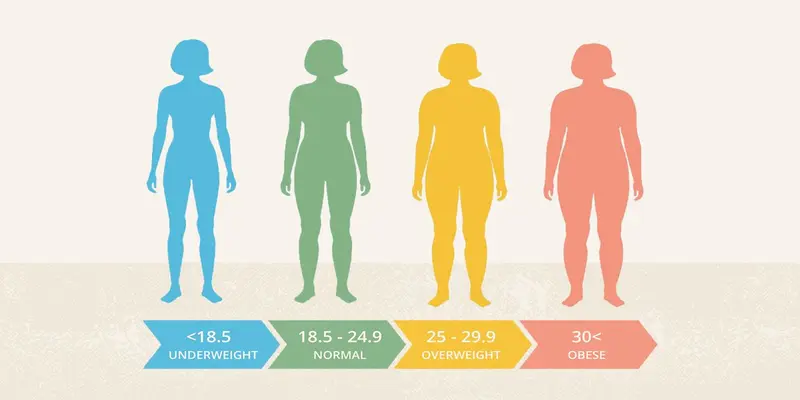

The DWTS Workout Lindsay Arnold Used to Compete for 10 Seasons

The DWTS Workout Lindsay Arnold Used to Compete for 10 Seasons

FitnessTheDWTSWorkout Lindsay Arnold Used to Compete for 10 SeasonsHow the pro dancer prepped to pull off those intense numbers.By Caroline TienNovember 25, 2025Ambit CreativeSave StorySave this storySave StorySave this storyAnyone plugged intoDancing With the Starsknows the name Lindsay Arnold. Arnold, who joined the cast in 2013 at the age of 19—becoming one of the youngestDWTSpros ever—announced in 2022 that she was leaving the show to focus on her growing family. Today, she shares five-year-old daughter, Sage, and two-year-old daughter, June, with her husband, Sam Cusick, and runs The Movement Club, an online fitness platform she equates to a third child.Launched in 2020, the Movement Club offers more than 300 30-minute-or-less workout classes spanning barre, Pilates, dance cardio, resistance band training, and high-intensity interval training (HIIT)—including a newDWTS-inspired boot camp series featuring fellow pro (and Arnold’s childhood best friend) Jenna Johnson. “Obviously, people know that we were onDancing With the Starstogether, but they probably don’t know that we literally went to kindergarten together and grew up dancing together,” Arnold says. “We even talk about this in the [boot camp] videos…but it was so fun to go back to our roots.” (Johnson still competes on the show, though she and her celebrity partner, Corey Feldman, were eliminated in the second week of season 34 this September.)To learn more about howDWTSpros train, SELF asked Arnold how she worked out during her time on the show—plus how her routine has changed now that she’s a business owner and mom of two. Here’s the lowdown.SELF Healthy EatingGet nutrition tips, delicious recipes, and inspo for your grocery list delivered to your inbox just in time for your weekly meal prep.SIGN UPBy signing up, you agree to our user agreement (including class action waiver and arbitration provisions), and acknowledge our privacy policy.How Arnold worked out to get inDWTSshapeFor most of us, working out probably falls somewhere on the spectrum between hobby and healthy habit. But forDWTSpros—athletes, really—it’s a nonnegotiable. “Your body is literally your tool to do your job, to get things done, to perform, to do everything that you're required to do, so fueling your body properly and making sure you’re resting your body is key,” Arnold says.When Arnold was still competing onDWTS, she started every day with a balanced breakfast, centering food “that’s going to give you long-lasting energy throughout the day,” she says. Next, she’d spend 30 minutes stretching to loosen up her muscles. Then it was straight into rehearsals: 10 to 12 hours of dancing. Her training regimen varied based on the style of dance scheduled for the competition that week. “If it’s a jive, you're getting straight cardio,” Arnold explains. “If it’s a slower dance, but you’re in frame, then you’re getting a lot of upper-body work.” Other than rehearsals, Arnold didn’t really do any other kind of workout in-season: “When you’re on the show, there’s no time for anything else,” she says.That would always change when Arnold would head out on tour. (Most years, once the season wraps up, the cast performs in dozens of cities across the country.) Long stretches on the road meant she wasn’t rehearsing as much, so she’d find new ways to stay conditioned. After waking up on the tour bus each morning, she would google the closest gym and head over to squeeze in a sweat sesh: 30 minutes of cardio on a Peloton, treadmill, or stair stepper followed by a 30-minute floor workout. Describing herself as “someone who doesn’t like to stick with the same type of movement,” Arnold says she tended to alternate between Pilates, weight lifting, and HIIT. Besides, variety can instigate more effective workouts: “If you just do the same routine over and over and over and over again, it eventually kind of loses its effect and your body gets used to it, so challenging yourself and switching up what you're doing is so important,” she explains.Regardless of her workout, Arnold always made a point to prioritize one particular muscle group: the core. While many people want to strengthen their core for aesthetic reasons, she says, the functional benefits are far more significant—not only for dancing, but also for pretty much every other type of movement. “Everything moves from the core, and having a strong base is going to help you with so many other things,” Arnold says. In fact, her new boot camp series features an entire segment dedicated to Johnson’s go-to core workout: “It's stunning, especially considering she had a baby,” Arnold says. (Johnson gave birth to her son, Rome Valentin, in 2023.)Once Arnold finished up in the gym, she would head back to the bus until the night’s performance, which provided another “two to three hours of straight cardio.” It was just “Go, go, go, go, go,” she says.Arnold’s pregnancy and postpartum workout routine“Getting pregnant changed everything—literally everything—in my life in such a beautiful way. But at first, it was very, very, very scary,” she says. Growing a baby takes a toll on anyone, but when your career and livelihood depend on your capacity for physical movement, it can become an even more daunting prospect. “This lifestyle that I knew—the way I moved my body, the way I expressed myself—was just drastically changing, and I was really terrified,” Arnold says.Most PopularLife‘Wicked’ Forced Me to Have a Conversation I Hoped My Daughters Could AvoidBy Jessica ShybaHealthThe One Thing That Reliably Kills Norovirus and How to Keep it From Spreading in Your HomeBy Erica SloanRelationships5 Ways to Feel Less Lonely During the HolidaysBy Hannah SmothersTo accommodate those changes, Arnold’s workout routine had to evolve. When she was touring before motherhood, for example, “I’d go to the gym and I’d be there as long as I wanted. I’d literally sometimes be there for two hours. Was I working hard for all of those two hours? Probably not. But I had all the time in the world,” she says. Not so much when her first daughter was born. Once that happened, “I realized,Okay, if I want to get some time in, I gotta be efficient and quick.”These days, Arnold is in bed by 10 p.m. and wakes up when her alarm goes off at 5:45 a.m., before her daughters wake up. She strives for approximately eight hours of shut-eye. “One of the biggest things that has been a game-changer for me is putting my phone away 30 minutes before I want to fall asleep. Not touching it, not looking at it, not thinking about it,” she says. Otherwise, “your mind is being activated in a way where it’s going to be harder to settle it down after,” whether you’re casually doomscrolling or responding to work emails. Nutrition-wise, she doesn’t believe in strict diets, but she does try to adhere to a protein goal: at least 20 grams at each meal.By 6 a.m., Arnold is in her basement home gym starting her workout. For her warmup, “I’ll either walk on an incline for 30 minutes or do my Peloton class for 30 minutes,” she says. “I always like to do that. It helps me wake up, and it gets my heart pumping a little bit.” From there, she progresses right into a Movement Club class (or tests a new one she’s planning to film for the platform). “People don’t believe me when I say I literally do my own workouts every day,” she says. Depending on when she calculates her daughters will wake up, she’ll either do a shorter, 15-minute session or a longer, 30-minute one. Finally, to wind down, she’ll head into the backyard for a 15-minute sauna session followed by a two-minute cold plunge.Most PopularLife‘Wicked’ Forced Me to Have a Conversation I Hoped My Daughters Could AvoidBy Jessica ShybaHealthThe One Thing That Reliably Kills Norovirus and How to Keep it From Spreading in Your HomeBy Erica SloanRelationships5 Ways to Feel Less Lonely During the HolidaysBy Hannah SmothersStarting each day off with this process “has literally been life-changing for me,” Arnold says. (Though she notes she of course takes rest days.) “Especially since becoming a mom. I’ve found that making time for myself consistently—whether it’s five minutes to an hour, whatever it is—drastically changes my day.” Parenting is chaotic, and nothing is the same from one hour to the next, so her morning workout helps ground her to confront whatever challenges come down the line: “That’s kind of how I can take control of my day,” she says.Marrying motherhood and movement in this way has also had another, less predictable benefit: boosting Arnold’s confidence in her body. When Arnold started having kids, she figured that her best days were behind her as far as fitness. “I really thought that it just kind of declined from there,” she says. But contrary to her expectations, that hasn't been the case. Instead, she has found motherhood to be a newfound source of strength, confidence, and pride in her physical abilities: “I genuinely feel even better now than I did when I would say I was in my ‘prime.’”Related:Jen Affleck Is on ‘Dancing With the Stars’ Just 2 Months Postpartum—and Pelvic Floor PTs Have ThoughtsHow the Radio City Rockettes Prepare to Dance 90-Minute Shows All Holiday Season LongHow Tiler Peck Learned to Trust Her Gut—And Recover From a Career-Threatening Neck Injury

The Best Trampoline Rebounders for Low-Impact Cardio Workouts at Home

The Best Trampoline Rebounders for Low-Impact Cardio Workouts at Home

FitnessThe Best Trampoline Rebounders for Low-Impact Cardio Workouts at HomeJump on it.By Jordan GallowayJuly 15, 2025Courtesy of the brands / Gabrielle LangdonSave StorySave this storySave StorySave this storyAll products featured on Self are independently selected by our editors. However, we may receive compensation from retailers and/or from purchases of products through these links.There’s something undeniably joyful about bouncing. But make no mistake: Trampoline workouts aren’t just child’s play. The best rebounder trampolines have become a favorite among fitness pros and physical therapists for low-impact cardio that’s surprisingly effective.“It’s a full-body activation that supports longevity—and it feels good while you’re doing it,” Colette Dong, founder of The Ness, a dance-based fitness studio in New York City that offers cardio workouts on and off a trampoline, tells SELF. Rebounding can support your cardiovascular endurance, lymphatic drainage, pelvic floor engagement, and even joint health, adds physical therapist Natalie Bravo, DPT.Ready to get started? We tracked down the best trampolines around—shop our favorites below.Our top picksBest Studio-Quality Rebounder:JumpSport 350 Fitness Trampoline, $379$296Best Quiet:Fit Bounce Pro II, $495Best Splurge:Bellicon Fitness Trampoline, $749Most Supportive Option for Bigger Bodies:Darchen Mini Fitness Trampoline, $100Best Budget Pick:BCAN Foldable Mini Trampoline, $170$110In this articleAccordionItemContainerButtonLargeChevronShop the best rebounder trampolinesWhat to consider when choosing a rebounder trampolineHow we picked these trampolinesFrequently asked questionsShop the best rebounder trampolinesBest Studio-Quality Rebounder: JumpSport 350 Fitness TrampolineJumpSport350 Fitness Trampoline$379$322(15% off)AmazonThe same model used at Dong’s studio, the ness, the JumpSport 350 is built to handle anything you throw at it. Dong says her team loves its high-quality feel: “They offer a smoother bounce and are easier on the joints,” she says. “We love how durable and supportive they are.”I’ve also used this model at home for the past five years, through dozens of workouts and countless midday movement breaks. Even after being stored in cramped NYC spaces (like a basement and a bathtub), it still looks and performs like new. The cords have never needed replacing, the mat hasn’t sagged, and the frame doesn’t squeak—even during more intense workouts.Unlike cheaper rebounders that can feel stiff or unpredictable, this one stays sturdy and responsive. The bounce always feels safe and controlled. Its adjustable cords allow for subtle resistance changes, and the arched legs keep everything steady. While it’s not foldable, at 21 pounds, it’s easy to lift and move, and it has held up incredibly well over time.Pros & ConsAccordionItemContainerButtonLargeChevronProsConsSmooth bounceOne of our pricier picksQuietNot foldableDurableProduct specsAccordionItemContainerButtonLargeChevronDimensions:39 x 39 x 12.5 inches |Weight capacity:265 poundsBest Quiet: Fit Bounce Pro IIMXLFIT Bounce Pro II$500AmazonIf you’re looking for a rebounder that can go from box to bounce in seconds, this is it. The Fit Bounce Pro II arrives fully assembled, folds up easily for storage, and comes with a detachable handlebar for added stability. Its bungee suspension system makes for a quiet, forgiving bounce, which is especially helpful if you live in an apartment, have roommates, or don’t want to disturb the rest of your household.The included handle also makes it a solid option for beginners or those easing back into exercise. While you can’t adjust the tension on the cords, most reviewers find the default setup versatile enough for both cardio and light strength work. Plus, the larger mat gives you more surface area to move, which is key for lateral (side-to-side) exercises or choreographed routines.Pros & ConsAccordionItemContainerButtonLargeChevronProsConsQuietBulky when foldedNo setup—arrives fully assembledTension isn’t adjustableOptional handlebar for stabilityProduct specsAccordionItemContainerButtonLargeChevronDimensions:40 x 40 x 10 inches |Weight capacity:330 poundsBest Splurge: Bellicon Fitness TrampolineBelliconFitness Trampoline$639AmazonBellicon is known for its premium materials and ultra-smooth suspension. What sets this trampoline apart is the ability to customize bungee resistance levels when you order, so you can choose a firmer or deeper bounce depending on your body type or workout style.While it’s a bigger investment than most, the build quality is exceptional. If you want the feel of a studio rebounder and the ability to tweak performance features, this one checks every box.Pros & ConsAccordionItemContainerButtonLargeChevronProsConsCustomizable tensionLarge footprintSmooth bounceExtra sturdyProduct specsAccordionItemContainerButtonLargeChevronDimensions:39 x 39 x 14, 44 x 44 x 14, or 49 x 49 x 14 inches |Weight capacity:320 poundsMost Supportive Option for Bigger Bodies: Darchen Mini Fitness TrampolineDarchenMini Fitness Trampoline$87AmazonWith a 400-pound weight capacity and a sturdy, bungee-based construction, this rebounder stands out for offering more support and stability than many similarly priced models. It arrives fully assembled and uses thick cords to create a quiet, joint-friendly bounce that works well for low-impact cardio.SELF Healthy EatingGet nutrition tips, delicious recipes, and inspo for your grocery list delivered to your inbox just in time for your weekly meal prep.SIGN UPBy signing up, you agree to our user agreement (including class action waiver and arbitration provisions), and acknowledge our privacy policy.This is a great pick for people who want a straightforward, dependable trampoline without a lot of extra setup or bulk. While it doesn't fold or offer adjustable tension, the build quality is solid, and the bounce feels smooth and grounded. Looking for a rebounder that’s strong, supportive, and accessible—especially for larger bodies? We recommend this one.Pros & ConsAccordionItemContainerButtonLargeChevronProsConsHigh weight capacityNot foldableQuiet bounceTension isn’t adjustableNo assembly requiredProduct specsAccordionItemContainerButtonLargeChevronDimensions:40 x 40 x 10 inches |Weight capacity:400 poundsBest Budget Pick: BCAN Foldable Mini TrampolineBCANFoldable Mini Trampoline$150$110(27% off)AmazonIf you’re just getting started with rebounding and want something compact and easy to use (that doesn’t cost a small fortune), here’s a smart entry point. It has high-quality bungees instead of springs, which makes the bounce quieter and a little more forgiving than you might expect at this price point. The included handlebar is height-adjustable and adds confidence, especially for new users or anyone working on their balance.Most PopularLife‘Wicked’ Forced Me to Have a Conversation I Hoped My Daughters Could AvoidBy Jessica ShybaHealthThe One Thing That Reliably Kills Norovirus and How to Keep it From Spreading in Your HomeBy Erica SloanRelationships5 Ways to Feel Less Lonely During the HolidaysBy Hannah SmothersFor beginners, Bravo recommends starting with short sessions and using a handle for support while your body adapts. You can increase the length of your workouts over time, she says. This model makes that transition easy, with a stable frame and a simple fold-up design that stores under a bed or couch. While the bounce is firmer than more expensive models and the frame may creak a bit with higher-impact moves, it’s one of the most supportive options on our list (thanks to its 450-pound weight capacity).Pros & ConsAccordionItemContainerButtonLargeChevronProsConsFoldableTension isn’t adjustableIncludes handle for stabilityFrame may creakLarger mat size availableHigh weight capacityProduct specsAccordionItemContainerButtonLargeChevronDimensions:40 x 40 inches with 60-inch tall handlebar, 15 x 30 inches when folded |Weight capacity:450 poundsWhat to consider when choosing a rebounder trampolineWhether you’re after joint-friendly cardio or a fun way to stay active, here’s what to keep in mind as you shop, according to our experts.Bungee cords vs. springsAccordionItemContainerButtonLargeChevronMost rebounders use either bungee cords or steel springs to generate bounce. Dong recommends opting for bungees whenever possible. “They offer a quieter, smoother bounce and are easier on the joints,” she says. Springs tend to feel firmer and may produce more impact and noise, which could be less comfortable for people with joint sensitivity or recovering from an injury.SizeAccordionItemContainerButtonLargeChevronMost rebounders range in diameter from about 36 to 55 inches. A smaller model might be more convenient if you’re short on space or want something portable, but a larger surface area gives you more freedom to move.Stability and supportAccordionItemContainerButtonLargeChevronIf you're new to rebounding or working with balance challenges, stability features can make a big difference. Bravo recommends starting with a handlebar attachment to improve control and safety. Dong adds that “a non-slip surface, protective skirt, and frame height that matches your workout style also make a big difference, especially if you're following a structured program that is athletic.”HeightAccordionItemContainerButtonLargeChevronSome rebounders sit lower to the ground, while others are more elevated. A lower frame can feel easier to mount and more secure for beginners. Higher rebounders may offer more bounce depth, but that can also mean a steeper learning curve. Consider your mobility and comfort level when comparing options.Weight capacityAccordionItemContainerButtonLargeChevronMany models support between 200 and 350 pounds. If you’re planning on daily use or want a trampoline that can accommodate multiple users, look for one with a higher weight capacity and a durable build. Dong recommends checking this spec, along with frame strength and mat tension, to make sure your rebounder holds up over time.Noise levelAccordionItemContainerButtonLargeChevronIf you're planning to use your rebounder in a shared space—especially early in the morning or late at night—noise level matters. Bungee-based models are typically much quieter than those that use springs, which makes them a better fit for apartment living. A solid frame and well-calibrated tension system can also help cut down on creaking and wear over time.How we picked these rebounder trampolinesTo figure out which rebounders are actually worth your time (and money), we consulted Dong and Bravo. They weighed in on what really matters when it comes to design, safety, and performance. I also drew from personal experience. I’ve used rebounders regularly for the past five years. That consistent use helped me zero in on details that make a real difference over time, like how much give the mat has or how quiet the frame is during use.Most PopularLife‘Wicked’ Forced Me to Have a Conversation I Hoped My Daughters Could AvoidBy Jessica ShybaHealthThe One Thing That Reliably Kills Norovirus and How to Keep it From Spreading in Your HomeBy Erica SloanRelationships5 Ways to Feel Less Lonely During the HolidaysBy Hannah SmothersWe also factored in customer reviews, brand reputation, and product ratings to create our final list of top picks.Frequently asked questionsAre mini trampolines an effective form of cardio?AccordionItemContainerButtonLargeChevronYes: Rebounding offers a surprisingly efficient cardiovascular workout that’s low-impact and easy on your joints. According to Bravo, it has many of the same benefits as brisk walking, especially when done consistently. Regular rebounding may also improve circulation, lymphatic drainage, and endurance, all while reducing stress on your knees, hips, and back, she says. For even more of a challenge, look for structured rebounder workouts that include intervals or choreographed movement.Who should not use a rebounder?AccordionItemContainerButtonLargeChevronBravo notes that anyone with vestibular disorders (inner ear or brain conditions that affect balance and spatial orientation, like vertigo), balance issues, or recent joint surgeries should approach rebounding with caution. People with pelvic floor dysfunction, including prolapse or incontinence, may also want to consult a physical therapist before jumping in, especially if those muscles haven’t yet been rehabbed or strengthened.If you're dealing with osteoporosis, tendon issues, or chronic instability, rebounding may not be the right fit. In these cases, a physical therapist can help determine whether it's safe to include in your routine, and how to modify it if needed.Can rebounding help with lymphatic drainage?AccordionItemContainerButtonLargeChevronYes—to an extent. Rebounding is often praised for its ability to stimulate lymph flow, which can support immune function and reduce swelling in some people. While more research is needed, Bravo notes that light, rhythmic movement—like bouncing—may be helpful for those with mild to moderate lymphatic concerns who can still move their limbs freely.Do I need a handlebar?AccordionItemContainerButtonLargeChevronNot necessarily, but it can help. If you’re new to rebounding, have balance concerns, or are recovering from an injury, a handlebar can offer extra stability while you get used to the movement. Bravo often recommends them for older adults or anyone easing into this form of exercise. Just make sure the handle is adjustable and securely attached to the trampoline’s frame.Related:The Best Vibration Plates to Try in 2025Our Favorite Fitness Trackers for However You Like to MoveThe Best Ankle Weights and How to Get the Most Out of ThemGet more ofSELF’sstellar product recommendations delivered right to your inbox (for free!).
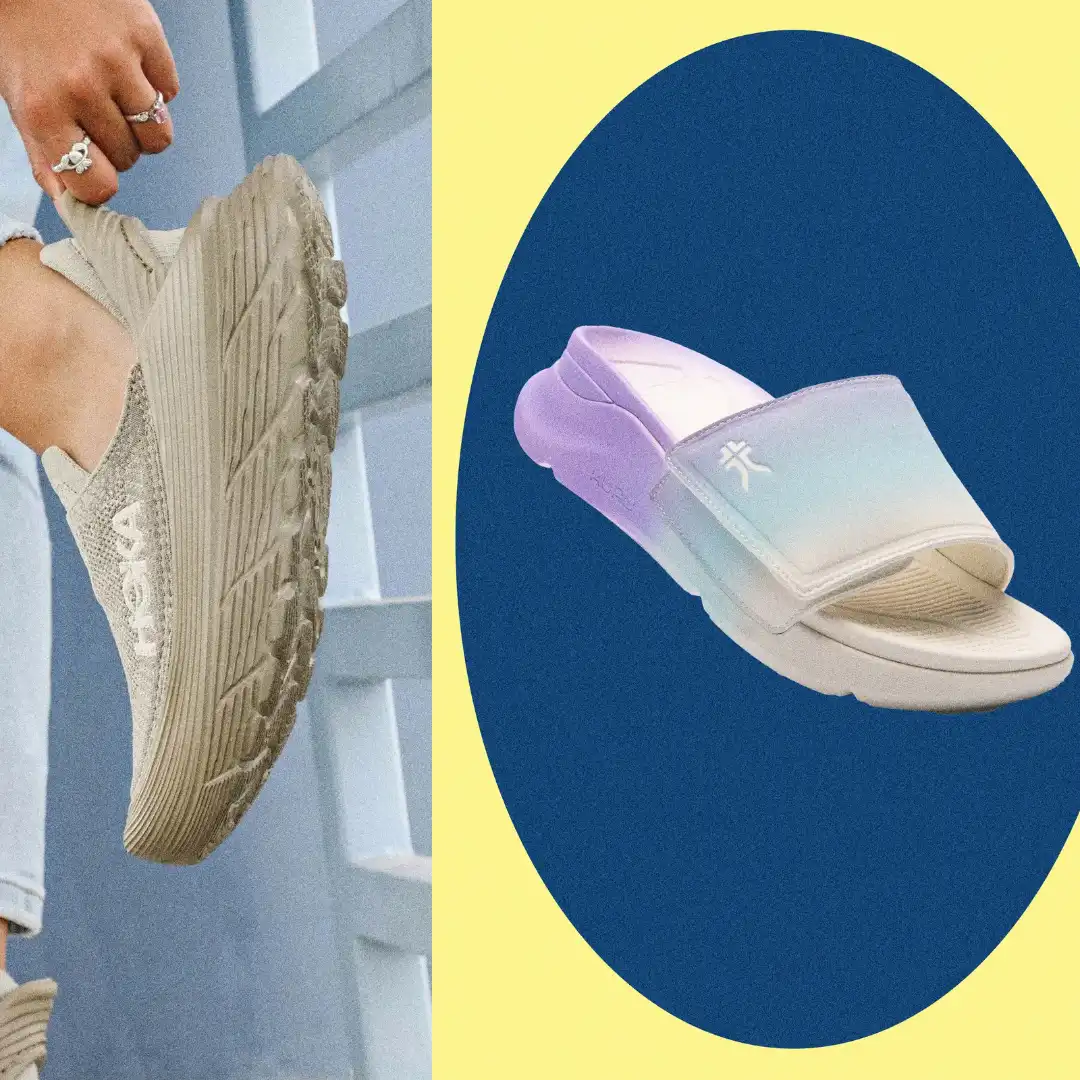
That Bottle of Coconut Water Isn’t Doing as Much as You Think to Rehydrate You

That Bottle of Coconut Water Isn’t Doing as Much as You Think to Rehydrate You

NutritionCoconut Water Isn’t Hydrating You as Much as You ThinkAfter a tough workout, take it with a grain of salt—literally.By Caroline TienAugust 15, 2025Westend61/Getty ImagesSave StorySave this storySave StorySave this storyAll products featured on Self are independently selected by our editors. However, we may receive compensation from retailers and/or from purchases of products through these links.After wrapping up an intense workout, you might turn to coconut water as your beverage of choice, figuring the added nutrients—specifically, its electrolytes—will help you rehydrate faster and better than regular H2O.It’s true that, unlike regular water, coconut water naturallydoescontain sodium, potassium, magnesium, and other kinds of these charged minerals, all of which can help your body balance fluids more efficiently and thus accelerate your return to hydration baseline after a tough exercise session or another strenuous activity. For this reason, it’s earned a reputation as one of the best post-workout drinks out there. But Anthea Levi, MS, RD, CDN, a Brooklyn-based health writer and founder of Alive+Well Nutrition, tells SELF that it’s not totally deserving. In fact, she says, it’s a myth that “coconut water is a great source of electrolytes.”Basically, the issue boils down to the fact that coconut water doesn’t offer a well-rounded electrolyte mix, according to Levi. “While coconut waterdoessupply potassium, it’s not rich in sodium,” in contrast to alternatives like sports drinks and electrolyte supplements, she says. Per Ohio State University, a cup of store-bought coconut water contains 470 milligrams (mg) of potassium and 30 mg of sodium—more of the former than most athletes need, but significantly less of the latter.And that’s a problem, since sodium is actually the main electrolyte lost in sweat. Like a biological magnet, according to Loma Linda University, it helps water pass in and out of your cells properly, promoting water absorption, preventing dehydration, and supporting essential bodily functions—so it’s important to have enough.Because of this sodium shortage, coconut water is pretty limited in its ability to replenish depleted stores of that important electrolyte. That, in turn, hurts its ability to boost overall recovery—so treating it as a one-stop shop for post-workout electrolyte replacement would be a mistake. Of course, it’ll stillhelp, but it’s not the miracle cure for dehydration commonly believed to be.Thankfully, if you love your post-workout coconut water, there’s an easy way to boost its hydrating benefits: doctor-up your bottle. By adding a pinch of sodium-rich table salt to your coconut water, you can easily introduce some of that lacking mineral, according to Levi. Or for a more flavorful blend, try combining two cups of cold water, one cup of coconut water, one cup of fruit juice, and an eighth of a teaspoon of salt, according to the University of Texas MD Anderson Cancer Center.That said, don’t worry if you’re not digging a DIY solution: “Otherwise, opt for something with more sodium” right out of the gate, Levi says. Between all the electrolyte-packed products on the market, you have plenty of commercial options—Gatorade, Gatorade Thirst Quencher packets, Pedialyte, Liquid IV, LMNT, and many, many more.SELF Healthy EatingGet nutrition tips, delicious recipes, and inspo for your grocery list delivered to your inbox just in time for your weekly meal prep.SIGN UPBy signing up, you agree to our user agreement (including class action waiver and arbitration provisions), and acknowledge our privacy policy.Compared to plain coconut water, for example, a 20-ounce bottle of Gatorade contains 490 mg of sodium, not to mention 350 mg of potassium, along with other electrolytes like chloride, magnesium, and calcium. Decided to opt for the powdered stuff instead? One packet (a single serving) of Thirst Quencher contains 230 mg of sodium and 70 mg of potassium.What’s more: These types of items are also rich in carbohydrates, which aid in electrolyte absorption (andexercise recovery). By comparison, coconut water is pretty meager on the carb front.Before we let you go, a word of advice before you start packing on the Powerade: Take a moment to consider whether you really need the extra electrolytes. Generally, experts don’t recommend them if your body isn’t under a ton of strain (whether because of exercise, extreme heat, or illness), since you likely aren’t losing them in your day-to-day life at a rate high enough to warrant replenishment—so investing in a supplemental source might not even be necessary. And if you’re not sure if your activity fits the bill? Here’s how to tell if you should supplement with electrolytes post-workout.Related:12 Hydration Mistakes Leaving You Parched, According to ExpertsThe 22 Best Water Bottles for Staying Hydrated Whenever, WhereverHere’s Exactly How Much Water You Should Drink Every DayGet more of SELF’s great service journalism delivered right to your inbox.

We Cracked the Code to Looking Chic on the Golf Course

We Cracked the Code to Looking Chic on the Golf Course

FitnessThe Best Golf Clothes for Women: Look Chic, Play Better, Feel GreatSometimes, all you need is the right inspo (thanks, Nicole Kidman!).By Jessica KasparianJuly 31, 2025Courtesy of brands / Gabrielle LangdonSave StorySave this storySave StorySave this storyAll products featured on Self are independently selected by our editors. However, we may receive compensation from retailers and/or from purchases of products through these links.You might not think of golf as a high-fashion sport, but we’re hoping to change your mind. The best golf clothes for women are as stylish as they are functional—because you don’t want your shirt getting in the way of your swing, or your skirt riding up while you’re on the green.We asked SELF editors and golfers for the activewear that helps them play their best for all 18 holes. Then, we took some style inspo from pros and celebs who know a thing or two about how to dress for the sport. All you have to do is hit “add to cart.”SELF Healthy EatingGet nutrition tips, delicious recipes, and inspo for your grocery list delivered to your inbox just in time for your weekly meal prep.SIGN UPBy signing up, you agree to our user agreement (including class action waiver and arbitration provisions), and acknowledge our privacy policy.Our top picksLululemon Define Jacket Nulu, $128Nike by TOGETHXR Cap Everyone Watches Women's Sports, $35Alo Grand Slam Tennis Skirt, $88On Cloudsurfer 2, $160Adidas Samba Spikeless Golf Shoe, $120Fresh in all whitePower Sport Images/Getty ImagesLululemonDefine Jacket Nulu$128LululemonAloGrand Slam Tennis Skirt$88AloNikeEveryone Watches Women's Sports$35NikeChevronChevronDotsDotsDotsNikeInfinity G NN$75NikeWhen she’s not starring in the most streamable TV shows ever, Nicole Kidman can be found on the golf course. Her outfits strike the perfect balance of casual and cute—and this monochrome moment is easy to recreate. First, grab Lululemon’s Define Jacket. It’s made with the brand’s stretchy, sweat-wicking Nulu fabric, so you can take that big swing with ease.Next, you need a pleated skirt. SELF’s lifestyle writer, Jenna Ryu, has the perfect pick: Alo’sGrand Slam Tennis Skirt. “It looks so chic while being practical,” she says. “I usually hate built-in shorts—they’re too tight and kind of uncomfortable—but the material of these is so buttery soft.”Nike by TOGETHXR’s Cap will shield your eyes from the sun while reminding your fellow players and caddies that “everyone watches women’s sports.” Nike’s Infinity G NN golf shoes look super similar to Nicole’s, and we like that they come in regular, wide, and extra-wide sizes to help you find the perfect fit. They’re inspired by a running shoe, but designed for the green—their spiky outsole has great traction in wet weather.Pop of pinkRoss Kinnaird/Getty ImagesOld NavyExtra High-Waisted CloudComfy Skort$30$18(40% off)Old NavyAthletaMomentum Seamless Tank$49AthletaChevronChevronDotsDotsDotsOnCloudsurfer 2$160Revolve$160REI$160OnJBLClip 4$81AmazonPro golfer Michelle Wie keeps her uniform simple, with a bright pop of color that’ll stand out at the driving range. You’ll need a great skort—SELF’s manager of creative development, Lauren Alberti, swears by this Old Navy pick. “I've been loving this skort because of its versatility. I've worn it to the office, out around the city, and on my hot girl walks,” she says. “The fact that it's a skort just adds to how comfortable it is: avoiding chub rub and protecting against sudden gusts of wind. Plus, it’s cute and goes with anything.” Throw that on with Athleta’s Momentum Seamless Tank in a bold hue, and you’ve got a whole ‘fit.Now, add Ryu’s favorite sneakers: On’s Cloudsurfer 2. “For me, comfort is key. I don't want anything too cushiony where I feel off balance, and I love this pair,” she says. “They’re super breathable, which is great for HOT days.”Erica Malbon, founder of golf activewear brand Malbon, shares a few accessories you might want to have on you: “My key items are sunscreen, my JBL clip speaker, and lots of golf balls!” she says.Preppy vibesVCG/Getty ImagesAthletaEndless High Rise Tight$109AthletaLululemonQuick-Dry Short-Sleeve Polo Shirt$78LululemonOld NavySoSoft Cropped Cardigan Sweater$37$22(41% off)Old NavyJ.McLaughlinGolf Tee Socks$24J.McLaughlinChevronChevronDotsDotsDotsAdidasTech Response SL 3 Golf Shoes$70Amazon$70AdidasYou could also bump into Jessica Alba on the back nine. We’re very into her layered look here (ideal for chillier mornings).Most PopularLife‘Wicked’ Forced Me to Have a Conversation I Hoped My Daughters Could AvoidBy Jessica ShybaFoodThe 7 Best Foods to Fight InflammationBy Caroline TienCold and FluThis Year’s Flu Is Different. Doctors Explain the SymptomsBy Korin MillerTo steal it, go for Athleta’s Endless High Rise Tight—they’re stretchy, soft, and have two zippered side pockets (plus back pockets for little things like keys or cards). Pair them with Lululemon’s Short-Sleeve Polo Shirt, which wicks sweat away and dries quickly, so you’ll still feel fresh by the 18th hole. Then, throw Old Navy’s SoSoft Cropped Cardigan Sweater over your shoulders.SELF’s director of audience development, Lexi Herrick, also recommends picking up her favorite kicks, Adidas’ Tech Response SL 3, before you check out. “I’m obsessed with these golf cleats. Even if my swing is a little questionable, at least my shoes are solid,” she says. “These are lightweight, comfy, and make me look like I know what I’m doing on the course.” Take a page out of Jessica’s playbook and wear them with J.McLaughlin’s cute Golf Tee Socks.Simple and chicDouglas P. DeFelice/Getty ImagesColumbiaAll Seasons Ruched Skort$50$38(24% off)ColumbiaVapor ApparelWomen’s UPF 50+ UV Sun Protection Long Sleeve$28AmazonFP MovementJumpshot Scrunchie$18Free PeopleChevronChevronDotsDotsDotsAdidasSamba Spikeless Golf Shoe$120Adidas$120MalbonInspired by pro golfer Nelly Korda’s outfit, I recommend you grab Columbia’s All Seasons Ruched Skort in bright blue. I’ve had this skort for years, and I always get compliments when I wear it. The built-in shorts are stretchy and supportive, and the outer skirt material feels super lightweight. The ruching on the sides is such a cute detail—and I love that it has pockets.Most PopularLife‘Wicked’ Forced Me to Have a Conversation I Hoped My Daughters Could AvoidBy Jessica ShybaFoodThe 7 Best Foods to Fight InflammationBy Caroline TienCold and FluThis Year’s Flu Is Different. Doctors Explain the SymptomsBy Korin MillerOn top, wear Vapor Apparel’s Long Sleeve—it’s exactly what you need to recreate Korda’s look and protect your skin from the sun’s UV rays. Throw your hair into a high bun like Korda’s and top it off with one of FP Movement’s Jumpshot Scrunchies.For sneaks, Malbon recommends Adidas’s Samba Spikeless Golf Shoe: “I like classic styles that I can wear with several different outfits,” she says. Sambas definitely check that box, and these are made for grass or turf, with a textured rubber outsole that grips the ground.How we chose the best golf clothes for womenTo find activewear that’s comfy for long days on the green, we consulted golfers—including SELF editors. We learned that there’s no right way to dress. You can wear pants, skirts, tank tops, long-sleeve shirts, or whatever floats your boat (unless the course you’re playing at has certain rules around attire). We combined recs from the pros with our years of testing athleisure and sneakers to build our final list.Related:These Cute Tennis Outfits Will Turn Heads on the CourtHere’s How to Actually Clean Your Sweaty, Stinky Workout ClothesThe Best On Cloud Shoes, According to PodiatristsGet more ofSELF’sstellar product recommendations delivered right to your inbox (for free!).
Send Cranky, Tired Feet Packing With the Best Hiking Socks

Send Cranky, Tired Feet Packing With the Best Hiking Socks

FitnessSend Cranky, Tired Feet Packing With the Best Hiking SocksHappy trails.By Sara CoughlinJuly 7, 2025Courtesy of the brands / Gabrielle LangdonSave StorySave this storySave StorySave this storyAll products featured on Self are independently selected by our editors. However, we may receive compensation from retailers and/or from purchases of products through these links.It only takes one outdoor jaunt in crappy footwear to know that the best hiking socks are worth the investment. They tend to cost a little more per pair than, say, a value pack of regular athletic socks—but they can save your feet from fatigue, blisters, hot spots, and excess sweat. They’re designed to hold up after lots of miles and even stay fresh if you go a few days without access to a dryer. Oh, and the best pairs of the bunch are also plain old comfy (and cute, in a gorpcore kind of way).If you’re gearing up for an outdoor adventure or just need some new pieces to wear on your local trails, you’ve come to the right (camp) site. We talked to experts and SELF staffers, then looked through past SELF Outdoor Award winners to find great hiking socks to add to your rotation.Our top picksBest Overall:Smartwool Hike Crew Socks, $25Best for Cold Weather:Darn Tough Hiker Boot Midweight Hiking Sock, $28Best for Cushioning:Hikerkind Trail Sock 01, $24Best for Sweaty Feet:Farm to Feet Modern Socks, $24Best for Trail Running:Swiftwick Flite XT Trail Quarter Crew, $24Cutest:Darn Tough Critter Club Lightweight Micro Crew Socks, $24Best for Blister Prevention:Injinji Outdoor Midweight Crew Wool, $23In this articleAccordionItemContainerButtonLargeChevronShop the best hiking socksWhat should you look for when choosing hiking socks?Shop the best hiking socksTreat your toes on your next trek.Best Overall:Smartwool Hike Crew SocksSmartwoolHike Crew Socks$25Amazon$25REI$25$15(40% off)SmartwoolIf you’ve ever shopped for hiking socks, you’ve probably scrolled through dozens of Smartwool styles. Well, there’s a reason they’re everywhere: They’re durable, moisture-wicking, and extremely comfortable.“My Smartwool socks have stood the test of time (and sweat),” one SELF staffer says. “The light cushioning is key, especially if you’re breaking in a new pair of hiking shoes. I even wear these off-trail with Birkenstocks—they're functional and cute.” They’ve worn their Smartwool lightweight hiking socks through both summer and winter with zero complaints, noting that the socks’ mesh zones help keep air flowing without letting the chill in.For more targeted cushioning (and some retro-chic-outdoorsperson vibes), consider Smartwool’s iconic Classic Hike line. My boyfriend has had the same three or four pairs for years, and they barely show signs of wear.Pros & ConsAccordionItemContainerButtonLargeChevronProsConsWick away moistureSome may find the seamed toe box distractingWithstand lots of useSuitable for both winter and summer hikesProduct specsAccordionItemContainerButtonLargeChevronSizes:S (US 4–6.5) to XL (US 13–15.5) |Materials:Merino wool, nylon, recycled nylon, elastaneBest for Cold Weather:Darn Tough Hiker Boot Midweight Hiking SockDarn ToughHiker Boot Midweight Hiking Sock$28Amazon$30REI$28Darn ToughThe exact pair of Darn Tough socks I break out every winter have sadly been discontinued (which I’d say is a testament to their durability). That said, this midweight pair is the next best thing to my old reliables. They’re thick but not bulky, and have a decent amount of stretch. The boot length of the sock’s shaft adds a little extra coverage that comes in handy in low temps.Made with thru-hikers and backpackers in mind, these socks were designed for long-distance comfort. They have reinforced cushioning along the Achilles tendon and ankle, plus a smooth, seamless toe.Pros & ConsAccordionItemContainerButtonLargeChevronProsConsExtremely durableMay feel too long in mild weatherWarmSeamless toeProduct specsAccordionItemContainerButtonLargeChevronSizes:S (US 4.5–7) to L (10–11.5) |Materials:Merino wool, nylon, Lycra spandexBest for Cushioning:Hikerkind Trail Sock 01HikerkindTrail Sock 01$24HikerkindI never thought a pair of hiking socks could make me feel like I’m walking on clouds—until I received the Trail Socks from Hikerkind. Their cushioning runs the length of their footbeds, which feels plush on long days but doesn’t add a ton of unwanted warmth. That’s likely due to the socks’ high Merino wool content (90%). My feet feel cozy and comfy, but never swampy, thanks to the wool’s natural temperature-regulating properties.Bonus: I genuinely think these are some of the cutest socks I own, hiking or otherwise. Their thick cuff, classic olive green color, and subtle piping along the shaft makes me excited to show them off.Pros & ConsAccordionItemContainerButtonLargeChevronProsConsLots of padding underfootBrand recommends hang-dryingReinforced toe and heelOnly comes in one sizeVery breathableProduct specsAccordionItemContainerButtonLargeChevronSizes:One size (US 7–10) |Materials:Merino wool, polyamideBest for Sweaty Feet:Farm to Feet Modern SocksFarm to FeetModern Socks$24AmazonIf you deal with seriously sweaty feet, one SELF staffer recommends her Farm to Feet socks. “They’re super warm and don’t smell after hikes, thanks to the sweat-wicking wool, and they have great cushioning around the heels and toes to protect your feet when moving up and downhill,” she says. “And how cute is the forest scene for a hiking sock?!”A sock that wicks moisture, resists stink, and looks nice while doing it? We’ll take one pair for every day of the week.Pros & ConsAccordionItemContainerButtonLargeChevronProsConsTargeted cushioning around heels and toesBrand recommends laying flat to dryExcellent for managing sweatOdor-resistantProduct specsAccordionItemContainerButtonLargeChevronSizes:S (US 4–6.5) to XL (US 12–14.5) |Materials:Nylon, Merino wool, Lycra spandexBest for Trail Running:Swiftwick Flite XT Trail Quarter CrewSwiftwickFlite XT Trail Quarter Crew$24Amazon$24SwiftwickOutdoor Award–winning brand Swiftwick made its Flite XT wool blend trail socks to go the distance (without slipping down or bunching up along the way). It’s extra protective around the ankle and heel to prevent wear or blisters—even when you’re picking up the pace.Most PopularLife‘Wicked’ Forced Me to Have a Conversation I Hoped My Daughters Could AvoidBy Jessica ShybaHealthThe One Thing That Reliably Kills Norovirus and How to Keep it From Spreading in Your HomeBy Erica SloanRelationships5 Ways to Feel Less Lonely During the HolidaysBy Hannah SmothersThat’s what makes this such a great sock for hikers generally, but trail runners specifically. From ankle to toe, the Flite XTs help you feel stable and locked-in. When you’re tackling challenging terrain at speed, that sense of security (and comfort) is key.Pros & ConsAccordionItemContainerButtonLargeChevronProsConsBreathable—can handle excess moistureThe medium-level compression may feel too tight for someGripWay technology prevents your foot from sliding inside your shoeAvailable in packs of threeProduct specsAccordionItemContainerButtonLargeChevronSizes:US 4.5–7 to 11–13 |Materials:Nylon, Merino wool, Olefin (a synthetic material that’s considered especially sustainable), polyester, spandexCutest:Darn Tough Critter Club Lightweight Micro Crew SocksDarn ToughCritter Club Lightweight Micro Crew Socks$24REI$24$18(25% off)BackcountryYou don’tneedto have good-looking gear to have a great day outside—but, if your socks happen to feature a sweet pair of bunnies or a clever racoon, you just might hit the trail with a little more pep in your step. That’s one of the reasons we love Darn Tough’s Critter Club Socks (and why they'd make a great gift for the hiker in your life). But that’s far from their only selling point.SELF Healthy EatingGet nutrition tips, delicious recipes, and inspo for your grocery list delivered to your inbox just in time for your weekly meal prep.SIGN UPBy signing up, you agree to our user agreement (including class action waiver and arbitration provisions), and acknowledge our privacy policy.In addition to their cute, cuddly designs, these socks have an ultra-smooth, soft feel and all the sweat- and stink-managing properties of Merino wool. Their “micro crew” length is shorter than a standard crew sock—they should just reach above the top of your boot.Pros & ConsAccordionItemContainerButtonLargeChevronProsConsPlayful, cute designs along the ankle shaftMicro crew length doesn’t cover as much as traditional crew and boot socks doAntimicrobialSeamless designProduct specsAccordionItemContainerButtonLargeChevronSizes:S (US 4.5–7) to L (US 10–11.5) |Materials:Nylon, Merino wool, Lycra spandexBest for Blister Prevention:Injinji Outdoor Midweight Crew WoolInjinjiOutdoor Midweight Crew Wool$23Injinji$23BackcountryWinding up with a blisterbetween your toesis so annoying that you might wonder if your hike has been cursed. Sidestep that issue with a good pair of toe socks, like the Outdoor Midweight Crew from expert-approved brand Injinji. They keep your toes from rubbing against each other and better manage sweat that pools between your tootsies, stopping blisters before they can crop up.Most PopularLife‘Wicked’ Forced Me to Have a Conversation I Hoped My Daughters Could AvoidBy Jessica ShybaHealthThe One Thing That Reliably Kills Norovirus and How to Keep it From Spreading in Your HomeBy Erica SloanRelationships5 Ways to Feel Less Lonely During the HolidaysBy Hannah SmothersFor further blister protection, make sure your socks fit snugly (but not too tight!) and don’t have seams that rub against your feet, Maggie Peikon, manager of communications at the American Hiking Society, tells SELF. She also likes double-layer socks: “That extra layer helps reduce the friction between your foot and your boot, which adds an extra level of protection against blisters.” We recommend this pair from Wrightsock.Pros & ConsAccordionItemContainerButtonLargeChevronProsConsDesigned to prevent blisters and chafingBrand recommends line dryingSoft, cushioned footbedMesh panel helps air flow out of the top of the sockProduct specsAccordionItemContainerButtonLargeChevronSizes:S (US 6.5–8.5) to XL (US 13.5+) |Materials:Merino wool, nylon, LycraWhat should you look for when choosing hiking socks?CushioningAccordionItemContainerButtonLargeChevronWhile some hikers pick their cushioning level based on how they prefer their socks to feel, Peikon says you should also consider the weather forecast. Less cushioned socks are better for hot weather, while mid- and heavyweight pairs will provide insulation against the cold.Peikon says it’s also good to take your hike’s length into account. A lightweight sock will feel great on day hikes, but will probably be lacking on longer efforts. If you’re taking on a longer or more intense route, go for medium cushion socks. “The extra padding can provide a degree of shock absorption with each step while you’re carrying a loaded pack,” she explains.Thick, heavily cushioned socks are also great for extended periods outside. Just keep in mind that their chunky design can affect how your hiking boot fits. “It might be wise to test them out on a short stroll, rather than heading straight out for a long day on the trail,” Peikon says.LengthAccordionItemContainerButtonLargeChevronAgain, this is a matter of personal preference. But if you’re not sure which sock height is right for you, think of it as a form of protection against the elements.No-show socks will keep you cool, but won’t keep your ankles safe from scrapes or bugs. Crew socks (the “go-to for most hikers,” as Peikon puts it) are great for moderate protection and work well with mid- and high-cut boots. They’re long enough to cover your ankles and prevent slipping, but not so high that they make you overheat. Boot- and calf-length socks provide maximum warmth and coverage.MaterialsAccordionItemContainerButtonLargeChevronPeikon says hiking socks need to be made with sweat and moisture management in mind. Wool and synthetic fabrics like nylon are up to the task. Stretchy materials like spandex, Lycra, and elastane are also helpful to have, in small amounts. They’ll enhance the sock’s fit and help it move with your foot and ankle.Also in the name of keeping your feet dry, Peikon recommends avoiding cotton socks because they’re more likely to retain (rather than shed) excess moisture. And that can send your hike down will quickly: Wet socks “provide a perfect environment for blisters to form,” Peikon says.Related:The Best Hiking Boots for Plantar Fasciitis, Approved by PodiatristsThe Best Zero-Drop Running Shoes Could Be the Key to Preventing Running InjuriesThe Best Hiking Shoes, According to Experts and EditorsGet more ofSELF’s great product recommendations delivered right to your inbox (for free!).
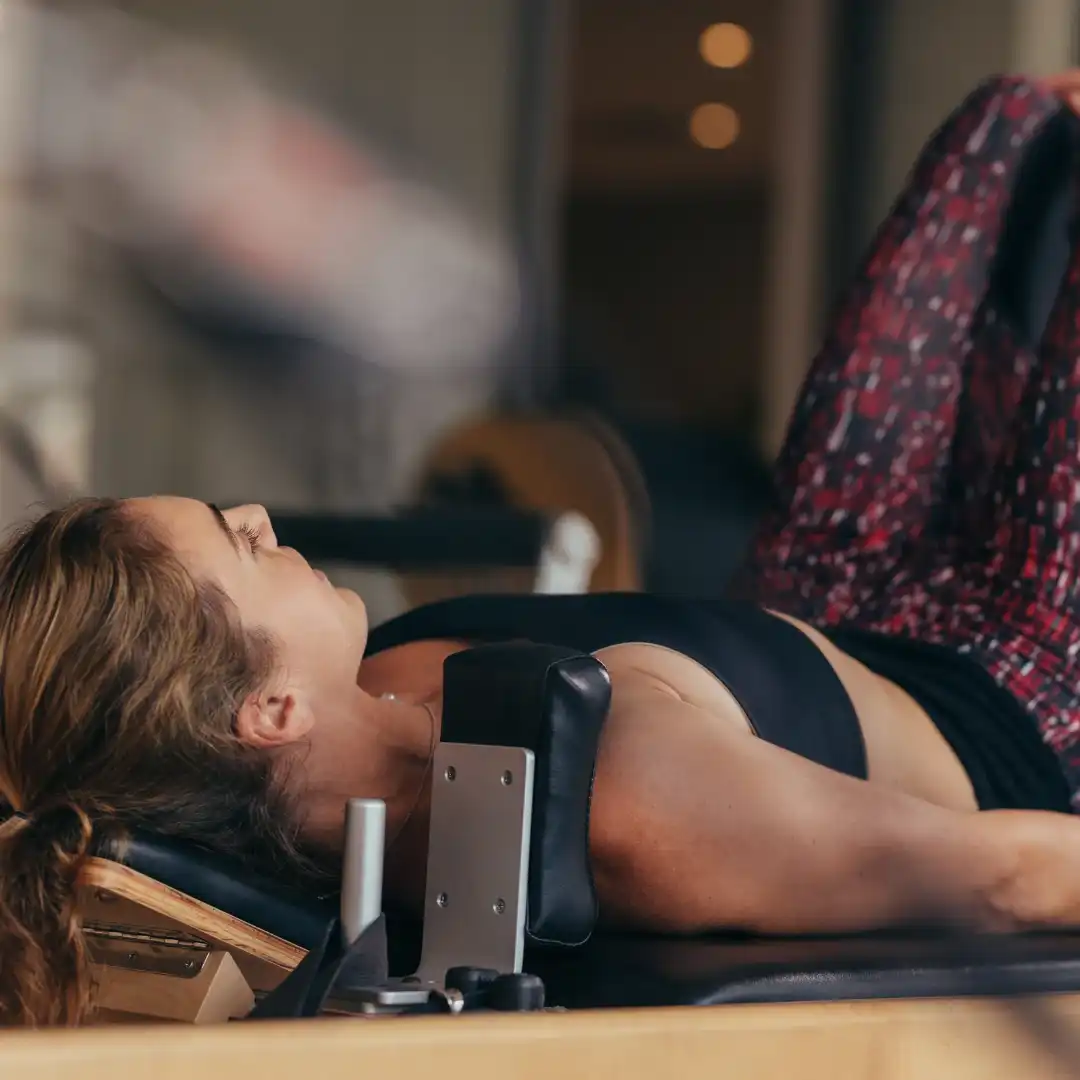
This Office-Friendly Stretch Will Loosen Up Your Tight Butt

This Office-Friendly Stretch Will Loosen Up Your Tight Butt

FitnessThe Office-Friendly Seated Figure-Four Stretch Will Loosen Up Your Tight ButtFor those times when you can’t budge from your chair—but desperately need relief.By Jenny McCoy, C.P.T.Reviewed by Christa Sgobba, C.P.T.July 24, 2025Collage: Self; Source images: Katie Thompson, kasinv/Getty ImagesSave StorySave this storySave StorySave this storyWe don’t need to tell you that tons of sitting is a recipe for tight, achy hips. Good news: You can fight that with the seated figure-four stretch, a butt-loosening move you can easily bust out during your next road trip, long-haul flight, or marathon Zoom call session.Because this stretch is performed from a chair—yep, it’s a variation of the figure-four stretch you’d typically do your back on a mat—it’s an easy, convenient one to work into your day. You don’t need to get on the ground or move your limbs around, making it ideal for those times when you can’t get out of your seat but desperately need relief.That’s one of the reasons Heather Jeffcoat, PT, DPT, founder of Fusion Wellness & Femina Physical Therapy and spokesperson for the American Physical Therapy Association, frequently recommends it to patients. The seated figure-four, she tells SELF, is “very simple to just incorporate while you're there at your desk.” For more intel on how to get it done—and why it works so well in the first place—keep on reading.SELF Healthy EatingGet nutrition tips, delicious recipes, and inspo for your grocery list delivered to your inbox just in time for your weekly meal prep.SIGN UPBy signing up, you agree to our user agreement (including class action waiver and arbitration provisions), and acknowledge our privacy policy.What muscles does the seated figure-four stretch?When you do this stretch, you park your butt in your chair, place one ankle across the opposite thigh and tip your torso forward. You’ll feel it in the sides and back of your hip on the leg that’s propped up, Dr. Jeffcoat explains. Specifically, it targets your piriformis (a thin, flat butt muscle that runs from your low back to the top of your thigh) as well as your gluteus medius and gluteus minimus (two small glute muscles that form your side-butt). It also hits some of your gluteus maximus (biggest butt muscle), along with your quadratus femoris and obturator externus (two small hip rotator muscles), Dr. Jeffcoat says.Why is the seated figure-four stretch so beneficial?Spending a lot of time sitting on your butt can tighten up your glutes and hips, causing aches and pains. So people with sedentary routines will benefit from this, Dr. Jeffcoat explains. (Hello, desk workers and Netflix bingers everywhere!). That’s because when you bend your leg and prop that ankle up on the opposite thigh, you lengthen all the muscles we mentioned above. And that can bring relief if you have tightness or tenderness there. With the seated figure-four, “we're trying to improve mobility in the area and decrease pain,” Dr. Jeffcoat says.But the stretch isn’t justfor desk workers. Folks who spend a lot of time standing or walking—like nurses, grocery store workers, or cooks—could benefit from it too. As Dr. Jeffcoat explains it, spending time on two feet fires up your glutes (especially the glute medius, which plays a big role in stabilizing our hips and pelvis), and you don't want to always put your muscles to work without also stretching them. That’s because it’s important to maintain a balance of stability (which happens when you fire up the muscle) and mobility (which happens when you stretch it). If youonlywork the muscle without ever lengthening it, that imbalance can trigger pain, dysfunction, or feelings of tightness, she explains. In sum, people on both ends of the movement spectrum could benefit from adding this move into their routine.One final perk of the seated figure-four? If you can make it part of a mindfulness practice—meaning, you’re not multitasking while you hold it, but instead take that time to connect with your body–it can provide the secondary benefit of stress reduction, Dr. Jeffcoat says. (Of course, that’s true of most any type of stretching!).How is seated figure-four different from the OG version on the floor?First we’ll start with the similarities: Whether you’re in a chair or on the ground, the figure-four stretch hits all the same areas of your glutes and hips. “The muscles that are stretched are the same; you're just moving into a different position,” Dr. Jeffcoat says. That means either one can be a good option for people with tight, cranky hips.There are a few differences, though. The convenience factor is a biggie: The seated figure-four stretch is a lot easier to slot into your day-to-day, since you don’t have to get down on the ground to do it. That means it can be a more practical and discreet way to loosen up your tense butt, which is key if you’re in a situation where plopping down onto a mat really isn’t an option—for example, if you’re in an office, on an airplane, or taking a long car ride.But the on-the-floor figure-four has its advantages too, including the fact that it can be modified to be less intense, which isn’t the case with the chair-supported version. In the seated stretch, “you have to have a good amount of range of motion to get your ankle up to your knee,” Dr. Jeffcoat explains. This amount of mobility may not feel great for some people, including those with back, knee, or hip pain or issues. But in the lying down version, you have the option to step your grounded foot further away from your body so that your other leg isn’t as tucked in towards your body. “That would allow you to have a more gradual stretch,” Dr. Jeffcoat says.How to work it into your routineHow often to do the seated figure-four all depends on how cranky your hips are. If you’re plagued by a super-tight butt, do this move one to two times a day, at least four to five times a week (though daily is ideal), Dr. Jeffcoat says. If your hips feel okay and you’re stretching to just maintain mobility, do it two to three times a week, or after activities where you’re really firing up your glutes and hips, like a lower-body workout or a long day on your feet.Most PopularLife‘Wicked’ Forced Me to Have a Conversation I Hoped My Daughters Could AvoidBy Jessica ShybaHealthThe One Thing That Reliably Kills Norovirus and How to Keep it From Spreading in Your HomeBy Erica SloanRelationships5 Ways to Feel Less Lonely During the HolidaysBy Hannah SmothersEach time you do it, hold it for six slow, deep breaths on each side, which equates to about 30-second holds, Dr. Jeffcoat says. Bonus: By focusing on your breathing, you automatically emphasize that secondary stress reduction benefit, she explains. Aim for two to three rounds per side; if you find one side is tighter than the other, do more rounds on that side than the looser side until you achieve balance between sides, Dr. Jeffcoat advises.Keep in mind this stretch can hurt if you have issues with your hip or knee joints, since it requires hip rotation and knee flexion to get into position. It can also feel painful if the muscles the stretch targets are especially short and tight.If the stretch is causing you pain, stop, Dr. Jeffcoat says. Prone figure-four may be a more appropriate option for you, though you can check with your doctor or physical therapist to be sure. Same goes if you have acute back, knee, or hip pain. And if you’ve had recent surgery, or if you have osteoarthritis, definitely consult with a physical therapist before doing this stretch. It may be contraindicated post-surgery; if you have osteoarthritis and flex your spine while doing it—which isn’t correct form, but can happen if you’re not mindful—you can stress your vertebrae and possibly cause spinal issues, Dr. Jeffcoat says.How to do the seated figure-four stretchReady to loosen up your tight hips? Here’s a visual demo, along with step-by-step instructions for mastering this stellar seated stretch.Katie ThompsonMost PopularLife‘Wicked’ Forced Me to Have a Conversation I Hoped My Daughters Could AvoidBy Jessica ShybaHealthThe One Thing That Reliably Kills Norovirus and How to Keep it From Spreading in Your HomeBy Erica SloanRelationships5 Ways to Feel Less Lonely During the HolidaysBy Hannah SmothersSit down on a bench or step with your back straight and cross your right ankle over your left thigh in a figure four shape.With your hands on your hips and keeping a flat back, tip your torso forward. Stop when you feel a stretch in your right glute. Hold for six deep breaths.Switch sides and repeat.To increase the stretch, press your hand against your thigh on the leg that’s bent, Dr. Jeffcoat says. If you’re struggling to maintain a neutral spine, roll up a towel and place it against your low back for support, she adds.Demoing the move above is Winnie Yu, a doctor of physical therapy, certified strength and conditioning specialist, and running specialist.Related:The 24 Best Stretching Exercises for Better Flexibility14 Mobility Exercises Anyone Over 35 Should Add to Their Routine14 Standing Stretches That Will Loosen Up Your Entire Body

3 Must-Try Takeaways From Megan Thee Stallion’s Abs Workout, According to a Trainer

3 Must-Try Takeaways From Megan Thee Stallion’s Abs Workout, According to a Trainer

Fitness3 Must-Try Takeaways From Megan Thee Stallion’s Abs Workout, According to a TrainerHer approach is way more effective than simply stacking sit-ups upon sit-ups.By Jenny McCoy, C.P.T.Reviewed by Christa Sgobba, C.P.T.July 22, 2025Jeff Kravitz/Getty ImagesSave StorySave this storySave StorySave this storySure, Megan Thee Stallion is most famous for her musical talents, but the Grammy-award winning rapper can alsobringit in the gym.In a video shared with her 32.7 million Instagram followers over the weekend, Megan highlighted snippets of her workout program with new-boyfriend-slash-NBA-star Klay Thompson. And while the accompanying commentary was humorous (“we had to do these goddamn Russian twist ball thingamajigs” Megan quipped when describing the core exercise), the overall routine was no joke. It featured 10 different exercises—including some super-advanced ones, like ab wheel rollouts, planks with alternating leg and arm lifts, and split squats with a single-arm overhead press—that together smoke pretty much every muscle group.“She’s obviously killing it in this workout,” Katie Pierson, CPT, a Montana-based certified personal trainer and contributor at Indoor Cycling Love, tells SELF. But the video doesn’t just emphasize Megan’s impressive strength; it also highlights some pretty awesome fitness principles that anyone can benefit from—particularly if you feel like your ol’ standby abs routine is getting a little, shall we say, stale.Here are three takeaways to maximize your core workouts, according to Pierson, that are worth incorporating into your own gym seshes.SELF Healthy EatingGet nutrition tips, delicious recipes, and inspo for your grocery list delivered to your inbox just in time for your weekly meal prep.SIGN UPBy signing up, you agree to our user agreement (including class action waiver and arbitration provisions), and acknowledge our privacy policy.1. There are tons of different ways to train your core—and, no, it’s not just about “abs exercises.”While the workout Megan shared was a full-body routine, there was a clear emphasis on core activation, Pierson says.But a workout stacked with sit-ups this was not: She targets her entire core with abunchof different movement patterns. And that’s key to well-rounded strength in the gym and functional fitnessoutsideof it, since it preps you to better handle a wide variety of scenarios you may encounter in daily life, including hauling a heavy box without stressing your back, twisting your torso to put groceries on your counter, and staying upright when your dog barrels into your knees.Let’s take a closer look: The Russian twists engage her core through dynamic movement with rotation, which especially fires up the obliques (muscles on the sides of the torso). The static plank works the core isometrically (no movement at all!) since the goal there is to hold as still as possible; in this case, muscles like the transverse abdominis (deep core muscle that wraps around your spine and sides) have to really fire to keep her steady and prevent her hips from drooping. The plank with alternating arm and leg lifts is an example of an instability challenge. By removing a base of support, this requires her core to work extra hard to hold steady.But it’s not just about “abs exercises,” either: Megan incorporated compound exercises like the sled push, hex bar squat, and split squat with single-arm overhead press. While you might think of these more as lower-body exercises—they certainly do smoke your legs and glutes—your core is actually a huge player here. Those muscles need to fire to stabilize her spine while her limbs move to push that heavy load.“She’s really fatiguing her muscles in different ways and changing the training stimulus,” Pierson says. And that variety is something to emulate. That’s because “if you’re doing just one type of movement, your body is going to adapt,” Pierson explains. And when it adapts, it won’t continue to get stronger, since it’s no longer challenged. That’s why training your core in a bunch of different ways, as Megan does, is beneficial if you want long-term results.This type of comprehensive core training is also key for helping that muscle group work together as one unit, Pierson adds. Your core isn’t just your abs or your rectus abdominis, a.k.a. the muscles that run horizontally across your abdomen—it incorporates your lower back muscles too. And to have the sturdiest, most functional core possible, you needbothfront and back to be strong. (If there’s an imbalance between the two, you run the risk of pain, injury, and decreased performance, Pierson says.) So rather than only doing moves that primarily home in on the abs (like sit-ups or crunches), it’s important to incorporate exercises that train yourentirecore.2. Adjusting exercises to your level is key.There are a few instances in the video where Megan tweaks exercises so that they are doable for her: Modifications are huge, since they allow you to keep your form on point, which is key to getting the benefits of the exercise. As Pierson explains it, you want to “make sure that your form is on point so you don’t injure yourself and you’re getting the most out of your workout.”Most PopularLife‘Wicked’ Forced Me to Have a Conversation I Hoped My Daughters Could AvoidBy Jessica ShybaHealthThe One Thing That Reliably Kills Norovirus and How to Keep it From Spreading in Your HomeBy Erica SloanRelationships5 Ways to Feel Less Lonely During the HolidaysBy Hannah SmothersTake the ab wheel rollouts: That exercise is “an advanced move,” Pierson says. When doing them, it’s important to keep your spine in neutral alignment rather than letting it arch; otherwise you could strain your lower back, she explains. Maintaining that alignment requires a lot of core strength, and it becomes harder to do the farther you roll out the wheel. So if you’re new to the exercise, take a cue from Megan: She reduces her range of motion, stopping part-way before reversing the movement. This is a key mod, since it allows her to do the move without letting her hips sag or lower back arch.Then there’s a pull-up, another super-advanced exercise that, yep, smokes your back and biceps, but also really fires up your core too. Megan uses a band (and her boyfriend as a spotter) to complete it.With the pull-ups, “I love that she’s using the band for those,” Pierson says. (The band makes the exercise easier by reducing some of your bodyweight, so there’s less heft for you to pull up.) This assistance “removes the barrier of entry” for pull-ups, Pierson says, and makes this challenging, oftentimes intimidating exercise more accessible.3. The cooldown is a can’t-skip step toanykind of strength workout.The video ends with Megan and Klay cooling down: Megan helps Klay perform a hamstring stretch and a variation of the happy baby stretch. The cooldown, Pierson says, is a part of the workout that “a lot of people miss.” It can seem like a skippable component, especially for exercisers who are short on time or those who think movement needs to leave them sweaty and aching to be worthwhile. But taking a few minutes for gentle movement and stretching post exercise is important on several fronts.Most PopularLife‘Wicked’ Forced Me to Have a Conversation I Hoped My Daughters Could AvoidBy Jessica ShybaHealthThe One Thing That Reliably Kills Norovirus and How to Keep it From Spreading in Your HomeBy Erica SloanRelationships5 Ways to Feel Less Lonely During the HolidaysBy Hannah SmothersFor one, regular stretching can help improve your range of motion, which ultimately helps you get more out of your workouts, Pierson explains. That’s because the more range of motion you have, the more muscle you can activate and the more strength you’ll eventually gain. Plus, stretching after a workout increases blood flow, boosts oxygen levels, and delivers nutrients to your body and your muscles, which aids with the recovery process.Then there’s the fact that the cooldown is a great way to calm your body and mind post exercise, helping you end your workout on a feel-good note. And that can cultivate a positive association with exercise that spurs you to make it a regular habit. Along with a stellar pump-up playlist (might we suggest Megan’s 2024 namesake album?), that may be all the motivation you need to crush your gym goals.Related:6 Reasons to Work Your Core That Have Nothing to Do With ‘Getting Abs’What Exactly Is Your ‘Deep Core’—and How Do You Strengthen It?What Does ‘Activate Your Core’ Even Mean?Get more of SELF’s great fitness coverage delivered right to your inbox—for free.

7 Little Things Pilates Instructors Really Wish You'd Stop Doing in Class

7 Little Things Pilates Instructors Really Wish You'd Stop Doing in Class

Fitness7 Little Things Pilates Instructors Really Wish You'd Stop Doing in ClassSorry, but faster doesn’t equal better here.By Jennifer HeimlichReviewed by Christa Sgobba, C.P.T.August 11, 2025Phynart Studio/Getty ImagesSave StorySave this storySave StorySave this storyPilates isn’t like a lot of other workouts. Rather than pushing to go faster or harder or do more, the challenge often comes from moving very specifically with precise control. To an outsider’s eye, sometimes it honestly doesn’t look like you’re doing much at all. “It might feel very different than what you’re used to,” certified Pilates instructor Jennifer Phelan, founder of JPPilates in Boston, tells SELF. That means bringing old fitness habits with you isn’t always helpful; you might need to take a slightly different approach from usual.This can make Pilates sound intimidating, but it doesn’t have to be. To be sure we know exactly how weshouldbe tackling this workout, we asked a handful of Pilates instructors about the most common mistakes they see students make—and what we can do instead to get everything we can out of stepping into the studio.SELF Healthy EatingGet nutrition tips, delicious recipes, and inspo for your grocery list delivered to your inbox just in time for your weekly meal prep.SIGN UPBy signing up, you agree to our user agreement (including class action waiver and arbitration provisions), and acknowledge our privacy policy.1. You rush through the exercises.The pace of Pilates can often be uncomfortably slow. But that’s on purpose: Rather than letting momentum do a bunch of the work, Pilates builds strength by moving in a steady, controlled way. This gives you time to focus on proper form—keeping your spine neutral and not arching, and your hips even—which is essential to getting the full benefits (and avoiding injury).So when students speed up exercises in a mistaken attempt to make them more challenging or simply get them over with faster, they miss out. “Faster doesn’t mean that it’s harder or better,” Phelan says. “In fact, it’s really challenging to move at a slow and mindful speed.”Certified Pilates instructor Chelsea Stewart, founder of HAVN Hot Pilates in Denver, tells SELF that when you rush through the motions, you’re less likely to engage the right muscles. “When you’re going so fast, the integrity of the move has now gone away.” Remember, Pilates isn’tmeantto be a cardio workout—it’s designed to strengthen your muscles and improve your stability.What to do instead:Don’t worry about getting your heart rate up during Pilates. Take things slow enough that you can zero in on activating the right muscles, Stewart says. “Really listen to the tempo that the instructor sets and try to follow their cues,” Phelan adds.Hint: If you focus on moving with proper form at all times, you won’t have any choice but to do the exercises at the right pace. One cue Stewart likes to give clients is to think of their pelvis as a bucket filled with water. “If you’re pushing your butt back [or] too far forward, then the water spills out,” she says. Thinking about keeping the bucket level will help put your lower spine and hips where they’re supposed to be.2. You hold your breath.In Pilates, how you breathe isn’t just a supplemental afterthought; it’s a choreographed part of every exercise, designed to assist your form. “The breath is just as important as the actual movement,” Phelan says. Yet it’s all too common for students to hold their breath rather than follow the instructor’s inhale-exhale cues.This can make the movements feel so much harder than they need to be. “When you’re coming up to a full teaser from a lying down position, if you don’t breathe, your performance will not be good,” certified Pilates instructor Nofar Hagag, founder of Nofar Method in New York City and Miami, tells SELF. Stewart explains that when you exhale correctly on a contraction, you’re able to get more muscle engagement in your core. It’s easy to see how this works: “Even just sitting down, if you contract your core and exhale, you’ll see how much more activation you can get instead of just trying to contract,” she says.What to do instead:The general rule in Pilates is to inhale during the part of the movement when you’re lengthening, then exhale during the contraction, Stewart says. So for example, during the Double Leg Stretch, you’ll breathe in when you extend your arms and legs away from you, then breathe out as you curl them back toward your chest. She acknowledges that a good instructor can be a huge help by cuing the breath effectively (without becoming such a broken record that the room tunes them out). But if you’re relying on yourself, just try to get into the habit of exhaling forcefully during any contractions—once you’ve pushed out that air, your lungs will then automatically suck in more.3. You chat with your besties mid-class.Pilates has become übertrendy these days, which means it’s sometimes turned into a social event, with chatty conversations infiltrating the studio. “You’ll get a group coming to class, they go get coffee after, and they’ll start talking,” Stewart says. Carissa Fernandez, a certified master Pilates instructor for Club Pilates in Colorado, tells SELF she sees this happen at least once or twice a week.Most PopularLife‘Wicked’ Forced Me to Have a Conversation I Hoped My Daughters Could AvoidBy Jessica ShybaHealthThe One Thing That Reliably Kills Norovirus and How to Keep it From Spreading in Your HomeBy Erica SloanRelationships5 Ways to Feel Less Lonely During the HolidaysBy Hannah SmothersWhile a quick “Woo, girl!” after a tough move can spread good vibes, having a full-on convo can disrupt both the teacher and other students. And if you have enough energy to chat, you’re probably not putting as much effort into class as you could be. (Not to mention, it’s hard to pull off those all-important inhales and exhales when you’re busy yakking.) “You don’t want to spend 45 minutes to an hour half-assing your workout and then be like, ‘Oh my gosh, I have to go work out again,’" Stewart points out.What to do instead:Dial in during your workout—you paid good money for it, after all—then catch up with your friends. Find it’s simply too tempting to gab between leg circles? Fernandez suggests setting yourself up on the opposite sides of the room. Or, if you’re just really in need of a good vent sesh, ditch the studio and get your sweat in by going for a walk or run together instead.4. You bring distractions with you.We get it: We’re all busy, and the drive to multitask can get the better of us when our devices let us easily connect to work, our families, and all our other obligations. Hagag says she’s seen people leave a voice memo on their watch in the middle of class, and even had clients leave Zoom running on their phones so they can “be” at a meeting remotely (off-camera, of course).But these distractions take away from what you could otherwise be getting out of the workout, particularly since so much of Pilates is about that mind-body connection and deep concentration on form. “If you’re not present in the workout, you really get only 50% of the benefit, in my opinion,” Hagag says.What to do instead:Even if you’re not actively scrolling Instagram during The Hundred, it’s all too easy for a notification to steal your attention. So it’s best to leave your phone out of the studio if you can, and set your watch to Do Not Disturb.Most PopularLife‘Wicked’ Forced Me to Have a Conversation I Hoped My Daughters Could AvoidBy Jessica ShybaHealthThe One Thing That Reliably Kills Norovirus and How to Keep it From Spreading in Your HomeBy Erica SloanRelationships5 Ways to Feel Less Lonely During the HolidaysBy Hannah SmothersAs a business owner herself, Stewart understands that this can be tough. She suggests framing the challenge of disconnecting as a mindfulness practice. “It’s the ultimate trust-fall that everything is going to be okay for 45 minutes to an hour,” she says.If that’s not possible—maybe you’ve got a sick kid or you’re on call—give the instructor a heads up. Stewart says that for students who want it, teachers at her studio will sometimes keep an eye on the student’s phone at the front of the studio in case anything comes up, giving students the chance to work out distraction-free.5. You try to keep up with your neighbors.With legs reaching into the air at all angles, it’s easy to start to compare your positions to the person next to you during group classes. But trying to match your neighbor misses the point. “Pilates isn’t about how you look, but how you feel when you’re practicing it,” Phelan says. Just because someone can straighten their leg all the way while you can’t, that doesn’t mean they’re doing it better than you are, she says. “You just might not be as flexible as them, but you’re still working your core in the same way.”What to do instead:Instead of looking around the room, reflect on how you move and how you breathe, Hagag says. “Everyone has a different body, different needs,” she says. “Maybe what spring works for you doesn’t work for them.”Phelan recommends thinking back to what drew you to class in the first place: It was likely to feel stronger and more powerful in your own body, not to copy the person next to you. If you find yourself struggling to stop the comparisons, try closing your eyes during certain exercises to refocus inward, she suggests.6. Your clothes hold you back.Despite what fitfluencers on TikTok might have you believe, there’s no one right “Pilates aesthetic” to wear to the studio. Yet you do want to make sure your outfit is serving you. “I don’t love when clients show up wearing really baggy, loose-fitting clothes,” Phelan admits. As comfy as your fave sweats and oversized T-shirt may be, they can keep your teacher from being able to check on your form. “If I can’t see your spine moving or what’s happening in your pelvis, it can be really tricky for me to give feedback,” Phelan says.Most PopularLife‘Wicked’ Forced Me to Have a Conversation I Hoped My Daughters Could AvoidBy Jessica ShybaHealthThe One Thing That Reliably Kills Norovirus and How to Keep it From Spreading in Your HomeBy Erica SloanRelationships5 Ways to Feel Less Lonely During the HolidaysBy Hannah SmothersOn the other hand, Fernandez says she’s had students take class in jeans when they’ve forgotten to bring workout clothes. “It’s a little hard to get your dexterity in your knees when you’re wearing hard pants,” she says.Also: Pay attention to the studio’s rules around socks. Some, like Club Pilates, for instance, require students to wear grip socks for better traction (and hygiene). Other instructors encourage bare feet so you have a more tactile connection to the mat or equipment. Just be sure to take off your everyday cotton socks that can leave you slipping and sliding around.What to do instead:Your clothes don’t need to be skin-tight, Phelan says. Just make sure they’re form-fitting—and stretchy—enough around the low back and pelvis so that your instructor can see your alignment as you move through the exercises. If you forgot your usual gear at home, Fernandez says that’s why studios often sell apparel in the lobby (even if it is on the expensive side).7. You don’t speak up.The instructor is there to help you get the most out of the workout, so share the info they need to help make that happen. Maybe it’s your first time or you have an injury or pregnancy that might limit certain movements—so tell them. “It’s easy to modify everything,” Fernandez says. “We just need to be aware of what we have to modify.”If you simply try to make your own way through the exercises yourself, you could further injure something or just not get the full benefit, Fernandez says. “You’re going to get a way better experience if you let your instructor know what’s happening,” Phelan adds.What to do instead:At the start of class, most teachers will ask if there are any first-timers or injuries they should know about, so speak up. “You don’t need to do a deep dive—a couple of sentences letting your teacher know what’s going on,” Phelan says. Of course, you might not want to blurt out something personal in front of an entire room. You can always pull the teacher aside before class begins or give the front desk a heads up so they can pass it on, Fernandez suggests. “I get emails from students who will say, Hey, I got injured last weekend. Is there anything I should know before class?" Phelan says.Most PopularLife‘Wicked’ Forced Me to Have a Conversation I Hoped My Daughters Could AvoidBy Jessica ShybaHealthThe One Thing That Reliably Kills Norovirus and How to Keep it From Spreading in Your HomeBy Erica SloanRelationships5 Ways to Feel Less Lonely During the HolidaysBy Hannah SmothersOf course, sometimes we don’t realize something’s not right until mid-way through a workout. In this case, Phelan suggests flagging down or making eye contact with the teacher so they can come over to help you.Don’t let these tendencies stop you from practicing.If some of these mistakes hit a little close to home, don’t beat yourself up. Even the most dedicated Pilates practitioners can be guilty of them from time to time. “I can find myself getting misaligned and out of form, so I too constantly have to check in, slow down, and remind myself that form and alignment is key!” Stewart admits.The good news? The more consistently you practice, the more you’ll strengthen that mind-body connection that Pilates emphasizes, and make the right habits come naturally. In the meantime, don’t let the intimidation factor of Pilates keep you from trying—even if you have to “fake it” a bit until you figure out the right approach, Stewart says: “Do not worry. You are going to be great.”Related:17 Pilates Exercises That Really Work Your CoreDo You Really Get a ‘Better’ Workout With Lagree Than With Pilates?Does Pilates ‘Count’ as Strength Training?Get more of SELF’s great fitness coverage delivered right to your inbox—for free.

The Best Altra Shoes, Whether You're Low-Drop Curious or Already a Fan

The Best Altra Shoes, Whether You're Low-Drop Curious or Already a Fan

FitnessThe Best Altra Shoes, Whether You're Low-Drop Curious or Already a FanWe’re breaking down the brand’s signature pairs.By Lauren WingenrothJuly 25, 2025Courtesy of the brand / Gabrielle LangdonSave StorySave this storySave StorySave this storyAll products featured on Self are independently selected by our editors. However, we may receive compensation from retailers and/or from purchases of products through these links.When you think Altra, you may think zero drop—but the brand is more than just that. The best Altra shoes include chunky, max-cushion sneakers, fast racers, and more.And don’t forget the brand’s signature wide, anatomically shaped toe box (a podiatrist favorite). “If we wear the typical shoes, which have a tapered toe box, it’s like if someone is squeezing your hand all day. Eventually, your hand is going to get stuck in that position,” Dr. Don Pelto, DPM, a podiatrist at Central Massachusetts Podiatry, tells SELF. “It can cause forefoot pain, bunions, neuromas, and hammer toes.” Not so with Altras, he adds.Ready to branch out and try something new, or add another pair to your Altra collection? We rounded up the best shoes from the brand with help from Dr. Pelto and other experts for happier, healthier feet.What is heel-to-toe drop?AccordionItemContainerButtonLargeChevronA shoe's heel-to-toe drop is the difference in height between the forefoot and the heel—it’s usually measured in millimeters. Most sneakers have a heel-to-toe drop somewhere between 8 and 12 millimeters. That means there’s more cushioning under your heel, so your foot is tilted forward.Zero-drop shoes, on the other hand, have no height difference between the heel and forefoot, so your foot is flat. “This design can facilitate a more natural heel-to-toe gait and reduce excessive heel striking,” Dr. Saylee Tulpule, DPM, a podiatrist with Foot & Ankle Specialists of the Mid-Atlantic, tells SELF. “It’s intended to help align the feet, back and hips.” It can also relieve pressure from the forefoot and provide relief for those with any forefoot conditions, Dr. Jenifer Perez, DC, a sports medicine physician and chiropractor, tells SELF.Most Altra shoes are low- or zero-drop. If you’re not used to the feeling, these shoes can be tricky to walk or run in. New to this kind of sneaker? Wear your Altras for just a few minutes at first, then slowly work your way up to give your body time to adjust.Our top picksBest Overall:Torin 8, $170$119Best Low Drop:Experience Flow 2, $140Best for Trails:Lone Peak 9, $140Best for Stability:Experience Form, $109Best for the Gym:Solstice XT 3, $130Best for Racing:Vanish Carbon 2, $240Best Minimalist:Escalante 4, $130Best Max Cushion:Olympus 6, $175Best Low Drop for Trails:Experience Wild 2, $140Best for Hiking:Lone Peak 9 Waterproof Mid, $180In this articleAccordionItemContainerButtonLargeChevronShop the best AltrasWhat to consider when choosing AltrasHow we picked these shoesFrequently asked questionsShop the best AltrasLow drop, high comfort.Best Overall: Torin 8ChevronChevronDotsDotsDotsAltraTorin 8$150$110(27% off)Amazon$150REIFor a do-it-all zero-drop shoe, you can’t beat the Torin, Altra’s signature road running shoe. It's a moderately cushioned trainer that earned the seal of acceptance from the American Podiatric Medical Association (APMA), meaning a panel of podiatrists has confirmed that they're designed to keep your feet healthy.Dr. Tulpule agrees and says the Torin is her top pick for daily running and walking, with its comfortable 30 millimeters of cushioning and soft, smooth ride. Plus, the design is wide foot-friendly: “It contours to the shape of the foot, so your forefoot is going to have more freedom of movement,” Mark Mendeszoon, DPM, a podiatrist at Precision Orthopaedic Specialties in Ohio, previously told SELF. “If you have a wider foot, your toes won’t be pinched."It's also a great shoe for anyone who's new to zero-drop kicks. “It’s a nice, middle-of-the-road, comfortable shoe that appeals to a lot of people,” confirms certified running coach Amanda Brooks.Pros & ConsAccordionItemContainerButtonLargeChevronProsConsComes in a two widthsNot the bounciest running shoeReceived APMA seal of acceptanceSoft, smooth rideGood for walking and running long distancesProduct specsAccordionItemContainerButtonLargeChevronMaterials:Jacquard mesh, foam, rubber |Sizes:US 5.5 to 12 |Widths:Regular and wide |Weight:8.4 oz |Heel-to-toe drop:0 mmBest Low Drop: Experience Flow 2ChevronChevronDotsDotsDotsAltraExperience Flow 2$140Amazon$140REI$140AltraRecently, Altra added low drop shoes to its offerings, which can be less intimidating that flat, zero-drop shoes for beginners. The brand's latest model, the Experience Flow 2, is a comfy daily trainer that can do it all.“For anyone who's new to the natural foot shape, it’s very similar to many shoes that are on the market. But it’s going to give you that natural shape and drop you down a bit lower,” says Dr. Perez. “So, it’s a great shoe for that transition—if you’re going from something more traditional and you want something more natural, but you only want to change a little bit at a time.”I tested the Experience Flow 2 on roads and packed dirt trails, and loved its soft, bouncy ride and all-around comfort. It felt similar to some of my favorite top-tier daily trainers from other brands, like the Brooks Glycerin or the Hoka Clifton—just with a lower drop andwaymore room for my toes to spread out.Pros & ConsAccordionItemContainerButtonLargeChevronProsConsSuper comfortableNot as snappy as some comparable daily trainersGood transition shoe for those interested in zero dropSoft, bouncy rideProduct specsAccordionItemContainerButtonLargeChevronMaterials:Engineered mesh, foam, rubber |Sizes:US 5.5 to 12 |Widths:Regular |Weight:7.05 oz |Heel-to-toe drop:4 mmBest for Trails: Lone Peak 9ChevronChevronDotsDotsDotsAltraLone Peak 9$145Amazon$140REI$140AltraWhen runnersandpodiatrists love a shoe, you know it's good. Altra’s bestselling trail runner, the Lone Peak 9, not only has an APMA seal of acceptance, but also a ringing endorsement from trail runner Julie Tower-Pierce, who previously told SELF that the shoe is her “gold standard” for trail running shoes. “They are mind-blowingly awesome because of their wide toe box, traction, and funky color schemes,” she says.Most PopularLife‘Wicked’ Forced Me to Have a Conversation I Hoped My Daughters Could AvoidBy Jessica ShybaHealthThe One Thing That Reliably Kills Norovirus and How to Keep it From Spreading in Your HomeBy Erica SloanRelationships5 Ways to Feel Less Lonely During the HolidaysBy Hannah SmothersThe Lone Peak is also a favorite of Dr. Tulpule and SELF editors. We’ve loved the technical trail running shoe for years, with our testers noting that the Lone Peak is comfortable, lightweight, and responsive on the trails. Heads up: If you’ll be traversing particularly wet or tricky terrain, try Altra's waterproof or Vibram rubber outsole version of the Lone Peak.Pros & ConsAccordionItemContainerButtonLargeChevronProsConsHighly durableNot the most breathableAPMA seal of acceptanceProtective rock plateProduct specsAccordionItemContainerButtonLargeChevronMaterials:Ripstop mesh, foam, rubber |Sizes:US 5.5 to 12 |Widths:Regular and wide |Weight:9.3 oz |Heel-to-toe drop:0 mmBest for Stability: Experience FormChevronChevronDotsDotsDotsAltraExperience Form$139Amazon$140REI$145AltraIf you overpronate (meaning your feet and ankles roll in when you walk), you might need some extra support and stability in your shoes to keep your body aligned correctly. Go for Altra's Experience Form—it has a low, 4-millimeter drop that Dr. Tulpule says makes it a good transitional shoe.SELF Healthy EatingGet nutrition tips, delicious recipes, and inspo for your grocery list delivered to your inbox just in time for your weekly meal prep.SIGN UPBy signing up, you agree to our user agreement (including class action waiver and arbitration provisions), and acknowledge our privacy policy.Dr. Perez agrees: “It has that support and that hug around the heel,” she says. “Having a shoe that has those traditional features, but with a wider toe box and lower heel-to-toe drop, is really powerful because it helps support you where you need it, but doesn’t compromise the function of the foot.”Pros & ConsAccordionItemContainerButtonLargeChevronProsCons4-millimeter drop is easier to get used toVery firm rideShoe's structure helps gently correct your gaitAPMA seal of acceptance winnerProduct specsAccordionItemContainerButtonLargeChevronMaterials:Engineered mesh, EVA foam, rubber |Sizes:US 5.5 to 12 |Widths:Regular |Weight:7.8 oz |Heel-to-toe drop:4 mmBest for the Gym: Solstice XT 3ChevronChevronDotsDotsDotsAltraSolstice XT 3$130Amazon$130REI$130AltraAltra is a great brand to shop for multipurpose gym shoes—their kicks are already more similar to flat, stable cross-training shoes than chunky, cushioned running shoes. Our favorite: The Solstice XT 3, which is designed to feel extra stable during lateral (side-to-side) movements. Another APMA seal of acceptance winner, this shoe also has a breathable mesh upper (no more swampy feet) and a padded heel collar (bye-bye, blisters).Most PopularLife‘Wicked’ Forced Me to Have a Conversation I Hoped My Daughters Could AvoidBy Jessica ShybaHealthThe One Thing That Reliably Kills Norovirus and How to Keep it From Spreading in Your HomeBy Erica SloanRelationships5 Ways to Feel Less Lonely During the HolidaysBy Hannah SmothersThe Solstice is one of Dr. Perez’s go-to shoes even beyond the gym. “I work all day long in that shoe, and it’s a great solution for me when I know I’m going to be doing a lot of walking,” she says.Pros & ConsAccordionItemContainerButtonLargeChevronProsConsBreathable mesh upperNot ideal for runningStable during side-to-side movementsAPMA seal of acceptance winnerProduct specsAccordionItemContainerButtonLargeChevronMaterials:Engineered mesh, EVA foam, rubber |Sizes:US 5.5 to 12 |Widths:Regular |Weight:7.8 oz |Heel-to-toe drop:4 mmBest for Racing: Vanish Carbon 2ChevronChevronDotsDotsDotsAltraVanish Carbon 2$250Amazon$240Altra$260Fleet FeetFYI: We don't recommend wearing zero-drop shoes for a race if you're not used to them. But if you’re already a low drop loyalist, try the Altra shoe that's built for speed: The Vanish Carbon 2. This super shoe (meaning it has a carbon plate, a high stack of bouncy foam, and a lightweight design) can help you zoom through 5Ks or marathons.Dr. Paras Parekh, DPM, a podiatrist based in Chicago, agrees: He previously told SELF that the Vanish Carbon is the best choice for zero-drop fans who need a super shoe, adding that it has worked well for many of his patients.Pros & ConsAccordionItemContainerButtonLargeChevronProsConsFastHard to get heel lockdownVery lightweightRoomy toe box can help prevent blisters during long racesProduct specsAccordionItemContainerButtonLargeChevronMaterials:Mesh, foam, rubber, carbon fiber plate |Sizes:US 5.5 to 12 |Widths:Regular |Weight:5.8 oz |Heel-to-toe drop:0 mmBest Minimalist: Escalante 4ChevronChevronDotsDotsDotsAltraEscalante 4$130$105(19% off)Amazon$130REIO$130AltraWith 24 millimeters of cushioning underfoot, the Escalante 4 is far from a true barefoot shoe. But compared to some super cushy running shoes out there, it's on the minimalist side—which Dr. Perez says can help keep your feet strong and healthy. She wore the Escalante on a trip to Tokyo where she was walking long miles every day. She says they gave her some extra support on days she needed it the most (read: tired feet threatened to ruin her trip).Pros & ConsAccordionItemContainerButtonLargeChevronProsConsGood for walking and runningMay not be cushioned enough for someMinimal cushioning builds foot strength and encourages a more natural gaitProduct specsAccordionItemContainerButtonLargeChevronMaterials:Engineered knit, mesh, rubber |Sizes:US 5.5 to 12 |Widths:Regular |Weight:7.5 oz |Heel-to-toe drop:0 mmBest Max Cushion: Olympus 6ChevronChevronDotsDotsDotsAltraOlympus 6$175Zappos$175AltraYep, zero-drop shoes can be majorly cushioned too. Case in point: the Olympus 6, a cushy trail runner with 33 millimeters of plush foam underfoot. Dr. Tulpule is a fan of all that padding, saying it makes the Olympus an ideal hiking shoe. The fact that it has a super-grippy rubber outsole only makes it an even stronger contender for the trails.Most PopularLife‘Wicked’ Forced Me to Have a Conversation I Hoped My Daughters Could AvoidBy Jessica ShybaHealthThe One Thing That Reliably Kills Norovirus and How to Keep it From Spreading in Your HomeBy Erica SloanRelationships5 Ways to Feel Less Lonely During the HolidaysBy Hannah SmothersJust know that that high stack can be both a plus (more protection!) and a minus (potentially more instability) on rugged terrain.Pros & ConsAccordionItemContainerButtonLargeChevronProsConsGrippy rubber outsoleHigh stack height may make it too unstable for someLots of comfortable cushioningIdeal for hiking or running on rough trailsProduct specsAccordionItemContainerButtonLargeChevronMaterials:Engineered mesh, EVA foam, Vibram rubber |Sizes:US 5.5 to 12 |Widths:Regular |Weight:10.95 oz |Heel-to-toe drop:0 mmBest Low Drop for Trails: Experience Wild 2ChevronChevronDotsDotsDotsAltraExperience Wild 2$140Amazon$140REI$140AltraLike its sister sneaker, the Experience Flow 2, the Experience Wild 2 is ideal for those who are Altra-curious or new to zero-drop shoes. But this pair is made for the trails, with a grippy outsole, a protective upper, and even the ability to attach a gaiter.Bonus: Dr. Tulpule says the Experience line is more friendly to those with plantar fasciitis than other Altra shoes, thanks to its slightly higher heel-to-toe drop. Plus, the sole's slight rocker shape helps your foot roll forward as you walk or run without changing the way you move, Dr. Perez says.I’ve logged some miles in the Experience Flow 2 and love its light but protective feel. It's not the best choice for technical trails, but it’ll work well if you encounter some pavement during your route.Pros & ConsAccordionItemContainerButtonLargeChevronProsConsHigher, 4-millimeter drop is good for Altra beginners or those with plantar fasciitisNot for the most technical trailsGrips pavement and light trails wellSpace to attach gaiters for even more protectionProduct specsAccordionItemContainerButtonLargeChevronMaterials:Mesh, EVA foam, rubber |Sizes:US 5.5 to 12 |Widths:Regular |Weight:8.8 oz |Heel-to-toe drop:4mmBest for Hiking: Lone Peak 9 Waterproof MidChevronChevronDotsDotsDotsAltraLone Peak 9 Waterproof Mid$173Amazon$180REI$180AltraDr. Perez says her Colorado-based patients love this high-top version of the Lone Peak for hiking. She adds that the latest version has an upgraded upper that’s even better suited to standing up against the elements. Fully waterproof, the Lone Peak 9 also has a grippy outsole for tackling tough terrain, a rock plate for protection underfoot, and the seal of acceptance from the APMA.Pros & ConsAccordionItemContainerButtonLargeChevronProsConsWaterproofA bit heavy for more casual hikesLots of ankle supportRock plate for protectionAPMA seal of acceptance winnerProduct specsAccordionItemContainerButtonLargeChevronMaterials:Recycled polyester mesh, foam, rubber |Sizes:US 5 to 12 |Widths:Regular |Weight:15.95 oz |Heel-to-toe drop:0 mmWhat to consider when choosing AltrasToe boxAccordionItemContainerButtonLargeChevronMost shoes have a toe box that gets narrower in the front, which can squish your toes together—and that can have a big impact. “You’re putting your feet in a disadvantaged position by taking those joints out of alignment,” she says. “Then, if you’re using the shoe for long-distance walking or running, you’re adding a lot of mileage to those joints—which is basically like opening and closing a door 10,000 times a day knowing it’s crooked.”Altra shoes are known for their anatomical shape, meaning the brand's shoes are shaped like your foot (which typically gets wider at the toes). Dr. Perez says this wide toe box also promotes better stability and can help with forefoot conditions like bunions, hammertoes, and metatarsalgia.WidthAccordionItemContainerButtonLargeChevronThere’s a misconception that Altra shoes run wide. Most of the brand's pairs are pretty standard width-wise, unless you're ordering a wide size. “The wide toe box is similar to a lightbulb, where it’s widest at the toes,” says Dr. Perez. “Versus a wide size shoe is going to make the shoe wider at the midfoot.”While an Altra shoe may feel too big in the toe box at first, it should still fit you well in the heel and the midfoot.CushioningAccordionItemContainerButtonLargeChevronAltra shoes can have a range of cushioning, from the minimalist Escalante to the cushy Olympus. Dr. Perez’s recommendation? If you're new to the brand, keep the cushioning similar to what you typically wear, so that you’re not changing up too many factors at once.How we picked these shoesTo choose the best Altras, we put some of their most popular pairs to the test, walking and running in them for miles on roads and trails. Then, we asked podiatrists and other experts for the models they’re always recommending to their patients. We also checked the APMA's database to find Altra shoes that have received the organization's seal of acceptance for their foot-friendly designs.Frequently asked questionsAre Altra shoes good for your feet?AccordionItemContainerButtonLargeChevronYes, all the experts we spoke to agreed that Altras and their wide toe boxes are good for foot health. Other zero- and low-drop shoes have similar benefits, but may not be right for everyone (more on this below).How do Altras compare to Hokas?AccordionItemContainerButtonLargeChevronAltra and Hoka are both high-quality running shoe brands that podiatrists love. But where Hoka is known for its chunky, max-cushion shoes like the Bondi, Altra’s calling cards are its low (or zero) drop and anatomical toe box. Bottom line: Both brands are great. The right choice for you just depends on what you’re looking for and what works best for your body.Who should not wear Altras?AccordionItemContainerButtonLargeChevronZero-drop shoes aren’t for everyone. People with acute Achilles issues may want to avoid them, says Dr. Perez, since they put more load on that tendon. Limited ankle mobility and tight calves can also be a challenge with zero-drop shoes. But Dr. Perez says that as long as you can bring your knees forward in front of your toes while standing barefoot, you should have enough dorsiflexion to wear zero-drop shoes.That said, Altra also offers low-drop models, like the Experience Flow 2 and the Experience Wild 2, which may work better for more people.Related:The Best Salomon Shoes for the Trail, Town, and Everywhere in BetweenCan Hoka's Latest Super Shoe Really Help You Snag a New PR?The Best Shoe Racks to Help You Organize and Save Floor SpaceGet more ofSELF’s great product recommendations delivered right to your inbox (for free!).

Good News: You Don’t Need to Hit 10,000 Steps a Day to Be ‘Healthy’

Good News: You Don’t Need to Hit 10,000 Steps a Day to Be ‘Healthy’

FitnessGood News: You Don’t Need to Walk 10,000 Steps a Day to Be ‘Healthy’New research finds you can get away with a lot less.By Korin MillerJuly 24, 2025Jacob Lund/Adobe StockSave StorySave this storySave StorySave this storyHere’s good news if your fitness tracker is stressing you out: New research suggests you can clock way less than 10,000 steps a day and still reap some major health rewards.That’s the major takeaway from a scientific analysis published inThe Lancet Public Health.For the study, researchers analyzed data from 88 studies on step counts and health and concluded that the “ideal” goal for a bunch of health measures should be more like 5,000 to 7,000 steps a day.That’s because once you get into that range, you have a significantly lower risk of developing a slew of serious health conditions. Just a few examples of the perks you can expect compared to people who clock just 2,000 daily steps: a 47% lower risk of dying from any cause; a 25% lower risk of cardiovascular disease; a 37% lower risk of dying from cancer; a 14% lower risk of developing type 2 diabetes; a 38% lower risk of dementia; and a 22% lower risk of depression during that follow-up. Beyond 7,000 steps, the additional gains are pretty minimal.Now, that’s not saying walking 10,000 steps a day is abadgoal to shoot for. The researchers do point out that 10,000 steps a dayislinked with “substantially lower risks” for health conditions like we mentioned above. It’s just that, well, you can get by with a whole lot less—and who doesn’t need a little wiggle room in our packed schedules?! As the researchers wrote, “the incremental improvement beyond 7,000 steps per day was small, and there was no statistical difference between 7,000 steps per day and a higher step count for all the other outcomes.” Overall, the researchers wrote, that 7,000-step mark “might be a more realistic and achievable target.”“It’s not that moving 10,000 steps a day is not good for health. It certainly is,” Katherine Balantekin, PhD, assistant professor in the department of exercise and nutrition sciences at University at Buffalo, tells SELF. “But for many of us, that’s a very high target, and we know that realistic goals are important for making meaningful behavior change.”Basically, if you want to do 10,000 steps a day, more power to you. But if your rings remain not quite closed each day, no need to fret—you can still do your body a solid. Here’s what you need to know.SELF Healthy EatingGet nutrition tips, delicious recipes, and inspo for your grocery list delivered to your inbox just in time for your weekly meal prep.SIGN UPBy signing up, you agree to our user agreement (including class action waiver and arbitration provisions), and acknowledge our privacy policy.Moving in general is helpful for a slew of reasons.Step count is a relatively easy measurement to track. Simple pedometers have been around for decades (in fact, that 10,000-steps-a-day goal actuallycamefrom the name of a pedometer from the 1960s—it wasn’t actually based in science!), and it’s only grown from there. Now, most phones keep some kind of log, and fitness trackers are specially designed to monitor this.But doctors say there’s nothing inherently special about putting one foot in front of the other—movement in general is what really matters.“Movement is important to maintain or increase muscle,” Jason P. Womack, MD, chief of the division of sports medicine and associate professor in the department of family medicine and community health at Rutgers Robert Wood Johnson Medical School, tells SELF. Muscles help to regulate glucose (a.k.a. blood sugar) in your body and can even improve insulin sensitivity, which is how well your body’s cells respond to insulin, a hormone that regulates your blood sugar, he explains. Together, that can lower your risk of developing metabolic conditions like type 2 diabetes.But moving also increases the efficiency of your cardiovascular system. “It allows the heart to work more efficiently,” Dr. Womack says. That can lower your risk of cardiovascular disease and a bunch of other serious health conditions, he says.Regular movement can also help to lower levels of inflammation in your body, Nathan Parker, PhD, MPH, exercise oncology researcher and assistant member in the Department of Health Outcomes and Behavior at Moffitt Cancer Center, tells SELF. That’s huge, since chronic inflammation is linked to a range of diseases, like cancer, cardiovascular issues, and autoimmune conditions.It’s not all physical, either. On the mental health front, regular movement helps to work against some common symptoms linked with depression, like staying in more and feeling tired, Thea Gallagher, PsyD, clinical associate professor at NYU Langone Health and cohost of theMind in Viewpodcast, tells SELF. Movement is linked with the release of feel-good neurotransmitters dopamine and serotonin, too, which can help combat symptoms of depression, Dr. Gallagher says.Working movement into your day doesn’t need to be complicated.You don’t need to do intense exercise to get health benefits from movement, Nissi Suppogu, MD, cardiologist and medical director of the Women’s Heart Center at MemorialCare Heart & Vascular Institute at Long Beach Medical Center in Long Beach, California, tells SELF. “A lot of what we need to do for both physical and mental health is to keep moving,” she says.Most PopularLife‘Wicked’ Forced Me to Have a Conversation I Hoped My Daughters Could AvoidBy Jessica ShybaHealthThe One Thing That Reliably Kills Norovirus and How to Keep it From Spreading in Your HomeBy Erica SloanRelationships5 Ways to Feel Less Lonely During the HolidaysBy Hannah SmothersDr. Parker agrees. “Trying to move more and sit less day-to-day is key,” he says. Dr. Parker recommends trying to see where you can add little bursts of movement through the day, like looking at your schedule the night before and seeing where you might have time to go for a 10-minute walk, take a quick easy spin on your bike, or fit in a more traditional (even if truncated!) workout.“There’s also something about having a goal and completing it that can make you feel a sense of mastery,” Dr. Gallagher says, which can give your mental health a boost too.But it doesn’t always have to beformalexercise either. It can be helpful to train your brain to look for moments when you can justmove, like if you get to a restaurant before your reservation time and have a few minutes to kill, Dr. Womack says. You can even do walking “dates” with friends while you catch up to be more motivated, Dr. Gallagher points out. “It doesn’t have to be a 45-minute sweat session,” she says.Ultimately, it’s crucial to find movements you’ll stick with, Bert Mandelbaum, MD, sports medicine specialist and codirector of the Regenerative Orthobiologic Center at Cedars-Sinai Orthopaedics in Los Angeles, tells SELF. “There is no one-size-fits-all approach,” he says. “The key is to find activities you enjoy and can incorporate into your routine.”Related:Does Walking 'Count' as Cardio, or Do You Need to Pick Up the Pace?15 Benefits of Walking That Will Make You Want to Lace UpDoes Walking Backwards on a Treadmill Actually Do Anything?Get more of SELF’s great fitness coverage delivered right to your inbox—for free.

We Found the Best Leggings on Amazon So You Don’t Have to Endlessly Scroll

We Found the Best Leggings on Amazon So You Don’t Have to Endlessly Scroll

FitnessWe Found the Best Leggings on Amazon, So You Don’t Have to Endlessly ScrollEditor-approved pairs, highly convincing dupes, and more.By Sara Coughlin and Jessica KasparianJuly 9, 2025Courtesy of the brands / Gabrielle LangdonSave StorySave this storySave StorySave this storyAll products featured on Self are independently selected by our editors. However, we may receive compensation from retailers and/or from purchases of products through these links.Updated at 1:11 P.M. on July 9, 2025.You log onto Amazon to restock your skin care, home goods, and even groceries—why not add some activewear to your cart while you’re at it? The best leggings on Amazon come from some of the best legging brands, period—we’re looking at you, Peloton and Beyond Yoga. The mega retailer also carries some site-specific pairs that clock in well under $50 and, in this writer’s humble opinion, rival the Lululemons and Alos of the world.SELF Healthy EatingGet nutrition tips, delicious recipes, and inspo for your grocery list delivered to your inbox just in time for your weekly meal prep.SIGN UPBy signing up, you agree to our user agreement (including class action waiver and arbitration provisions), and acknowledge our privacy policy.And, during Amazon Prime Day, there’s always a chance you can snag them at a nice markdown (with free shipping, to boot). If you’re ready for an athleisure refresh (or just need new leggings, like, now), Amazon is a great one-stop shop for top-notch pairs. Shop our picks below.Our top picksBest for Everyday Wear:Beyond Yoga Spacedye Out Of Pocket High Waisted Midi Legging, $99Best Compression Leggings:CWX Endurance Generator, $180Best Running Leggings:Peloton Cadent High Rise Pocket Legging, $78 $51Best Lululemon Dupe:CRZ Yoga Naked Feeling Workout Leggings, $26 $22Best Budget Pick:Amazon Essentials Workout Legging, $21 $10Best for Outdoor Adventures:Eddie Bauer Guide Trex Leggings, $80 $30Best Fleece-Lined Leggings:Under Armour ColdGear Authentics Leggings, $55 $45In this articleAccordionItemContainerButtonLargeChevronShop the best leggings on AmazonMore great optionsHow we picked the best leggings on AmazonShop the best leggings on AmazonThey’re stretchy, supportive, and super convenient to order.Best for Everyday Wear: Beyond Yoga Spacedye Out Of Pocket High Waisted Midi LeggingBeyond YogaSpacedye Out Of Pocket High Waisted Midi Legging$108Amazon$108Beyond YogaIf you prefer soft leggings over sleek ones, you’ll love lounging in Beyond Yoga’s SELF Activewear Award–winning Spacedye Out of Pocket High Waisted leggings. “I reach for these all the time because they’re SO comfy to wear, and they work for most activities I do,” one of our judges said. “No matter how much I wash and dry these, they hold up well!”They’re incredibly comfortable and non-restrictive (compression leggings fans, keep scrolling), but smooth enough that you can wear them around town without feeling like you’re out in your PJs.Pros & ConsAccordionItemContainerButtonLargeChevronProsConsSmoothingNot the best choice for challenging or sweaty workoutsTrue plus sizesTwo side pocketsAlso available in maternity sizingProduct specsAccordionItemContainerButtonLargeChevronSizes:XXS to 4XL |Lengths:28 inches |Materials:Polyester, elastaneBest Compression Leggings: CWX Endurance GeneratorCW-XEndurance Generator$190Amazon“When you're sore, sometimes it's nice to have a compression panel giving you a little extra support,” Amie Dworecki, a running coach and CEO of Running With Life, previously told SELF. She finds that sensation in the splurge-worthy Endurance Generator tight from CWX, which provides targeted compression down the length of your legs.Dworecki likes them for runs, but they’re great for any activity where you want to feel more supported.Pros & ConsAccordionItemContainerButtonLargeChevronProsConsFlat interior drawstringPriciest option on our listVery supportiveNot comfortable enough for everydayProduct specsAccordionItemContainerButtonLargeChevronSizes:XS to XXL |Lengths:Ankle-length (also available in ¾-length) |Materials:Polyester, spandexBest Running Leggings: Peloton Cadent High Rise Pocket LeggingPelotonApparel Cadent High Rise Pocket Legging$78Amazon“These are some of the most enduring pairs of leggings I have come across,” Nikkia Young, president of the Richmond Road Runners Club and running coach with Game Changers, previously told SELF. She added that they’re super soft and comfy, but still moisture-wicking, so you can wear them during challenging runs. And, for those who have enough black leggings, the Cadent leggings come in several cute, punchy colorways.Pros & ConsAccordionItemContainerButtonLargeChevronProsConsDurableInseam may feel short for someTwo side pocketsSlightly sheer fabricUnder $80Product specsAccordionItemContainerButtonLargeChevronSizes:XS to 3XL |Lengths:25 inches |Materials:Polyester, spandexBest Lululemon Dupe: CRZ Yoga Naked Feeling Workout LeggingsCRZ YogaNaked Feeling Workout Leggings$26AmazonWe love Lululemon’s bestselling Align Tights as much as the next person, but CRZ’s Naked Feeling leggings are an excellent (and less-expensive) alternative. I wear mine while running errands, doing yoga, climbing, and jogging on the treadmill, and they’ve never sagged or shown my sweat marks. They do offer a tiny bit of support, but move with me wherever I go.And if you sweat buckets during workouts, I highly recommend CRZ's Ulti-Dry Leggings. They’re thinner and more matte than the Naked Feeling version, but just as stretchy.Pros & ConsAccordionItemContainerButtonLargeChevronProsConsSupportiveWaistband pocket is impractically smallExtremely stretchyUnder $30Product specsAccordionItemContainerButtonLargeChevronSizes:XXS to XL |Lengths:25 inches (also available in 28-inch length) |Materials:Polyamide, spandexBest Budget Pick: Amazon Essentials Workout LeggingAmazonWorkout Leggings$12$8(33% off)AmazonPros & ConsAccordionItemContainerButtonLargeChevronProsConsWide size rangeRun slightly longThick and opaqueUnder $25Product specsAccordionItemContainerButtonLargeChevronSizes:XS to 6XL |Lengths:27 inches |Materials:Polyester, elastaneBest for Outdoor Adventures: Eddie Bauer Guide Trex LeggingsEddie BauerGuide Trex Leggings$80$26(68% off)Amazon$85$73(14% off)Eddie BauerEddie Bauer’s Guide Trex Leggings strike a fine balance between tough and stretchy, which is key when you’re shopping for hiking leggings. I’ve worn mine all day long while rock climbing and generally romping around the woods—and I haven’t noticed a single snag or tear.While some pieces of outdoor apparel sacrifice breathability for durability, these leggings always wick away my sweat and keep me comfy—even when I wear them for summertime outings.Pros & ConsAccordionItemContainerButtonLargeChevronProsConsTwo side pocketsSlightly shortVery breathableFrequently on saleProduct specsAccordionItemContainerButtonLargeChevronSizes:XS to 3XL |Lengths:Petite, regular, and tall |Materials:Nylon, spandexBest Fleece-Lined Leggings: Under Armour ColdGear Authentics LeggingsUnder ArmourColdGear Authentics Leggings$55$43(22% off)AmazonAlysha Flynn, founder of the female running community What Runs You, previously told SELF that these toasty-warm leggings were some of the first fleece-lined styles she ever tried. “Instead of wearing bulky layers to stay warm, I was able to run or jump and the fabric would move with me,” she said, adding that she still breaks out her pair of ColdGear Authentics for winter runs today.While these leggings are, indeed, lined with ultra-soft fleece, they’re also fast-drying, so you don’t have to worry about things getting swampy if you pick up the pace.Pros & ConsAccordionItemContainerButtonLargeChevronProsConsChafe-resistantCompression-level fit may feel too tight for someWarm but not bulkyUnder $60Product specsAccordionItemContainerButtonLargeChevronSizes:XS to XXL |Lengths:N/A |Materials:Polyester, elastaneMore great optionsWe've tested tons of activewear at SELF, but we haven't tried every pair of leggings on Amazon—at least, notyet. Below are pairs that reviewers swear by, and they're all on sale right now for Prime Day.The Gym People High Waist Yoga PantsThe Gym PeopleHigh Waist Yoga Pants$27$25(7% off)AmazonThese budget-friendly leggings are thick and stretchy—perfect if you're doing squats and don't want to worry about your underwear showing through. They have a large pocket on both legs to hold your phone, plus a hidden waistband pocket to stash your credit card or house key. Bonus: They come in tons of colors and go up to a 4XL.Pros & ConsAccordionItemContainerButtonLargeChevronProsConsWide size rangeHand wash onlyHas side and waistband pocketsBudget-friendlyProduct specsAccordionItemContainerButtonLargeChevronSizes:XS to 4XL |Lengths:N/A |Materials:Polyamide, elastaneAurola Workout LeggingsAurolaWorkout Leggings$36$29(19% off)AmazonTake it from a shopping writer: These leggings areeverywhereat my local gym, and I had no idea they were from Amazon. Their claim to fame is that they're seamless, so you'll avoid that dreaded camel toe and they won't dig into your stomach. Also worth noting? They have a "scrunch butt," which means there's an elastic panel in the back that accentuates your glutes—a look some gym-goers absolutely love.Pros & ConsAccordionItemContainerButtonLargeChevronProsConsSeamless designHand wash onlyBudget-friendlyLimited size rangeAvailable in many colorsProduct specsAccordionItemContainerButtonLargeChevronSizes:XS to XL |Lengths:25 inches |Materials:Nylon, polyester, elastaneHow we picked the best leggings on AmazonWhether we’re prepping for our annual Activewear Awards or just staying in the loop on the latest launches, we’re always testing pairs of leggings from major brands like Lululemon, Alo, Athleta, and Nike, as well as lesser-known and budget-friendly options too. Our staff consists of runners, yoga fans, weightlifters, walkers, hikers, climbers, and everyday active people—so it’s safe to say we know how to put a pair of leggings through its paces. And, as regular Amazon shoppers, we’re also well-practiced in finding high-quality activewear from legit sellers on the retailer’s sprawling site. We do the scrolling so you can save time shopping.Related:The Best Weightlifting Shoes Can Improve Your Power and Form—Here Are 10 Expert-Approved PicksI Tested the Internet’s Favorite Running Shorts That Don’t Ride UpThe Best Yoga Pants We’re Wearing from Brunch to the GymGet more ofSELF’s stellar product recommendations delivered right to your inbox (for free!).
The Best Basketball Shoes to Try, According to Our Resident Hooper

The Best Basketball Shoes to Try, According to Our Resident Hooper

FitnessThe Best Basketball Shoes to Try, According to Our Resident HooperSignature styles made to perform.By Sara CoughlinJuly 4, 2025Courtesy of the brands / Gabrielle LangdonSave StorySave this storySave StorySave this storyAll products featured on Self are independently selected by our editors. However, we may receive compensation from retailers and/or from purchases of products through these links.If you’re taking your pickup game to the next level, your footwear should get an upgrade too. The best basketball shoes can help you avoid injuries and move confidently. “If you’re playing basketball more than casually—especially on indoor courts or in organized settings—a dedicated basketball shoe isn’t just advisable, it’s essential,” Stefanie Bourassa PT, DPT, a board certified sports clinical specialist and the sports medicine manager at Hartford HealthCare Rehabilitation Network, tells SELF.Luckily, there are tons of sleek, supportive pairs to choose from (many of which cost less than a standard pair of running shoes). With help from experts and a SELF staffer who regularly hits the court, we found the best basketball sneakers you can slip on for your next practice.Our top picksBest Low-Top:Nike A'One, $115Best for Ankle Support:Nike LeBron Witness VIII, $115Best for Sweaty Feet:Under Armour Curry 12 Saturn Rings, $140Best for Playing Outside:Wade All City 12, $149Most Stylish:Nike KD18, $170In this articleAccordionItemContainerButtonLargeChevronShop the best basketball shoesWho actually needs basketball shoes?Can you play basketball in regular sneakers?What should you look for when shopping for basketball shoes?Shop the best basketball shoesLet’s get your head in the game.SELF Healthy EatingGet nutrition tips, delicious recipes, and inspo for your grocery list delivered to your inbox just in time for your weekly meal prep.SIGN UPBy signing up, you agree to our user agreement (including class action waiver and arbitration provisions), and acknowledge our privacy policy.Best Low-Top: Nike A'OneChevronChevronDotsDotsDotsNikeA'One$115Nike$115Dick's Sporting Goods$115HibbettKatie Gunderman, SELF’s associate social media manager, reviewed Nike’s A’One— the first signature shoe from WNBA star A’ja Wilson—when it first came out. She deemed it one of the coolest court shoes she’s ever tried.“They give me a firm base to launch off of and just the right amount of padding when coming down from a jump. The traction also keeps me grounded and gives me control on the court,” she wrote. “Bonus: The A’Ones are easily the most complimented shoe I’ve worn, and who doesn’t like a confidence boost before they compete?”Gunderman did note that she had to wear her pair a few times before they felt comfortably molded to her feet—but, in her experience as a high school and college athlete, that tends to be the case with basketball shoes. As a silver lining,  that stiffer feel makes the A’Ones more durable, so you can show them off for longer.Pros & ConsAccordionItemContainerButtonLargeChevronProsConsCute, vibrant colorwaysLacking in ankle supportDurableTakes a few wears to break inWide size rangeProduct specsAccordionItemContainerButtonLargeChevronSizes:US 5 to 19.5Best for Ankle Support: Nike LeBron Witness VIIIChevronChevronDotsDotsDotsNikeLeBron Witness VIII$115$98(15% off)Nike$110Dick's Sporting GoodsGunderman has loved the LeBron James’s Witness line since college, and it’s easy to see why. Its split sole bends with your foot, its padded collar keeps you comfy, and its all-over design prioritizes stability and support.There’s a unique foam piece inside the shoe that wraps around your foot, which helps it fit snugly and keeps your foot aligned during lateral movements. The structure continues up the shoe’s mid-top shaft: It prevents your ankle from rolling, but doesn’t feel bulky or restrictive.Pros & ConsAccordionItemContainerButtonLargeChevronProsConsAll-over structureRuns a half-size small, per the brandSplit sole makes the shoe lighterWide size rangeProduct specsAccordionItemContainerButtonLargeChevronSizes:US 5 to 19.5Best for Sweaty Feet: Under Armour Curry 12 Saturn RingsChevronChevronDotsDotsDotsUnder ArmourCurry 12 Saturn Rings$140Under Armour$140Dick's Sporting Goods$140$125(11% off)Champs SportsKeep the air flowing and say goodbye to swampy feet with Under Armour’s Curry 12 Saturn Rings, another Gunderman-approved pair of kicks. Its upper is made of breathable (yet durable!) mesh, and the foam midsole has a light, bouncy feel. It’ll soften your landings all game long.For all its comfy features, this shoe still packs a ton of power. It has a segmented internal plate that stabilizes the midfoot, while bending and flexing with your toes. And, to help you turn on a dime, the UA Flow outsole seamlessly grips the floor.Pros & ConsAccordionItemContainerButtonLargeChevronProsConsVentilated upperMay run a little smallLightweight feelBouncy foamProduct specsAccordionItemContainerButtonLargeChevronSizes:US 6.5 to 17.5Best for Playing Outside: Wade All City 12ChevronChevronDotsDotsDotsLi-NingWade All City 12$150$98(35% off)Amazon$149Way of Wade$157GoatElizabeth Daughtry, DPM, FACFAS, a podiatrist based in North Carolina, tells SELF that the Wade All City 12 is ideal for playing on outdoor courts, thanks to its impressive traction and above-average cushioning. The shoe’s outsole is made with tough, extra-thick rubber, which increases its grip and durability. Pavement is harder on shoes than hardwood, so that resistance to wear and tear is key for outdoor basketball shoes, Dr. Bourassa says.One thing to note: The All City’s sizing is only listed in men’s sizes, so it may be helpful to consult the brand’s size guide to find the right fit.Pros & ConsAccordionItemContainerButtonLargeChevronProsConsVery durableLimited sizing at certain retailersExcellent gripProduct specsAccordionItemContainerButtonLargeChevronSizes:US 6.5 to 13Most Stylish: Nike KD18ChevronChevronDotsDotsDotsNikeKD18$119Nike$155Dick's Sporting Goods$155Finish LineDr. Daughtry notes the KD18 is one of the best shoes you can try from Nike (which is saying something, given the brand’s dominance in the sport). It performs on the court, looks seriously cool on the street, and has the seal of approval from Olympian hooper Katherine Plouffe.Most PopularLife‘Wicked’ Forced Me to Have a Conversation I Hoped My Daughters Could AvoidBy Jessica ShybaHealthThe One Thing That Reliably Kills Norovirus and How to Keep it From Spreading in Your HomeBy Erica SloanRelationships5 Ways to Feel Less Lonely During the HolidaysBy Hannah SmothersAmong the KD18’s noteworthy features (hello, ultra-breathable mesh, extra padding under the heel, and a springy forefoot) is a firm plastic frame that holds your foot in place. That’ll prevent slipping and sliding inside the shoe, making your movements feel more controlled.Pros & ConsAccordionItemContainerButtonLargeChevronProsConsCute enough to wear off the courtPriciest option on our listStructured, supportive designWide size rangeProduct specsAccordionItemContainerButtonLargeChevronSizes:US 5 to 19.5Frequently asked questions about basketball shoesWho actually needs basketball shoes?AccordionItemContainerButtonLargeChevron“If you’re just shooting around or playing a quick pickup game outdoors, you might get away with [wearing] a solid cross trainer,” Dr. Bourassa says. “But even then, you’re likely sacrificing both comfort and protection.”Anytime you’re doing a specific activity, your shoes should suit the movements associated with that activity. Otherwise, you won’t be able to execute those moves as well—and you could get hurt, Dr. Daughtry says. For basketball specifically, wearing improper footwear can increase your risk of ankle sprains and overuse injuries, Dr. Bourassa says. So, if you plan on playing more than the occasional game, it’s not a bad idea to pick up a dedicated pair of hoop shoes.Can you play basketball in regular sneakers?AccordionItemContainerButtonLargeChevronAs much as we love a good pair of running shoes, they can’t do it all. The main issue with wearing them for basketball is that they’re only built for forward (and not side-to-side) motions, Dr. Daughtry says. “Basketball shoes are uniquely designed to help protect players’ feet from the need for sudden movement in different directions,” she explains. Some pairs may have similar cushioning to running shoes (to help absorb the impact from jumping), but they tend to be stiffer and have a wider, grippier base.“Think of it this way: Running shoes are designed for mileage, not maneuverability. Basketball shoes are built for control, cushioning, and court feel,” Dr. Bourassa says. “[These features are] all essential when you’re pivoting, posting up, or sprinting baseline to baseline.”What should you look for when shopping for basketball shoes?CushioningAccordionItemContainerButtonLargeChevronWhile basketball shoes tend to feel firmer than bouncy, cushy running shoes, you still need some padding to protect your feet and joints, Dr. Daughtry says. Dr. Bourassa recommends looking for shoes with foam midsoles that are made for shock absorption and don’t feel overly soft.Support and stabilityAccordionItemContainerButtonLargeChevronAs we mentioned earlier, basketball shoes need to support the multidirectional movements you naturally make during gameplay. They should be structured around the sides of the shoe, have a stiff and stable base (read: you shouldn’t be able to twist the shoe easily), and keep your ankle and inner foot from rolling, Dr. Bourassa says. She adds that you don’t necessarily need a high-top shoe to get maximum ankle support (though that style can be helpful for some, Dr. Daughtry says). If you prefer low-top sneakers, just make sure your pair has a firm heel collar and feels locked-in through the midfoot.TractionAccordionItemContainerButtonLargeChevronA durable outsole made from grippy rubber is a “non-negotiable” in basketball shoes, Dr. Bourassa says. “Good traction supports explosive changes in direction and prevents slipping,” she adds. “Look for herringbone or radial patterns that grip well on hardwood.”Related:The Best Adidas Running Shoes to Try This YearThe Best Puma Shoes for Running, Lifting, and Bopping AroundThe Best New Balance Shoes That Runners and Podiatrists Keep RecommendingGet more ofSELF’s great product recommendations delivered right to your inbox (for free!).
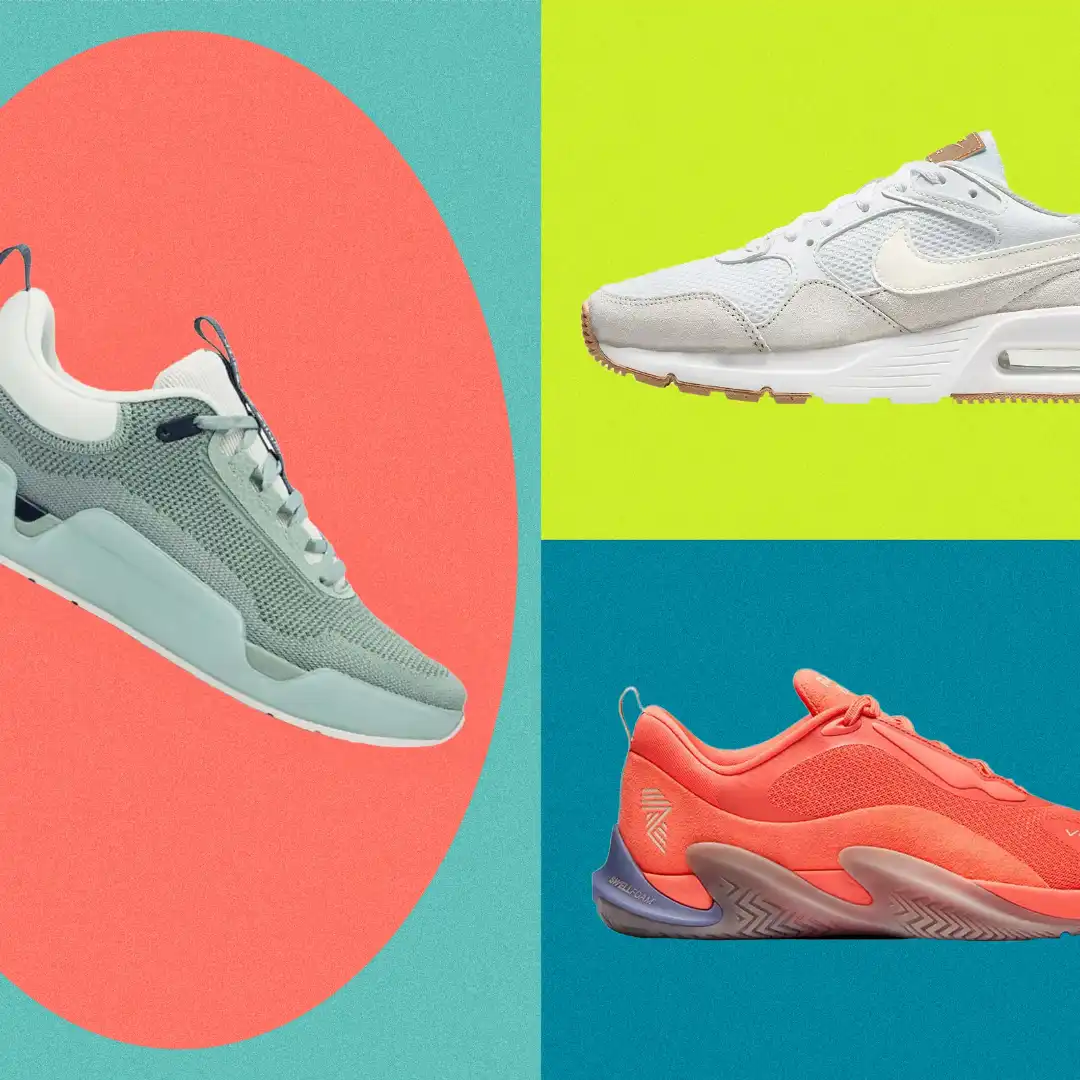
The Complete Scan: Should You Consider a Full-Body MRI?

The Complete Scan: Should You Consider a Full-Body MRI?

Technological advancements in healthcare have provided us with various tools to monitor our health and detect potential issues early. One such tool is the Full-Body MRI. What is a Full-Body MRI? A Full-Body MRI, or Magnetic Resonance Imaging, is an advanced medical imaging technique that uses powerful magnets and radio waves to produce detailed images of the body's internal structures. Unlike traditional X-rays, which utilize ionizing radiation, MRI employs non-ionizing radiation, making it a safer alternative for imaging. Benefits of a Full-Body MRI Full-Body MRIs offer several significant benefits: Comprehensive Imaging: One of the primary advantages is the ability to provide a highly detailed view of all internal organs and tissues, enabling the detection of various health conditions and abnormalities that might not be visible with other imaging methods. Early Detection: Full-Body MRIs can identify issues such as tumors, vascular anomalies, and neurological disorders at an early stage, allowing for timely intervention and potentially improving treatment outcomes. Non-Invasive and Safe: MRIs rely on magnetic fields and radio waves, making them safer for repeated use without the risk associated with ionizing radiation from X-rays and CT scans. This is particularly beneficial for individuals requiring frequent imaging studies. Functional Insights: Full-Body MRIs can provide functional information about certain organs and tissues, such as assessing blood flow, detecting inflammation, and evaluating the health of the brain and spinal cord. Risks and Considerations Despite its benefits, there are several considerations and potential risks associated with Full-Body MRIs: High Cost: Full-Body MRIs are expensive, often not covered by health insurance, and can be a financial burden for many patients. False Positives: The high sensitivity of MRIs can sometimes result in false-positive findings, leading to unnecessary anxiety and additional tests or procedures. Contraindications: Patients with certain implants, such as pacemakers, cochlear implants, or metal fragments in their body, may not be suitable for MRI due to the magnetic field. Duration and Discomfort: MRI scans can be lengthy, lasting up to an hour or more, and require the patient to remain still in a confined space, which can be uncomfortable or anxiety-inducing for some. When to Consider a Full-Body MRI Deciding whether to undergo a Full-Body MRI should be based on individual health needs and risk factors. Here are some scenarios where a Full-Body MRI might be considered: Family History: Individuals with a strong family history of conditions like cancer or cardiovascular disease may consider a Full-Body MRI as part of a proactive health monitoring plan. Persistent Symptoms: If specific symptoms persist despite other diagnostic tests, a Full-Body MRI can provide a more comprehensive evaluation. Preventive Screening: Some people opt for periodic Full-Body MRIs as part of a preventive healthcare regimen, especially if they are at high risk for certain diseases. The Importance of Consultation Medical Expertise: Consulting with a healthcare provider is crucial when considering a Full-Body MRI. A medical professional can assess your health history, risk factors, and the appropriateness of the scan for your situation. Informed Decisions: Your doctor can explain the benefits and potential risks of a Full-Body MRI and may suggest alternative diagnostic tests or screenings that could be more suitable for your needs. Alternatives to Full-Body MRI While Full-Body MRIs are valuable for early detection and comprehensive imaging, other diagnostic tools might be more appropriate for specific conditions: Mammograms and Pap Smears: Effective for breast and cervical cancer screening, these tests are widely used for early detection in women. Colonoscopy: A procedure used to examine the colon and rectum for abnormalities, such as colorectal cancer. Bone Density Scan (DEXA): Utilized to assess bone health and the risk of osteoporosis by measuring bone mineral density. Conclusion Full-Body MRI is a powerful diagnostic tool offering significant benefits, such as detailed imaging and early detection of various conditions. However, it is essential to weigh the benefits against the potential risks and costs. Consulting with a healthcare provider will help you make an informed decision tailored to your health needs and risk factors. FAQs What is the cost of a Full-Body MRI? The cost of a Full-Body MRI varies based on location and the facility providing the service. It is advisable to consult local healthcare providers or imaging centers for specific pricing information. Are there any specific preparations needed before a Full-Body MRI? Preparation instructions may vary, but common requirements include fasting for a few hours before the scan, avoiding certain medications, and wearing comfortable, loose-fitting clothing without metal components. How often should I get a Full-Body MRI? Full-Body MRIs are not recommended for routine use due to the potential for non-ionizing radiation exposure. The frequency of scans should be based on individual health needs and risk factors, as assessed by a healthcare provider.

The Best Cross-Training Shoes, According to Experts and SELF Editors

The Best Cross-Training Shoes, According to Experts and SELF Editors

FitnessThe Best Cross-Training Shoes, According to Experts and SELF EditorsLace up, work out, feel great.By Sara Coughlin and Jennifer HeimlichJuly 3, 2025Photography by Dolly Faibyshev / Gabrielle LangdonSave StorySave this storySave StorySave this storyAll products featured on Self are independently selected by our editors. However, we may receive compensation from retailers and/or from purchases of products through these links.While we love a cushy pair of running shoes as much as the next Hoka queen, they’re not your best bet for hitting the gym. “That cushioning is great for long-distance runs, but it’s very unstable and even potentially unsafe when it comes to moving heavy weight,” Corey Brueckner, NASM-CPT, a general manager at Life Time Studio in Hackensack, New Jersey, tells SELF. You can end up wobbling around, without the stability you need to feel grounded. The fix? Lacing up a pair of the best cross-training shoes instead.While they often look like everyday sneakers, cross-training shoes are impressively versatile, Leakna Ung, DPM, a podiatrist at Hartford HealthCare Connecticut Orthopaedics Institute, tells SELF. They’re designed for strength training, plyometrics, CrossFit, lateral movements, HIIT, and more—any workout where you want to feel nimble at times but stable too.That’s a lot to ask for in one pair of shoes. So we spoke to a handful of experts about the essential features to look for in a good pair of cross-trainers. With their recs in mind—and insights from all of our sneaker testing here at SELF—we found the best options for you to try, no matter your MO at the gym.Our top picksBest Overall:Reebok Nano X5, $140Runner-Up:Nike Metcon 9, $155Most Comfortable:Lululemon Strongfeel, $128Best for Lifting:Puma Fuse 4.0, $120Best for HIIT:Nobull Drive Knit, $149Most Flexible:Nike Free Metcon 6, $125Most Breathable:Adidas Dropset 3, $130Best Barefoot Shoe:Vivobarefoot Motus Flex, $190Best for Workout Classes:Lululemon Chargefeel 3, $148In this articleAccordionItemContainerButtonLargeChevronShop the best cross-training shoesWhat should you look for in a pair of cross-training shoes?Frequently asked questionsShop the best cross-training shoesNow that we’re warmed up, let’s get to the shoes. Below, check out the best cross-trainers, according to experts, editors, and SELF Sneaker Awards testers.Best Overall: Reebok Nano X5ChevronChevronDotsDotsDotsReebokNano X5$140Reebok$150DSWChrista Sgobba, SELF’s director of food and fitness, has worn Reebok Nanos for years. They’re reliable gym shoes that help her feel stable and in touch with the ground while lifting, but don’t feel overly clunky on the elliptical or exercise bike.With its responsive forefoot design, firm heel, and improved fit, the Nano X5 might be the Reebok’s best so far. “One of the changes I’ve liked in this version is that the shoe fits closer to your foot and is a little more streamlined,” Sgobba says. “In earlier versions, I often had to stop during a workout to re-tighten so my foot didn’t slide around, but these remain locked in from the get-go.”Pros & ConsAccordionItemContainerButtonLargeChevronProsConsSupports box jumps and step-upsToo stiff for bouncy movements and certain types of cardio workoutsFirm enough for heavier liftingVery secure fitUnder $150BreathableProduct specsAccordionItemContainerButtonLargeChevronSizes:US 5 to 11 |Widths:MediumRunner-Up: Nike Metcon 9ChevronChevronDotsDotsDotsNikeMetcon 9$160$116(28% off)Nike$116$106(9% off)AmazonLifting, lunging, or climbing ropes? The best-selling Nike Metcon can keep up with all of it. A rigid, stabilizing plate inside the shoe feels sturdy underfoot, while a layer of soft foam in the midsole buoys your feet when you pick up the pace. And rubber panels along the sides of the shoe increase its traction to make climbs easier.“They've got a flat, stable base,” Brueckner says. “They're a really good weightlifting shoe and good for functional movements, like CrossFit or a HIIT cardio class.” Although she admits her feet can get pretty toasty inside at times, she appreciates that the thick upper keeps her feet right in place without any sliding around. “Your foot feels supported when you lace them up tight,” she says.Pros & ConsAccordionItemContainerButtonLargeChevronProsConsSturdy yet flexibleNot very breathableRubber-wrapped sides for rope climbsSleek designCustom colors availableProduct specsAccordionItemContainerButtonLargeChevronSizes:US 5 to 12 |Widths:MediumSenior commerce editor Sarah Felbin testing the Nike Metcon 9:ArrowArrowMost Comfortable: Lululemon Strongfeel Training ShoeChevronChevronDotsDotsDotsLululemonStrongfeel Training Shoe$128$69(46% off)LululemonWhen Sgobba reviewed Lululemon’s Strongfeel shoes a few years ago, they made an impact with their “comfortable yet non-obtrusive” fit. They helped her feet stay planted during squats, deadlifts, and good morning exercises, but also kept them from shifting around during more dynamic moves like reverse lunges and step-ups. Then, when Sgobba wore the Strongfeels on the elliptical, they felt surprisingly flexible.“The Strongfeels are [Luluemon’s] flattest shoe, but they're great for cross-training, too,” Lindsey Bomgren, NASM-CPT, founder of online fitness platform Nourish, Move, Love, tells SELF. “I do sprints in them for short distances.” She adds they’re also great for agility work.Pros & ConsAccordionItemContainerButtonLargeChevronProsConsWide toe boxNot enough cushioning for long-distance runsUnder $130Works for weightlifting and cardio workoutsProduct specsAccordionItemContainerButtonLargeChevronSizes:US 5 to 12 |Widths:MediumShopping market editor Angela Trakoshis testing the Lululemon Strongfeel Training Shoe:ArrowArrowBest for Lifting: Puma Fuse 4.0ChevronChevronDotsDotsDotsPumaFuse 4.0$120PumaIf your cross-training is mostly lifting, try the bestselling Puma Fuse. It’s made for heavy weights, but still bends with your foot (our tester noted the shoe’s flexibility when stepping into lunges during her strength training workouts).“The flat bottom helps me stay stable and really push through the ground for my bigger lifts, especially deadlifts, where you definitely don’t want any wobble,” our tester said. “They’re firm, but not so firm that they hurt or make your feet tired.”Pros & ConsAccordionItemContainerButtonLargeChevronProsConsFirm, stable baseNot suitable for cardio workoutsFlexible where it countsUnder $130Product specsAccordionItemContainerButtonLargeChevronSizes:US 5.5 to 11 |Widths:MediumBest for HIIT: Nobull Drive KnitChevronChevronDotsDotsDotsNobullDrive Knit$149$73(51% off)NOBULLSarah Pope, CPT, a personal trainer at Life Time Clarendon in Arlington, Virginia, likes Nobull’s highly durable shoes for the gym, and the brand’s Drive Knit model won a Sneaker Award last year. Our judges deemed it an exceptional shoe for HIIT fanatics, thanks to its breathable upper, responsive foam midsole, and high-traction rubber sole. (It’s also a great choice if you just prefer shoes with a little more bounce.)Most PopularLife‘Wicked’ Forced Me to Have a Conversation I Hoped My Daughters Could AvoidBy Jessica ShybaHealthThe One Thing That Reliably Kills Norovirus and How to Keep it From Spreading in Your HomeBy Erica SloanRelationships5 Ways to Feel Less Lonely During the HolidaysBy Hannah Smothers“Once the shoe is on—you’ve really got to tug it by the heel loop to get your foot in—it is SO COMFORTABLE,” our tester said. “There’s so much cushion under my feet, but it doesn’t feel bulky or like I’m walking on giant platforms. It’s super lightweight, and after multiple wears I had no blisters, random pains, or shin splints.”Pros & ConsAccordionItemContainerButtonLargeChevronProsConsSpringy yet supportiveRuns small, per the brandFeels comfortable right out of the boxA little hard to pull onUnder $150Product specsAccordionItemContainerButtonLargeChevronSizes:US 5 to 11 |Widths:MediumMost Flexible: Nike Free Metcon 6ChevronChevronDotsDotsDotsNikeFree Metcon 6$125$90(28% off)Nordstrom$125NikePope highly recommends the Nike Free Metcon 5 (which won a Sneaker Award in 2023), so we put the latest version to the test. Designed to feel flexible, stable,andcushy, the Free Metcon 6 is suitable for lifting and cardio, with a grippy sole that matches your foot shape.SELF Healthy EatingGet nutrition tips, delicious recipes, and inspo for your grocery list delivered to your inbox just in time for your weekly meal prep.SIGN UPBy signing up, you agree to our user agreement (including class action waiver and arbitration provisions), and acknowledge our privacy policy.“Wearing these shoes was like having the best of both worlds—I could feel my toes and heels on the ground, but my arches were lifted and supported,” our tester says. “They helped me feel more stable while doing deadlifts and goblet squats. It's so helpful to be able to feel the ground well, similar to how it feels when I'm in socks, but without any sliding because of the grippy soles.”Pros & ConsAccordionItemContainerButtonLargeChevronProsConsGrippy solesOur tester noticed some chafing from the heel collarWide size rangeUnder $140Product specsAccordionItemContainerButtonLargeChevronSizes:US 5 to 15 |Widths:MediumMost Breathable: Adidas Dropset 3ChevronChevronDotsDotsDotsAdidasDropset 3 Strength Training Shoes$130$91(30% off)Amazon$130AdidasOur tester was immediately impressed by Adidas’s Dropset 3 Strength Training Shoes, noting their retro vibe and sleek shape. She also appreciated that they were designed for maximum airflow—the mesh upper helps shed heat, while the insole is perforated to help you cool down during major efforts.Our tester’s pair didn’t quite fit her (she needed to cinch the laces very tightly to prevent her feet from shifting). According to the brand, the Dropset 3 is intentionally wide-cut to accommodate swollen feet—a common side effect of working out for some folks.Pros & ConsAccordionItemContainerButtonLargeChevronProsConsGreat for wide feetToo wide to feel secure, for our testerProvides tons of ventilationOur tester noticed some digging from the heel collarVery stylishUnder $140Product specsAccordionItemContainerButtonLargeChevronSizes:US 5 to 14 |Widths:MediumBest Barefoot Shoe: Vivobarefoot Motus FlexChevronChevronDotsDotsDotsVivobarefootMotus Flex$190Amazon$190REIIf you want your feet to be as flat on the floor as possible, there’s nothing like going barefoot. But that isn’t always the safest approach—especially if you’re lifting heavy weights. So strength coach Roxie Jones, CFSC, founder of BodyRox, recommends Vivobarefoot shoes, which have a minimalist sole and a super wide toe box.Most PopularLife‘Wicked’ Forced Me to Have a Conversation I Hoped My Daughters Could AvoidBy Jessica ShybaHealthThe One Thing That Reliably Kills Norovirus and How to Keep it From Spreading in Your HomeBy Erica SloanRelationships5 Ways to Feel Less Lonely During the HolidaysBy Hannah SmothersThe Motus Flex in particular is designed with a two-part, extra-mobile outsole that mimics the feeling of being barefoot, while still protecting your feet from germs or debris that might end up on the weight room floor.Just know that you may need to pack extra shoes for after your workout. Our tester found they’re not the most comfortable for walking outside, since they lack cushioning, and the thin, foot-shaped sole doesn’t always pair well with more elevated ‘fits.Pros & ConsAccordionItemContainerButtonLargeChevronProsConsGreat for wide feetRuns large—the brand suggests sizing downBreathableFlexible, minimalist soleSuper lightweightProduct specsAccordionItemContainerButtonLargeChevronSizes:US 4.5 to 11 |Widths:MediumBest for Workout Classes: Lululemon Chargefeel 3ChevronChevronDotsDotsDotsLululemonChargefeel 3$148Lululemon“I wore the Chargefeel when I was really big into teaching group fitness, and they were a great shoe for that,” Bomgren says. You get enough bounce for cardio (Bomgren will even slip them on for runs up to three or four miles), but enough stability to ground you during weighted squats and lunges. So, when your Orangetheory instructor has you hopping between the tread, the rower, and the strength training floor, you can feel confident that these shoes are ready to tackle it all.Pros & ConsAccordionItemContainerButtonLargeChevronProsConsBouncy but stableToo cushioned for really heavy liftingHeel lining uses Lululemon’s famously soft Nulu fabricStretchy, breathable upperUnder $150Product specsAccordionItemContainerButtonLargeChevronSizes:US 5 to 12 |Widths:MediumWhat should you look for in a pair of cross-training shoes?Cross-trainers need to be sturdy, durable, and supportive, Dr. Ung says. Here’s what to consider when shopping.Fit and feelAccordionItemContainerButtonLargeChevronLook for flat, wide outsoles that provide a solid foundation for your feet. There should also be plenty of room for your toes to spread out without feeling squished. “Toe splay is super important for good balance, overall posture, and keeping your alignment when you're lifting heavy,” Bomgren says.CushioningAccordionItemContainerButtonLargeChevronThe sole should be firm and flat rather than pillowy,Jones says. “You want to make sure that your foot can grip the ground,” she explains. “That's going to dictate the alignment of your joints, especially for the big exercises like squats or deadlifts.”That said, some people might want a bit of responsiveness in the forefoot for plyometrics or a bootcamp-style workout, Brueckner says. “It's finding that sweet spot of cushion and stability.”StabilityAccordionItemContainerButtonLargeChevronEven if a shoe offers some bounce, it should never feel so squishy that you start to wobble, Brueckner says. You can also look for a shoe with reinforced sides if you need even more support, Dr. Ung adds.Arch supportAccordionItemContainerButtonLargeChevronThe midfoot should match the shape of your foot’s arch, so that it doesn’t collapse or feel forced up too high.Heel-to-toe dropAccordionItemContainerButtonLargeChevronDrop refers to the difference in height between a shoe’s forefoot and heel. A moderate-to-low heel-to-toe drop will help you push through your heels when you lift. “When people are strength training with [a] lifted heel, it tends to throw weight into the balls of their feet, so it puts them in an unsafe position when it comes to big lifting,” Brueckner says.Other featuresAccordionItemContainerButtonLargeChevronFinally, don’t forget about your personal preferences, Pope says. Do you want your shoes to feel especially breathable, or roomy through the toe box? Should they be somewhat stylish, in case you wear them outside of the gym? Dr. Ung recommends trying a few different pairs on to get a feel for what’s truly comfortable for you—and what will get you even more excited to hit the gym.Frequently asked questions about cross-training shoesIs it a good idea to work out in running shoes?AccordionItemContainerButtonLargeChevronNo, according to the experts we spoke with. Pope recommends steering clear of shoes with a “cloud-like” or plush feel—too much cushioning can affect your balance and make it harder to feel the floor beneath your feet. “It's best to perform in a flatter, hard-bottom style shoe to best optimize ground control with your ankle, knee and foot while performing exercises safely and effectively,” she says.Dr. Ung points out that most running shoes have higher arches, thicker soles, and rocker-shaped bottoms. While these features are great for energy return and generating forward momentum, they won’t help you if your goal is to feel stable and grounded. So, it’s better to have a dedicated gym shoe for your workouts (and lace up your runners when you hop on the treadmill).One more thing to note: If you’re mainly a lifter, consider picking up a pair of weightlifting shoes—they’re generally sturdier than cross-trainers and specifically designed for generating power during heavy lifts.Read MoreSELF’s 2025 Sneaker AwardsWe tested more than 200 pairs of sneakers and revisited a year's worth of fashion trends to select the cream of the crop.ArrowRelated:Shin Splints Ruining Your Run? These Sneakers Can HelpThese Ready-to-Drink Protein Shakes Belong in Your FridgeThe Best Pairs of Compression Leggings for an Instant Confidence BoostGet more ofSELF’s stellar product recommendations delivered right to your inbox (for free!).
6 Common Nutrition Habits Sports Dietitians Think Are Wrecking Your Workouts

6 Common Nutrition Habits Sports Dietitians Think Are Wrecking Your Workouts

Fitness6 Common Nutrition Habits Sports Dietitians Think Are Wrecking Your WorkoutsSpoiler: Protein isn’t everything.By Jenny McCoy, C.P.T.July 9, 2025epicurean/Getty ImagesSave StorySave this storySave StorySave this storyYou slip on the fastest sneaks, consistently drag your butt to 6 a.m. spin class, and never skip post-exercise stretching. But if your eating habits aren’t on point? Then sorry, but you’re leaving fitness results on the table.Alex Larson, LD, RDN, a Minnesota-based registered dietitian nutritionist, works exclusively with endurance athletes, and nearly everyone she’s coached—from beginners to expert-level competitors—“has had gaps in their nutrition that affected performance, energy, or recovery,” she tells SELF. Even more concerning, certain fueling mishaps can increase your chances of injury and even harm your overall health.These mistakes aren’t always glaring. Sometimes they’re small, innocuous-seeming habits you may not even be aware of. Other times, they’re actions you intentionally take because someone—maybe your workout buddy, fave spin instructor, or a GymTok influencer—erroneously extolled their virtues. In either case, take heart: These missteps are completely fixable! In fact, making a few small tweaks to your fueling habits “can make a big difference,” Larson says.Read on for some of the most common nutrition mistakes sports dietitians see that wreak havoc on people’s workouts—plus what to do instead.SELF Healthy EatingGet nutrition tips, delicious recipes, and inspo for your grocery list delivered to your inbox just in time for your weekly meal prep.SIGN UPBy signing up, you agree to our user agreement (including class action waiver and arbitration provisions), and acknowledge our privacy policy.1. You don’t eat before tough morning sessions.There are plenty of reasons why people roll out of bed and work out on an empty stomach, including feeling strapped for time, being worried about GI discomfort, or (falsely) believing it’ll improve their performance. And while fasted exercise may be okay for short or low intensity morning workouts—think: light 20 to 30 minute resistance work, yoga, or walks—if you’re doing heavy lifting sessions and endurance exercise lasting 45 minutes or more, you really should prioritize fueling first, Kelly Jones, MS, RD, CSSD, a board-certified specialist in sports dietetics and owner of Student Athlete Nutrition, tells SELF.Unfortunately, a lot of people have missed this memo. In fact, jumping into a workout on empty is the most popular—and problematic—fueling mistake that Colorado-based sports dietitian Alyssa Leib, MS, RD, sees people make.So why’s it so bad? For one, when you exercise, your muscles need fuel to perform their best, and carbs are the best source of that fuel. The thing is, your body can only store a certain amount before you need to replace them by eating more. And if you haven’t eaten in many hours (you know, like…while you’re sleeping), it doesn’t take long to deplete that stash.When that happens, your brain recognizes that you’re low on energy, and to conserve it, it reduces your ability for high-intensity movements, Jones says. The result? You feel sluggish, fatigued, and your performance tanks, Larson explains.More concerning, though, is that fasted workouts are linked with an increased risk of bone injuries. One 2024 study, published in theEuropean Journal of Sport Science, found that endurance athletes who practiced fasted training were 1.61 times as likely to have a bone injury than athletes who ate beforehand. What’s more, if you don’t fuel up before hitting the gym, you’re missing out on an important window to get calories in. Research shows that people who do fasted workouts end up eating fewer calories over the course of the day. Taking in less cals than your body needs can increase the risk of issues like relative energy deficiency in sport (REDs, where your body doesn’t have enough energy to function properly), Leib says. In short, fasted workouts can not only sabotage today’s gym sesh—they can also set you up for some more concerning longer-term health issues.What to do instead:This doesn’t need to be complicated. In fact, having too elaborate of a meal beforehand can backfire by triggering GI issues. So keep things simple: If you’re waking up and hitting the gym or the roads very soon after, eat some carbs with very little fiber and no protein 5 to 15 minutes before breaking a sweat, Jones says. Examples include dates, a spoonful of honey, or even juice or a sports drink, she says. Worried that it won’t sit well with your stomach? “Start small,” Leib advises. “Whatever you can get in is better than nothing.”If you have a little more time––think: 30 to 90 minutes before your workout—nibbling on a more substantial snack with a balance of different macros (not just carbs) is ideal, Jones says. This could look like a banana and peanut butter with half of a whole-grain English muffin. Everyone is different in terms of what foods they can comfortably stomach and when, so it may take some trial-and-error experimentation to figure out what combo is ideal for you, Jones caveats.2. You overdo it on fiber.Colorectal cancer rates are rising, especially among younger people, and eating enough fiber is one of the best things we can do to reduce our risk, according to Leib “Fiber definitely matters,” she says. But there’s some nuance here: Eating toomuchof it before a workout—say, a big ol’ salad before your afternoon spin class, or a large apple on your way to running club—can cause some not-so-pleasant GI issues. That’s because even though fiber is a carb, it’s a complex one, and we don’t fully digest it like we do other, simpler carbs. “Our bodies can't process it, which is why it's so good for our gut, because it basically just helps keep things moving through our digestive system,” Leib explains. But that also means it hangs out in our system for a long time, which makes it more likely to get bounced around during exercise and cause problems like bloating, diarrhea, and gassiness. This is why eating a fiber-filled snack or meal too close to a workout–for example, scarfing a heaping bowl of oatmeal topped with berries, nuts, and seeds shortly before you head out on a run—can seriously backfire.Most PopularLife‘Wicked’ Forced Me to Have a Conversation I Hoped My Daughters Could AvoidBy Jessica ShybaHealthThe One Thing That Reliably Kills Norovirus and How to Keep it From Spreading in Your HomeBy Erica SloanRelationships5 Ways to Feel Less Lonely During the HolidaysBy Hannah SmothersWhat to do instead:Load up on fiberafteryour workout, and stick to more easily digested carbs (say, white toast, graham crackers, or a banana) beforehand. Keep in mind the daily recommended amounts of fiber—25 grams for women and 38 grams for men—and strive to meet those benchmarks by prioritizing the nutrient during the meals and snacks that don’t directly proceed your sweat sessions.3. You’re laser-focused on protein—and nothing else.A simple scroll of FitTok shows that protein is all the rage right now. And while overall daily intake of it trulyisimportant, it’s not something you want to hit heavy right before you break a sweat—especially if you’re doing a cardio-centric workout, Leib explains. One reason? Similar to fiber, protein takes a while to digest, so if you have a ton of it right before you get moving, you run the risk of GI unpleasantness.Another reason is that carbs are your muscles' preferred source of energy. That isn’t to say your body can’t power your movements using protein; itcan, but the process isn’t as quick or efficient, especially if you’re doing high-intensity exercise, like sprinting or jumping, Leib explains. So if you overdo it on protein to the detriment of carb intake, you’re basically shortchanging your performance.What to do instead:There’s admittedly a lot of nuance here. Consuming some pre-workout protein, like a tablespoon or two of peanut butter, can be okay—especially if you’re embarking on a longer session (think: a two-hour marathon training run) and eating carbs too, Leib says. That’s because it’s a filling macronutrient that can prevent hunger pangs from striking mid-exercise. But if you’re doing, say, a 45-minute gym workout, reaching for quick digesting carbs is going to be your better bet, Leib says. Either way, make it a goal to load up on protein after you exercise, and also during times of the day that aren’t directly before a workout.4. You swear off all processed foods.Processed foods (especially ultra processed foods, or UPFs, like packaged sweet and savory snacks, flavored yogurts, frozen meals, and energy drinks, just to name a few examples) have been vilified lately, as various research links a diet high in UPFs to a slew of negative health outcomes. But that’s not thecompletestory, as SELF reported previously, and swearing off this entire food category isn’t realistic or even recommended for most people. In fact, Leib sees certain processed foods—like graham crackers, sports drinks, and fruit snacks, for example—asoptimalsources of pre- and mid-workout fuel. That’s because they digest quickly, giving your muscles quick access to energy, and they often don’t cause GI issues. Plus, they’re really convenient, making them a feasible fueling option for people who may otherwise just not eat.Most PopularLife‘Wicked’ Forced Me to Have a Conversation I Hoped My Daughters Could AvoidBy Jessica ShybaHealthThe One Thing That Reliably Kills Norovirus and How to Keep it From Spreading in Your HomeBy Erica SloanRelationships5 Ways to Feel Less Lonely During the HolidaysBy Hannah SmothersWhat to do instead:To be clear, we’re not advocating for a full-on, UPF-only diet. “I talk with a lot of athletes about the difference between what you’re eating around a workout and then what you’re eating in your day to day life,” Leib says. Just know that as long as you’re meeting your overall nutritional needs—for example, you’re gobbling enough fruits, veggies, whole grains, lean proteins, and fiber in the rest of your day—“eating some candy to fuel your run is not only totally fine, but it's probably the optimal situation,” Leib says.5. You neglect post-workout food.We’ve all been there: You finish that bootcamp workout at 5:00 p.m. but your dinner reservation isn’t until 7:30. You don’t want to ruin your appetite, so you hold off on eating. No biggie, right? Turns out, thisisa biggie…specifically, a big no-no. That’s because waiting too long to eat after exercise can delay muscle repair, increase soreness, and leave you drained for your next session, Larson explains.What’s more, the ideal post-workout snack includes a mix of carbs and protein, and if you skimp on carbs specifically, you can reduce your body’s stores of muscle glycogen, the go-to fuel for exercise, which can shortchange your performance in your next workout. On the protein front, that macronutrient is important for muscle recovery, so “having it available when muscles are the most stressed may be helpful,” Jones says. And the International Society of Sports Nutrition recommends consuming protein every three to four hours to maximize muscle repair and growth, Jones points out. So if you take pre-exercise meal timing into consideration, waiting much more than two hours after your workout to eat protein likely means going more than four hours without this powerhouse nutrient, she explains.Most PopularLife‘Wicked’ Forced Me to Have a Conversation I Hoped My Daughters Could AvoidBy Jessica ShybaHealthThe One Thing That Reliably Kills Norovirus and How to Keep it From Spreading in Your HomeBy Erica SloanRelationships5 Ways to Feel Less Lonely During the HolidaysBy Hannah SmothersWhat to do instead:Aim to eat a snack that mixes carbs and protein—like chocolate milk, a smoothie, or a turkey sandwich—within 60 minutes of a workout, Larson suggests. Or, if you can have a full performance meal—which Jones defines as a starch, protein, veggies and/or fruit, as well as some healthy fats—within 60 to 90 minutes of a tough workout, you may not need that post-exercise snack, she says. Meal examples include a marinated shrimp, rice, and veggie bowl; peanut noodles with tofu and snap peas; or a veggie omelet with sourdough, she says.6. You pound pre-workout.There’s no debate that caffeine can level up your workout performance (tons of research backs this up), which is why Jones is a fan of sipping coffee pre-exercise or leaning on caffeinated gels during endurance training and racing. Butconstantlyreaching for specific energy drinks and pre-workout bevs can cause you to take in large amounts of other stimulants, like glucuronolactone, taurine, and guarana, that aren’t well studied. This means we don’t know what dosing of these stimulants is safe. Plus, keep in mind supplements are poorly regulated in the US, so it’s hard to know what substances (and how much of them) are actually in pre-workout and energy drinks, unless they are third-party tested, Jones explains.To boot, if you’re hyper-focused on caffeine and pre-workout drinks, you may neglect adequate fluids, carbs, and electrolytes for energy and hydration, Jones points out. And, if you take in too much caffeine—think: over 6 milligrams of caffeine per kilogram of bodyweight a day, which, for a 150-pound person, equates to about 400 milligrams, the equivalent of about four cups of brewed coffee—it can trigger the excessive loss of fluids and some minerals, including electrolytes. That can be a problem, since just a 2% fluid loss can result in decreased physical and cognitive performance, according to Jones.Most PopularLife‘Wicked’ Forced Me to Have a Conversation I Hoped My Daughters Could AvoidBy Jessica ShybaHealthThe One Thing That Reliably Kills Norovirus and How to Keep it From Spreading in Your HomeBy Erica SloanRelationships5 Ways to Feel Less Lonely During the HolidaysBy Hannah SmothersWhat to do instead:Jones encourages highly active folks to choose coffee or beverages such as Yerba mate over energy drinks, and also to add electrolytes to water. With coffee and Yerba mate, “you can be more confident knowing you are getting caffeine as your stimulant, with estimates of quantity depending on your brewing style,” she explains. Some of her go-to electrolyte products include Now effer-hydrate tabs, Skratch daily hydration, and Designs for Sport hydration.Related:5 Foods You Really Want to Avoid Before Working Out7 Best Whey Protein Powders for Truly Tasty Shakes9 Common Snacking Mistakes You’re Probably Making—and What to Do InsteadGet more of SELF’s great service journalism delivered right to your inbox.

We Found the Only Prime Day Sneaker Deals Worth Shopping

We Found the Only Prime Day Sneaker Deals Worth Shopping

FitnessPrime Day Sneaker Deals: 47 Best Sales to Shop Now | 2025Step up your game with discounted Adidas Sambas, New Balances, and more.By Sara Coughlin and Jessica KasparianJuly 11, 2025Courtesy of the brands / Gabrielle LangdonSave StorySave this storySave StorySave this storyAll products featured on Self are independently selected by our editors. However, we may receive compensation from retailers and/or from purchases of products through these links.Updated at 7:56 A.M. on July 11, 2025.Amazon has gone all-out for its extra-long Prime Day this year—so much so that it's hard to know where to start. Our recommendation? The Prime Day sneaker deals. Savings on bestselling walking shoes, running shoes, cross trainers, and more slowly rolled out as part of the retailer's early Prime Day deals. But now that the sale is in full swing, there are simply too many options to count.SELF Healthy EatingGet nutrition tips, delicious recipes, and inspo for your grocery list delivered to your inbox just in time for your weekly meal prep.SIGN UPBy signing up, you agree to our user agreement (including class action waiver and arbitration provisions), and acknowledge our privacy policy.Prime Day officially ends today, but you can still take your pick from markdowns on brands like Brooks, Asics, Puma, and Saucony. Or, if you want to save some time, let us do the legwork: You can scroll down and shop the very best of the sale right here.There's just one catch: The best deals are only available to Amazon Prime members. Sign up for a free 30-day trial now to make the most of the sale (and get fast and free shipping while you're at it). Now, step right up to start shopping.The best Prime Day sneaker deals we've found so farBrooks Ghost 16—originally $140; now$100 (29% off)Adidas Sambas—originally $170; now$160 (53% off)Asics Gel-Kayano 31—originally $165; now$125 (24% off)Veja Rio Branco—originally $160; now$120 (25% off)Merrell Moab Speed 2—originally $140; now$100 (29% off)Reebok Club C 85—originally $90; now$67 (25% off)In this articleAccordionItemContainerButtonLargeChevronBest cross trainer dealsBest running shoe dealsBest walking shoe dealsBest casual sneaker dealsBest hiking shoe dealsBest slip-on sneaker dealsBest travel shoe dealsBest court sport sneaker dealsBest cross trainer dealsChevronChevronDotsDotsDotsAdidasDropset 3 Strength Training Shoes$130$91(30% off)Amazon$130AdidasLifters with sweaty feet, this one's for you: The Dropset 3 was impressively breathable (but still as sturdy as you'd want a gym to be) when we tested it last year.ChevronChevronDotsDotsDotsVivobarefootMotus Flex$190Amazon$190REIStrength coach Roxie Jones, CFSC, founder of BodyRox, previously told SELF that Vivobarefoot isthebrand to shop if you prefer minimalist shoes for working out.ChevronChevronDotsDotsDotsRykaWomen's Influence Cross Trainer$90$66(27% off)AmazonIts roomy toe box and multiple width options make the Ryka Influence a great pick for weightlifters and gym rats with wide feet.ReebokNano X4$99Amazon$140$91(35% off)Zappos$150$80(47% off)ReebokSELF's director of fitness and food has worked out in Reebok Nanos for years because they're so darn versatile. She can wear them for lifting, plyometrics, circuit workouts, and even light cardio.ChevronChevronDotsDotsDotsRykaVida RZX$100$75(25% off)Amazon$70RykaWant to stay light on your feet in your next dance cardio class? Stevie Eberle, SCW, AFAA, a personal trainer and fitness instructor at Bay Club Redwood Shores in California, previously recommended these Ryka sneaks to SELF.Best running shoe dealsChevronChevronDotsDotsDotsAdidasSupernova Ease$56$28(50% off)Amazon$100$82(18% off)Zappos$100$40(60% off)AdidasThis surprisingly budget-friendly running shoe from Adidas is great for beginners and super comfy.ChevronChevronDotsDotsDotsBrooksGhost 16 Running Shoes$149AmazonWith its just-right heel stack, multiple width options, and workhorse design, the Ghost is a total crowdpleaser. Pretty much every runner will find something to love about it.ChevronChevronDotsDotsDotsAltraTorin 8$150$110(27% off)Amazon$150REICurious about zero-drop running shoes? Altra is a great brand to start with—and the Torin is an especially good option for logging major miles.ChevronChevronDotsDotsDotsAsicsGel-Kayano 31$165$125(24% off)Amazon$165$110(33% off)Nordstrom$165$125(24% off)REIExperts recommend the Asics Gel-Kayano for anyone who needs extra stability and support in their shoes, like overpronators and folks with flat feet.BrooksGlycerin 21 Neutral Running Shoe$160$145(9% off)AmazonAnother Sneaker Award winner, the Glycerin 21 has pillowy soft cushioning and a wide, stable outsole.ChevronChevronDotsDotsDotsSauconyEndorphin Speed 4$170$105(38% off)Amazon$170$127(25% off)REI$170$125(26% off)SauconyYou're in for a snappy, speedy ride in this Saucony runner, which features a propulsive carbon plate.ChevronChevronDotsDotsDotsNew BalanceFuelCell SuperComp Elite v4$250$221(12% off)Amazon$250$200(20% off)New BalanceRace day shoes can get pricey, so jump on this deal while you can. You'll thank your past self come marathon season.AdidasSupernova Rise$140$105(25% off)AmazonThese SELF Sneaker Award–winning running shoes provide the stability you need to cruise through marathon training or casual jogs.Best walking shoe dealsChevronChevronDotsDotsDotsRykaDevotion X$75Amazon$90Nordstrom$120$90(25% off)ZapposAs a commerce writer who spends a lot of her free time testing sneakers, the Devotion X is one of my all-time faves: It's flexible, lightweight, and has a supportive insole for my low arches.ChevronChevronDotsDotsDotsSkechersMax Cushioning Elite 2.0$111$73(34% off)Amazon$105SkechersSpending all day on your feet? Skechers's Max Cushioning Elite was made for that. It has a high stack of foam that softens your steps without making you feel wobbly.ChevronChevronDotsDotsDotsNew Balance608 V5 Cross Trainers$80$55(31% off)Amazon$75New BalanceThese New Balances turned one dad shoe skeptic on the SELF team into a believer. "Never in a million years did I think that I would love a pair of New Balances like I love this shoe," she says. "Comfortable and cute—double win!”ChevronChevronDotsDotsDotsDr Scholl’sHannah Retro Sneaker$100$37(63% off)Amazon$100$60(40% off)DSWOne SELFer wears their Hannah Retro sneakers with jeans, skirts, athleisure and beyond: "It feels on-trend strutting about New York City.”ChevronChevronDotsDotsDotsBrooksGhost Max 2 Running Shoes$150$116(23% off)AmazonI've had my Ghost Max 2s for months, and I still get excited to put them on for long walks around the neighborhood. They're bouncy and plush enough to keep me going for hours.VionicWalk Max Lace Up Sneakers$140$89(36% off)Amazon$140Vionic$140ZapposThis Sneaker Award winner is made for heavy-duty walking. Our tester anticipated having her pair for years to come.Best casual sneaker dealsChevronChevronDotsDotsDotsCole HaanGrandPro Topspin Triple Strap$160Amazon$160$120(25% off)Nordstrom$160$144(10% off)ZapposWe're calling it: This polished SELF Sneaker Award–winner will immediately become your main office sneaker.ChevronChevronDotsDotsDotsDr. Scholl’s ShoesTime Off Sneaker$100$75(25% off)Amazon$100$60(40% off)DSW$70Dr. Scholl’sDr. Scholl's is known for making supportive, arch-friendly sneakers, and these ones definitely deliver. They'll go with any outfit, and they have a platform that makes them look slightly more elevated (pun intended).ReebokClub C 85 Vintage Sneaker$90$85(6% off)AmazonWe can't think of many sneakers with the same staying power as Reebok's Club C 85—it's a true classic that only gets comfier the more you wear it.AdidasClassic Samba OG Sneakers$160AmazonStill haven't gotten your hands on a pair of Samba sneakers? Now's your chance to snag them on sale.FilaDisruptor II Sneaker$70$50(29% off)AmazonThese bold sneaks are giving “dad sneaker” in the best way.VejaRio Branco$160$90(44% off)AmazonWe love these retro-esque Veja sneakers—the mix of mesh and suede adds to their effortlessly cool vibe.Best hiking shoe dealsChevronChevronDotsDotsDotsMerrellMoab Speed 2$140$100(29% off)Amazon$140$66(53% off)Zappos$140$91(35% off)Backcountry$140MerrellLeave it to Merrell to show just how cute a hiking shoe can be. The Moab Speed 2 impressed our tester with how stylish, supportive, and grippy it was during her outings.ChevronChevronDotsDotsDotsSauconyPeregrine 12 Trail Running Shoe$120$80(33% off)AmazonThe rugged Saucony Peregrine is a long-standing fave among trail runners who regularly tackle tough, technical terrain.ObozKatabatic Mid Waterproof$190$88(54% off)Amazon$190$133(30% off)Zappos$190$135(29% off)ObozHere's a rugged hiking boot with all the sleek style of a sneaker. The Oboz Kabatic is a great pick for hiking long distances, even in wet conditions—its B-Dry lining seals out water, so you stay dry and comfy.ColumbiaNovo Trail Shoe$75$60(20% off)Amazon$75ColumbiaIf you're setting out on mostly flat, easy-to-moderate trails, you'll love Columbia's Novo Trail Shoe. It has a plush, shock-absorbing ride that'll keep your joints happy.ChevronChevronDotsDotsDotsSalomonSpeedcross 6 Trail-Running Shoes$145$99(32% off)Amazon$145REI$145SalomonMultiple trail running experts have recommended Salomon's lightweight-yet-cushioned Speedcross to SELF. It's shock-absorbing and protective, but doesn't feel bulky.SalewaMountain Trainer Lite Mid GTX Hiking Boot$150Amazon$220BackcountryAccording to travel blogger Sveva Marcangeli, this Salewa boot is about as versatile as hiking footwear gets. “I’ve used these to hike boulders and canyons in Arizona, and mountains in Italy—they really fit all needs," she says.Best slip-on sneaker dealsDr. Scholl'sMadison Cloud Slip On Sneaker$80$55(31% off)Amazon$80$57(29% off)Zappos$80$50(38% off)DSWHands-free slip-on sneakers like the Madison Cloud make getting dressed and out the door so much easier on busy days.TiemSlipstream Cycling Shoe$145Amazon$135ZapposThese 2024 Sneaker Award winners are the perfect balance of sturdy and cushioned—a must when you're pedaling fast.New BalanceDynaSoft Nergize Sport V2 Cross Trainer$68AmazonThese lightweight, breathable kicks have a durable rubber outsole that'll keep you stable on the gym floor.ChevronChevronDotsDotsDotsAllbirdsTree Loungers$100Amazon$100AllbirdsOwners of sweaty feet will love these breezy sneaks from Allbirds. They keep air flowing and have a perfectly comfy-casual look.Best travel shoe dealsChevronChevronDotsDotsDotsReebokClassic Nylon Sneaker$75$40(47% off)Amazon$60Target$75$55(27% off)ReebokNo break-in period, a timeless look, and a sub-$100 price tag? This classic Reebok might be the perfect sneaker for traveling.New BalanceFresh Foam X 1080v13$165$150(9% off)Amazon$165$98(41% off)REI$165NordstromExploring a new city means logging major miles. With its thick—yet lightweight—foam midsole, this Sneaker Award winner is up to the task.VejaVejaVejaChevronChevronDotsDotsDotsVejaCampo$162$122(25% off)Amazon$160Nordstrom$160VejaTrying to save space in your carry-on? A good white sneaker, like the SELF editor-approved Veja Campo, can work with casual and dressier looks alike.ChevronChevronDotsDotsOnCloud 5 Running Shoes$230$171(26% off)Amazon$110OnOn's bestselling Cloud 5 sneakers are surprisingly great for long trips. They pack easily, feel light on your feet, and can hold up after long days spent strolling.Best court sport sneaker dealsK-SwissPickleball Supreme Shoe$130$94(28% off)AmazonIf you're idea of training involves playing a few rounds of pickleball, you need these SELF Sneaker Award–winning shoes from K-Swiss. They have grippy outsoles that'll make sure you don't slide on the court.ChevronChevronDotsDotsDotsAsicsSolution Speed FF 3$140$120(14% off)Amazon$140AsicsThese won the title of best tennis shoes in our Sneaker Awards because they're super comfy. One tester says the sides are especially supportive, which is important for lateral movements as you volley.ChevronChevronDotsDotsDotsAdidasBarricade 13 Tennis Shoes$159Amazon$160ZapposEric Davidson, a tennis supervisor at Midtown Athletic Club and a member of the Wilson Select Team, previously recommended these Adidas sneakers to SELF because they sit low on the ankle, so you can focus on the game (not your sneaks).NikeClassic Lebron Witness VII$100$88(12% off)AmazonThese basketball sneakers will definitely stand out on the court—and they're LeBron James-approved.ChevronChevronDotsDotsDotsLi-NingWade All City 12$150$98(35% off)Amazon$149Way of Wade$157GoatElizabeth Daughtry, DPM, FACFAS, a podiatrist based in North Carolina, recommended these basketball sneakers to SELF for playing on outdoor courts because they have impressive traction. Right now, they're on sale, when you use an on-page coupon.Even more Prime Day deals:The Best Amazon Prime Day Deals to Shop in 2025Our Favorite Amazon Prime Day Skin Care Deals to Shop ASAP19 Amazon Prime Day Vacuum Deals That SuckEverything SELF Editors Are Buying This Prime DayWe Found the Best Early Deals at the Nordstrom Anniversary SaleGet more ofSELF’s deal alerts and product recommendations delivered right to your inbox (for free!).

advertisement