advertisement

Recent Posts








Featured Posts
Most Read
The Best Brain-Boosting Workout for Women—and How to Fit It Into Your Routine
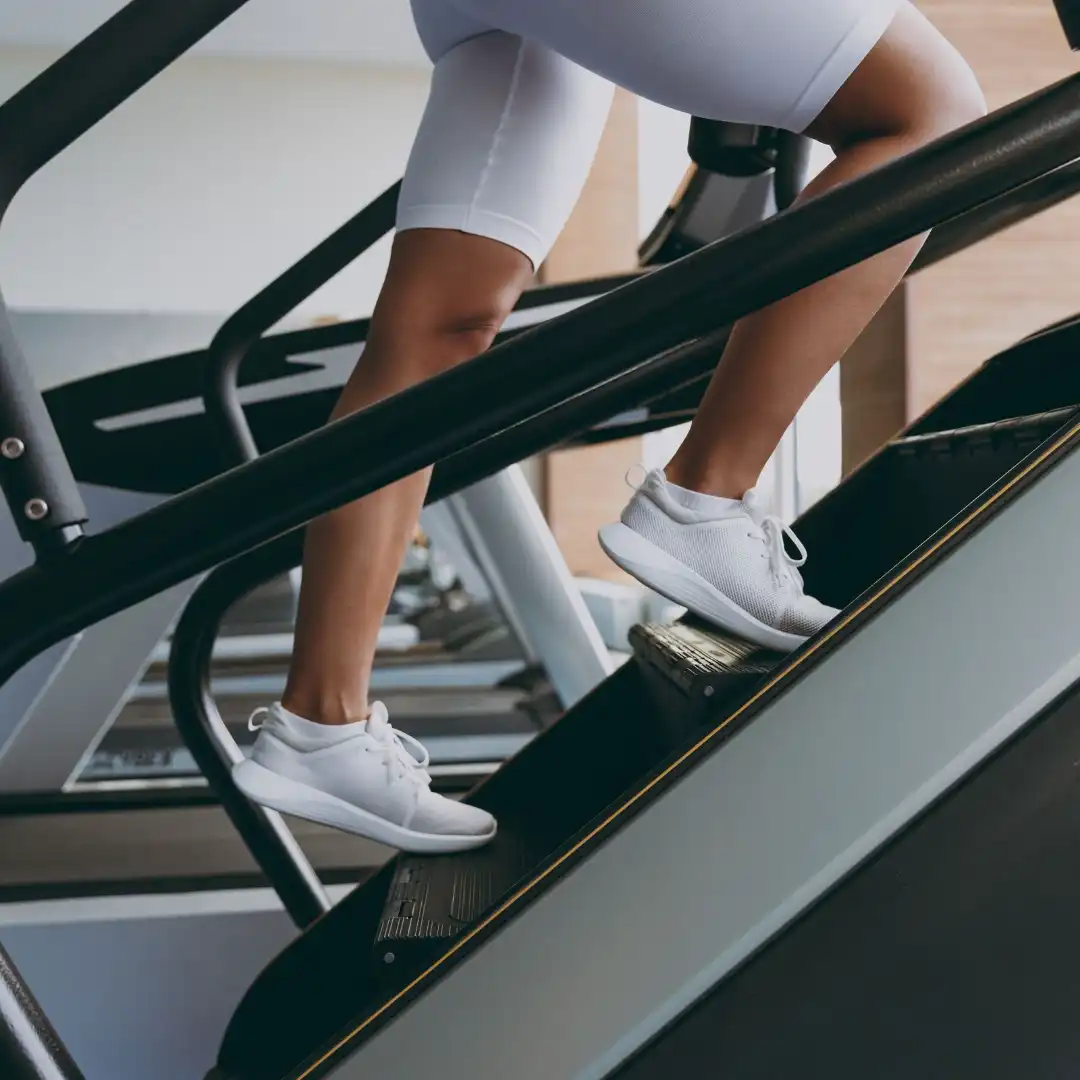
FitnessThe Best Brain-Boosting Workout for Women—and How to Fit It Into Your RoutineA bonus? It’s ideal for people with little time to exercise.By Erica SloanNovember 25, 2025ViDi Studio/Adobe StockSave StorySave this storySave StorySave this storyZone 2 cardio workouts have gotten a lot of love lately. The second least-intense type of cardio on a scale of 1 to 5, zone 2 involves raising your heart rate only a bit—to 60% or 70% of your max. It puts little stress on the body and therefore doesn’t trigger the kind of cortisol spike (albeit, atemporaryone) that more intense workouts can bring. Hence why a lot of women, particularly those in midlife, tend to hang out in this zone, Louisa Nicola, MMed, a New York–based neurophysiologist who studies Alzheimer’s disease in women, tells SELF. But there’s real value in bumping up the effort to zone 5 (or 90% of your max heart rate) every so often, particularly for your brain health, she says.To be sure, doinganyform of movement offers some brain-boosting benefits: It can help stem inflammation, shuttle more blood (and therefore, more oxygen and nutrients) to your brain, and even pump out proteins that support the growth of new brain cells or strengthen their connections. With zone 5 cardio, though, you can magnify several of these effects and channel others that may come only with that extra burst of intensity.SELF Healthy EatingGet nutrition tips, delicious recipes, and inspo for your grocery list delivered to your inbox just in time for your weekly meal prep.SIGN UPBy signing up, you agree to our user agreement (including class action waiver and arbitration provisions), and acknowledge our privacy policy.For instance, a 2024 study of older adults suggests brief bouts of zone 5 cardio interspersed with recovery periods can trigger better performance on memory testsandless age-related shrinkage of the brain’s memory center, as compared to low- or medium-intensity exercise. And a 2020 study found that high-intensity interval training (HIIT) (not moderate-intensity continuous training or resistance training) improved older adults’ cognitive flexibility, or ability to quickly switch between mental tasks. Keep reading to learn why incorporating zone 5 cardio in your workout routine may help keep your brain sharp, and how Nicola suggests everyone—particularly women in midlife—do just that.Why high-intensity cardio especially supports brain healthJamming out quick bursts of high-key cardio increases your VO₂ max, or the max rate at which your body can use oxygen during exercise; a higher level reflects greater cardiorespiratory fitness. This, coupled with the “sheer shunting of blood to the brain during high-intensity training can benefit brain health,” Nicola says, “as the brain is a highly vascular organ and needs a constant supply of blood flow to function at its peak.” Hence why studies have linked greater cardiorespiratory fitness and higher VO₂ max to better working memory, decision-making, and processing speed, as well as lower risk of dementia.That’s an especially relevant finding for perimenopausal women, Nicola says. The related drop in estrogen can lead to dips in muscle mass and fitness; if you don’t mitigate these shifts by keeping on top of physical activity, including high-effort cardio, you could then put your brain at greater risk of decline too, she explains.At the same time, intense zone 5 cardio sparks an especially “robust” release of proteins like brain-derived neurotrophic factor (BDNF), Nicola says, which are produced as a result of muscle contractions and support the growth of and connections between brain cells. And research suggests greater BDNF levels coincide with boosts in cognitive performance.Vigorous cardio sprints also make use of fast-twitch muscle fibers, which tend to diminish rapidly with age, Nicola points out. In order to move quickly, these muscle fibers have to fire off and receive signals from your brain in fast succession, which can improve your mind-muscle connection, ultimately enhancing your agility and coordination. That makes you less likely to stumble and fall, which can also help reduce your overall risk of dementia.How to work zone 5 cardio into your routine and reap the brain benefitsOne of the biggest upsides of high-effort cardio is its low time footprint, Nicola says: It involves brief sessions just a couple times a week, max. (The greater intensity means you can only keep it up for so long, and the additional strain on the body necessitates more recovery time between sessions.) It’s the reason Nicola often tells the time-strapped women she works with toprioritizequick hits of zone 5 cardio and heavy resistance training—the kinds of exercise that offer the most bang for your buck—and leave the lighter cardio, like walking or jogging, “as a bonus activity, in case you find some downtime.”As for what that cardio burst might look like? Nicola suggests choosing an activity you enjoy that significantly raises your heart rate, like cycling, running, swimming, or, her personal favorite, climbing on the StairMaster. If you don’t typically do much cardio, start with very short spurts: 20 or 30 seconds pushing as hard and fast as you can, followed by 40 seconds to a minute of rest, and repeat five to 10 times, or whatever feels doable.Most PopularLife‘Wicked’ Forced Me to Have a Conversation I Hoped My Daughters Could AvoidBy Jessica ShybaHealthThe One Thing That Reliably Kills Norovirus and How to Keep it From Spreading in Your HomeBy Erica SloanRelationships5 Ways to Feel Less Lonely During the HolidaysBy Hannah SmothersIf you’re a regular cardio-doer, consider bumping up the length of the work interval—Nicola, for one, goes hard out on the step machine for two minutes, then rests for two minutes, and repeats that for 20 minutes total. (She sets the machine to a level 15, or a pace of around 110 steps per minute, or higher, depending on how she’s feeling.)The “gold standard” for a high-key cardio push is the Norwegian 4x4 workout, Nicola notes, which involves a circuit of four minutes at max intensity followed by three minutes of light exercise, repeated four times. But that’s alongtime to be in zone 5, she says, typically only possible for endurance athletes. For everyday gym-goers, by contrast, it’s more practical (and safer) to do zone 5 cardio in quicker bouts of a few seconds to a couple minutes, she says. And as with any type of exercise, listen to your body: While the benefit of zone 5 cardio may come from reaching that breathless, heart-racing state, if you start to feel lightheaded or woozy, or experience any other abnormal symptom, pause right away. Pushing it too hard can negate the host of benefits you could otherwise gain.Related:I’m a Neurologist, and Here’s the No. 1 Thing I See People Do That’s Bad for Their Brain6 Things to Do in Your 30s to Improve Your Memory for the Long HaulDo I Get a ‘Better’ Cardio Workout If I Go Faster or Longer?Get more of SELF’s great service journalism delivered right to your inbox.

Farewell to arms as the demand for weapons skyrockets in uncertain times
The world’s largest aerospace and defence companies look set to earn record revenues as countries seek to rearm in the light of the Ukraine and Gaza wars. This reported bonanza is hardly surprising, given the vast expenditure of munitions and materiel in both conflicts. It’s a marked departure from the decades of relative peace following the demise of the Soviet Union. Armed forces around the globe shrunk, with some notable exceptions, as governments spent on other priorities. Nowhere was this trend more acute than in Western Europe – but that peace is now over.The alarm bell first went off in 2014 when Russia illegally occupied Crimea and the snooze button was permanently switched off with the subsequent full-scale invasion of Ukraine in February 2022. Governments belatedly woke from their slumber and looked to their armed forces once more. Many were embarrassed by the decline that had taken place when they weren’t looking. Countries had grown complacent and were now playing catch-up. There was also a stinging realisation that expanding armed forces and equipping them adequately would not happen overnight. Many domestic defence-industry manufacturers of the past were simply no longer in business.So does all of this signify a boom time for the arms industry? Yes and no. Certainly, a huge amount of materiel and ammunition has been sent to – and expended by – Ukraine. Much of it has come from the national stocks of its allies, which now need to be replenished as quickly as possible. Likewise, Israel has been kept supplied in its struggle against Iran’s proxies, particularly Hamas and Hezbollah, by weapons exports primarily from the US, Germany and Italy. However, while it might seem as though the current conflicts have made it a seller’s market and that manufacturers have been given a licence to print money, other factors come into play. And politics, both global and domestic, is never far away.Demand for weapons and equipment around the world has clearly increased. But in the words of the Rolling Stones, “You can’t always get what you want.” The US and other Western nations have supplied some support to Ukraine reluctantly and placed restrictions on its use. Governments are also facing increasingly vociferous demands from pro-Palestinian activists to halt arms sales to Israel while the war in Gaza continues. The UK has now partially bowed to popular pressure; the US and others have not. Manufacturers are being curtailed from making as much as they might like to do as a result.There are domestic constraints too. The UK’s Ministry of Defence has committed £7.6bn (€9bn) in military aid to Ukraine over the past three years. Stockpiles of ammunition and other materiel have been run down because of both government parsimony over past decades and donations to other nations, to the extent that the recent chief of the general staff, Sir Patrick Sanders, said, “It would make your hair stand on end.” At the same time, the incoming Labour administration has been startled by the poor state of the nation’s finances, meaning little guarantee can be given on future arms orders.The UK government has commissioned yet another strategic defence review, which cynics say is a euphemism for future defence cuts. The country’s armed forces are in dire straits, with a projected £80bn (€95bn) “hole” in its budget over the next decade and clearly some equipment programmes might have to be cancelled to balance the books. There is a very real possibility, therefore, that the arms boom will be short-lived, unless governments, from the UK to Germany, commit to serious investment in new production facilities, plus storage space for armaments. This could take time, if it happens at all.The challenge for the defence industry is a long-term conundrum. Is it worth investing further? And most importantly, who is going to pay?Born in Glasgow, Crawford is a journalist and former soldier who served the UK over a 20-year career.

Why Do I Sometimes Sob Right in the Middle of My Peloton Workout?!
FitnessWhy Do I Sometimes Sob Right in the Middle of My Peloton Workout?!An explanation of why sweat isn’t always the only kind of waterworks in production.By Julia Ries WexlerAugust 21, 2025Henrik Sorensen/Getty ImagesSave StorySave this storySave StorySave this storyThe other day, I was approximately 20 minutes into a 45-minute Gwen Stefani–themed Peloton ride when my chest tightened, throat tingled, and cheeks flushed. Stefani’s 2000 banger “Simple Kind of Life” had been playing and suddenly, out of nowhere, I was full-on sobbing.This wasn’t the first time I broke down on my black-and-red stationary bike. In fact, I have to confess, it’s a somewhat regular occurrence. And looking atReddit, it appears I’m in good company. Some folks actually do Peloton workoutsspecificallyfor the emotional release and say it’s the only place they’re able to get their tears out. “For me, they’re like 20-minute therapy sessions,” one user wrote.To understand what’s causing me—and others in my virtual Peloton—to turn on the waterworks mid–faux hill, I called up two psychologists and asked them: Why the hell do my Peloton rides turn into literal sob-fests? Does this mean my workout is bumming me out? Here’s what they said.SELF Healthy EatingGet nutrition tips, delicious recipes, and inspo for your grocery list delivered to your inbox just in time for your weekly meal prep.SIGN UPBy signing up, you agree to our user agreement (including class action waiver and arbitration provisions), and acknowledge our privacy policy.Working out takes what you’re already feeling—and cranks it up a few notches.First, let’s talk about how exercising, in general, can make you feel sappy. According to Bradley Donohue, PhD, a licensed clinical sports psychologist and distinguished professor at the University of Nevada, Las Vegas, exercise activates a string of physiological reactions in your body. It reduces cortisol, the stress hormone, which combats any anxiety or stress you may be harboring. At the same time, it promotes the release of testosterone and endorphins that, together, lift your mood and lower pain. These changing hormones generally put people in a state of positivity, says Dr. Donohue, but your emotional response also depends on your mood going into the workout.Why? Moderate to vigorous exercise makes your body more sensitive to underlying emotions that may be simmering, he says. “Whatever emotions or thoughts you’re feeling going into your routine can get amplified,” he says. For example, if you were feeling happy going into a ride, you’d likely feel even more blissful after. But if you were feeling blue at the start of class, that emotion can bubble up and intensify.This resonated with me. The day of my Gwen Stefani ride, for example, I woke up mopey. I had recently traveled with family and was battling a case of the post-vacay blues. I was also beating myself up for going through a slow period with work. But it wasn’t until I was a few hills in that I became fully aware of these feelings and released everything that had been stewing inside of me.Another important aspect: When you’re zeroed into a workout (and by that I mean not simultaneously emailing and texting while you pedal or pose), the distractions that typically keep you distanced from your emotions, like work, school, and relationships, melt away. You tend to be present and in the moment, which gives you space to tune into your thoughts and emotions, says Dr. Donohue.And remember: Sadness is far from the only emotion that can cue crying. Having a good time can trigger tears of joy, for example, and accomplishing something difficult, like pro cyclist Christian Vande Velde’s killer race simulations, can make you tear up (as can finally crushing a huge work goal too!).The coaching, music, and community vibe make Peloton a feels-fest.Now, there’s clearly something unique about Peloton because I regularly jog, bike, and hike and rarely, if ever, choke up during those activities. On Reddit, people speculate that the empowering music, supportive coaching, and team environment featured in Peloton’s workouts bring out the feels—and they’re onto something.Let’s start with music, since that’s a biggie. All the different tempos, rhythms, and beats naturally invoke emotions. An upbeat jingle will hype you up, for example, while a melodramatic tune will make you feel more contemplative. Furthermore, we often tie specific emotions to songs based on past experiences. For example, I used to play Stefani’s “Cool” when I was in high school, and when it came on during the ride, memories driving around my hometown popped into my head and I instantly became super nostalgic for a care-free, simpler time in my life. That made me misty-eyed in class!Additionally, many of the songs played in Peloton’s classes have empowering and emotionally-charged themes—the lyrics encourage you to be strong and overcome challenges. As Dr. Donohue told me, “there may be emotions in the songs and lyrics that people identify with.” The words and messages—which often address themes like love, grief, and empowerment—can push you to explore and process complicated concepts and emotions in your own life. No wonder so many people lost it during Christine D’ecorle’s P!nk ride that was jam-packed with tunes tackling topics like courage, individuality, and vulnerability.Most PopularLife‘Wicked’ Forced Me to Have a Conversation I Hoped My Daughters Could AvoidBy Jessica ShybaHealthThe One Thing That Reliably Kills Norovirus and How to Keep it From Spreading in Your HomeBy Erica SloanRelationships5 Ways to Feel Less Lonely During the HolidaysBy Hannah SmothersTo add fuel to the fire, the instructors are incredibly supportive. During brutal climbs and grueling sprints, they say things like, “I see you” and “get rid of what you don’t need.” Occasionally, the coaches encourage you to be introspective and sit with your emotions—shout out to D’ercole’s reflection rides. Even your coach’s facial expressions, which are heavily featured on Peloton, can impact your mood state (thank you, Robin Arzón, for nailing the smiles).Jenny Shields, PhD, a clinical health psychologist and founder of Shields Psychology & Consulting, tells SELF that coaches create a safe, trusted space with their positivity and encouragement—a concept called “unconditional positive regard.” Essentially your coach provides complete support, acceptance, and encouragement, regardless of what you’re doing. “That external permission to be vulnerable is often all it takes” to crack open emotionally, she says.Finally, Peloton—like other group workouts—has a powerful community. The classes are inclusive and welcoming. I get and give little virtual high-fives to other riders and love seeing the profile pictures of the athletes I rank next to. In a weird way, I feel connected to these people, even though they’re nothing more than avatars. Dr. Shields says the feeling of moving in sync with a group taps into your primal need to belong. “That surge of shared energy reminds you that you aren't alone in your struggle, which can be intensely moving,” she says.Here’s how to ride that emotional release.You may be wondering if it’s a red flag to weep during your Peloton sessions. The truth: No, not at all! Dr. Shields recommends leaning into your emotions because “what we resist, persists.” Plus, working out can actually help you process your emotions and problem solve, adds Dr. Donohue.If you specifically want to use your workout to, ahem, work out your feels, consider choosing a class with a powerful theme or one that’s designed to get you reflecting (such as apick-me-upride orflow-and-let-goyoga class on the Peloton platform). Then, before you get on your bike, mat, or tread, set an intention. Ask yourself what you’re letting go of, want to sit with, or explore more deeply. This helps you nail down the emotion you want to tackle and gives your workout a direction and purpose, says Dr. Shields.Most PopularLife‘Wicked’ Forced Me to Have a Conversation I Hoped My Daughters Could AvoidBy Jessica ShybaHealthThe One Thing That Reliably Kills Norovirus and How to Keep it From Spreading in Your HomeBy Erica SloanRelationships5 Ways to Feel Less Lonely During the HolidaysBy Hannah SmothersWhen you feel tears welling up in your eyes, don’t fight it. Practice deep breathing by extending your inhales and exhales. By doing so, “you can manually keep your body in a calm state, enabling you to observe the wave of emotion without being swept away by it,” says Dr. Shields. (A bonus: By regulating your breathing, you can avoid getting choked up or gasping, which isn’t going to do you any favors when you’re breathless in the middle of the hardest climb of class.)Then label the emotion, whether it be nostalgia or regret or gratefulness. Why? This takes away any self-judgment and lets the emotion move through your system more efficiently, says Dr. Shields.I don’t know about you, but Ialwaysfeel better after having a good cry on my bike. I don’t see the tears as a bad thing—on the contrary, they’re a much-welcome release and something I’ve come to look forward to every week.Related:Grunting, Screaming, and Sobbing My Way Through ‘The Class’ Is My New Self-CareWhat to Do When You’re Bummed That You Can’t Work Out for a WhileThis Peloton Instructor Woke Up With a ‘Huge, Painful Lump’ on His Rib—and Began a New Medical DramaGet more of SELF’s great service journalism delivered right to your inbox—for free.
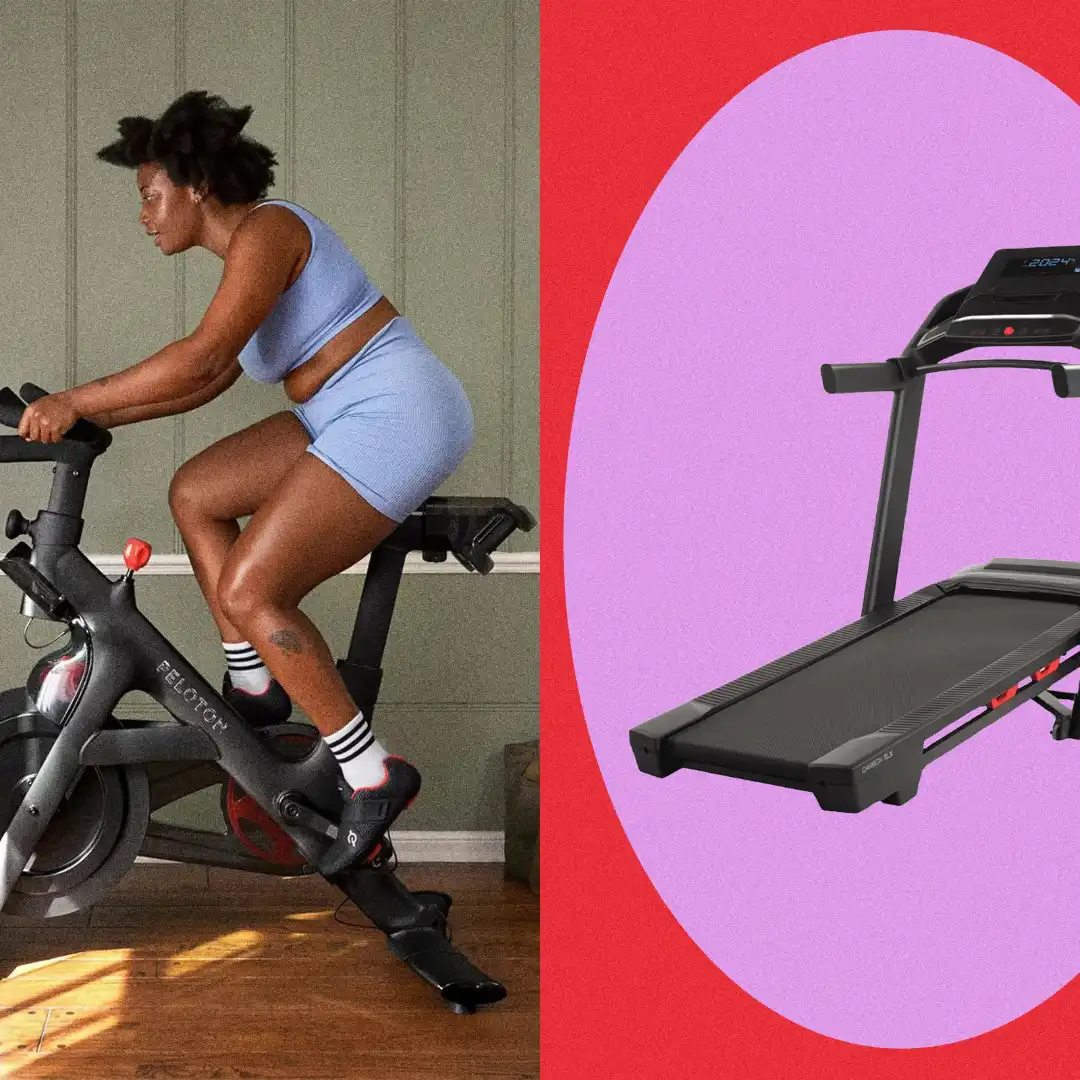
The Best Cardio Machines for Every Type of Runner, Rower, and Cyclist
FitnessThe Best Cardio Machines for Every Type of Runner, Rower, and CyclistGet your heart rate up right at home.By Sara CoughlinJuly 18, 2025Courtesy of the brands / Gabrielle LangdonSave StorySave this storySave StorySave this storyAll products featured on Self are independently selected by our editors. However, we may receive compensation from retailers and/or from purchases of products through these links.Whether you’re a rower, runner, biker, or elliptical lover, you deserve the best cardio machine that your home gym (or living room, office, or garage) will allow. After all, a good piece of cardio equipment can help get your heart rate up even when the weather is crappy, you can’t make it to the gym or studio, or you only have a few minutes to spare for exercise.That’s why we looked back over past years’ SELF Home Fitness Award winners and previous recommendations from fitness industry pros to find effective cardio machines that are truly worth the investment. Our selections include buzzy models from boutique brands like Peloton and SoulCycle, as well as buy-it-for-life exercise machines from brands like NordicTrack and Concept2. Whichever you choose, you can trust it’ll make your cardio workout routine a little easier (and a lot more enjoyable).Our top picksBest Rowing Machine:Concept2 Indoor Rower Model D, $1,500Best Treadmill:NordicTrack Commercial 1750, $2,499Best Exercise Bike:Peloton Bike+, $2,495Best Elliptical:NordicTrack FS10i Interactive Elliptical Trainer, $1,999In this articleAccordionItemContainerButtonLargeChevronShop the best rowing machinesShop the best treadmillsShop the best exercise bikesShop the best ellipticalsBest Rowing MachinesConcept2Indoor Rower Model D$1,399AmazonPelotonPeloton Row$3,295Amazon$3,295PelotonHydrowWave Rower$1,995Amazon$1,695HydrowNordicTrackRW900 Rower$2,299$1,999(13% off)NordicTrackFor a full-body workout that incorporates both cardio exercise and strength training, a rowing machine is an excellent choice. Most models on the market offer a range of resistance levels, so you can tweak the difficulty to your liking, and then it's up to you whether you opt for a rower with techy bells and whistles or one with a more streamlined user experience.For the former, go with the Hydrow, a rower with immersive features and a membership to loads of on-demand classes (which costs $44 per month). For the latter, the Concept2 is widely considered the standard for rowing machines for its ability to engage the entire body, simple interface, and longevity (tons of experts recommended it to SELF, and it’s seriously built to last).We’re also big fans of the Peloton Row—it’s SELF Certified and a SELF Home Fitness Award winner—for anyone focusing on improving their technique. It provides visual feedback on your form in real time, with tips on what you may need to adjust for a better workout, and provides post-class breakdowns of your performance too.If you’re a total beginner, Future trainer Laura Carl previously recommended NordicTrack’s rower to SELF. “I love the data-driven points it provides, and it adjusts to your level of fitness—which not all ergs do,” she said.Learn more about how to shop for a rowing machine and see all our top picks for best rowing machines here.Best TreadmillsNordicTrackCommercial 1750 Treadmill$4,200Amazon$2,499$1,999(20% off)Nordictrack$2,300$2,000(13% off)Dick'sPelotonTread+$5,995PelotonProFormCarbon TLX$999Amazon$1,499$1,299(13% off)ProForm$1,000Dick's Sporting GoodsSunny Health & FitnessSF-T4400 Treadmill$450$344(24% off)Amazon$388Walmart$450Sunny Health & FitnessWe’ll cut right to the chase: The best treadmill for the majority of runners is the NordicTrack 1750. It won a 2024 Home Fitness Award for its high-tech features built into a user-friendly folding design. Its pivoting display screen makes it easy to follow along with iFit classes (which you can opt into for $39 per month), while its sturdy, cushioned deck and frame ensure a comfy ride every time. You “get what you pay for,” our awards tester, a marathon runner, confirmed.If your ears perked up at “high-tech features,” you should also consider the Peloton Tread+, an expert-approved workhorse with a long running belt, huge touchscreen display, and the expertise of Peloton’s coaches at your fingertips (you will need a $44 per month Peloton membership to take advantage of the platform’s classes). Katherine Wuestenfeld, a NASM-certified personal trainer and RRCA-certified run coach in Chicago previously told SELF that its running deck made her feel comfortable during high-intensity efforts: “On other treadmills I’ve tried, when the speed gets below a seven-minute-mile pace, things get shaky, don’t feel as smooth, and it doesn’t always feel like a safe surface for running fast,” she said. “The Tread+ feels smooth on the slatted belt, even at faster speeds.”SELF Healthy EatingGet nutrition tips, delicious recipes, and inspo for your grocery list delivered to your inbox just in time for your weekly meal prep.SIGN UPBy signing up, you agree to our user agreement (including class action waiver and arbitration provisions), and acknowledge our privacy policy.Short on space? Consider ProForm’s Carbon TLX or Sunny Health & Fitness’s Home Fitness Award–winning SF-T4400 model. They both have smaller-than-average footprints and fold up vertically when not in use. The key difference is the ProForm is suitable for higher speeds (up to 12 miles per hour), while the Sunny Health & Fitness is better for walking workouts.Most PopularLife‘Wicked’ Forced Me to Have a Conversation I Hoped My Daughters Could AvoidBy Jessica ShybaHealthThe One Thing That Reliably Kills Norovirus and How to Keep it From Spreading in Your HomeBy Erica SloanRelationships5 Ways to Feel Less Lonely During the HolidaysBy Hannah SmothersLearn more about how to shop for a treadmill and see all our top picks for best treadmills here.Best Exercise BikesPelotonBike+$2,495Amazon$2,495PelotonSoulCycleAt-Home Bike$2,500$1,500(40% off)Equinox+SchwinnIC4 Indoor Cycling Bike$799Amazon$1,300$1,000(23% off)Dick's Sporting Goods$800Best BuyMerachS19 Recumbent Exercise Bike$380Amazon$600$360(40% off)WalmartAll of these indoor exercise bikes meet you right at your fitness level, with features like adjustable handlebars, seats, and resistance settings. If you want a fully guided experience, Peloton and SoulCycle have what you’re looking for. We tested both models firsthand and were especially impressed by how seamlessly they brought the studio class vibes into our homes.Cycling newbies, or anyone who just wants to hop on and ride, will love Schwinn’s IC4. One SELF staffer found it easy to assemble and loved that it comes with dumbbell cradles and a tablet holder (because who doesn’t want to stream their favorite show while they pedal?).And then some models are designed to keep you comfortable while you develop cardiovascular health or rehab an injury, like Merach’s Home Fitness Award–winning recumbent bike. This type of exercise bike works slightly different muscles than standard stationary bikes and it provides an even lower-impact workout.Learn more about how to shop for an exercise bike and see all our top picks for best exercise bikes here.Best EllipticalsNordicTrackFS10i Interactive Elliptical Trainer$1,999$1,699(15% off)NordicTrackBowFlexMax Total 16$2,499$2,199(12% off)BowFlexNicedayElliptical Machine$626$500(20% off)AmazonSpeaking of low-impact workouts, an elliptical machine is another great option. It won’t put stress on your lower body like running will, and it has plenty to offer in terms of versatility: You can focus on the cardiovascular benefits and pedal through your feet only. Or, for a higher-intensity total body workout, you can increase the resistance and engage your upper body by pushing through the handlebars and pedaling with equal effort.We gave the NordicTrack FS10i a Home Fitness Award last year for its range of resistance settings and immersive iFit classes (“One day I might hike in the Alps, the next day I can ski in Norway, and then the following day I can run on a beach in Hawaii,” our tester said). For a little more money, Bowflex’s splurgy Max Total 16 delivers a luxe, stair-stepper-style ride, with grippy handlebars and textured pedals. You can opt into a JRNY membership for $20 per month, which allows you to stream classes as well as Netflix and Amazon Prime Video from its 16-inch display.Most PopularLife‘Wicked’ Forced Me to Have a Conversation I Hoped My Daughters Could AvoidBy Jessica ShybaHealthThe One Thing That Reliably Kills Norovirus and How to Keep it From Spreading in Your HomeBy Erica SloanRelationships5 Ways to Feel Less Lonely During the HolidaysBy Hannah SmothersFor a sub-$1,000 machine that simply prioritizes function, Carla Baccio, an ACE-certified personal trainer, previously recommended Niceday’s elliptical to SELF. “If you’re more self-motivated to work out and don’t need any extra features, all you need is [a] Niceday Elliptical, a good podcast or video, and you can get a great workout while saving some extra money,” she said.Learn more about how to shop for an elliptical and see all our top picks for best ellipticals here.Related:The Best Workout Shoes for Every Kind of ActivityThe Best Kettlebells to Take Your At-Home Workouts Up a NotchThe Best Home Gym Equipment for Small Spaces, According to Experts and EditorsGet more ofSELF’s stellar product recommendations delivered right to your inbox (for free!).
Inside Mioveni: How Dacia transformed a village into a global auto hub
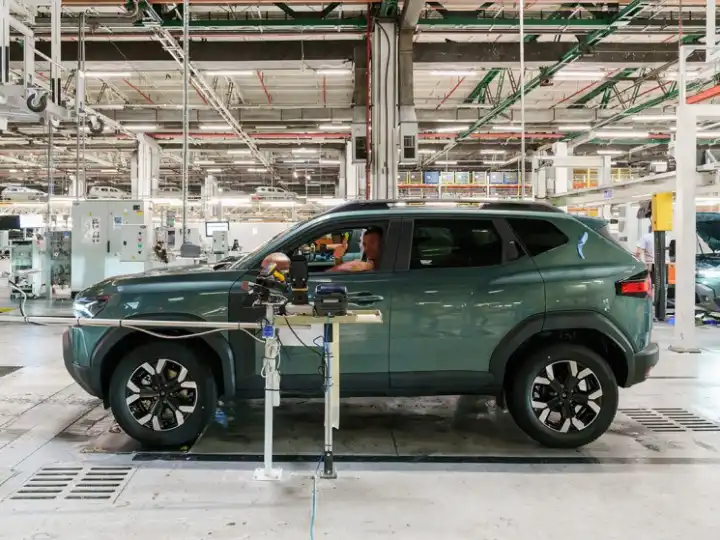
The rumble and thud of heavy industry is overwhelming. Inside the stamping department at Dacia’s production plant in Mioveni, Romania, sheet metal is being sandwiched under pressure to create doors for the car brand’s new Duster model. For the robotic machinery to do its thing, huge, heavy moulds are being manoeuvred across the hangar by a yellow crane arm that spans the entire 15-metre length of the roof. “This is the high speed line,” shouts Alina Predescu, the department’s senior manager and a Dacia employee for the past 15 years, referencing the equipment on display. The combined 12 lines that operate here produce 4.5 million pieces a month. Next, they’re passed to the body shop where the cars start to take form.To call Mioveni a production hub would be an understatement. Opened in 1968 during the early years of Nicolae Ceausescu’s Socialist Republic of Romania, the Dacia factory is a beast that almost never sleeps. Operating 24 hours a day over three shifts, it rests only on Sundays. A car is produced here every 55 seconds, while 350,000 cars roll off its production line each year. The figures are a testament to the phenomenal success of Dacia in recent years. The brand was long seen as a budget, no-frills player but has morphed into much more. Dacia now sells more than 650,000 cars a year and its Sandero recently became the best-selling car in Europe. The relationship, though, is reciprocal; Dacia wouldn’t be where it is today without its historic mothership plant, located about a 90-minute drive northwest of the capital, Bucharest.Cars in progressGetting hands-onWhen Monocle visits the plant – a series of grey, flat-roofed buildings surrounded by large car parks – we’re told to imagine it more as a town than a factory. On a map, its 288 hectares look almost as big as Mioveni itself, which sits below the plant’s slightly raised vantage point next to woodland. Before Dacia arrived, Mioveni (pronounced with a short “I” at the end) was a sleepy village of about 6,000 inhabitants. Today the automotive town is home to 30,000 people. Many Mioveni residents have either worked here or know someone who has – attracted by what one employee calls a job opportunity “gold mine”. With revenue of €5bn a year, the plant represents some 2 per cent of Romania’s GDP and about 2 per cent of its exports. Dacia began by mass-producing cars for the local market through a licensing agreement with Renault. Car kits were dispatched from France and assembled in Romania under a local brand name, though the plant shifted to making its own parts not long after. Dacia’s debut model, the 1100, was based on the Renault 8 and its second car on the Renault 12. That relationship came full circle in 1999, when the Paris-based multinational bought the brand. Renault’s CEO at time, Louis Schweitzer, had been to Russia and seen the success of Lada. He was convinced that there was a worldwide gap in the market for Dacia, especially in post-Iron Curtain Eastern Europe. With Renault’s arrival, efficiencies were greatly increased. Monocle is anecdotally told that before that, in the 1970s and 1980s, 30,000 employees were producing 100,000 cars a year, with capacity tripling at the plant between 2004 and 2010. “The factory has changed each year,” says the plant’s general manager, Sile Fulga, who has been here since 1987, wearing a Dacia logo wristband to protect his watch. “In 2000, we didn’t have any robots.” Underlying Dacia’s expansion has been an idea that counters the trends of the automobile industry. There has been a push back against the expensive bells-and-whistles cars that had already started to come onto the market at the end of the 1990s. “The idea was to say, what if we have a piece of the group that would not play the game of always more,” Dacia’s CEO Denis le Vot, also group chief supply chain officer, tells Monocle. Under Renault’s stewardship, Dacia launched the no-nonsense Logan model in saloon and estate versions, which came with wind-down windows and no air conditioning.Mioveni workers with their 2008 Dacia Logan pick-upCatalin Filip with his Dacia 1100 from 1969A 1974 Dacia 1300 parked in central MioveniMioveni policeman with his Dacia Logan patrol carThe car bodies being welded together by automated arms when Monocle visits are very different from those of the original Logan. Given how popular SUVs are worldwide – representing more than half of all sales in Europe – Dacia’s decision to pivot to an SUV look for most of its cars has proved prescient, even if many of them are smaller superminis, compact SUVs and crossovers. But Le Vot says that, though some aspects have changed, “the spirit is the same”. The less-is-more concept, for example, still prevails. Some might call them under-equipped but Le Vot prefers to say that Dacia produces cars with only the essential features. “We like to quit anything that is not strictly necessary,” he says, adding that the idea of “essentiality” is nonetheless shifting all the time given the types of vehicles coming onto the secondhand market, often a direct competitor of Dacia. Its cars feature manually adjusted seating, plastic over leather upholstery and understated screens; air conditioning, once deemed a luxury, is now part of the package. For a long time, Dacia also shunned lane-keep assist – the sometimes tedious feature that steers you back onto the road should you drift outside the lines – as too much technology, but new EU safety regulations mean that this is now part of the brand’s essentiality too. One of the less visible reasons why Dacia has become a superstar of the region – and beyond – is the way it has been run by Renault. Though brand studios in France might get design input, Dacia has been allowed to keep plenty of devolved powers, maintaining a 3,000-strong engineering corps in Bucharest, as well as a Romanian design team. There is a strong focus on what the Dacia CEO calls “design to cost”. Dacia cars are created with a sharp focus on the core things that matter to consumers in a process meant to separate real value from unnecessary technical glitz. Despite its range of cars, with the exception of its single electric model, Dacia also keeps the same platform across its catalogue – all the bits out of the consumer’s view, including the bulk of the body structure, axles and even a lot of the powertrains – which lowers costs. Lastly, Dacia taps Renault Group HQ and its R&D, which Le Vot refers to as “big brother”, to borrow technology developed years earlier.The city of Mioveni is dominated by the St Peter and Paul Cathedral, with its distinct orthodox spires, which sits just off a main thoroughfare. Inaugurated little more than a decade ago, it’s one of the many buildings constructed here since the 1970s – many of them nondescript communist-era blocks – as the population started to grow. Walking around town, the influence of Dacia is difficult to miss. The yellow taxis driving around the streets are Dacias, as are the police cars, both Logan models. The workers in blue overalls fixing up the square arrive in a Dacia pick-up, while a family of three we talk to is driving a workhorse Dacia Solenza from 2003 that needs pushing to get its engine going. Later, we meet members of a local Dacia classic car club, all eager to show off their vintage models. Catalin Francu was a driver for Dacia in the 1980s and 1990s during the company’s original foray into rally car racing (Dacia recently announced that it would be joining Dakar Rally from 2025). Like many people, for Francu there’s a pride and perhaps even sentimentality attached to a brand that is still seen as indivisible from Romania itself. “I was born with Dacia,” he says. “And for many Romanians, it’s the same thing.” Both Alin Stanciu, owner of a 2003 Dacia 1310 estate, and Catalin Filip, whose 1969 1100 turns plenty of heads as people walk past, agree. Stanciu talks about a “nostalgia” for Dacia that clearly comes from where he has grown up. “It’s normal because everyone has a connection to the plant,” he says. “Four members of my family worked there.”Still, present-day Dacia wants to be seen as much more than Romanian, even if CEO Le Vot calls it the heart of the brand. “Dacia is Romanian but Dacia goes way beyond Romania,” he says. “The uniqueness of the brand is not specifically the geography, though the history is linked to the geography.” For one, Romania is no longer the top sales market, with top spot going to France followed by Italy. The Mioveni plant also isn’t the only factory producing cars. Le Vot is quick to add that Mioveni has a “bright future” but there are two plants in Morocco that make what the CEO calls the “low drive”, more budget cars such as the Sandero and Logan, as well as the seven-seater Jogster. The Mioveni plant focuses on higher-end cars, including the Duster. Part of that gradual shift in brand orientation involved a redesign of the Dacia logo in 2021, which started to feature on new cars from the following year. It’s one of the many logo iterations we see on Dacias during our time in Romania. The kissing “D” and “C” feels modern and has been coupled with Dacia moving away from its traditional blue to an olive green. This has been complemented by lifestyle advertising that makes Dacia feel outdoorsy. Le Vot, quoting the brand markers, says that it’s all part of being “robust and outdoors, eco smart and essential but cool”.Alongside the brand’s first electric car, the China-made Spring, which hit the UK in October (a first-generation model has been available in other markets for longer), 2025 will see the release of a large suv, the Bigster – a bid to cash in on that lucrative segment of the market. It will be made right here in Mioveni, from the metal stamping to the final conveyor-belt quality control.Alongside the evolving look and feel, Le Vot argues that the way Dacia is perceived continues to shift. While he says that Dacia is “still the cheapest on the block” for those who want it, buyers aren’t just secondhand car owners looking for the only new car they can afford. Premium brands have become so expensive, he says, that plenty of new Dacia owners have gravitated from higher-end players. It means that 70 per cent of Dacia’s sales are now made up of its most expensive models. “The market is coming to us,” he says. And with it, Dacia’s evolution continues apace.Sizing upRenault has seen growth in medium and large-sized cars, and Dacia wants a piece of the action. Its Bigster is out next year and two more similar-sized bodies are planned for the near future.
Can We Please Chill With All the Heated Workout Classes?
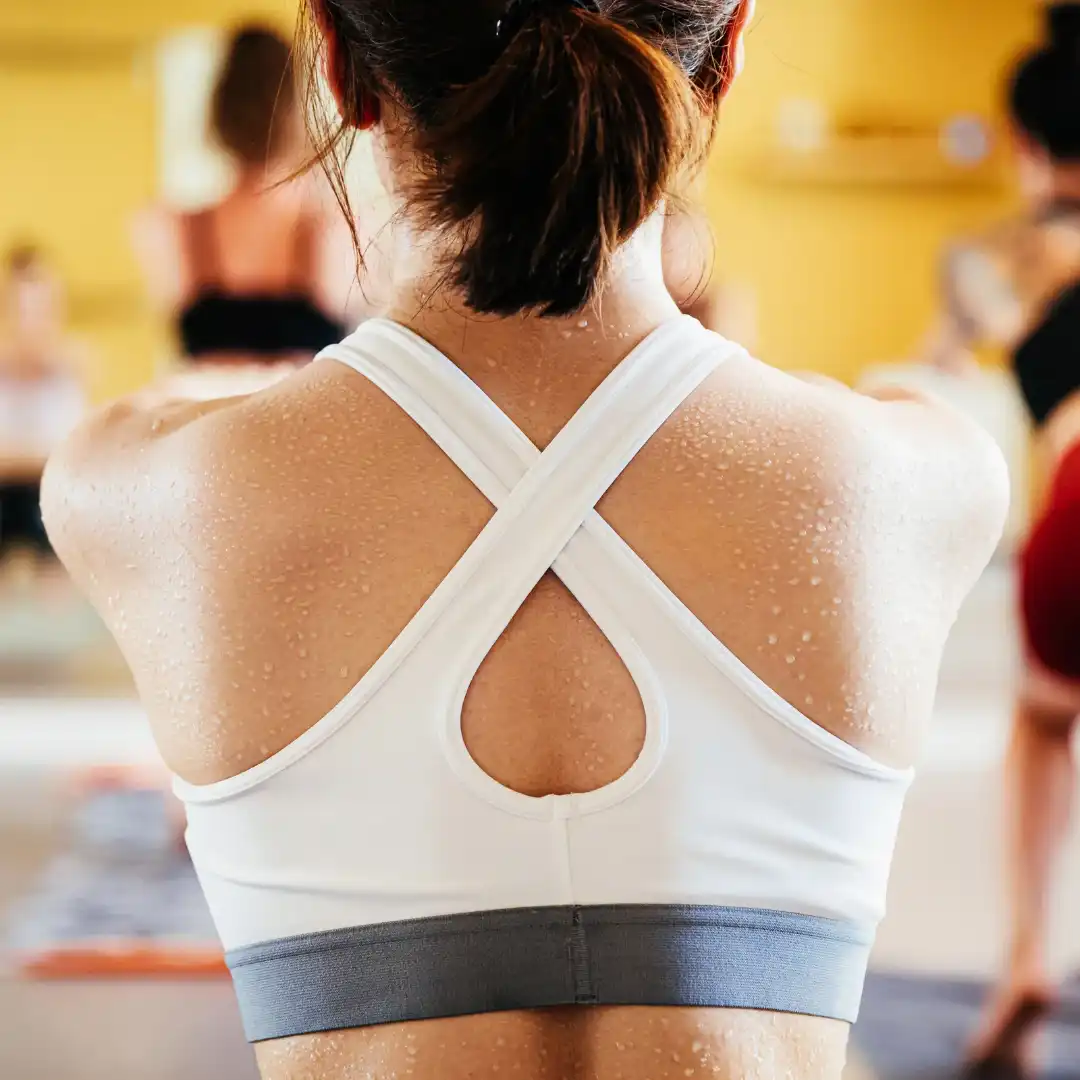
FitnessCan We Please Chill With All the Heated Workout Classes?Sorry, but getting extremely hot and sweaty isn’t giving you a better burn.By Erica SloanAugust 8, 2025Tom Werner/Getty ImagesSave StorySave this storySave StorySave this storyNot so long ago, my preference for working out in a chilled space had an easy solution: I opted out of hot yoga. (I’m quick to schvitz and prefer to glisten versus drip.) But lately, the heated workout has edged toward the norm, with a wave of warm classes ranging from barre and Pilates to HIIT, cycling, and strength training. Their popularity is underscored by the idea that hotter meansbetter. Now, choosing to bake while exercising is apparently proof of athletic rigor, even spiritual toughness. And forgoing the heat seems wimpy.It’s all made me (just a tad!) defensive. I had a suspicion that the craze was, well, a lot of hot air, and it turns out, experts agree: A sweaty workout does not equal a successful one. And there’s little reason to shun a room-temperature fitness class. You can get every bit as good of a workout, if not a better one, at 70 degrees as you can at 100, regardless of how much you sweat. That moisture is simply an indication that your core or skin temperature has gone up, which can happen in scenarios that involve zero physical activity, like lounging in a sauna.Thereisa relationship between sweat and workout intensity, Craig Crandall, PhD, director of the Thermal and Vascular Physiology Laboratory at the University of Texas Southwestern Medical Center, tells SELF. If you compare a person who’s walking on a treadmill in a 70-degree room with someone sprinting in the same room, the latter person will drip more—but if one of these people is in a hot room, it’s apples to oranges. “Now, that person’s sweating is not just a factor of how much heat they’re generating via exertion, but rather a combination of that and the heat they’re getting from the environment.” That means they’ll get damper fasterwithoutpushing any harder.Besides the sweat factor, proponents of heated workout classes often point to the fact that they feel extra-exhausted afterward as evidence that it’s doing more. And it’s true that stressing your body via exerciseandheat takes an additional toll, J. Luke Pryor, PhD, associate director of elite athlete performance at the University of Buffalo’s Center for Research and Education in Special Environments, tells SELF. “The heart has to increase blood flow to dissipate the heat as well as provide more oxygen and nutrients to our muscles.” As a result, you’ll experience a sharper spike in heart rate during a class in a hot studio, which is what tires you out faster. Over time, your body will grow more adept at this response: You’ll sweat more quickly and profusely to keep your temp down, meaning your heart rate won’t shoot up as high, Dr. Crandall says.That’ll let you power through lengthier heated sessions—an acclimation response that can come in handy if you’re, say, preparing for a race in a sweltering locale. (Though if you really want to boost your performance for a specific activity, training in that activity is going to prep your body better than acclimating to the heat in a completely different modality.) But otherwise, exercising occasionally in the heat isn’t going to make a difference for your overall cardiovascular health or fitness versus doing similar workouts in a cooler space, Dr. Crandall says.If anything, the heat will slow you down and diminish your performance, he adds. Consider how if you’re wiped out, drenched in a pool of sweat halfway through a class, you might not pedal as hard or squat as deep for the rest of it. Or if you were planning to run 10 miles on a treadmill, you may only make it eight in a muggy gym. That means you could wind up gettinglesscardiovascular load in the heat, Dr. Crandall explains. So no, a heated class won’t increase your fitness gains over an air-conditioned one, nor will you burn more calories or lose weight faster with hot workouts (if that’s what was prompting you to turn up the heat). Any pounds shed within the course of a class just reflects water loss. And dehydration—which can be more likely with hot workouts—can impair performance on its own too.Though experts say heated workout classes aren’t usually dangerous for most folks, given the body is equipped to adapt, the combo of heat from the environment and what you’re producing with movementcanpush you toward heat-illness territory, especially if you’re not well-hydrated, Rathna Nuti, MD, a board-certified family and sport medicine physician in Dallas, tells SELF. Same goes if the room is ultra-humid: This can keep sweat from evaporating, which limits its cooling powers.Most PopularLife‘Wicked’ Forced Me to Have a Conversation I Hoped My Daughters Could AvoidBy Jessica ShybaHealthThe One Thing That Reliably Kills Norovirus and How to Keep it From Spreading in Your HomeBy Erica SloanRelationships5 Ways to Feel Less Lonely During the HolidaysBy Hannah SmothersSo if you do opt for a warmed-up workout, you’ll need to hydrate more than usual both before and throughout, Dr. Nuti says. And don’t be afraid to take a break if the heat starts to get to you, she adds, especially if you feel woozy, nauseous, or headache-y, or are hyperventilating—all signs of heat exhaustion. In this scenario, you’ll want to trade the stifling room for AC, and drink plenty of water. (And if your symptoms persist longer than an hour, or you pass out, be sure to seek medical care.)SELF Healthy EatingGet nutrition tips, delicious recipes, and inspo for your grocery list delivered to your inbox just in time for your weekly meal prep.SIGN UPBy signing up, you agree to our user agreement (including class action waiver and arbitration provisions), and acknowledge our privacy policy.For the most part, though, the heated workout isn’t so much capital-B Bad as it is unnecessary and overhyped—a trend that I’ll happily bypass. The main perk of jumping or pumping in a steamy setting is, again, the ability to perform better and more safelyin the heatover time. As Dr. Crandall puts it, “the only negative to working out in a chilled space would be if you decide to go to the state fair in Texas in September—you won’t be able to tolerate the heat as well as somebody who routinely exercises in the heat.”There may also be a psychological advantage for select masochists. Maybe youenjoythe torture of physical movement in an environment that leaves you sopping-wet and gasping for air. If that’s a sign to you of a good workout, the added heat might keep you coming back for more, which can help with building an exercise habit, Dr. Pryor says. But contrary to popular belief, working out doesn’t have to make you feel like death to be worth it. And for everyone else who, like me, doesn’t seek out suffering? Having to subject yourself to a room that’s hot as hell could deter you from taking a class altogether—leading you to miss out on all the benefits of exercise that are just as abundant in mild temps.Related:3 Things to Do If the Heat Starts Making You Feel Physically IllIs Salty Sweat Something to Worry About When You Exercise?The Best Hot Yoga Mats for Your Next High-Temp FlowGet more of SELF’s great service journalism delivered right to your inbox.
Why those seeking to decouple manufacturing from China would do well to consider Monterrey
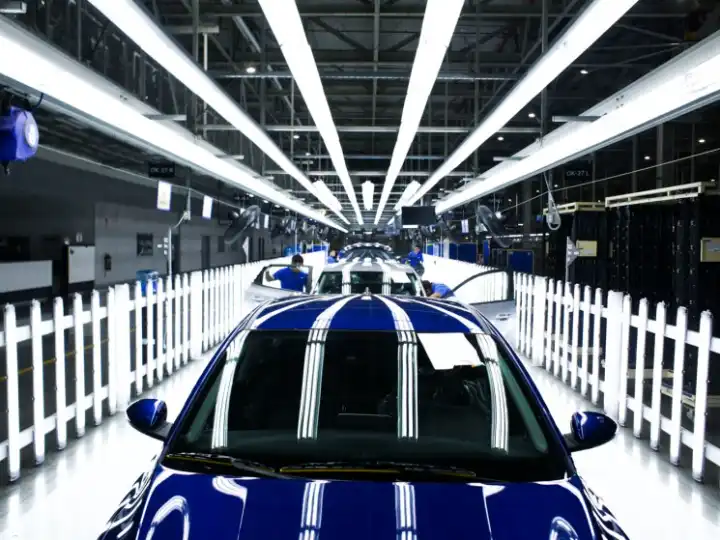
Monterrey is Mexico’s original factory town, a hot and hazy outpost in the northeast of the country that is watched over by majestic green mountains. It was made rich in the early 20th century by steel and cement works, as well as a foundry that still looms on the skyline, and today the city could be on the verge of another industrial revolution. Just three hours by lorry to the Texan border, it is becoming the landing pad for global companies that want to be closer to the US market.Lego has its largest manufacturing facility in the world here, which it expanded in 2022. There are factories assembling Toto toilets, along with Whirlpool white goods and Mattel’s Barbie Dreamhouse. Tesla has bought land to build a new giga-factory. All have come here to plug into well-established rail and freight routes that run right up to Canada and to operate at a fraction of the cost of being based north of the border.In the shadow of the mountains“Every week, two or three companies from around the world invest in or expand into this state,” says Iván Rivas Rodríguez, the economic secretary of Nuevo León, where Monterrey is the capital. Part of the draw, he tells Monocle, is the thousands of engineering graduates who emerge every year from its highly regarded technical universities.“Nearshoring”, as this great global reshuffle of manufacturing is called, was long an El Dorado dream for Mexico, promising great riches without quite delivering them. Then the coronavirus pandemic kicked things up a gear as it underlined the fragility of global supply chains. Meanwhile, the US trade war with China, which spiked under Donald Trump’s presidency and has not subsided, brought hefty tariffs on Chinese-made goods coming intoAmerica. All of this is prompting companies that have traditionally relied on Asian manufacturing to find other ways to get their goods to the world’s number-one market.In 2023, Mexico supplanted China to become the biggest exporter to the US. Morgan Stanley predicts that nearshoring could add as much as $46bn (€43bn) in new investment to the economy over the next five years. The stars might be aligning for Mexico, provided that it can seize the moment.“This is the land of the eternal fantastic opportunity that’s never 100 per cent fulfilled,” says Emilio Cadena, the chairman of the board of the US-Mexico Foundation. He is also the ceo of Prodensa, a private company headquartered in Monterrey that helps manufacturers make a “soft landing” in the country and plug into nearshoring. Cadena says that he talks to businesses from countries such as Taiwan, Japan and, yes, China that are looking to get in on the action. Yet he is critical of successive Mexican governments’ lack of a strategy to capitalise on nearshoring’s full potential. With a forthcoming election in June, there’s a widespread view among industrialists that Mexico still has a lot of work to do, from securing a greater supply of electricity to making it easier to do business here. “We need to think big,” says Cadena.Emilio CadenaGerman CarrilloCar manufacturer Kia, owned by South Korea’s Hyundai Automotive Group, opened a gargantuan factory in Monterrey in 2016 and was a pioneer in a scrubby suburb of smokestacks and golf courses called Pesquería. The area often gets referred to as “Peskorea” these days because of the abundance of South Korean-owned factories – and excellent hotpot restaurants – that have pitched up.Every 53 seconds, a Kia car rolls off the production line with two celebratory beeps of the horn. Deputy production director German Carrillo proudly tours Monocle around his slick, highly automated operation, where two Mexican engineers using robotic arms tighten up a car’s suspension and car doors float above our heads on conveyor winches.Kia’s Monterrey plantAbout a quarter of a million cars drove out of this factory in 2023, with most destined for US and Canadian roads, and the rest going to more than 30 other countries. “We have the capacity to make many more,” says Carrillo. Last year there were reports, denied by executives in Mexico at the time, that the factory would get a $1bn (€900m) expansion to build Kia’s next- generation electric vehicles.Most of the welding and heavy-duty lifting is done by robots, while the more intricate work – affixing stereo speakers into car doors, for instance – is performed by skilled workers. This is not the “cheap labour” that once drew manufacturers to Mexico. Kia’s leadership says that it is fighting for engineering talent as more car firms come to the state. There’s even a “Pits Zone” on the factory floor where employees on the line can take time out, talk to a counsellor and receive legal and nutritional advice.Looking upWhen Hyundai came to Mexico, it brought its family and its connections. Metal for the chassis comes from suppliers including Hyundai Steel, Ternium and ArcelorMittal, while the body is put together by Kia’s welding shop. Much of the components are made within a couple of kilometres of the factory and are fed into the main site via a grand network of conveyor belts. “Everything is becoming more regional,” says Humberto Fernández Montes, deputy director of parts development for Kia Mexico, leaning on a well-buffed new hatchback. He reckons that, as more suppliers open up to serve a growing automotive industry, 80 per cent of this car will be made in Mexico within the next five years.It’s a profound shift from a time when Mexican factories mostly assembled parts produced in Asia. If the US wants to “decouple” from China, limiting its economic entwinement with its rival amid heightened global tensions, then it will need a handy local partner such as Mexico. Meanwhile, other regions are also rethinking their supply chains and Malaysia, Turkey and Morocco are similarly vying to be the next workshops of the world.Opening doors“Mexican workers have a real sense of commitment to their companies and that’s a cultural advantage,” says Benito Gritzewsky, the founder of Nuevo León-based Hemaq, which designs production lines for companies that supply components to the aerospace industry, such as Bombardier and Honeywell.“But as a country, we have a lot of pending homework.” Security and corruption are major concerns. Mexico’s notorious cartels remain a powerful force in control of large swaths of the nation and banditry is an issue for those trying to move goods around.Such challenges can also be an opportunity. Nowports is a start-up that was founded by two young entrepreneurs from Mexico and Uruguay who wanted to digitise the whole business of getting goods in and out of Latin America, from streamlining paperwork to safeguarding shipments with insurance. “We are a one-stop shop, from port to warehouse,” says Carolina Samsing, Nowports’ vice-president of global growth. On the wall of the company’s headquarters in Monterrey is a neon sign that reads “Shipping happiness” and the business, valued at more than $1bn (€900m), has already been called a true Mexican unicorn.Getting thereMonterrey is expanding its airport. It now offers 21 direct international routes to cities including Madrid, as well as destinations across Latin America, with connections through many Mexican cities. It is the home airport for airline Viva Aerobus, which recently beefed up its flight map to the US, with direct flights to Monterrey from Austin, New York and San Francisco.Despite the smog that settles on downtown Monterrey, you can’t miss the energy that’s blowing through this city. The Mirador restaurant downtown has been the dining room for the local business and political elite for more than 30 years and it’s still the place to spot regional politicians courting investors over steak tacos. But as more global firms arrive, ambitious restaurateurs are also moving in. Noted Mexico City chef Edo López, for example, has a new outpost of his Japanese- inspired dining group here. And it’s not just newcomers who are upping the game. Alan Wapinski, a Monterrey resident who runs a successful Mexican-Thai fusion spot called Mar Del Zur, has just opened his second restaurant in town.San Pedro Garza García to the west of the city has long been Monterrey’s glitzier side, with high-end villas and corporate offices. (It’s home to some of Latin America’s biggest earners.) Global architecture firm Perkins&Will opened its first Mexican office here in 2020 and its associate principal architect, Antonio Pérez Vázquez, says that it is working on masterplans for leafy new neighbourhoods and designing HQs for incoming companies.Antonio Pérez Vázquez (on far left) at the Perkins&Will officeAna Isabel GarzaArboleda is a fast-growing enclave of independent shops, cafés and elegant apartments that’s attracting well-heeled Mexicans and expats, with pedestrian-friendly streets and tropical birds. Its founder, Patricio Garza, and his daughter, Ana Isabel, who runs a space in Arboleda that champions local coffee roasters and artisanal food brands, hope that this mixed-use neighbourhood can inspire more considered forms of urbanism as Monterrey grows. “As developers, we’re using real estate as a tool for the positive transformation of the city,” says Garza.There might be a fresh breeze in muggy Monterrey but much of the city was built to keep the wheels of industry turning. “The advantage that we have – being the neighbour of the world’s number-one customer – was not something that we ever planned or could have anticipated,” says Bonito Gritewsky, the owner of Hemaq. “But it is something that many, many countries envy us for.”In numbers:3.8 millionAlmost four million cars were manufactured in Mexico last year.95 millionThe number of Mexican-made Lego boxes exported per year.$475.6bnMexican exports to the US in 2023 amounted to almost €443bn.$29bnForeign direct investment to Mexico is at more than €27bn.40 per centThe proportion of Mexican economy that is in manufacturing.
advertisement