advertisement
The Best Cross-Training Shoes, According to Experts and SELF Editors
Fitness
The Best Cross-Training Shoes, According to Experts and SELF Editors
Lace up, work out, feel great.By Sara Coughlin and Jennifer HeimlichJuly 3, 2025
All products featured on Self are independently selected by our editors. However, we may receive compensation from retailers and/or from purchases of products through these links.
While we love a cushy pair of running shoes as much as the next Hoka queen, they’re not your best bet for hitting the gym. “That cushioning is great for long-distance runs, but it’s very unstable and even potentially unsafe when it comes to moving heavy weight,” Corey Brueckner, NASM-CPT, a general manager at Life Time Studio in Hackensack, New Jersey, tells SELF. You can end up wobbling around, without the stability you need to feel grounded. The fix? Lacing up a pair of the best cross-training shoes instead.
While they often look like everyday sneakers, cross-training shoes are impressively versatile, Leakna Ung, DPM, a podiatrist at Hartford HealthCare Connecticut Orthopaedics Institute, tells SELF. They’re designed for strength training, plyometrics, CrossFit, lateral movements, HIIT, and more—any workout where you want to feel nimble at times but stable too.
That’s a lot to ask for in one pair of shoes. So we spoke to a handful of experts about the essential features to look for in a good pair of cross-trainers. With their recs in mind—and insights from all of our sneaker testing here at SELF—we found the best options for you to try, no matter your MO at the gym.
Our top picks
- Best Overall:Reebok Nano X5, $140
- Runner-Up:Nike Metcon 9, $155
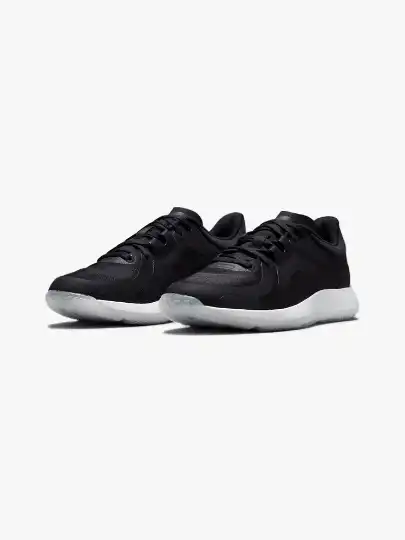
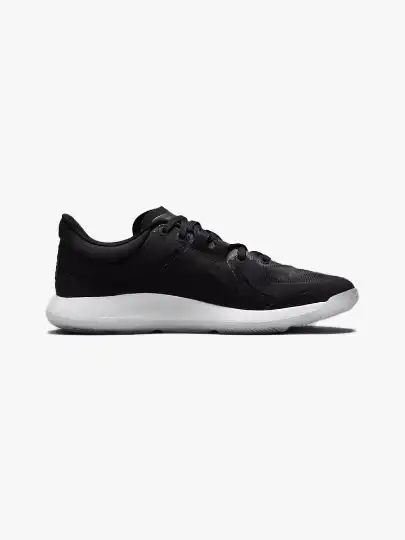
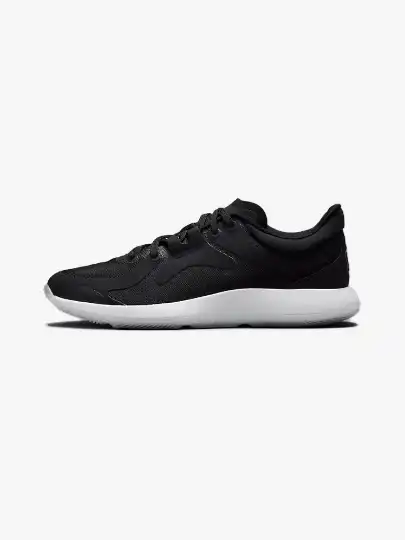
- Most Comfortable:Lululemon Strongfeel, $128
- Best for Lifting:Puma Fuse 4.0, $120
- Best for HIIT:Nobull Drive Knit, $149
- Most Flexible:Nike Free Metcon 6, $125
- Most Breathable:Adidas Dropset 3, $130
- Best Barefoot Shoe:Vivobarefoot Motus Flex, $190
- Best for Workout Classes:Lululemon Chargefeel 3, $148
- Shop the best cross-training shoes
- What should you look for in a pair of cross-training shoes?
- Frequently asked questions
Shop the best cross-training shoes
Now that we’re warmed up, let’s get to the shoes. Below, check out the best cross-trainers, according to experts, editors, and SELF Sneaker Awards testers.
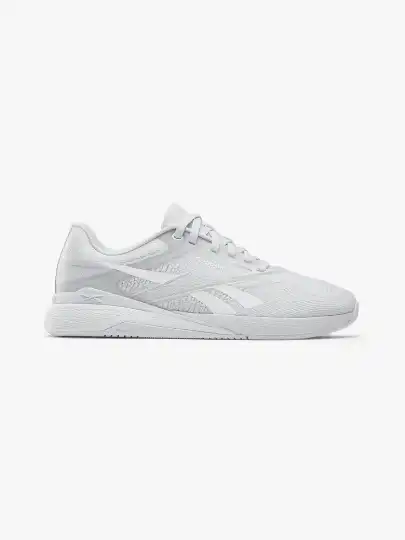
Best Overall: Reebok Nano X5
Reebok
Nano X5
$140Reebok
$150DSW
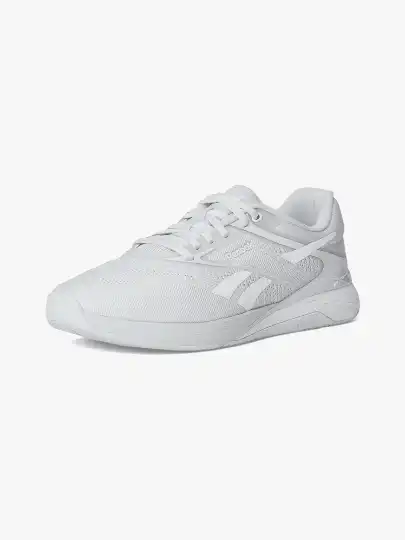
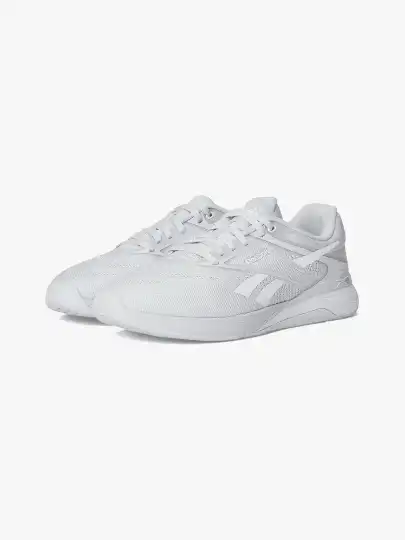
Christa Sgobba, SELF’s director of food and fitness, has worn Reebok Nanos for years. They’re reliable gym shoes that help her feel stable and in touch with the ground while lifting, but don’t feel overly clunky on the elliptical or exercise bike.
With its responsive forefoot design, firm heel, and improved fit, the Nano X5 might be the Reebok’s best so far. “One of the changes I’ve liked in this version is that the shoe fits closer to your foot and is a little more streamlined,” Sgobba says. “In earlier versions, I often had to stop during a workout to re-tighten so my foot didn’t slide around, but these remain locked in from the get-go.”
Pros & Cons
AccordionItemContainerButtonLargeChevron| Pros | Cons |
|---|---|
| Supports box jumps and step-ups | Too stiff for bouncy movements and certain types of cardio workouts |
| Firm enough for heavier lifting | |
| Very secure fit | |
| Under $150 | |
| Breathable |
Product specs
AccordionItemContainerButtonLargeChevronSizes:US 5 to 11 |Widths:Medium
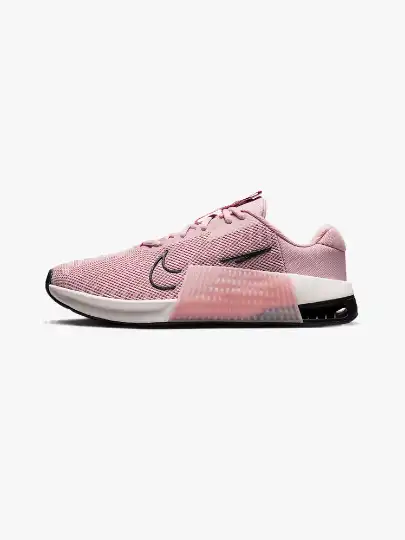
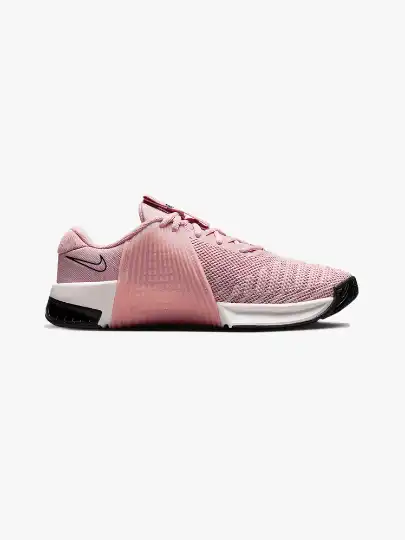
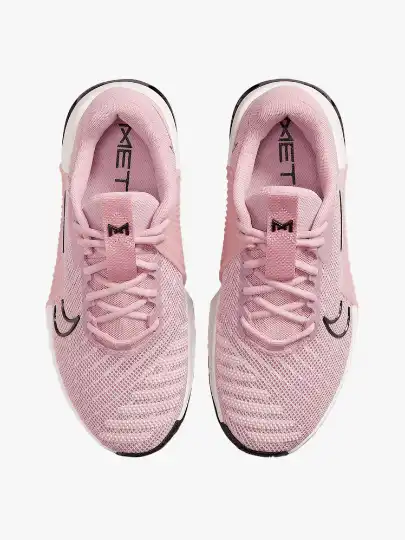
Runner-Up: Nike Metcon 9
Nike
Metcon 9
$160$116(28% off)Nike
$116$106(9% off)Amazon
Lifting, lunging, or climbing ropes? The best-selling Nike Metcon can keep up with all of it. A rigid, stabilizing plate inside the shoe feels sturdy underfoot, while a layer of soft foam in the midsole buoys your feet when you pick up the pace. And rubber panels along the sides of the shoe increase its traction to make climbs easier.
“They've got a flat, stable base,” Brueckner says. “They're a really good weightlifting shoe and good for functional movements, like CrossFit or a HIIT cardio class.” Although she admits her feet can get pretty toasty inside at times, she appreciates that the thick upper keeps her feet right in place without any sliding around. “Your foot feels supported when you lace them up tight,” she says.
Pros & Cons
AccordionItemContainerButtonLargeChevron| Pros | Cons |
|---|---|
| Sturdy yet flexible | Not very breathable |
| Rubber-wrapped sides for rope climbs | |
| Sleek design | |
| Custom colors available |
Product specs
AccordionItemContainerButtonLargeChevronSizes:US 5 to 12 |Widths:Medium
Senior commerce editor Sarah Felbin testing the Nike Metcon 9:
ArrowArrowMost Comfortable: Lululemon Strongfeel Training Shoe
Lululemon
Strongfeel Training Shoe
$128$69(46% off)Lululemon
When Sgobba reviewed Lululemon’s Strongfeel shoes a few years ago, they made an impact with their “comfortable yet non-obtrusive” fit. They helped her feet stay planted during squats, deadlifts, and good morning exercises, but also kept them from shifting around during more dynamic moves like reverse lunges and step-ups. Then, when Sgobba wore the Strongfeels on the elliptical, they felt surprisingly flexible.
“The Strongfeels are [Luluemon’s] flattest shoe, but they're great for cross-training, too,” Lindsey Bomgren, NASM-CPT, founder of online fitness platform Nourish, Move, Love, tells SELF. “I do sprints in them for short distances.” She adds they’re also great for agility work.
Pros & Cons
AccordionItemContainerButtonLargeChevron| Pros | Cons |
|---|---|
| Wide toe box | Not enough cushioning for long-distance runs |
| Under $130 | |
| Works for weightlifting and cardio workouts |
Product specs
AccordionItemContainerButtonLargeChevronSizes:US 5 to 12 |Widths:Medium
Shopping market editor Angela Trakoshis testing the Lululemon Strongfeel Training Shoe:
ArrowArrowBest for Lifting: Puma Fuse 4.0
Puma
Fuse 4.0
$120Puma
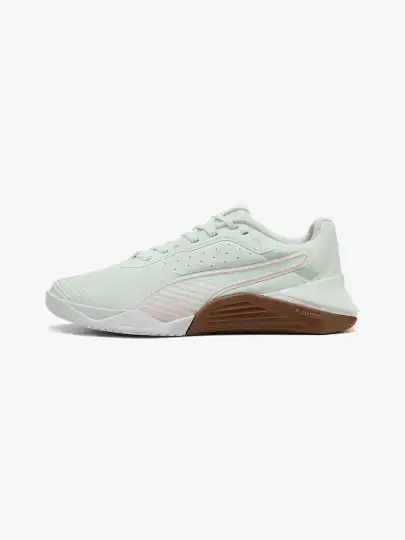
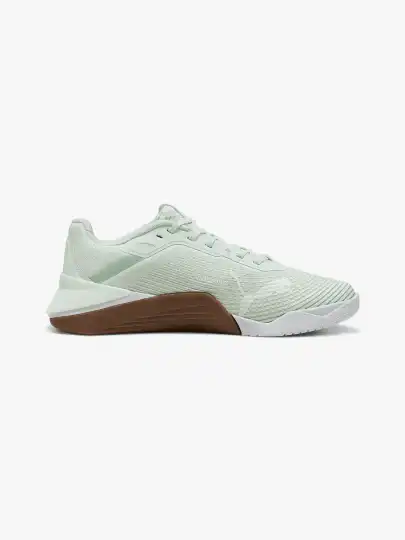
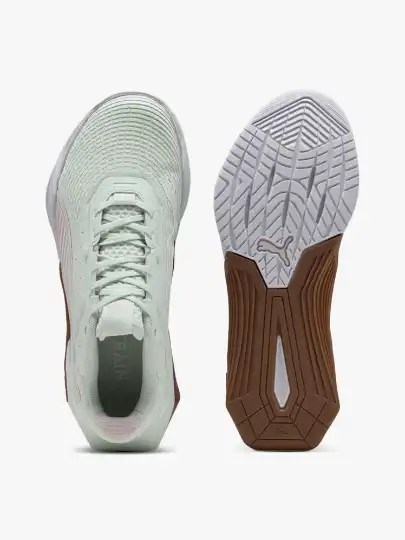
If your cross-training is mostly lifting, try the bestselling Puma Fuse. It’s made for heavy weights, but still bends with your foot (our tester noted the shoe’s flexibility when stepping into lunges during her strength training workouts).
“The flat bottom helps me stay stable and really push through the ground for my bigger lifts, especially deadlifts, where you definitely don’t want any wobble,” our tester said. “They’re firm, but not so firm that they hurt or make your feet tired.”
Pros & Cons
AccordionItemContainerButtonLargeChevron| Pros | Cons |
|---|---|
| Firm, stable base | Not suitable for cardio workouts |
| Flexible where it counts | |
| Under $130 |
Product specs
AccordionItemContainerButtonLargeChevronSizes:US 5.5 to 11 |Widths:Medium
Best for HIIT: Nobull Drive Knit
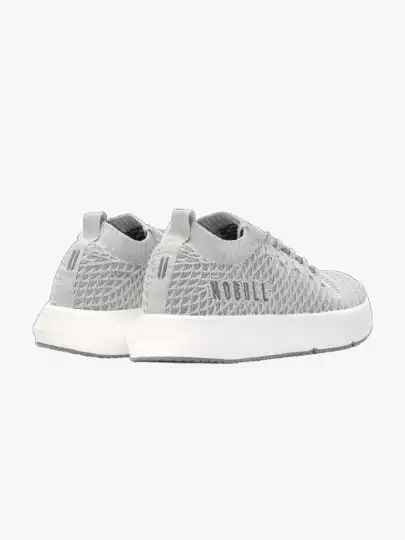
Nobull
Drive Knit
$149$73(51% off)NOBULL
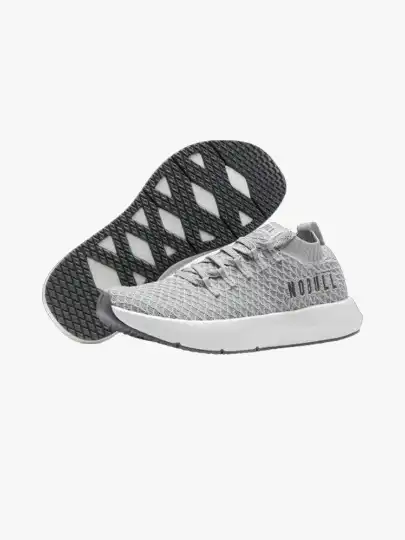
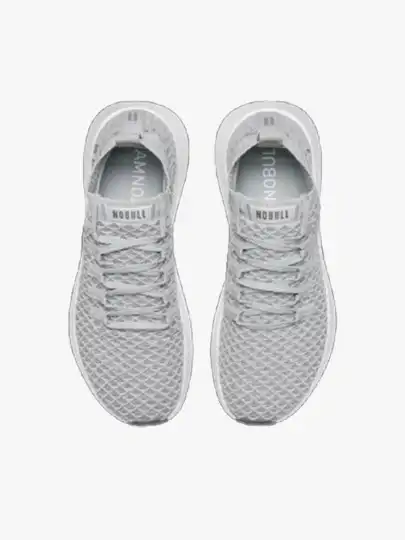
Sarah Pope, CPT, a personal trainer at Life Time Clarendon in Arlington, Virginia, likes Nobull’s highly durable shoes for the gym, and the brand’s Drive Knit model won a Sneaker Award last year. Our judges deemed it an exceptional shoe for HIIT fanatics, thanks to its breathable upper, responsive foam midsole, and high-traction rubber sole. (It’s also a great choice if you just prefer shoes with a little more bounce.)
Most Popular
Life‘Wicked’ Forced Me to Have a Conversation I Hoped My Daughters Could AvoidBy Jessica Shyba
HealthThe One Thing That Reliably Kills Norovirus and How to Keep it From Spreading in Your HomeBy Erica Sloan
Relationships5 Ways to Feel Less Lonely During the HolidaysBy Hannah Smothers



“Once the shoe is on—you’ve really got to tug it by the heel loop to get your foot in—it is SO COMFORTABLE,” our tester said. “There’s so much cushion under my feet, but it doesn’t feel bulky or like I’m walking on giant platforms. It’s super lightweight, and after multiple wears I had no blisters, random pains, or shin splints.”
Pros & Cons
AccordionItemContainerButtonLargeChevron| Pros | Cons |
|---|---|
| Springy yet supportive | Runs small, per the brand |
| Feels comfortable right out of the box | A little hard to pull on |
| Under $150 |
Product specs
AccordionItemContainerButtonLargeChevronSizes:US 5 to 11 |Widths:Medium
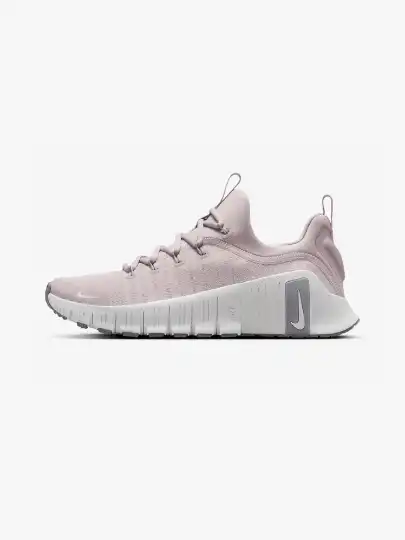
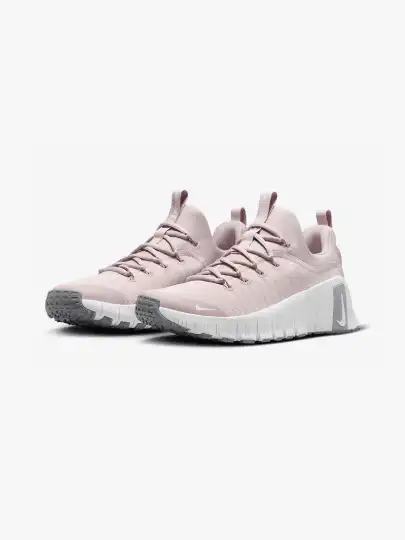
Most Flexible: Nike Free Metcon 6
Nike
Free Metcon 6
$125$90(28% off)Nordstrom
$125Nike
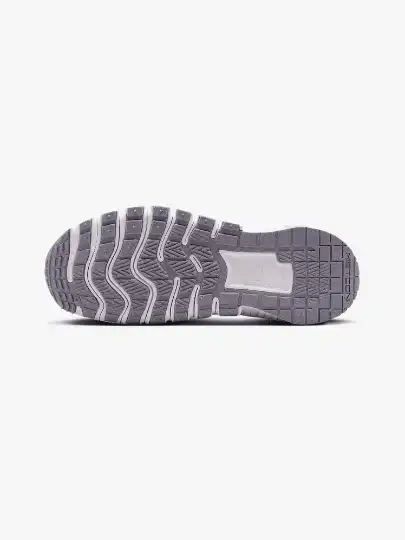
Pope highly recommends the Nike Free Metcon 5 (which won a Sneaker Award in 2023), so we put the latest version to the test. Designed to feel flexible, stable,andcushy, the Free Metcon 6 is suitable for lifting and cardio, with a grippy sole that matches your foot shape.
SELF Healthy Eating
Get nutrition tips, delicious recipes, and inspo for your grocery list delivered to your inbox just in time for your weekly meal prep.SIGN UPBy signing up, you agree to our user agreement (including class action waiver and arbitration provisions), and acknowledge our privacy policy.“Wearing these shoes was like having the best of both worlds—I could feel my toes and heels on the ground, but my arches were lifted and supported,” our tester says. “They helped me feel more stable while doing deadlifts and goblet squats. It's so helpful to be able to feel the ground well, similar to how it feels when I'm in socks, but without any sliding because of the grippy soles.”
Pros & Cons
AccordionItemContainerButtonLargeChevron| Pros | Cons |
|---|---|
| Grippy soles | Our tester noticed some chafing from the heel collar |
| Wide size range | |
| Under $140 |
Product specs
AccordionItemContainerButtonLargeChevronSizes:US 5 to 15 |Widths:Medium
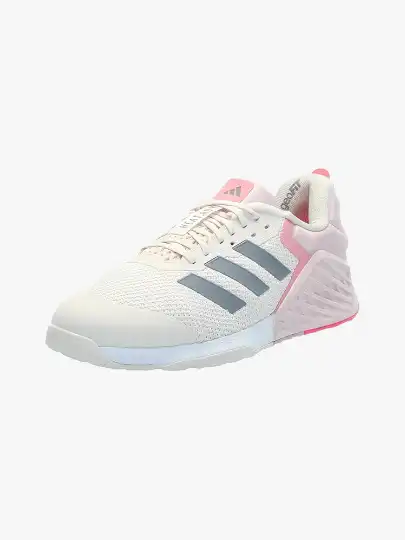
Most Breathable: Adidas Dropset 3
Adidas
Dropset 3 Strength Training Shoes
$130$91(30% off)Amazon
$130Adidas
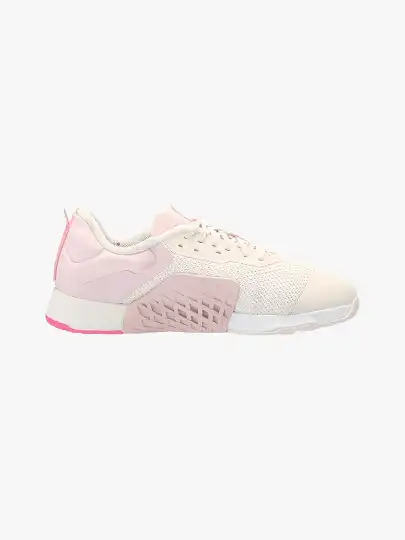
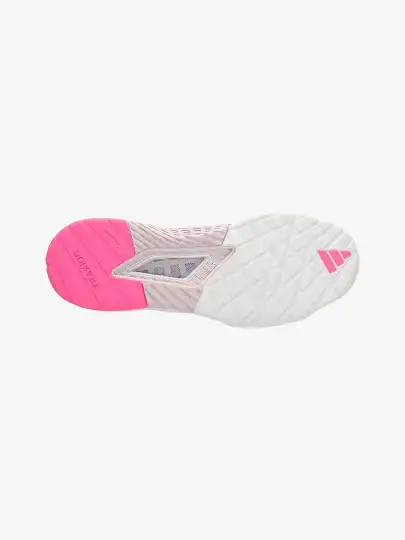
Our tester was immediately impressed by Adidas’s Dropset 3 Strength Training Shoes, noting their retro vibe and sleek shape. She also appreciated that they were designed for maximum airflow—the mesh upper helps shed heat, while the insole is perforated to help you cool down during major efforts.
Our tester’s pair didn’t quite fit her (she needed to cinch the laces very tightly to prevent her feet from shifting). According to the brand, the Dropset 3 is intentionally wide-cut to accommodate swollen feet—a common side effect of working out for some folks.
Pros & Cons
AccordionItemContainerButtonLargeChevron| Pros | Cons |
|---|---|
| Great for wide feet | Too wide to feel secure, for our tester |
| Provides tons of ventilation | Our tester noticed some digging from the heel collar |
| Very stylish | |
| Under $140 |
Product specs
AccordionItemContainerButtonLargeChevronSizes:US 5 to 14 |Widths:Medium
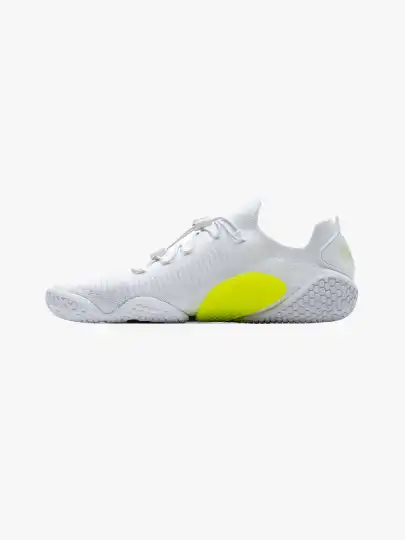
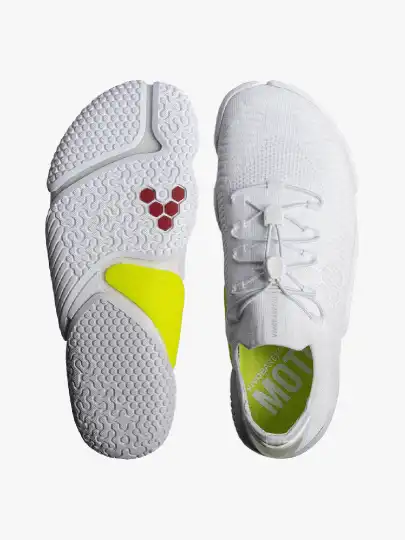
Best Barefoot Shoe: Vivobarefoot Motus Flex
Vivobarefoot
Motus Flex
$190Amazon
$190REI
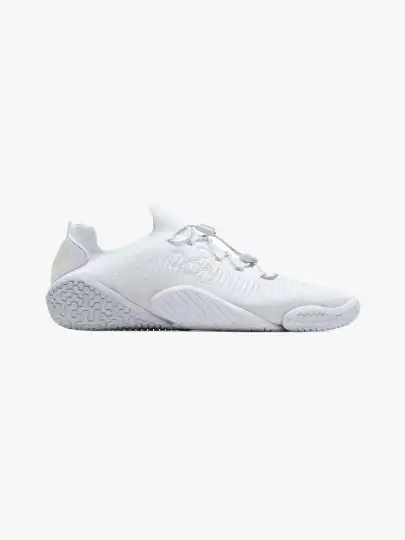
If you want your feet to be as flat on the floor as possible, there’s nothing like going barefoot. But that isn’t always the safest approach—especially if you’re lifting heavy weights. So strength coach Roxie Jones, CFSC, founder of BodyRox, recommends Vivobarefoot shoes, which have a minimalist sole and a super wide toe box.
Most Popular
Life‘Wicked’ Forced Me to Have a Conversation I Hoped My Daughters Could AvoidBy Jessica Shyba
HealthThe One Thing That Reliably Kills Norovirus and How to Keep it From Spreading in Your HomeBy Erica Sloan
Relationships5 Ways to Feel Less Lonely During the HolidaysBy Hannah Smothers
The Motus Flex in particular is designed with a two-part, extra-mobile outsole that mimics the feeling of being barefoot, while still protecting your feet from germs or debris that might end up on the weight room floor.
Just know that you may need to pack extra shoes for after your workout. Our tester found they’re not the most comfortable for walking outside, since they lack cushioning, and the thin, foot-shaped sole doesn’t always pair well with more elevated ‘fits.
Pros & Cons
AccordionItemContainerButtonLargeChevron| Pros | Cons |
|---|---|
| Great for wide feet | Runs large—the brand suggests sizing down |
| Breathable | |
| Flexible, minimalist sole | |
| Super lightweight |
Product specs
AccordionItemContainerButtonLargeChevronSizes:US 4.5 to 11 |Widths:Medium
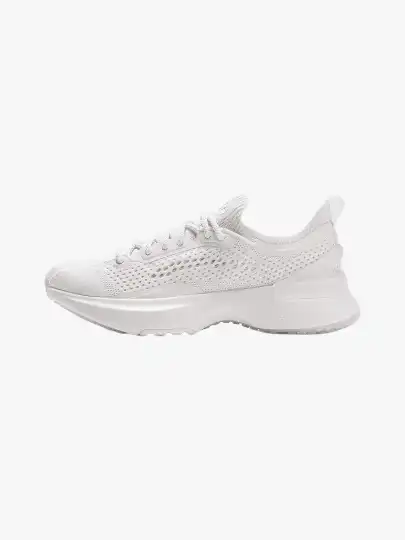
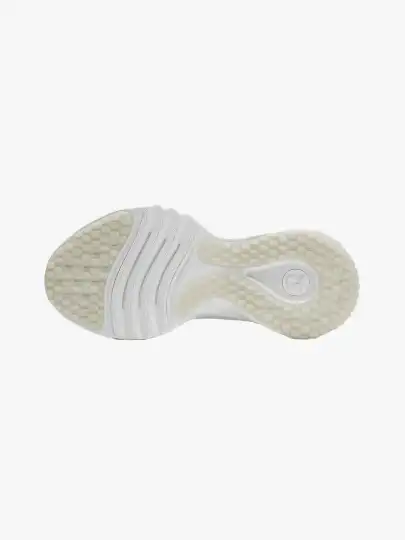
Best for Workout Classes: Lululemon Chargefeel 3
Lululemon
Chargefeel 3
$148Lululemon
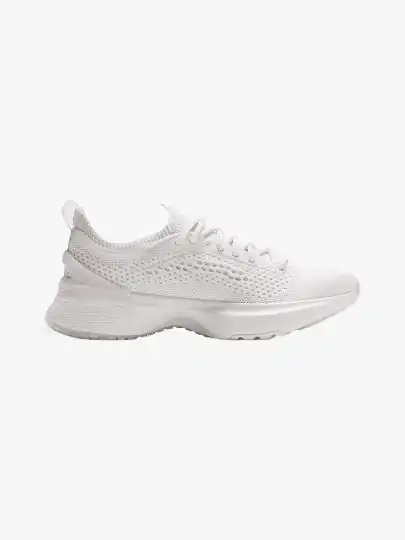
“I wore the Chargefeel when I was really big into teaching group fitness, and they were a great shoe for that,” Bomgren says. You get enough bounce for cardio (Bomgren will even slip them on for runs up to three or four miles), but enough stability to ground you during weighted squats and lunges. So, when your Orangetheory instructor has you hopping between the tread, the rower, and the strength training floor, you can feel confident that these shoes are ready to tackle it all.
Pros & Cons
AccordionItemContainerButtonLargeChevron| Pros | Cons |
|---|---|
| Bouncy but stable | Too cushioned for really heavy lifting |
| Heel lining uses Lululemon’s famously soft Nulu fabric | |
| Stretchy, breathable upper | |
| Under $150 |
Product specs
AccordionItemContainerButtonLargeChevronSizes:US 5 to 12 |Widths:Medium
What should you look for in a pair of cross-training shoes?
Cross-trainers need to be sturdy, durable, and supportive, Dr. Ung says. Here’s what to consider when shopping.
Fit and feel
AccordionItemContainerButtonLargeChevronLook for flat, wide outsoles that provide a solid foundation for your feet. There should also be plenty of room for your toes to spread out without feeling squished. “Toe splay is super important for good balance, overall posture, and keeping your alignment when you're lifting heavy,” Bomgren says.
Cushioning
AccordionItemContainerButtonLargeChevronThe sole should be firm and flat rather than pillowy,Jones says. “You want to make sure that your foot can grip the ground,” she explains. “That's going to dictate the alignment of your joints, especially for the big exercises like squats or deadlifts.”
That said, some people might want a bit of responsiveness in the forefoot for plyometrics or a bootcamp-style workout, Brueckner says. “It's finding that sweet spot of cushion and stability.”
Stability
AccordionItemContainerButtonLargeChevronEven if a shoe offers some bounce, it should never feel so squishy that you start to wobble, Brueckner says. You can also look for a shoe with reinforced sides if you need even more support, Dr. Ung adds.
Arch support
AccordionItemContainerButtonLargeChevronThe midfoot should match the shape of your foot’s arch, so that it doesn’t collapse or feel forced up too high.
Heel-to-toe drop
AccordionItemContainerButtonLargeChevronDrop refers to the difference in height between a shoe’s forefoot and heel. A moderate-to-low heel-to-toe drop will help you push through your heels when you lift. “When people are strength training with [a] lifted heel, it tends to throw weight into the balls of their feet, so it puts them in an unsafe position when it comes to big lifting,” Brueckner says.
Other features
AccordionItemContainerButtonLargeChevronFinally, don’t forget about your personal preferences, Pope says. Do you want your shoes to feel especially breathable, or roomy through the toe box? Should they be somewhat stylish, in case you wear them outside of the gym? Dr. Ung recommends trying a few different pairs on to get a feel for what’s truly comfortable for you—and what will get you even more excited to hit the gym.
Frequently asked questions about cross-training shoes
Is it a good idea to work out in running shoes?
AccordionItemContainerButtonLargeChevronNo, according to the experts we spoke with. Pope recommends steering clear of shoes with a “cloud-like” or plush feel—too much cushioning can affect your balance and make it harder to feel the floor beneath your feet. “It's best to perform in a flatter, hard-bottom style shoe to best optimize ground control with your ankle, knee and foot while performing exercises safely and effectively,” she says.
Dr. Ung points out that most running shoes have higher arches, thicker soles, and rocker-shaped bottoms. While these features are great for energy return and generating forward momentum, they won’t help you if your goal is to feel stable and grounded. So, it’s better to have a dedicated gym shoe for your workouts (and lace up your runners when you hop on the treadmill).
One more thing to note: If you’re mainly a lifter, consider picking up a pair of weightlifting shoes—they’re generally sturdier than cross-trainers and specifically designed for generating power during heavy lifts.
Read MoreSELF’s 2025 Sneaker AwardsWe tested more than 200 pairs of sneakers and revisited a year's worth of fashion trends to select the cream of the crop.
Arrow
Related:
- Shin Splints Ruining Your Run? These Sneakers Can Help
- These Ready-to-Drink Protein Shakes Belong in Your Fridge
- The Best Pairs of Compression Leggings for an Instant Confidence Boost
Get more ofSELF’s stellar product recommendations delivered right to your inbox (for free!).
advertisement